

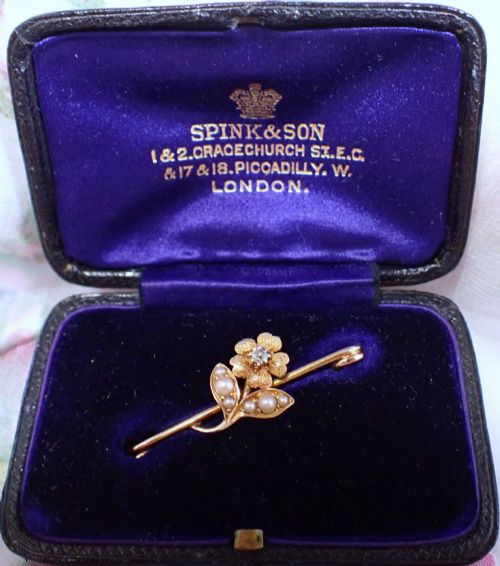
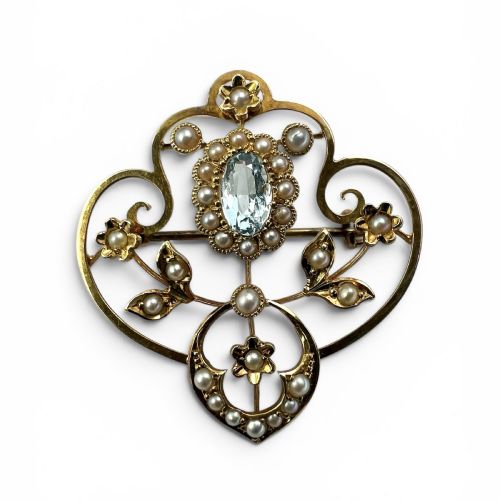

Antique Floral Pin Brooch
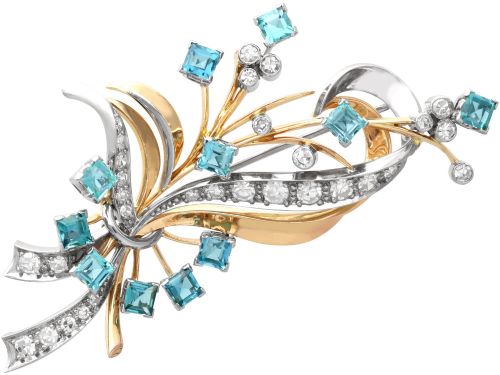
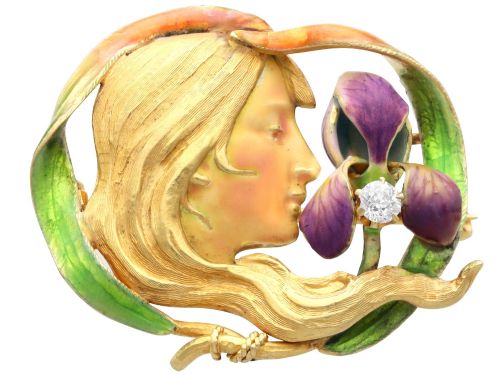
An antique floral pin brooch brings together precious metals and stones to mimic petals and leaves, offering a wearable piece of gardening history.
Antique Floral Pin Brooch
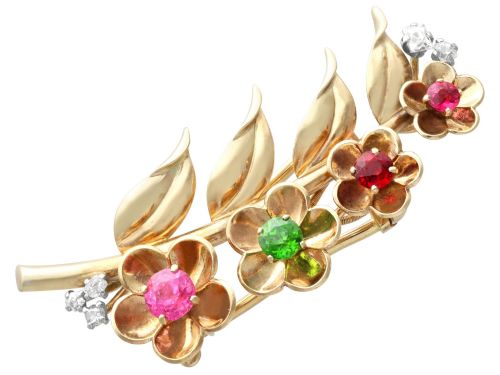
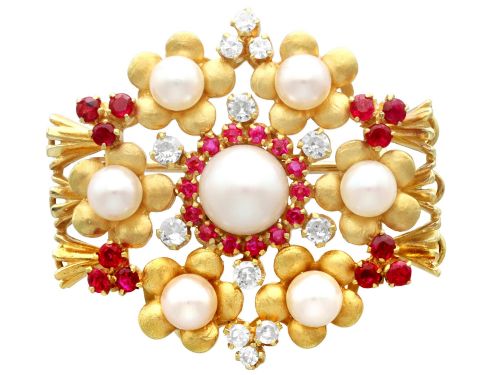
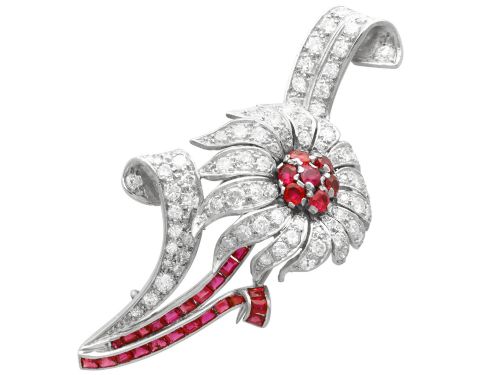
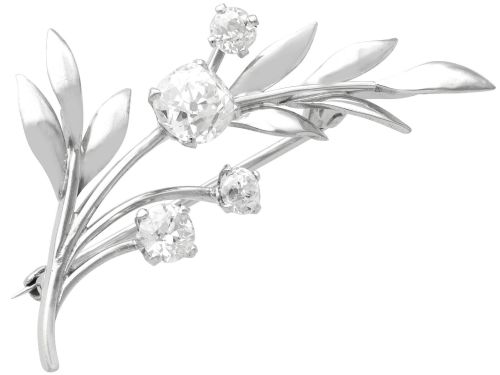
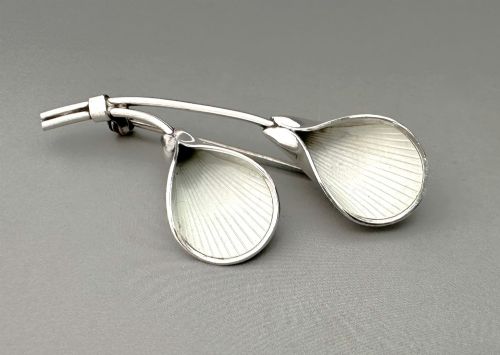
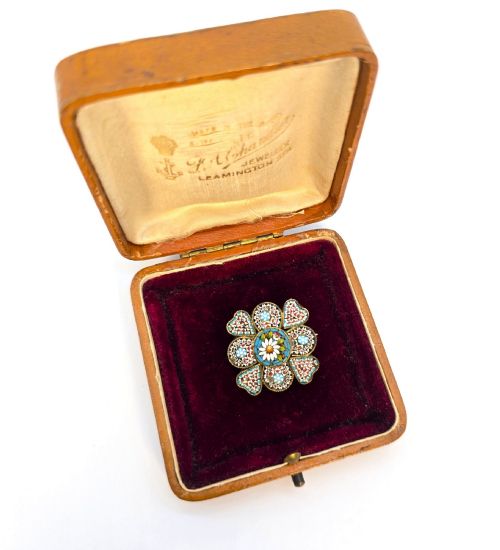
An antique floral pin brooch takes the form of blossoms, sprays, and natural foliage rendered in metal and gemstones. These wearable ornaments span several periods, from the ornate gold work of the nineteenth century through Edwardian lightness and the stylised enamel of the mid-twentieth century.
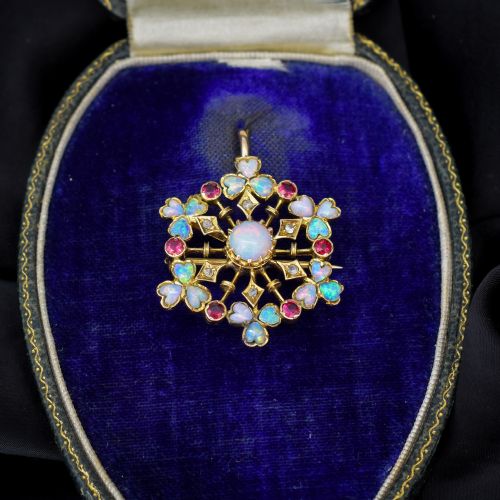
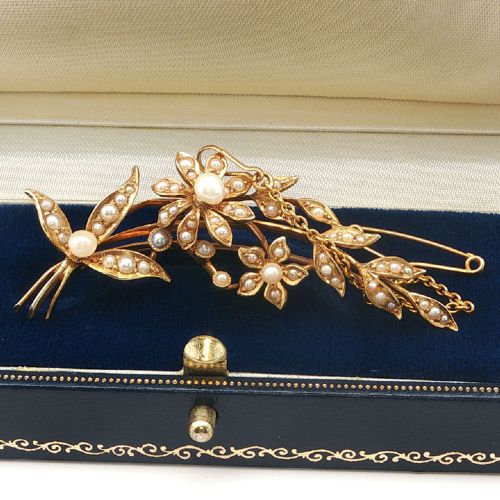
Victorian and Edwardian versions dominate the selection, frequently combining 15ct gold with pearls, turquoise, and diamonds to depict forget-me-nots and flower sprays. Later examples from the 1930s and 1950s introduce platinum settings, colourful pastes, and guilloche enamel work.
Buyers encounter everything from delicate stick pins to substantial diamond-set pendants that double as brooches. The common thread across all eras remains the botanical motif, interpreted through the prevailing decorative taste of its decade of origin.
How they were made
Goldsmiths and silversmiths shaped precious metals using traditional hand-working techniques, casting gold and silver into detailed stems and petals. Many pieces utilise 15ct yellow gold or sterling silver as a stable base for stone settings.
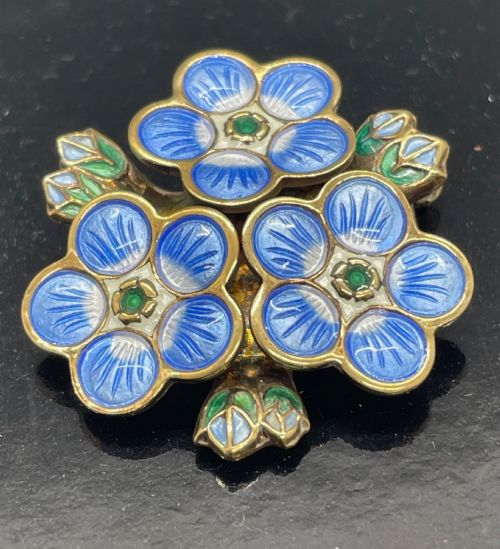
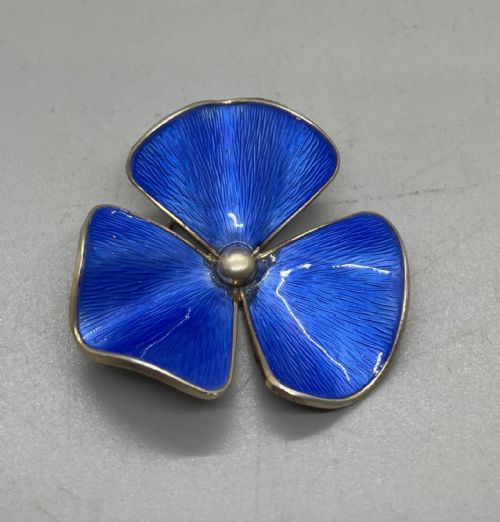
Enamelling techniques, including translucent guilloche and plique-a-jour, add vibrant colour to metal flower heads. Artisans applied glass powders and fired them repeatedly to achieve the shaded hues seen on pansy and leaf brooches.
Gemstones such as diamonds, rubies, aquamarines, and moonstones received hand-cut facets or smooth cabochon polishes to catch the light. Seed pearls and larger pearls were threaded, pegged, or glued into floral clusters.
Some Victorian lovers left little to chance, fastening their sentiments permanently with gold forget-me-not flowers.
What varies in quality
The refinement of the metalwork distinguishes finer examples, visible in the naturalistic carving of gold leaves and the secure flush-setting of small melee diamonds. Lower tiers rely on heavier, unrefined castings with less attention to botanical accuracy.
Enamel condition dictates the desirability of decorated pieces, with intact, undamaged glasswork commanding greater appreciation than items showing chips or historical repairs. The purity and matching of seed pearls or coloured gemstones also elevate the overall standard of a floral jewel.
A H Darby And Son·Georg Jensen
The Antique Floral Pin Brooch Glossary
- Guilloche enamel
- Enamel applied over engine-turned metalwork. This technique creates geometric patterns that show through translucent coloured glass.
- Plique-a-jour
- An enamelling technique resembling miniature stained glass. The enamel has no backing, allowing light to shine directly through the translucent cells.
- Giardinetti
- Little garden in Italian. These antique brooches depict a formal bouquet of flowers contained within a small vase or basket.
- Stick pin
- A long pin topped with a decorative head. It secures cravats, lapels, or hats while displaying the gemstone cluster prominently.
- Cabochon
- A gemstone shaped and polished with a smooth, rounded surface rather than faceted edges. Moonstones and opals frequently take this form.
Antique Floral Pin Brooch: Frequently Asked Questions
How do I date an antique floral pin brooch?
Examination of the metal fineness, fastening mechanism, and overall design style provides the clearest indication of age. Victorian pieces often feature tubular hinges and C-clasps, whilst mid-century items adopt more secure safety catches.
Material choices also help narrow the timeframe, as platinum and specific guilloche enamel techniques gained popularity during the 1920s and 1930s rather than the earlier nineteenth century.
Can these brooches also be worn as pendants?
Many antique floral brooches include integrated hidden loops or folding bails on the reverse. This dual functionality allowed the original owner to pin the jewel to a bodice or suspend it from a chain.
Inspecting the back of the piece reveals whether a small ring or hinged loop was included by the maker for necklace wear.
How should I clean my enamel flower brooch?
Enamel requires gentle handling because glass surfaces scratch easily and harsh chemicals can degrade the metal backing. Warm water and a mild soap applied with a soft cloth will remove everyday dust without harming the piece.
Submerging antique jewellery containing pearls or foiled stones should be avoided, as moisture can weaken old adhesives and backing materials.
What does foil-backed mean on an antique brooch?
Foil-backing involves placing a thin sheet of reflective metal behind a gemstone to enhance its colour and brilliance. This technique was common in earlier Georgian and Victorian jewellery before modern stone-cutting methods became standard.
Care must be taken to keep foiled pieces dry, as liquid seeping behind the stone can permanently discolour the foil.