


Victorian Floor Standing Light
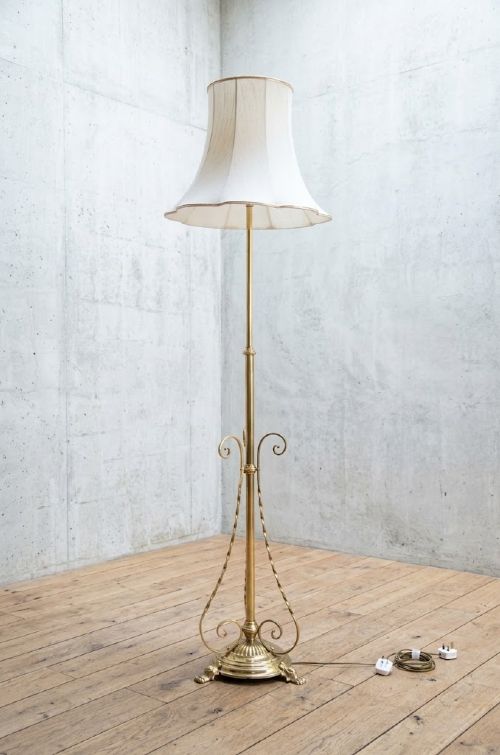
A victorian floor standing light brings stately height and warm illumination to a room, turning practical lighting into a commanding architectural feature.
Victorian Floor Standing Light
A victorian floor standing light encompasses standard lamps, tall candlesticks, and converted oil lamps designed to illuminate large spaces from a fixed vertical position. These tall light fixtures emerged during the nineteenth century to provide adjustable or elevated lighting before and during the transition to electricity.
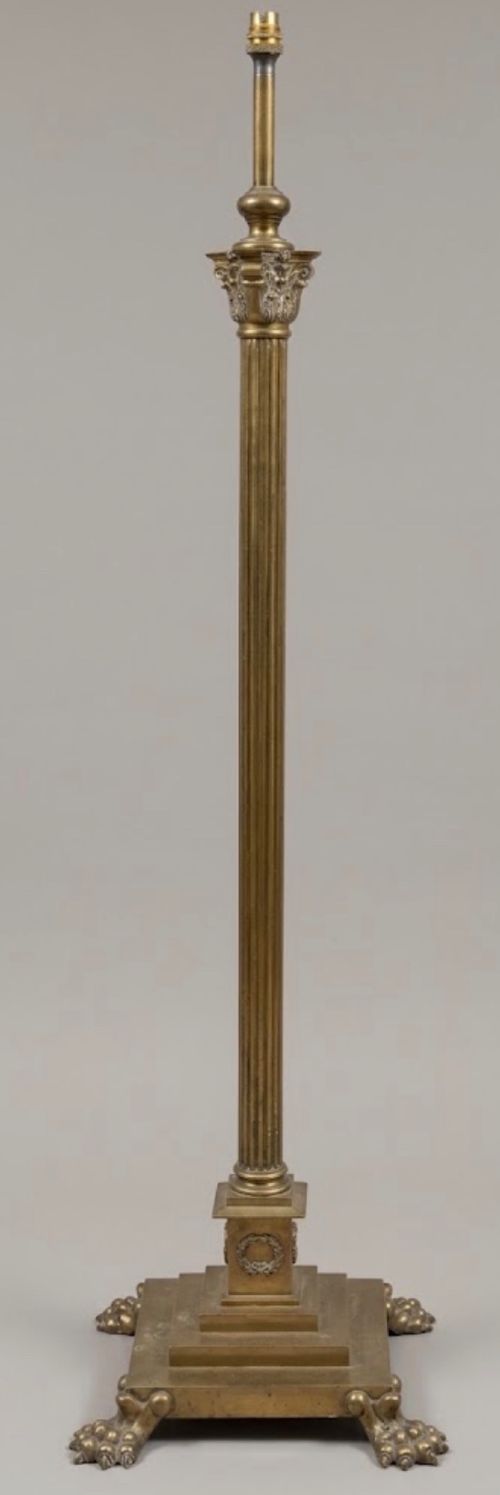
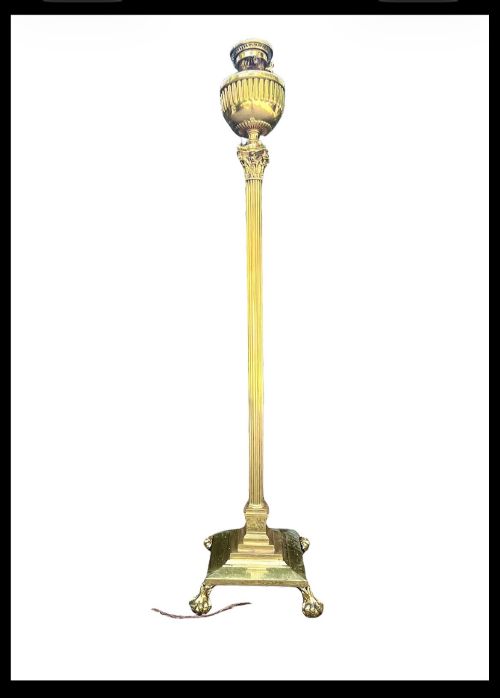
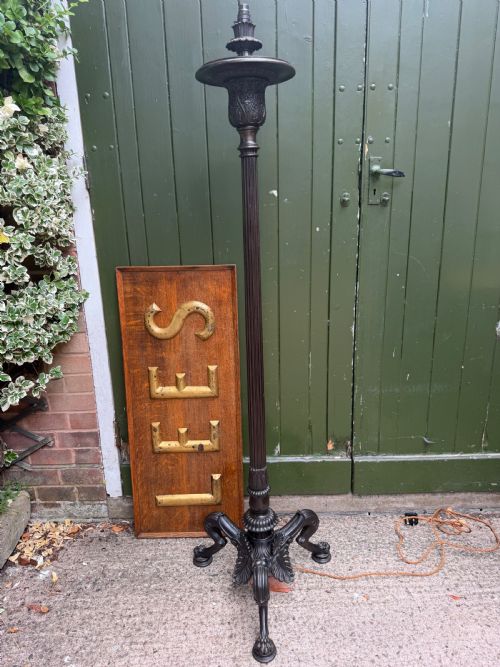
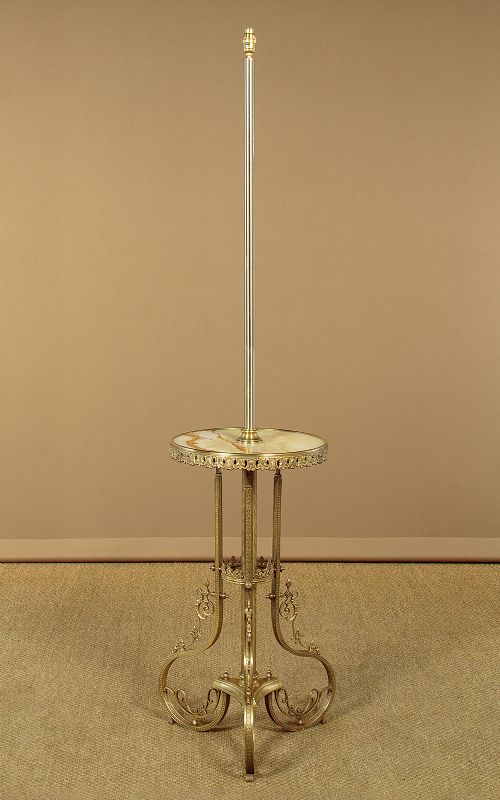
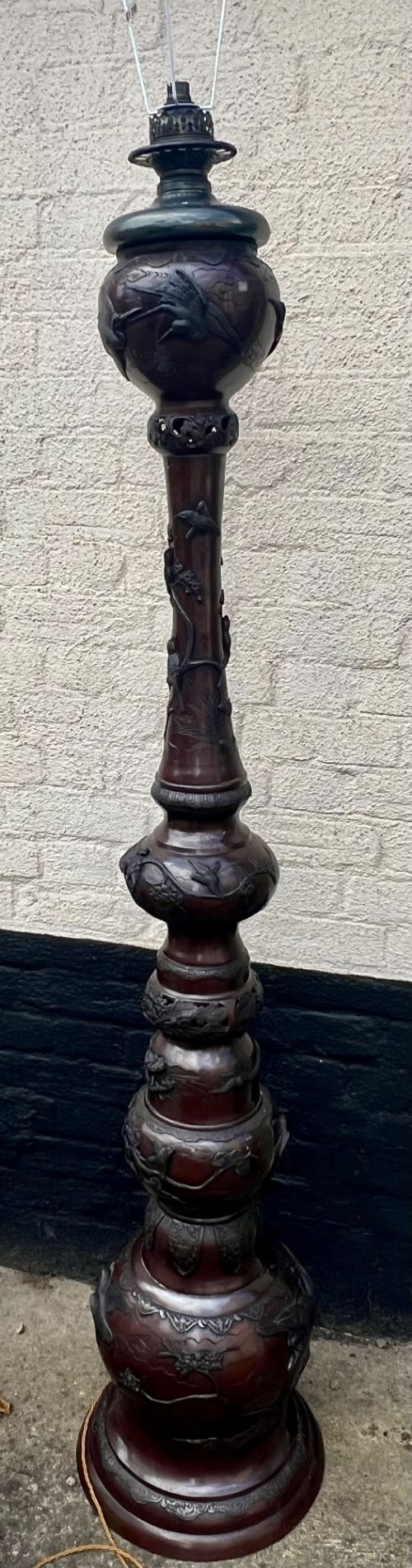
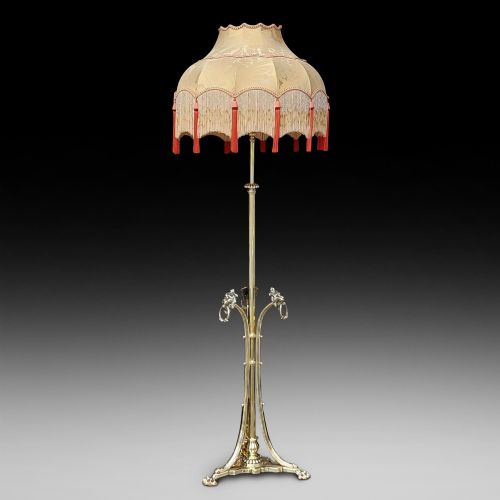
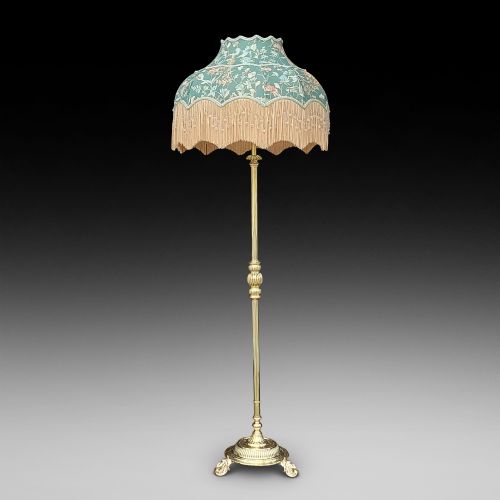
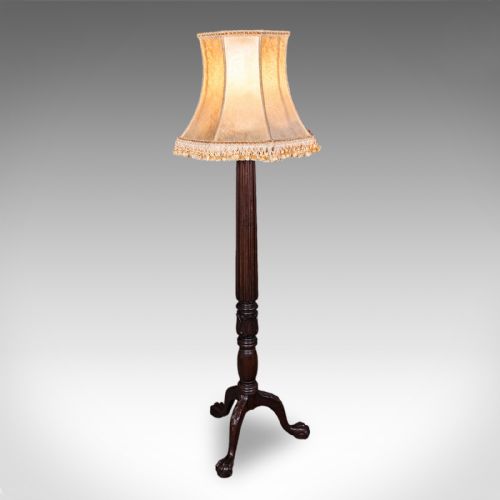
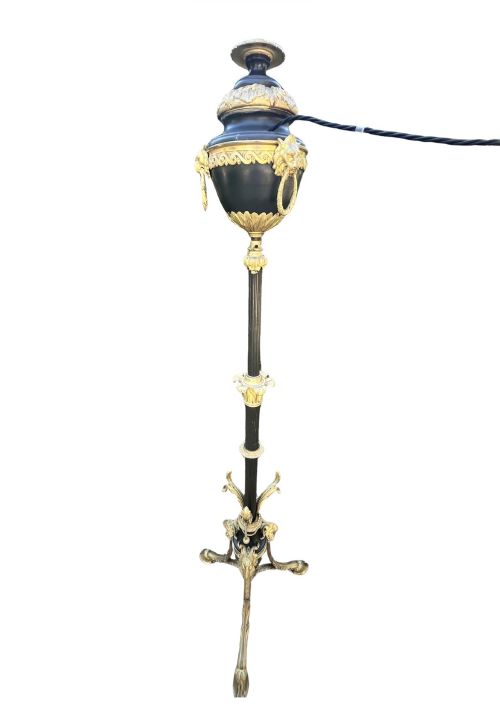
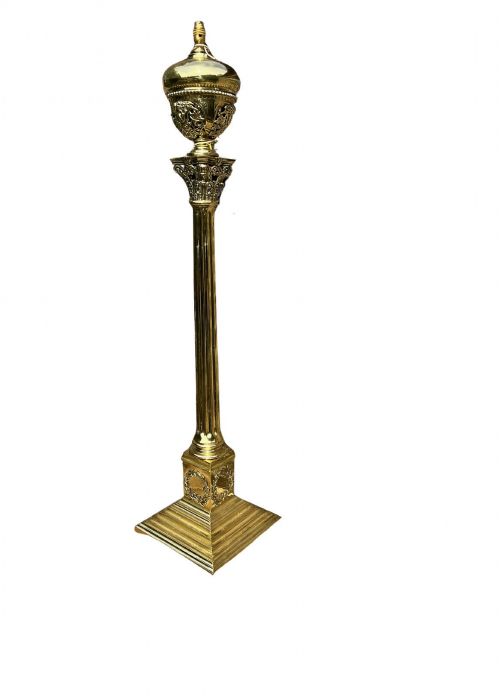
Brass is the material most frequently encountered for a victorian floor standing light, often paired with extending telescopic mechanisms or elaborate cast bases. Examples range from slender Corinthian columns to heavy wrought iron stands and bronze classical designs.
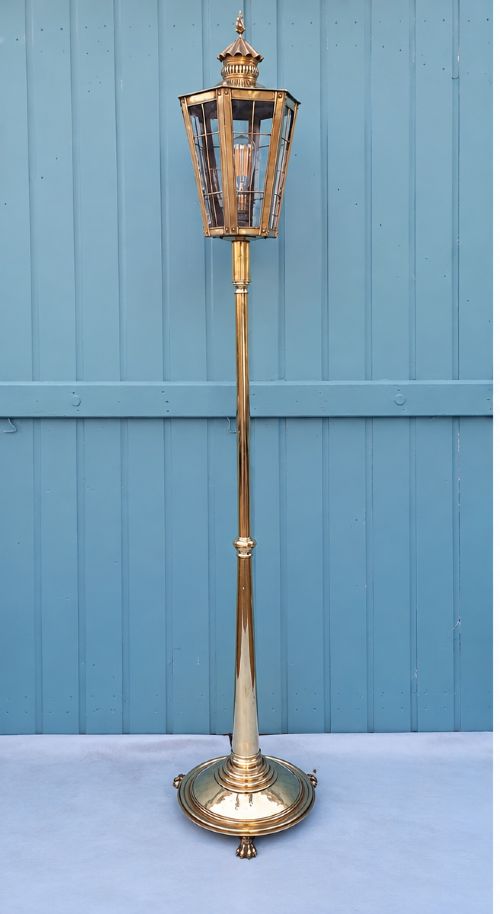
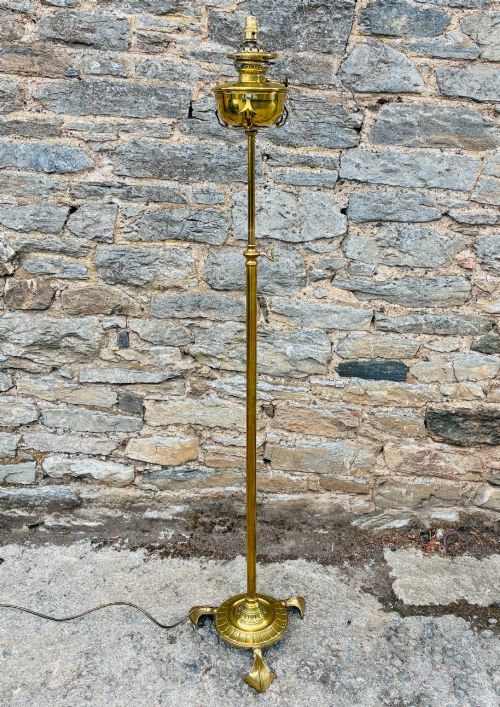
Makers such as Hinks produced notable brass standards that integrated oil fonts later adapted for modern bulbs. Alongside standard lamps, the selection includes church candle holders and lantern stands sharing the same upright proportions.
What varies in quality
The distinction between ordinary and exceptional pieces lies in the crispness of the metal casting and the mechanical precision of the extending shaft. Finer examples display deeply chased acanthus leaves on Corinthian capitals, heavy gauge brass that resists bending, and substantial weighted bases.
Design ambition also divides the range, moving from plain utilitarian columns to elaborate figural standards, combined wine tables, or imported Japanese Meiji bronze work. Maker attribution, such as signed Hinks standards, elevates the stature of a piece significantly.
Victorian Floor Standing Light Retail Price Guide 2026
Typical asking prices for victorian floor standing light among the pieces listed under this phrase on Sellingantiques today, from the lower quarter to the upper quarter. They describe what is for sale here now, not the wider market.
Some tall stands began life holding church candles or Masonic rituals before finding a second career lighting up twentieth-century sitting rooms.
Hinks of B'ham
The Victorian Floor Standing Light Glossary
- Telescopic
- An extending shaft mechanism allowing the height of the lamp standard to be adjusted. This engineering feature enabled users to raise or lower the light source depending on the room layout.
- Standard Lamp
- A floor-standing upright light fixture designed to support a shade and bulb or oil burner. The term is widely used interchangeably with floor lamp in British antique lighting.
- Corinthian Column
- A classical architectural column style featuring ornate acanthus leaf capitals. Makers frequently utilised this form for tall brass floor standards during the nineteenth century.
- Font
- The reservoir container that held oil in nineteenth-century lighting before conversion to electricity. These brass or glass reservoirs often remain visible beneath modern lamp fittings.
Victorian Floor Standing Light: Frequently Asked Questions
How do I convert an oil lamp?
Converting a period oil lamp to electricity typically involves running wiring through the existing central hollow column without altering the exterior metalwork. Specialist electricians can fit modern bulb holders while preserving the original burner mechanism and screw keys.
Retaining the oil font and telescopic parts ensures the piece maintains its historical character. Many examples already underwent this adaptation during the twentieth century.
Where should I place a standard lamp?
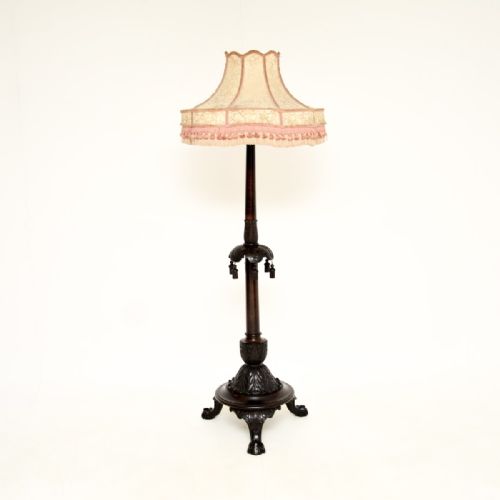
These tall upright fixtures suit corners, beside reading armchairs, or framing fireplaces where their vertical presence adds architectural weight. Their height allows them to cast light downward over a wide radius.
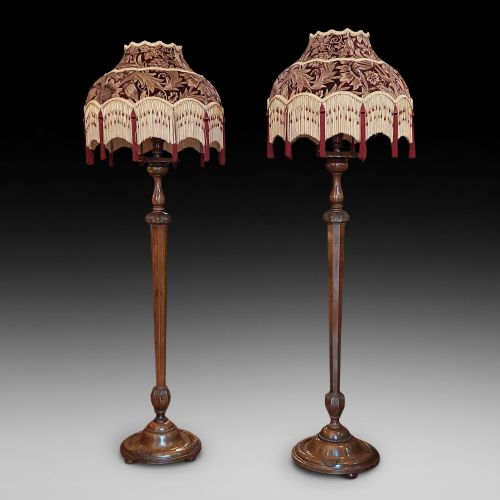
Ensure the heavy base rests on stable flooring, particularly with extending models set to maximum height. Pairing the stand with an appropriately proportioned fabric shade balances the overall silhouette.
How do I date brass floor lamps?
Dating relies on manufacturing techniques, base weights, and stylistic indicators such as Gothic Revival motifs or Art Nouveau openwork. Telescopic mechanisms and patent stamps from known firms like Hinks provide reliable chronological markers.
Nineteenth-century examples frequently employ heavy cast brass components and hand-finished detailing that differ from twentieth-century mass production. Examining the construction of the base and collar offers further clues to the period.
Can I adjust the height on all models?
Not all tall lights feature adjustable shafts, as many solid columns and church candle holders were manufactured fixed in height. Telescopic versions incorporate a thumbscrew or collar mechanism designed to slide and lock the upper stem in place.
When handling an extending standard, support the upper section firmly to prevent sudden drops. Checking the inner brass tubing reveals whether the mechanism was built for movement.