


Traditional Wooden Standard Lamp
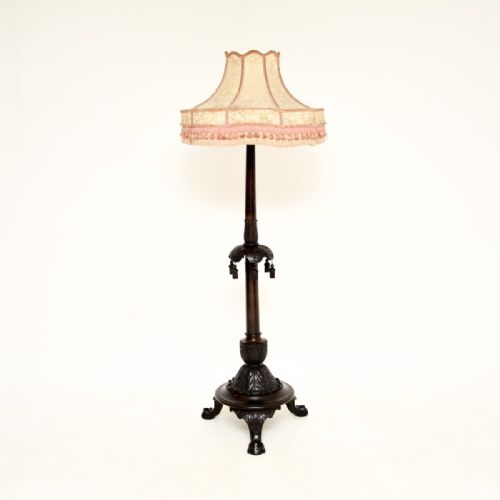
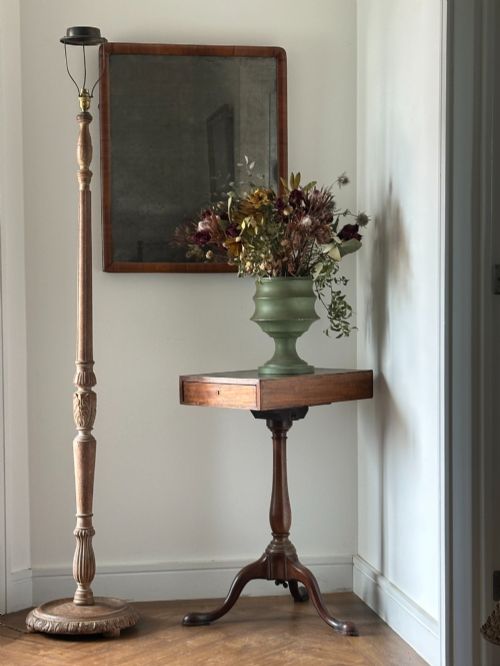
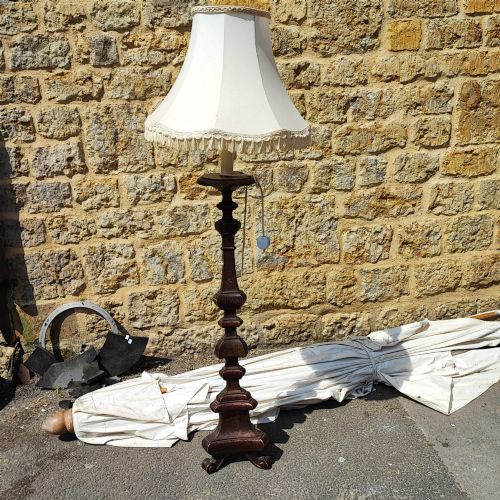
A traditional wooden standard lamp anchors a room with height and warmth, offering upright lighting formed from decades of timber and turning.
Traditional Wooden Standard Lamp
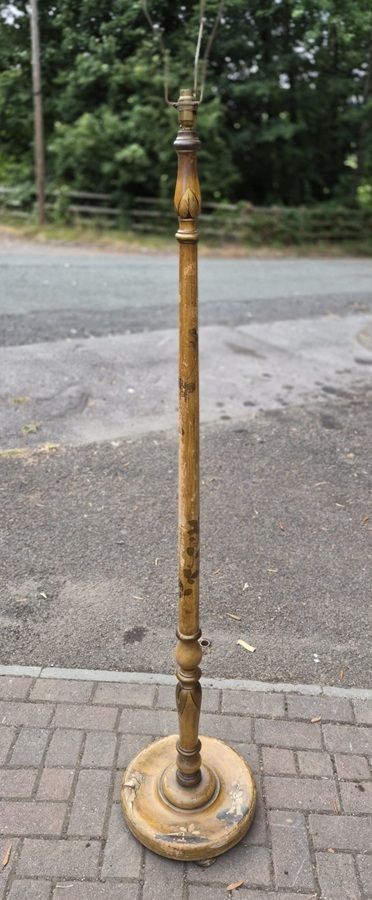
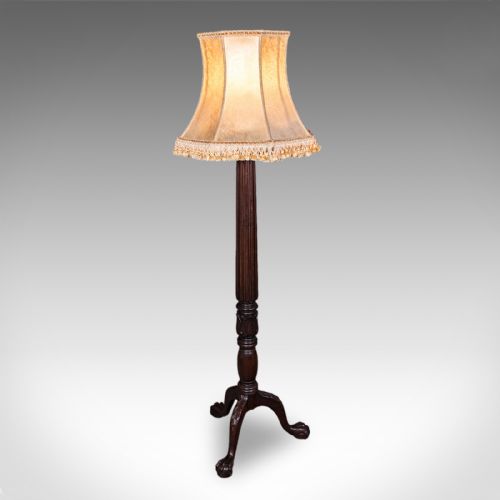
When you search for a traditional wooden standard lamp, you find upright floor illumination constructed primarily from timbers such as mahogany, oak, walnut, beech, and padauk. These pieces lift light sources away from furniture, standing tall beside armchairs or in corners to distribute illumination across a space.
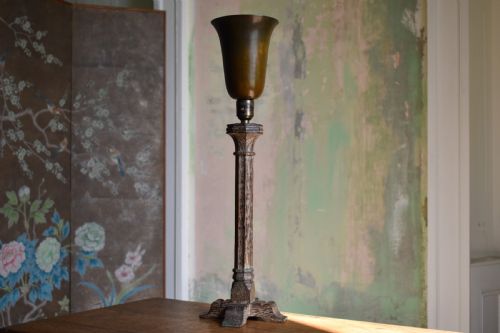
The selections span eras from the Victorian period through the Edwardian years into the 1920s, 1930s, and 1940s, alongside revivals like William IV and Regency styles. Forms range from carved oak columns and turned beech shafts to slender Chinoiserie and cottage styles.
Makers and workshops of the early twentieth century, alongside regional English and continental cabinetmakers, produced these tall supports with varying decorative treatments including parcel gilt, limed finishes, and carved detailing. They function as both lighting fixtures and architectural vertical elements within period rooms.
How they were made
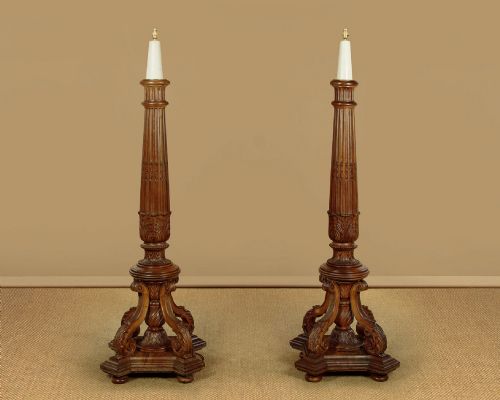
Craftsmen built these lamps using solid hardwoods such as mahogany, oak, and walnut, frequently shaping the central shafts on lathes to create turned profiles and stepped tiers. Carving was often executed by hand along the stems or bases, adding floral or foliate motifs.
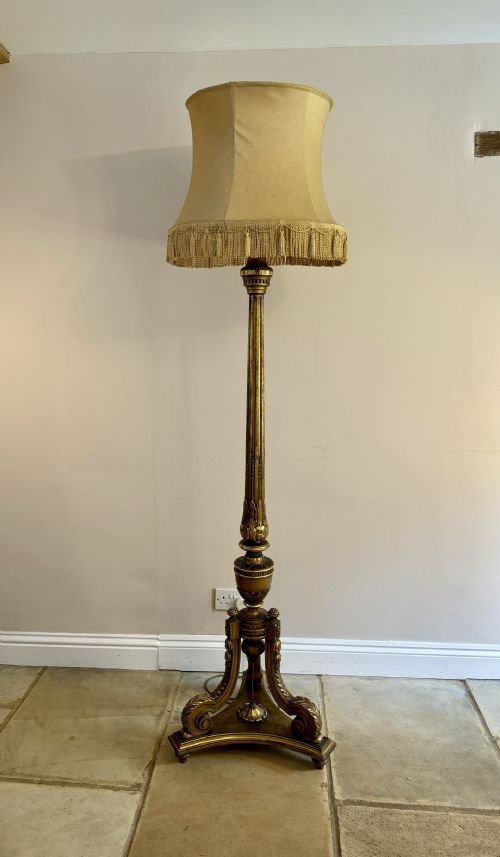
Surface treatments included wax polishing, liming, and parcel gilding over gesso, while some examples incorporated brass fittings and extending mechanisms to adjust height. Timber sections were joined securely to ensure stability at height, supporting heavy fabric shades above.
What varies in quality
Quality rests in the selection of the timber, the crispness of any hand-carved detail, and the stability of the turned shaft. Heavy, well-balanced bases prevent tipping, separating superior heavy hardwood pieces from lighter, less stable alternatives.
Refined surface finishes, such as original liming, fine parcel gilding, or deep polished patination, distinguish workshop-made pieces from standard utility lighting. The integration of brass switchwork and proportioned stepped bases further elevates the standing of an individual lamp.
Heals and Sons·Whytock and Reid
The Traditional Wooden Standard Lamp Glossary
- Standard lamp
- A tall floor-standing lamp designed to illuminate a room from standing height rather than resting on a table.
- Parcel gilt
- Woodwork partially decorated with gold leaf or gilt paint, highlighting carved details against the natural timber background.
- Limed oak
- Timber treated with a specialised finish that leaves a white pigment in the grain, popular during the interwar decades.
- Turned beech
- Wood shaped on a lathe using beech timber, known for its dense and even grain suitable for slender shafts.
- Chinoiserie
- European decorative style reflecting Chinese artistic motifs, appearing on painted or lacquered lamp bodies.
Traditional Wooden Standard Lamp: Frequently Asked Questions
How do I place a standard lamp in a room?
Position the lamp beside an armchair or in a dark corner where vertical height and ambient light improve the balance of the space. Ensure the flex reaches a wall socket safely without stretching across main walking routes.
Pair the timber finish with nearby furniture tones, letting the carved column complement existing historical or vernacular interior details.
What shade suits a wooden floor lamp?
Fabric shades in neutral or pleated textures allow the wooden column and carved details to remain the visual focus of the piece. Proportion the shade width to match the heavy base so the silhouette stays stable and visually balanced.
Ensure the internal fittings accommodate modern bulb safely while preserving the original brass bulb holders where present.
How do I date an antique standard lamp?
Examine the timber species, turning style, and surface finish, comparing them against Edwardian, Victorian, or interwar design characteristics. Oak and mahogany point toward earlier Victorian and Edwardian periods, while limed finishes indicate 1920s or 1930s production.
Check the wiring compartments and base construction methods for signs of period manufacturing techniques rather than modern reproductions.
Are these lamps heavy enough to stay upright?
Solid hardwood construction and weighted interior bases provide the necessary gravity to keep tall shafts steady on carpeted or wooden floors. Heavier timber species like oak and walnut naturally resist tipping under the weight of large fabric shades.
Inspect the joinery where the vertical shaft meets the foot to ensure the structure has remained rigid over decades of use.