



Antique Mahogany Light Standard
An antique mahogany light standard brings warm, directed illumination and rich timber grain to a corner of a traditional room.
Antique Mahogany Light Standard
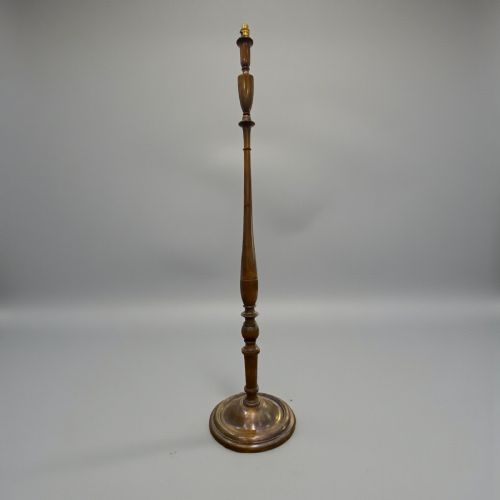
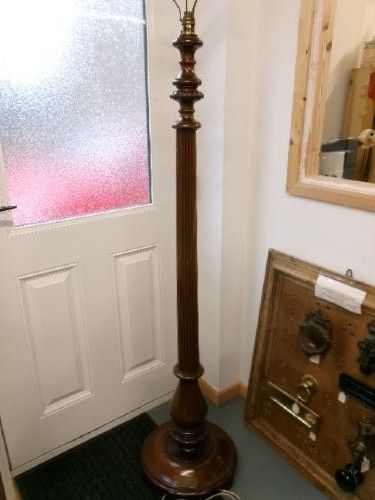
An antique mahogany light standard is a tall floor-standing lamp designed to support lighting at an elevated level. When you search for an antique mahogany light standard, you encounter upright wooden shafts constructed from dense, dark timber.
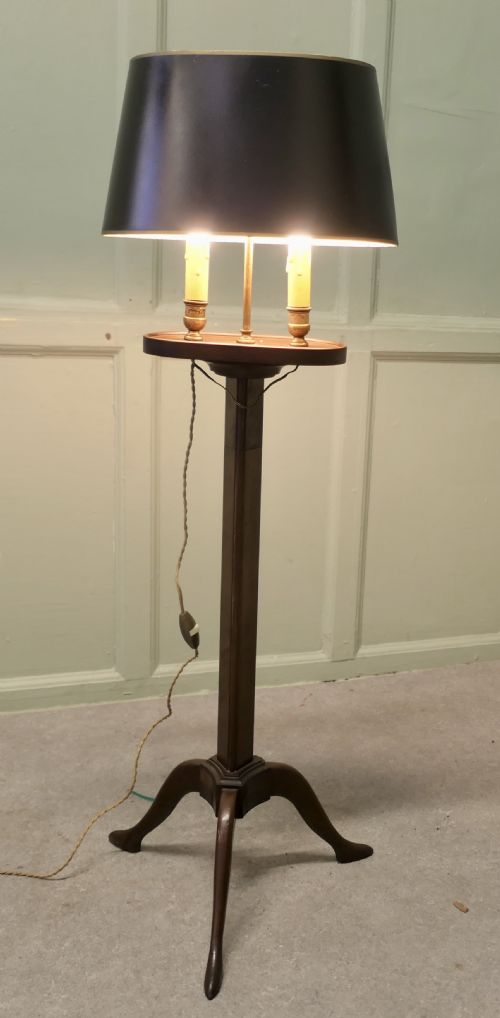
The selection ranges across several eras, featuring Victorian, Georgian, and Edwardian specimens alongside later revivals from the 1920s and 1930s. Common configurations include straightforward turned pillars, carved columns, and more complex forms incorporating tiers or small tables.
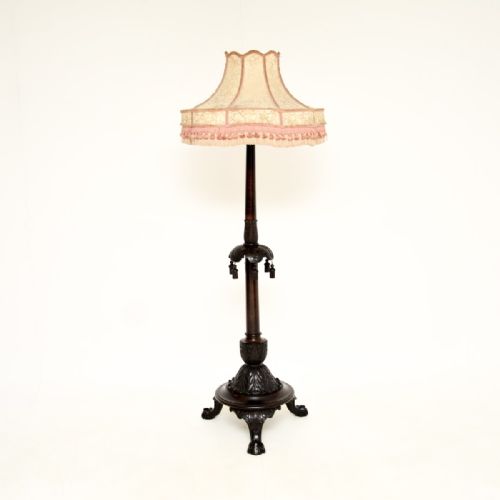
Many examples utilise secondary materials such as brass, gilt brass, and fabric shades to complement the timber structure. Some pieces represent conversions from earlier items, including pole screens and standard lamps adapted for modern electrical use.
How they were made
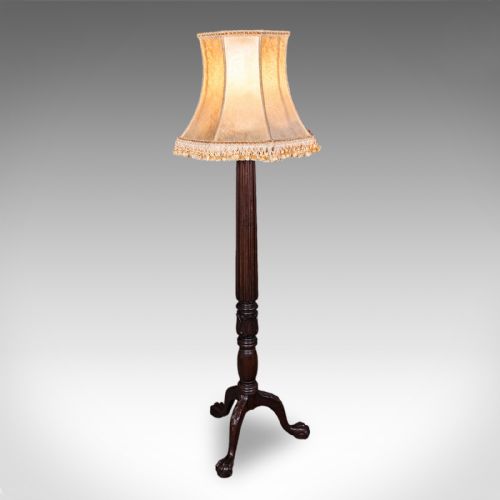
Makers shaped the primary structural components from solid mahogany, employing turning lathes and hand-carving techniques to create fluted shafts and decorative bases. Timber selection ensured sufficient weight at the base to maintain stability for the tall upright form.
Metal components in brass and gilt brass were integrated for adjustable mechanisms, fittings, and decorative accents. Fabric and glass elements completed the construction, providing shades or diffusers to temper the light source.
Antique Mahogany Light Standard Retail Price Guide 2026
Typical asking prices for mahogany light standard among the pieces listed under this phrase on Sellingantiques today, from the lower quarter to the upper quarter. They describe what is for sale here now, not the wider market.
What varies in quality
The degree of hand-carving detail on the timber shaft and base distinguishes standard production pieces from finer examples. Crisp execution of fluting, mouldings, and applied ornaments demonstrates greater artisanal skill.
The integration of secondary metals such as heavy cast brass fittings and robust base weighting affects the overall durability and balance of the standard. Original configurations and thoughtful adaptations maintain higher integrity than hurried modern alterations.
The Antique Mahogany Light Standard Glossary
- Light standard
- A tall floor lamp designed to hold a light source above furniture height. This term appears interchangeably with floor lamp in older records.
- Pole screen
- An adjustable panel mounted on a vertical pole, originally used to shield a face from fireplace heat. Converted examples adapt the central rod to support a lamp.
- Canterbury
- A low stand featuring partitions for sheet music or books, occasionally combined with a lamp standard. This multi-functional piece integrates storage with illumination.
- Regency revival
- A stylistic movement looking back to the early nineteenth century for design cues. Pieces from this tradition draw upon classical motifs and elegant proportions.
Antique Mahogany Light Standard: Frequently Asked Questions
How were these floor lamps used?
These lamps provided ambient or task lighting in sitting rooms, libraries, and parlours before overhead ceiling fixtures became common. Their height allowed light to spread across seating areas.
Some specialised versions incorporated small tables, magazine racks, or adjustable candle mechanisms. This multi-use functionality served households needing versatile furniture in compact spaces.
How do I live with a light standard?
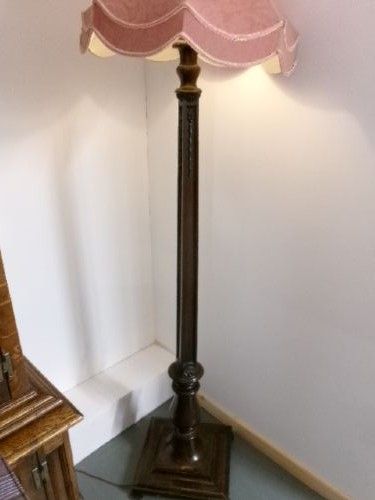
Placing a floor lamp in a corner or beside a reading chair creates a balanced pool of light without dominating the floor plan. The warm mahogany tones harmonise easily with other dark wood furniture.
Ensure the floor surface is level to keep the tall wooden shaft stable. Modern placement often involves pairing the timber base with a fabric shade that suits contemporary interiors.
How do I tell the periods apart?
Victorian and Georgian examples often display deeper patination and traditional hand-carved motifs like acanthus leaves or fluting. Later Edwardian and 1920s pieces can feature simpler turned profiles or revival styling.
Details such as the weight of the brass fittings, the method of timber joining, and the presence of converted elements like pole screens help pinpoint the era of manufacture.