

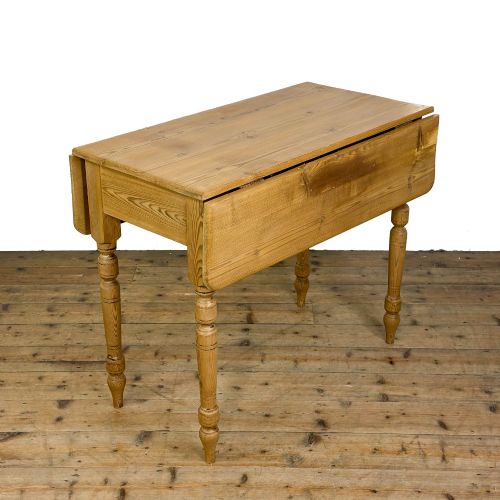


Victorian Flap Dining Table
A victorian flap dining table offers a clever folding surface, bringing flexible timber construction into nineteenth-century domestic spaces.
Victorian Flap Dining Table
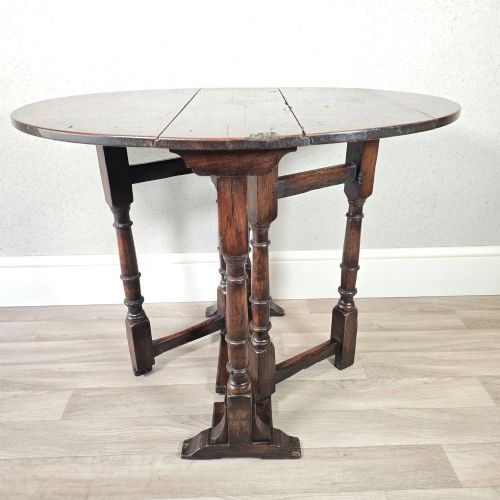
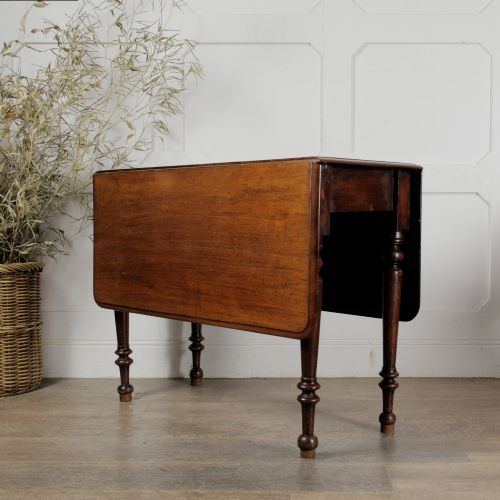
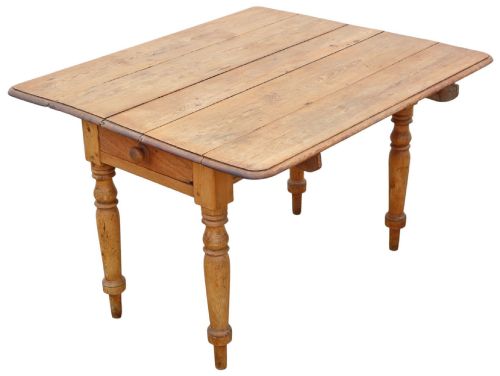
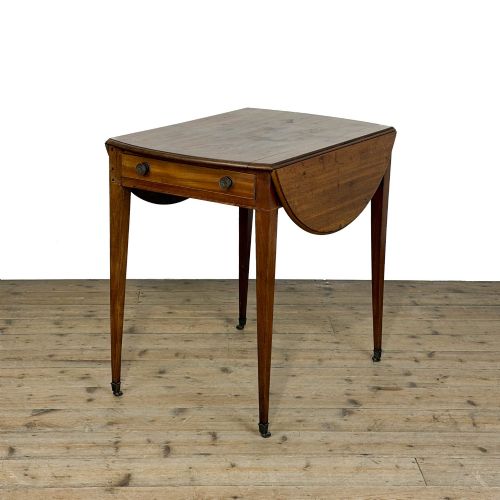
A victorian flap dining table comprises folding timber leaves supported by swinging legs or brackets, designed to expand surface area when needed. These pieces take the form of gateleg tables, pembroke tables, and drop-leaf tables originating from the nineteenth century. Buyers on this page regularly encounter mahogany, pine, and elm examples suited to cottage diners and country kitchens.
The selection ranges from rustic kitchen furniture to formal mahogany and burr walnut dining pieces. Makers constructed these items during the Victorian period, incorporating drawers and drop leaves into domestic seating arrangements. Such tables manage space efficiently by folding down against walls when meals conclude.
How they were made
Cabinetmakers utilised solid mahogany, burr walnut, pine, elm, and hardwood for these folding dining surfaces. Carpenters joined structural elements using traditional woodworking joints, incorporating brass and iron fittings for drop leaf hinges and drawer mechanics.
Surfaces received finishes including paint and polished timber treatments to highlight natural grain patterns. Workshops built structural stability into gateleg and drop-leaf configurations to support everyday dining demands.
Victorian Flap Dining Table Retail Price Guide 2026
Typical asking prices for victorian flap dining table among the pieces listed under this phrase on Sellingantiques today, from the lower quarter to the upper quarter. They describe what is for sale here now, not the wider market.
Available forms span Pembroke tables, gateleg tables, and large drop-leaf dining tables.
What varies in quality
Material selection dictates the standing of a piece, separating utilitarian pine kitchen tables from finely figured mahogany and burr walnut dining furniture. The choice of timber grain, the precision of drop-leaf joints, and the integration of functional drawers define construction standards.
Proportion and scale separate modest cottage items from large nineteenth-century dining tables. The integrity of the folding mechanism and the retention of original brass or iron hardware determine the overall character of the piece.
The Victorian Flap Dining Table Glossary
- Drop leaf table
- A table with a fixed centre section and hinged flaps that fold down to save floor space. These flaps are supported by hinged legs or swinging brackets when raised for dining.
- Pembroke table
- A small rectangular table featuring two hinged drop leaves on opposing sides and frequently containing one or more small drawers. The design originated in the eighteenth century and remained popular throughout the Victorian era.
- Gateleg table
- A table with hinged leaves supported by legs that swing outward like a gate to hold the leaves in place. This construction provides robust support beneath folding surfaces.
- Sutherland table
- A narrow drop-leaf table with exceptionally slim leaves that hang down almost vertically when folded. These pieces often feature an oval top when fully extended.
- Burr walnut
- A highly prized timber veneer showing swirling growth patterns harvested from walnut trees. Cabinetmakers utilised this material on decorative surfaces to create striking visual textures.
Victorian Flap Dining Table: Frequently Asked Questions
How do drop leaves function?
Drop leaves operate via hinged joints attached to a fixed centre top. Swing legs or pivoting brackets move outward to support the raised flaps.
When not in use, the leaves hang downward to reduce the footprint of the furniture.
What woods were commonly used?
Carpenters utilised mahogany, pine, elm, and burr walnut for these nineteenth-century designs. Hardwood was selected for structural durability.
Secondary timbers like pine appeared in functional kitchen furniture intended for daily utility.
Where were these tables placed?
Nineteenth-century households placed these adaptable tables in kitchens, breakfast rooms, and smaller dining cottages. Their folding leaves allowed rooms to serve multiple functions throughout the day.
Owners pushed them against walls when space was required for other domestic activities.