



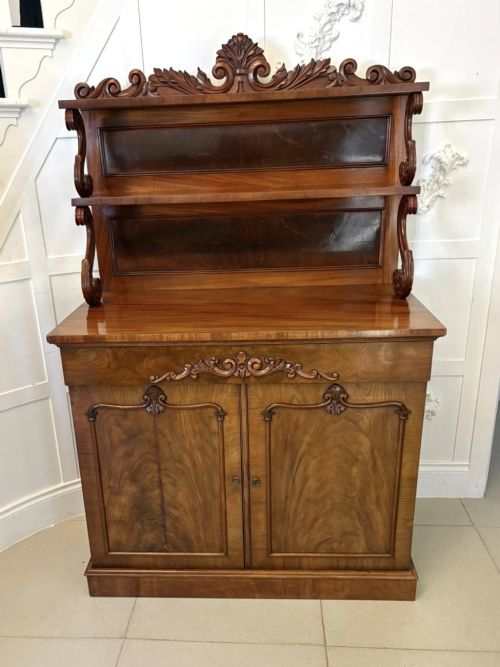
Victorian Flame Mahogany
Victorian flame mahogany brings rich, natural grain patterns and deep red tones to substantial nineteenth-century furniture.
Victorian Flame Mahogany
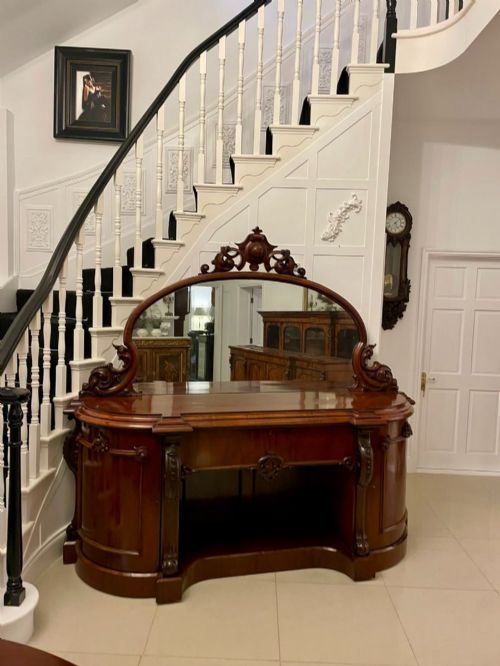
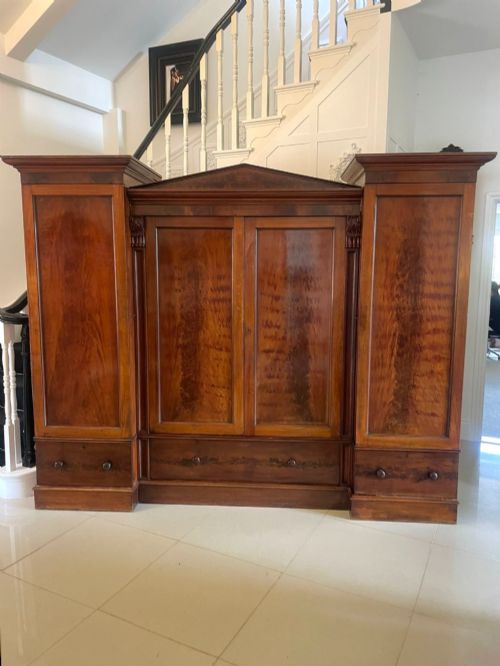
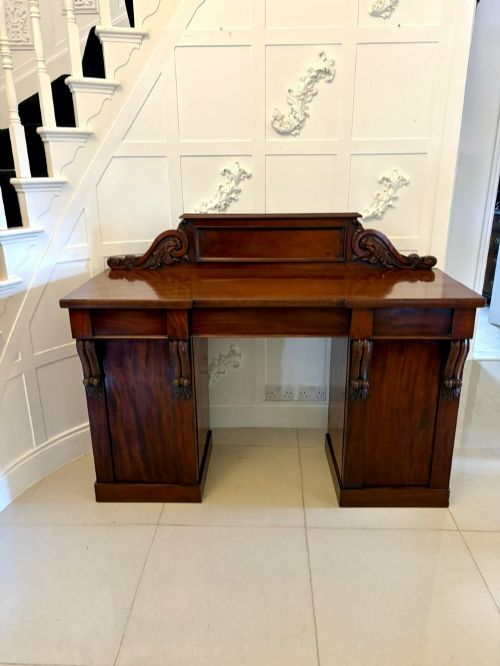
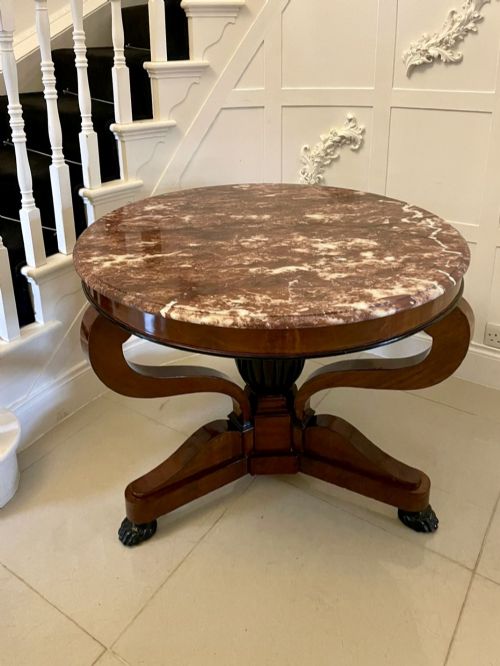
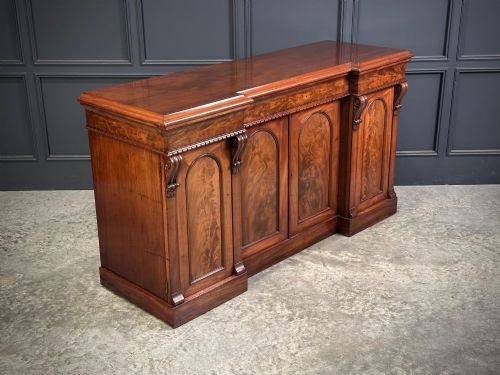
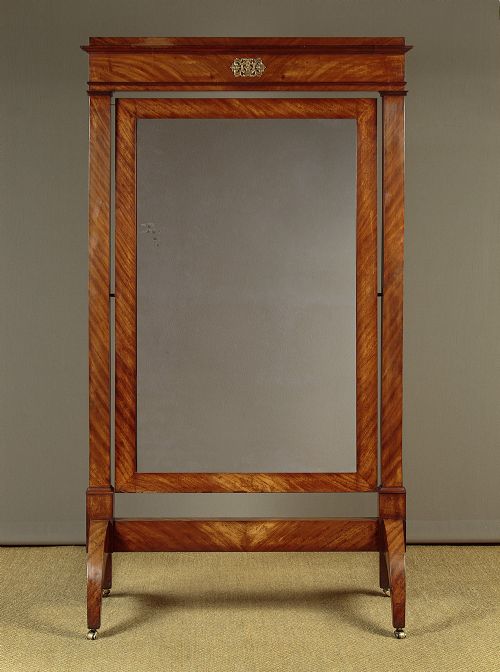
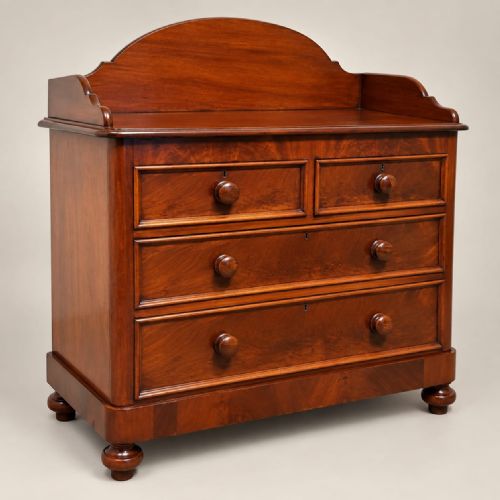
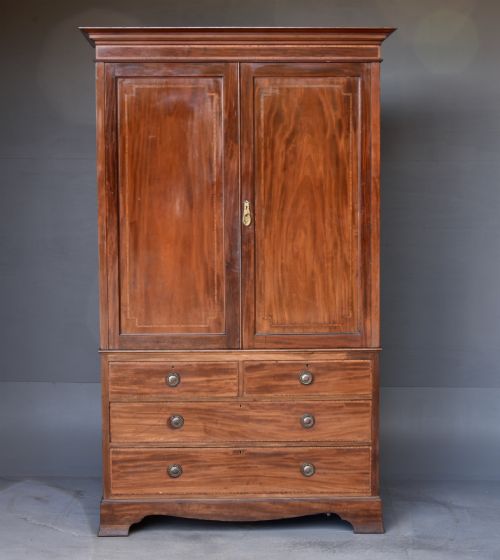
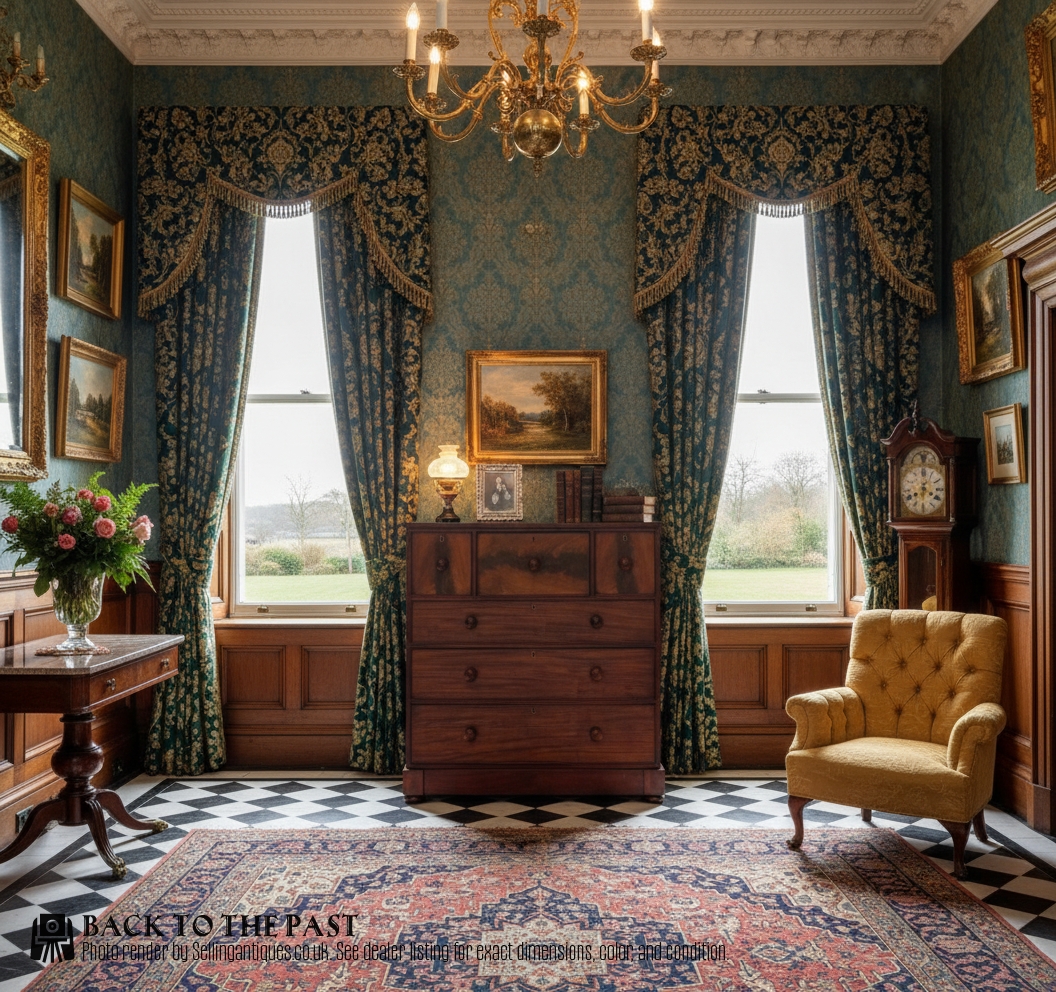
Victorian flame mahogany encompasses large case furniture, dining tables, and seating created during the nineteenth century. Buyers searching for victorian flame mahogany typically encounter chests of drawers, sideboards, and wardrobes displaying dramatic wood figures.
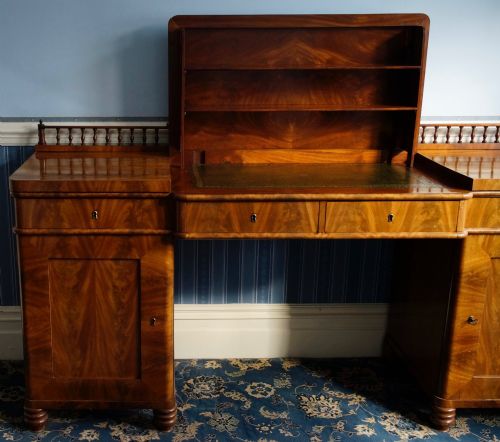
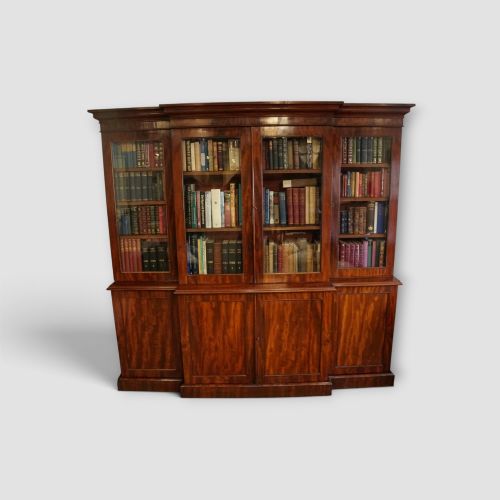
The material appears across varied domestic forms including chiffoniers, bookcases, and centre tables. These pieces originated in periods spanning from the early nineteenth century through to the Edwardian era, with distinct Victorian craftsmanship predominating.
Chests of drawers and sideboards demonstrate the most prevalent uses of the veneer. Workshops utilised the distinctive grain to create striking visual focal points on drawer fronts and cabinet doors.
Materials and Construction
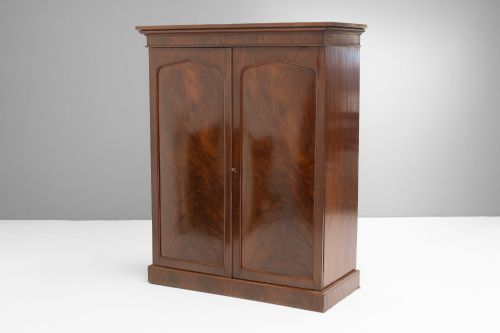
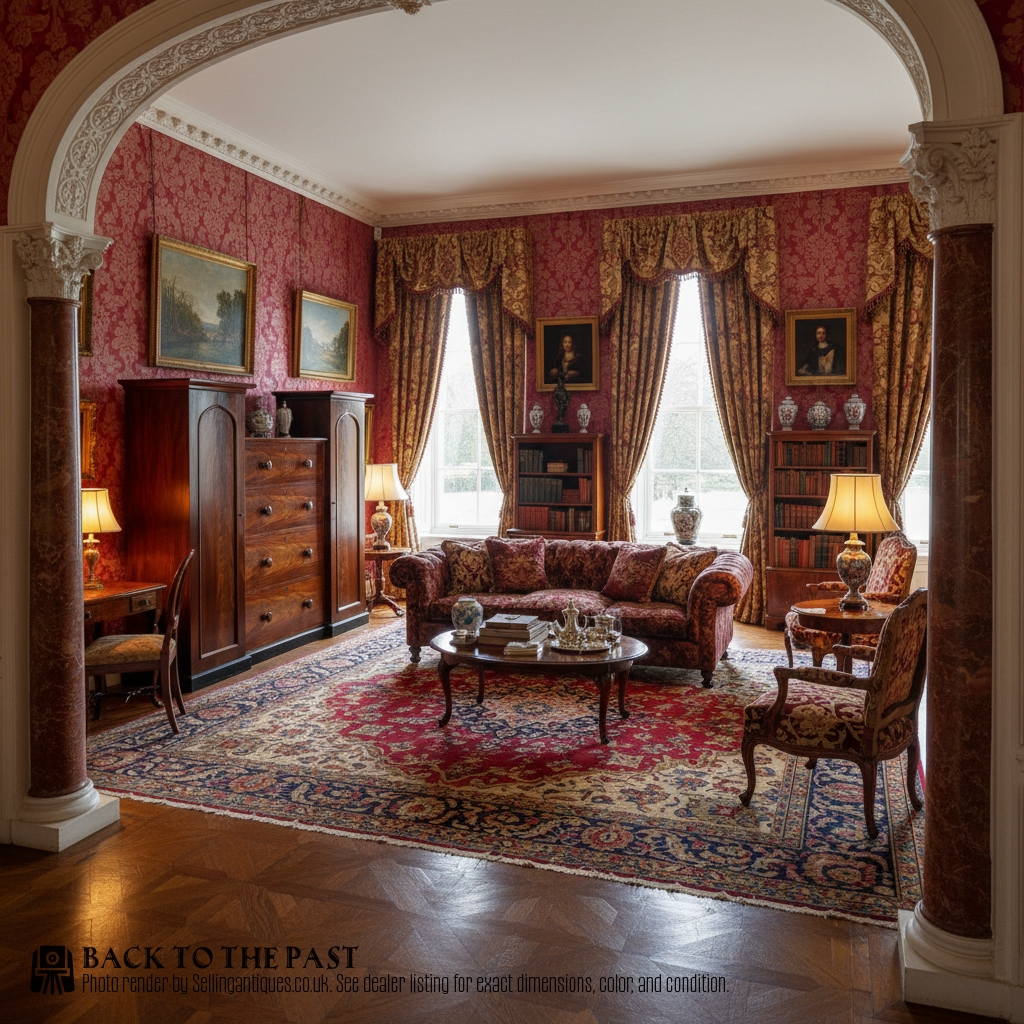
Cabinet makers applied thin slices of flame mahogany veneer over secondary woods such as oak or pine. This technique allowed workshops to display symmetrical grain patterns derived from the fork of the mahogany tree.
Secondary structural elements incorporated solid mahogany, oak, and ash for drawer linings and internal framing. Brass fittings, glass panels, and leather inserts completed utilitarian surfaces on desks and cabinets.
Victorian Flame Mahogany Retail Price Guide 2026
Typical asking prices for victorian flame mahogany among the pieces listed under this phrase on Sellingantiques today, from the lower quarter to the upper quarter. They describe what is for sale here now, not the wider market.
Some nineteenth-century chests feature hidden top drawers designed to safeguard valuables from prying eyes during breakfast.
Gradations in Quality
Quality depends upon the symmetry and boldness of the grain selection across large surfaces. Superior examples display carefully matched veneer panels that create balanced, mirror-image patterns.
Construction standards separate standard production from master workshop output. Robust secondary timbers, original brass hardware, and precise dovetailing distinguish the finest nineteenth-century pieces.
maples & co·Gillows
The Victorian Flame Mahogany Glossary
- Flame Mahogany
- A wood veneer cut from the point where branches join the main trunk, producing a distinctive fire-like ripple pattern. This timber defines the visual character of high-status nineteenth-century furniture.
- Chiffonier
- A compact sideboard featuring enclosed shelving beneath, often surmounted by a raised superstructure with a mirror or shelf. These pieces served dining rooms and parlours for storing tableware.
- Compactum
- A large, highly organised wardrobe designed to incorporate multiple internal compartments, drawers, and hanging spaces. They represent advanced nineteenth-century domestic storage engineering.
- Breakfront
- A cabinet design where the central section projects forward from the flanking wings. This architectural arrangement creates depth and shadow across large bookcases and sideboards.
- Biedermier
- A Central European style characterised by utilitarian comfort and clean lines, utilising native woods and striking veneers. Pieces from this tradition occasionally appear alongside British Victorian furniture.
Victorian Flame Mahogany: Frequently Asked Questions
How do I clean flame mahogany veneer?
Dust surfaces regularly with a soft, dry cloth to prevent particulate buildup on the polished finish. Avoid modern chemical sprays and moisture, utilising traditional beeswax sparingly to maintain the natural lustre.
Inspect the environment for excessive humidity or direct sunlight, both of which damage fragile veneers over time. Stable indoor temperatures preserve the structural integrity of the underlying timber.
Are these pieces suitable for modern homes?
Large nineteenth-century furniture provides substantial storage capacity while serving as a striking focal point in contemporary rooms. Chests of drawers and wardrobes easily adapt to modern bedrooms and living spaces.
Careful placement away from heat sources protects the polished timber and delicate veneer work. Combining antique case pieces with neutral modern interiors highlights their rich natural grain.
How do I identify a Victorian piece?
Examine construction methods such as hand-cut dovetails on drawer construction and the choice of secondary timbers like oak. These technical markers help distinguish nineteenth-century manufacturing from later reproductions.
Stylistic cues including turned legs, brass handles, and specific proportions align with Victorian design periods. Documentation or signatures from makers provide further confirmation of age and origin.
What is a scotch chest of drawers?
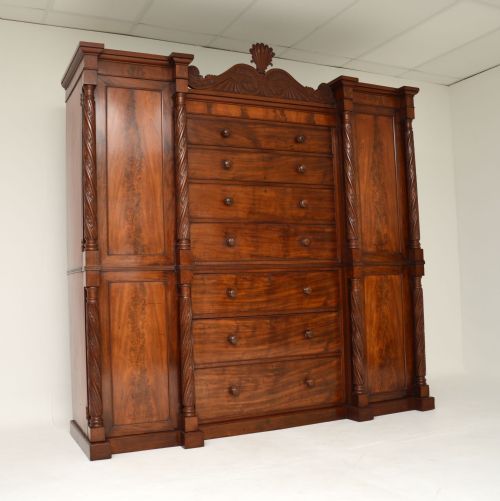
A Scotch chest is a tall, wide nineteenth-century drawer configuration often featuring a deep top drawer concealing smaller compartments. These imposing pieces utilised bold flame mahogany veneers to accentuate their scale.
Such chests originated in Scotland and typically display heavy proportions alongside finely turned wooden handles. They offer significant storage capacity while showcasing dramatic timber grain.