
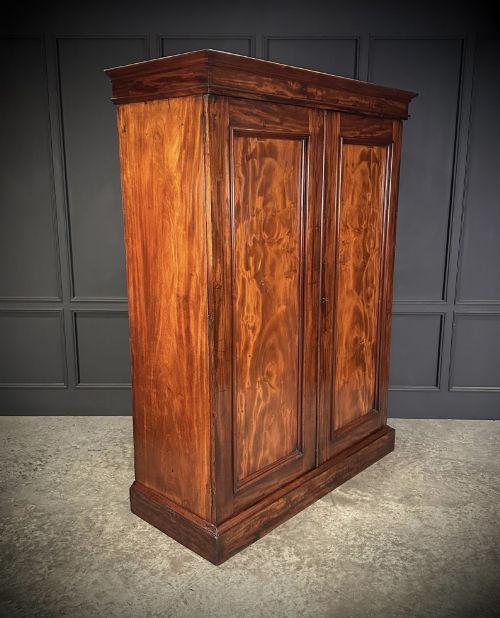
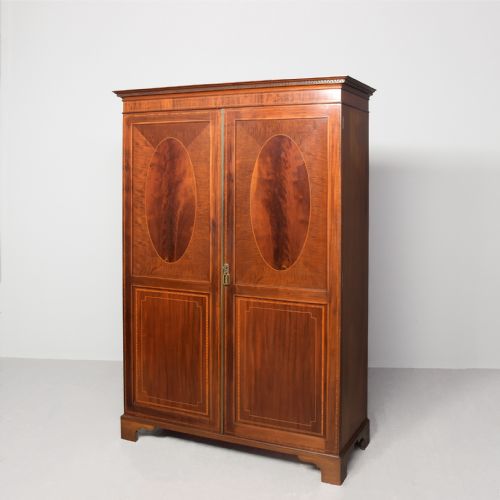
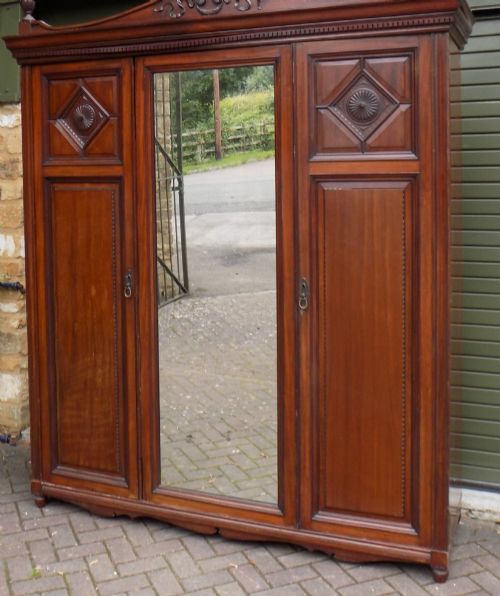

Traditional Clothes Press
Traditional clothes press designs offer solid timber storage rooted in Georgian and Victorian rooms, built to organise linens and garments with deep shelving and hanging space.
Traditional Clothes Press
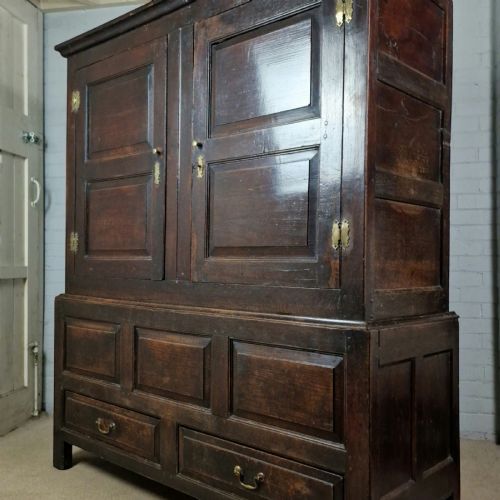
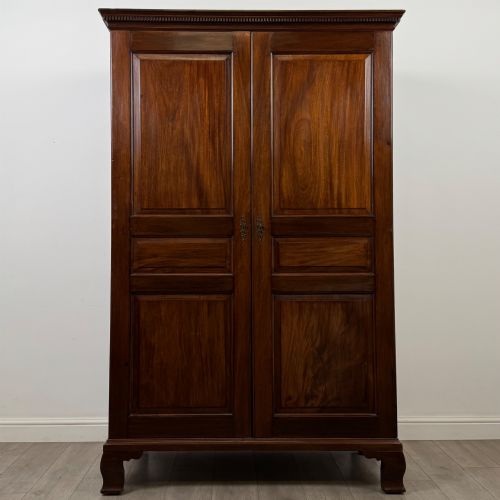
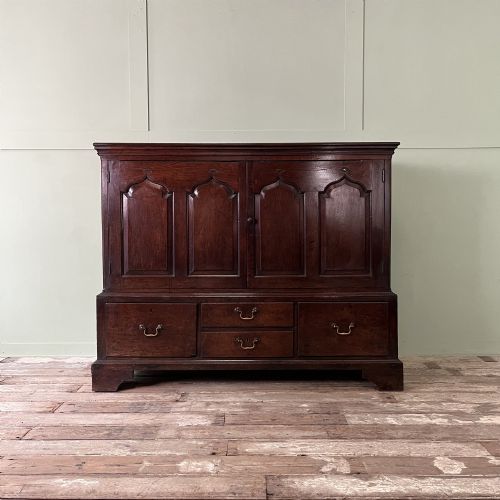
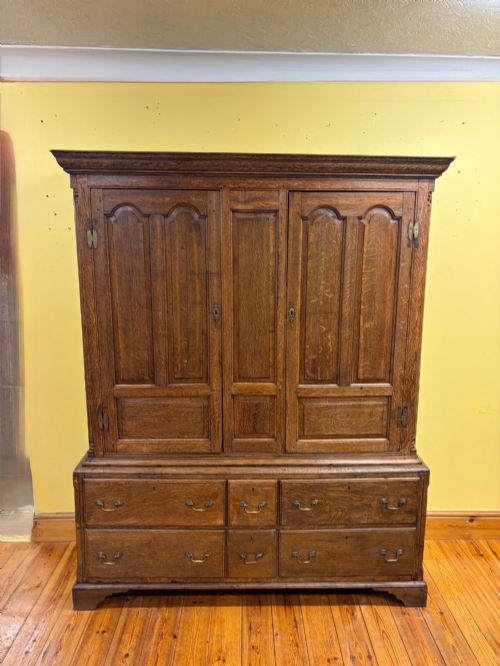
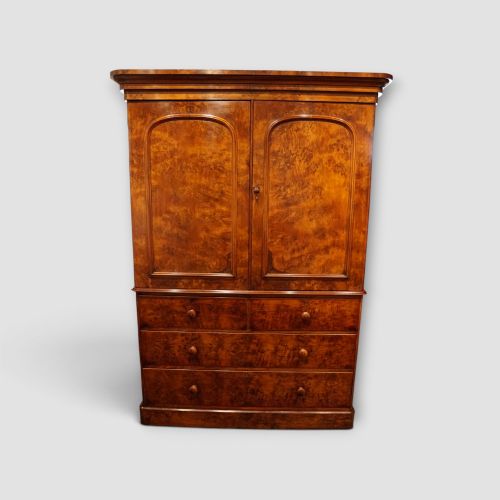
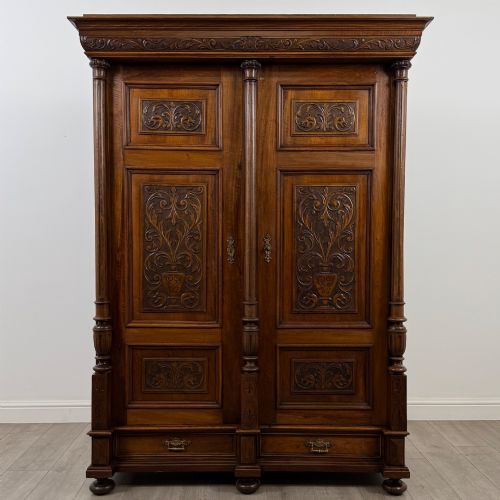
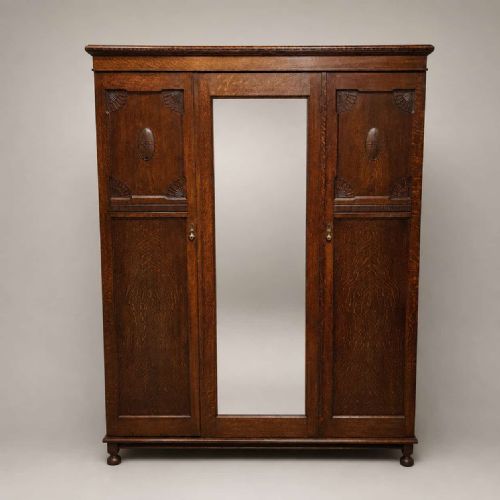
A traditional clothes press serves as a substantial storage cabinet, appearing primarily in formats such as linen presses, housekeeper cupboards, and tall wardrobes. These pieces emerge from the 18th century, the Georgian period, and through the Victorian era, offering significant capacity for domestic textiles and garments.
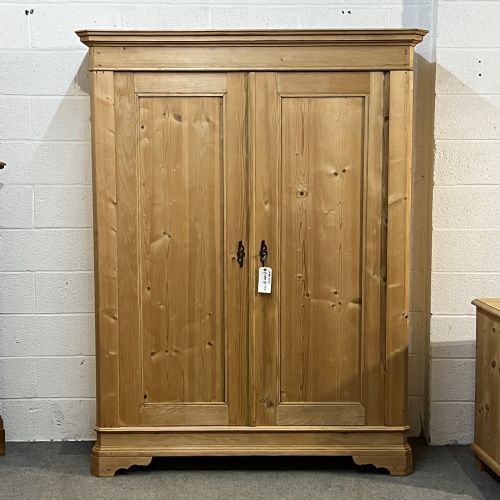
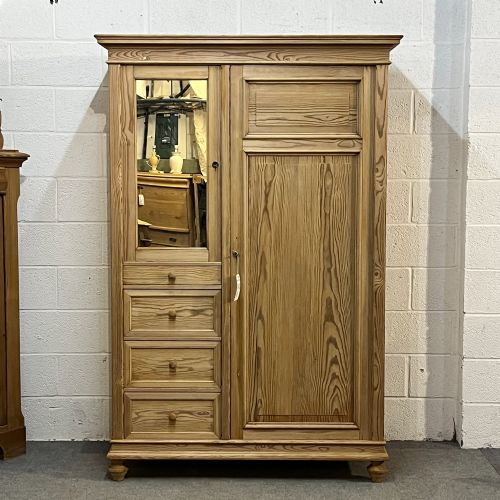
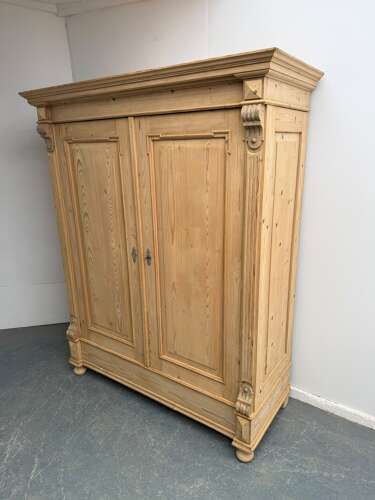
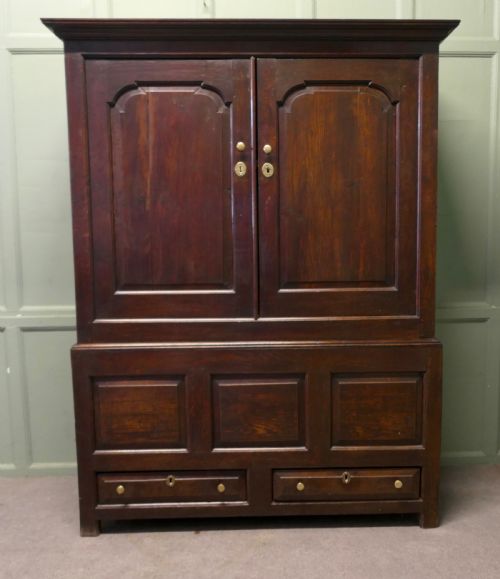
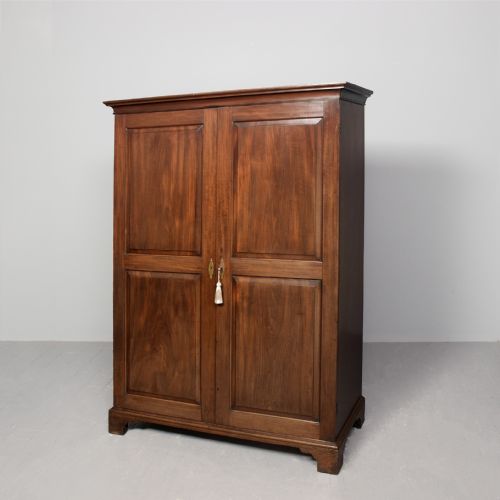
Buyers on this page most frequently encounter oak and mahogany examples from the Georgian and Victorian periods, often configured with upper cupboard doors housing sliding trays or shelves above a base of drawers. Pine versions also feature prominently, ranging from cottage knockdown variants to larger French provincial wardrobes.
The architectural presence of these items varies from modest low cupboards to triple-door breakfront wardrobes and compactum cabinets. Their utility spans historic housekeepers' domains to modern bedrooms requiring deep timber storage with traditional character.
Materials and construction methods
Makers relied on solid hardwoods like mahogany, oak, and walnut, alongside softwoods such as pine, occasionally utilising flame mahogany veneer for decorative surface grain on primary facades. Brass hardware, iron fittings, and glass elements complete the structural and functional assembly of these substantial storage pieces.
Carpentry techniques included panelled door construction, robust frame-and-panel assemblies, and pegged joints designed to support heavy timber sections. Many pine examples were built as knockdown wardrobes for ease of transport and assembly within domestic chambers.
Listings feature woods such as pine, oak, mahogany, walnut, and brass, spanning the 18th, 19th, and early 20th centuries.
Distinctions in construction and material quality
Quality rests in the selection of timber, seen in dense Cuban mahogany, figured burr walnut, and closely grained oak, contrasted against simpler utilitarian pine. Superior examples display precise joinery, well-fitted panel doors, and intact internal sliding linen trays rather than stripped or altered interiors.
The refinement of exterior moulding, architectural cornicing, and original brass handles differentiates standard utility cupboards from high-status cabinet work. Proportion and the integrity of the original timber surfaces dictate the standing of each piece.
The Traditional Clothes Press Glossary
- Linen press
- A tall cabinet specifically designed to store folded linens in upper sliding trays or shelves, typically positioned above a chest of drawers.
- Knockdown wardrobe
- A large piece of furniture constructed to dismantle into sections using pegged or bolted joints, allowing straightforward movement between rooms.
- Compactum
- A fitted wardrobe combining hanging space, drawers, shelves, and sometimes shoe racks within a single integrated carcass.
- Housekeeper cupboard
- A utilitarian storage piece traditionally kept in domestic service areas for provisions, household linen, or general dry goods.
- Flame mahogany veneer
- A thin slice of mahogany timber cut to highlight a distinctive flickering, flame-like grain pattern across prominent doors and drawer fronts.
Traditional Clothes Press: Frequently Asked Questions
What is a traditional clothes press used for?
These cabinets provide extensive storage for folded garments, bedding, and linens through deep internal shelving or sliding trays. They function equally well in modern bedrooms as dedicated wardrobe space with period character.
Lower drawer sections also accommodate smaller clothing items, keeping larger garments and textiles organised within a single timber piece.
How do I date a traditional clothes press?
Dating relies on identifying timber choices, construction methods, and stylistic periods such as Georgian, Victorian, or Edwardian. Georgian pieces often display clean classical lines in oak or mahogany, while Victorian versions favour heavier mouldings and burr walnut or flame mahogany veneers.
Hardware styles, backboard construction, and internal configuration further clarify the era of manufacture.
Are pine wardrobes easy to dismantle?
Many regional and continental pine examples are constructed as knockdown pieces held together with wooden pegs or internal bolts. This modular design allowed historical owners to transport large wardrobes up staircases and between properties.
Buyers should inspect the original pegging and joints to ensure straightforward assembly in a modern home.