


Victorian Flame Mahogany Mirror
A victorian flame mahogany mirror brings deep grain patterns and warm timber tones into a room, framed by nineteenth-century cabinetmakers.
Victorian Flame Mahogany Mirror
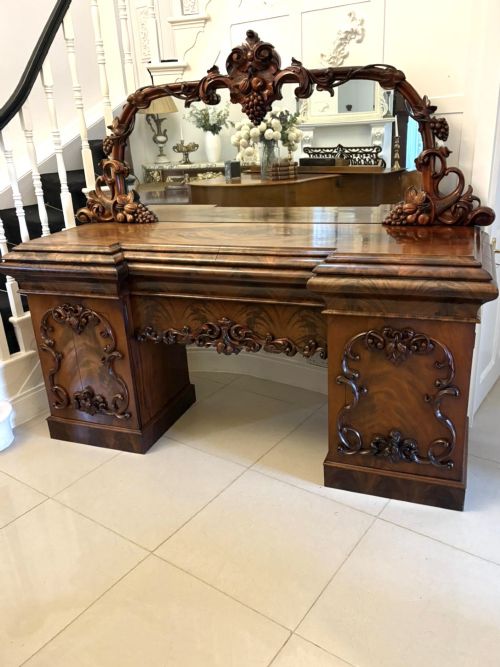
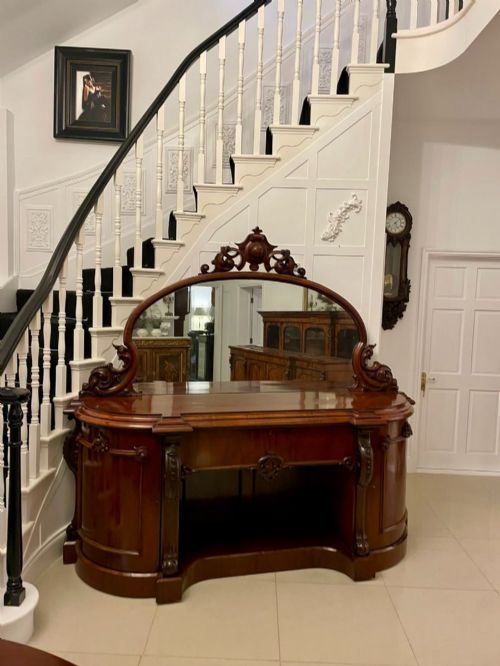
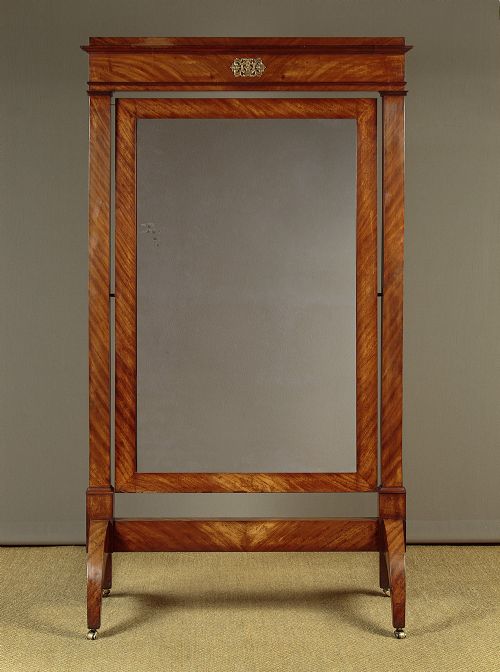
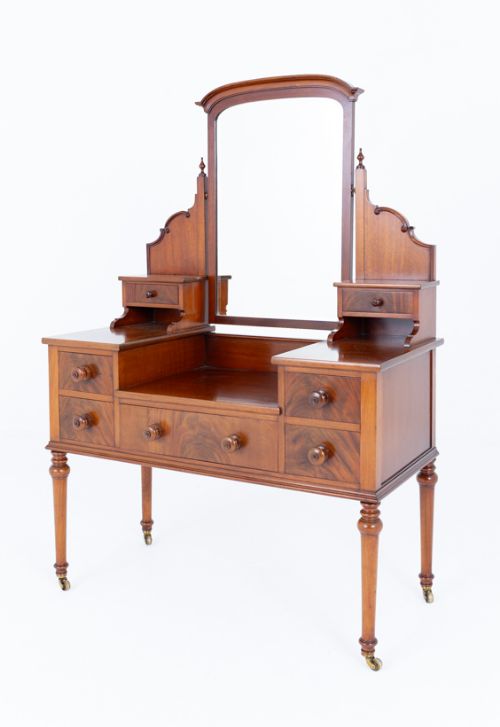
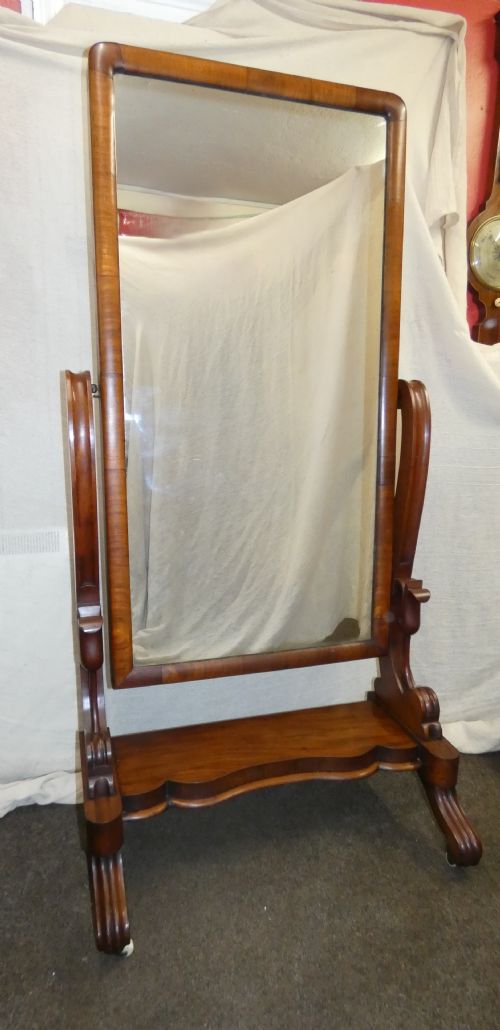
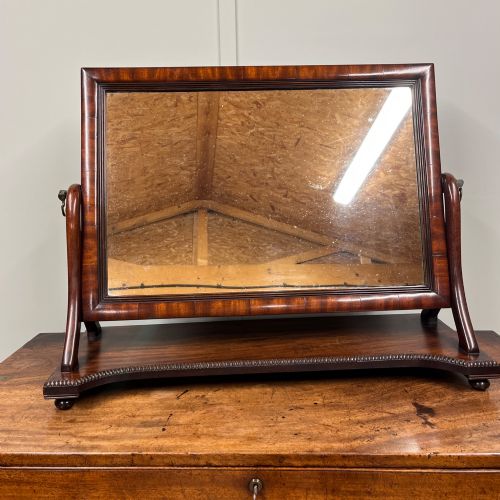
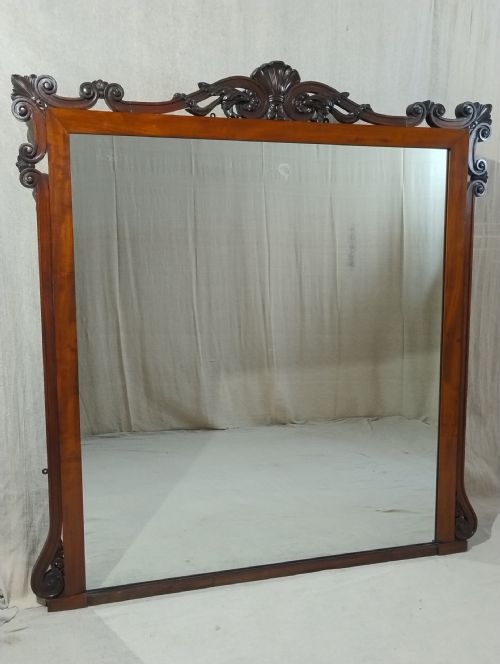
When you search for a victorian flame mahogany mirror, you encounter pieces designed for dressing tables, chests of drawers, and freestanding floor placement. The selection spans compact tabletop toilet mirrors alongside tall cheval swing glasses and heavy architectural overmantle frames.
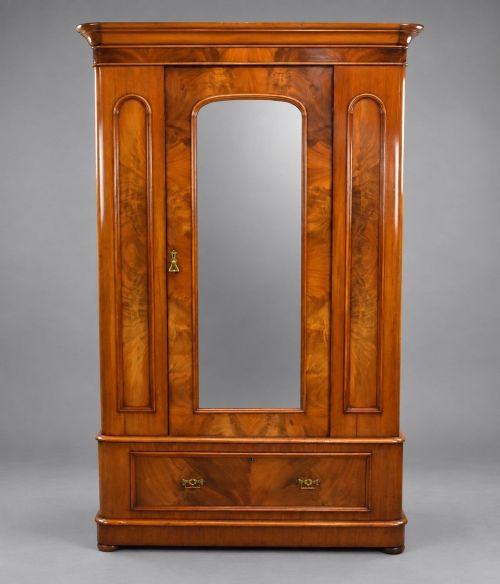
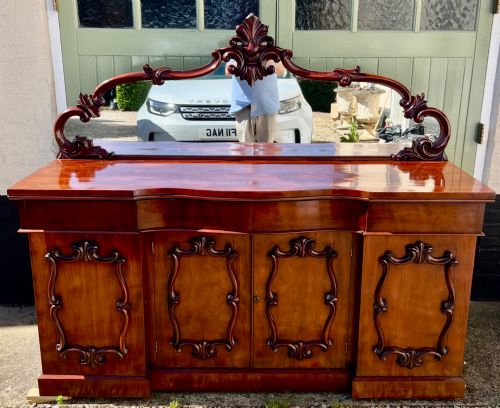
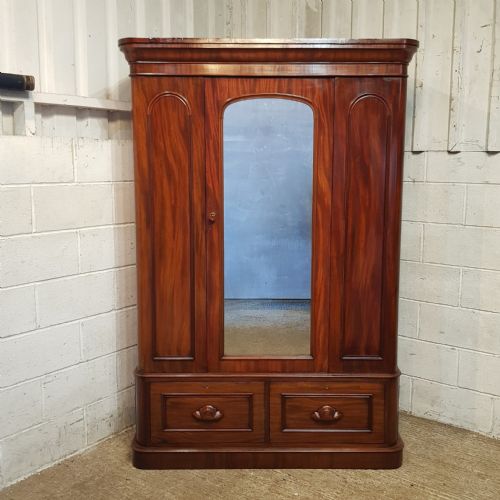
The material unites dressing tables, chiffoniers, and wardrobes that incorporate mirrored glass. Most examples date from the mid-nineteenth century, reflecting the prevailing Victorian taste for figured tropical hardwoods and polished surfaces.
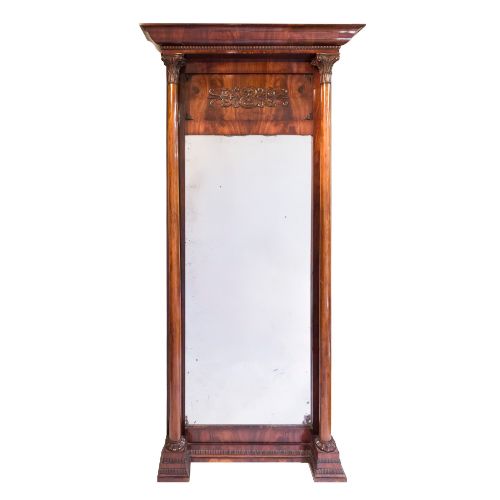
Tabletop dressing mirrors and large floor-standing cheval glasses appear frequently across the collection. These pieces showcase the rich figuring inherent in selected timber veneers alongside solid mahogany framing.
How they were made
Cabinetmakers applied thin sheets of flame mahogany veneer over stable secondary timbers to create dramatic grain patterns on the frame faces. The characteristic fire-like figure results from cutting across the branch junctions of the tree.
Glass plates sat within rebated wooden frames, often supported by swinging side arms on brass pivots for tabletop and cheval formats. Overmantle and pier mirrors utilised substantial wooden backboards to secure the heavy glass plates safely.
Listings feature Victorian and Georgian periods alongside materials including brass, marble, and flame mahogany veneer.
What varies in quality
The intensity and symmetry of the flame mahogany grain dictate visual impact, with book-matched veneers representing superior cabinetmaking. Execution of carved scrolls and structural joints separates standard production from finer workshop pieces.
Original mirror glass displays subtle distortion and silvering wear that confirms age, whereas replacement glass alters the historic integrity. The weight of the timber and stability of the support standards indicate the original grade of construction.
The Victorian Flame Mahogany Mirror Glossary
- Flame mahogany
- A veneer cut from the fork of a mahogany tree to produce a rippling, flame-like grain pattern. This decorative surface defines the aesthetic of high-end nineteenth-century furniture.
- Cheval mirror
- A tall freestanding dressing glass mounted on a vertical frame with pivots that allow the mirror to tilt. These large pieces enabled full-length viewing in nineteenth-century bedrooms.
- Toilet mirror
- A smaller dressing glass designed to sit atop a table, chest, or vanity unit. They typically feature small storage drawers integrated into the base plinth.
- Overmantle mirror
- A large mirror shaped to hang or rest directly above a fireplace mantelpiece. Their proportions usually mirror the width of the fireplace surround below.
- Pier mirror
- A tall mirror specifically constructed to fit the narrow wall space between windows. They frequently paired with console tables or chiffoniers.
Victorian Flame Mahogany Mirror: Frequently Asked Questions
Where were these mirrors placed?
Victorian mirrors stood upon dressing tables, hung above mantelpieces, or occupied floor space in bedrooms as cheval glasses. Tabletop versions sat on bedroom chests and duchess dressing tables to assist with grooming.
Larger overmantle and pier glasses anchored the decor of formal nineteenth-century reception rooms. Their placement depended entirely on the room layout and the availability of natural light.
Are the mirror plates original?
Many nineteenth-century mirrors retain their original glass, which often exhibits subtle foxing, silvering spots, and minor surface oxidation. These natural signs of ageing distinguish historic glass from modern replacements.
Some pieces received replacement mirror plates during their working life if the original glass suffered breakage. Close inspection reveals whether the glass matches the estimated period of the wooden frame.
How should I clean the timber frame?
Maintenance requires only a soft cloth to remove dust from the carved woodwork and veneer surfaces. Avoid modern silicone polishes that build up sticky residues over traditional wax finishes.
Occasional application of high-grade beeswax preserves the moisture and lustre of the nineteenth-century mahogany. Gentle handling protects the delicate veneer edges around the frame margins.