

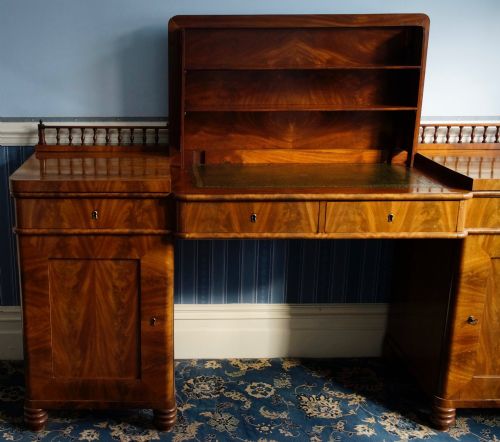
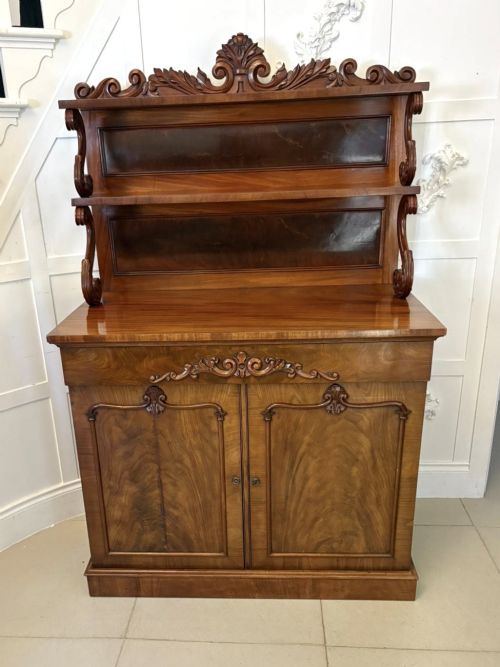
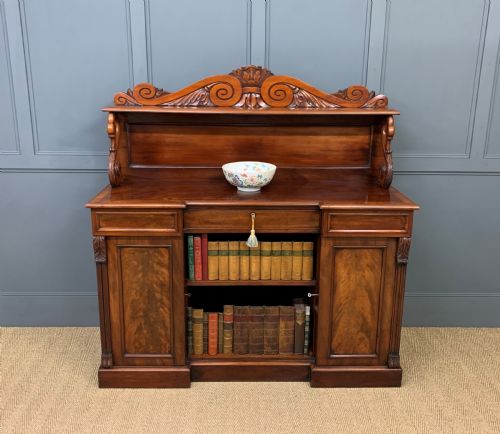
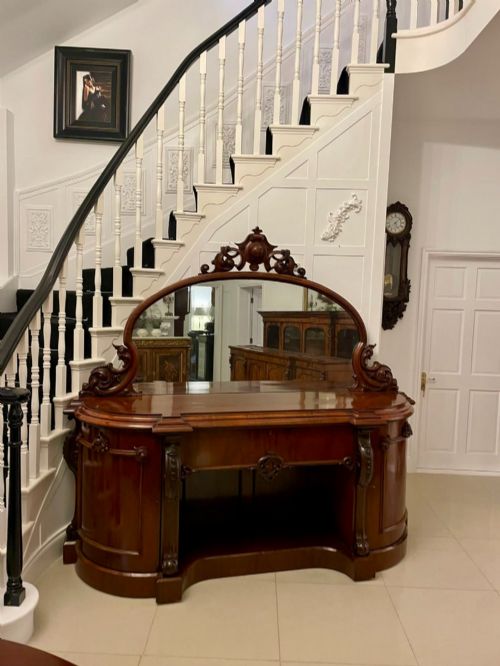
Victorian Flame Credenza
A victorian flame credenza brings warmth and architectural presence to a room, offering substantial timber surfaces and enclosed storage.
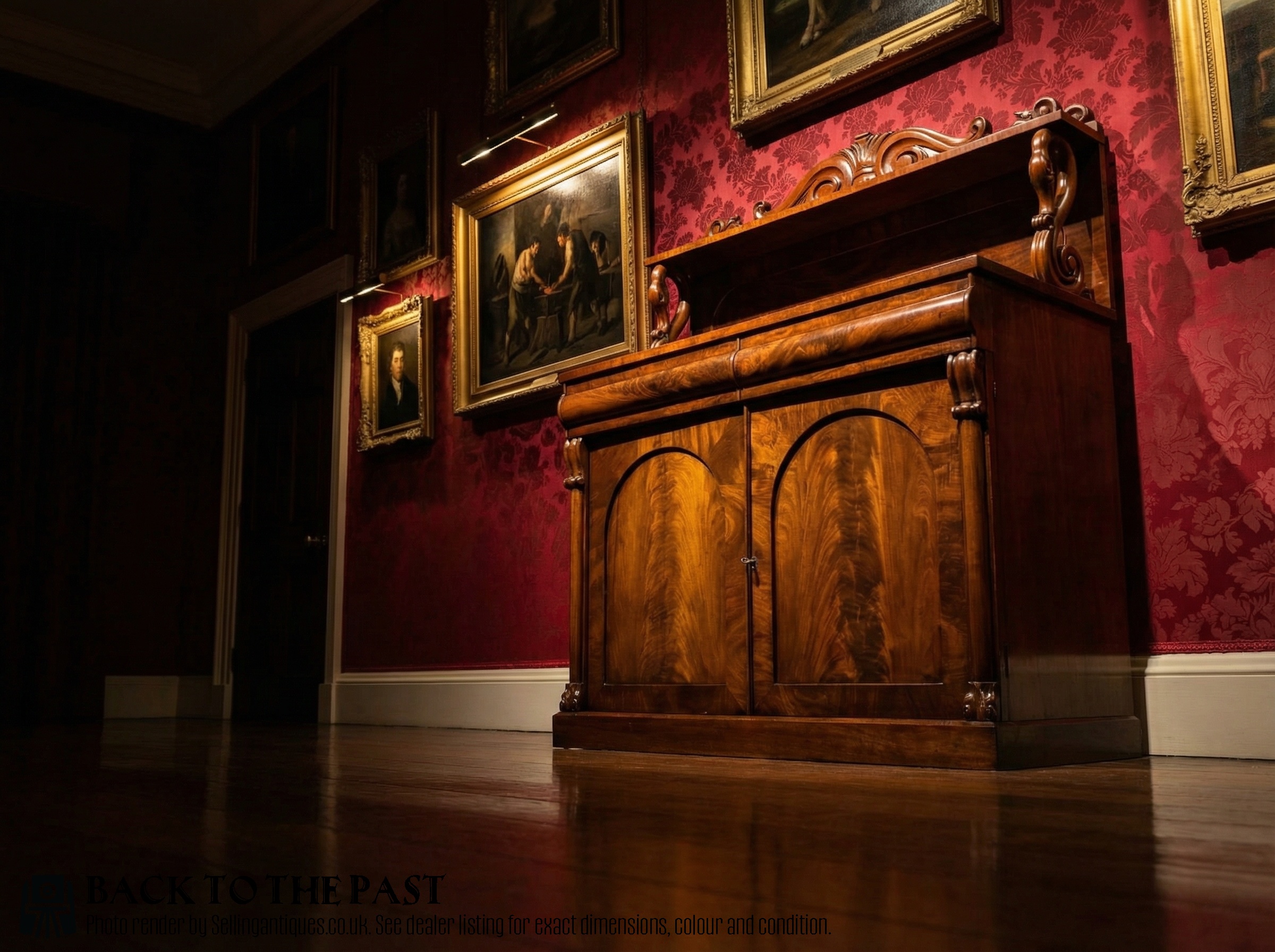
Victorian Flame Credenza
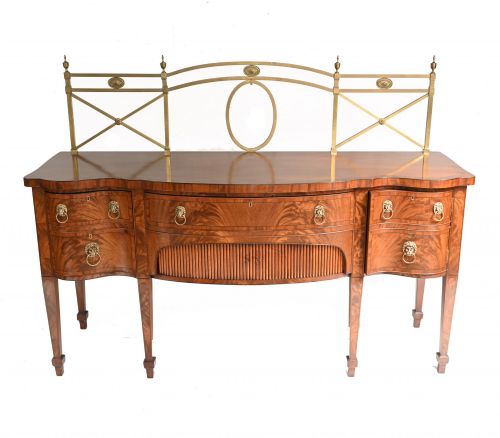
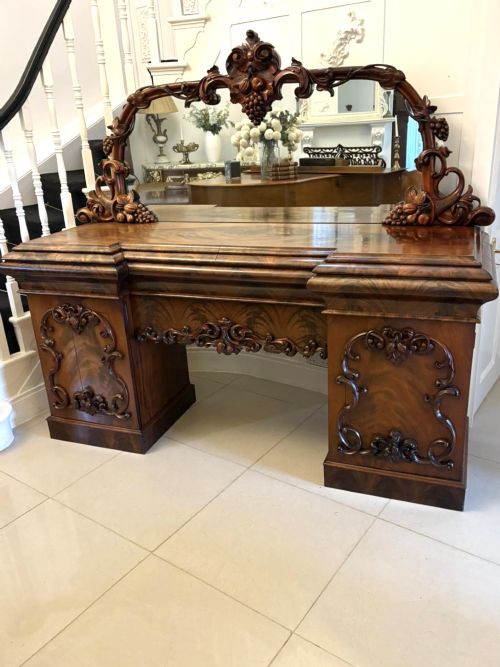
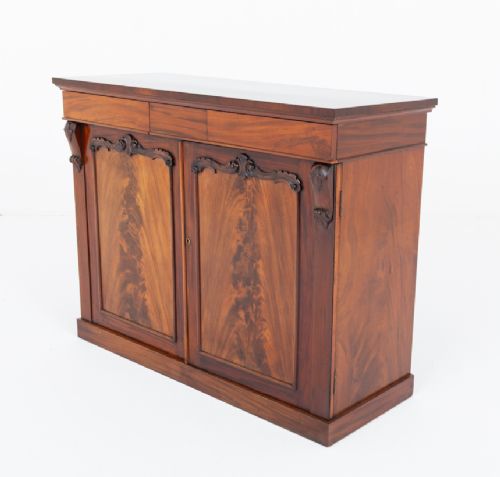
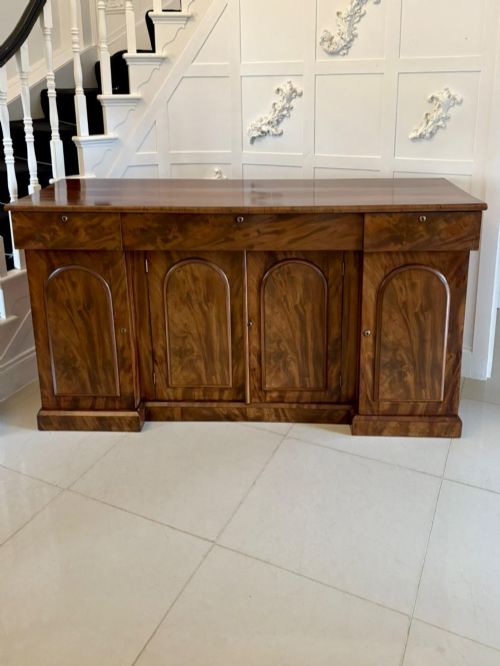
When you search for a victorian flame credenza, you encounter large storage furniture originating from the nineteenth century. These pieces encompass sideboards, chiffoniers, side cabinets, and bookcases spanning the Victorian, Regency, and William IV periods.
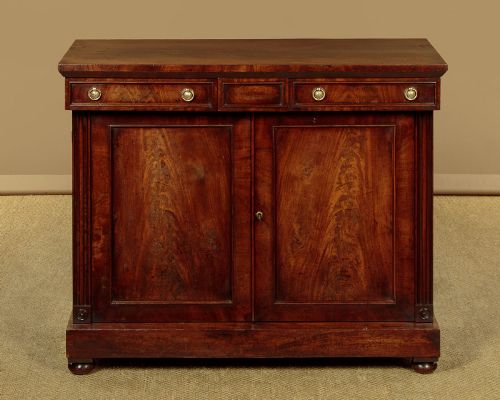
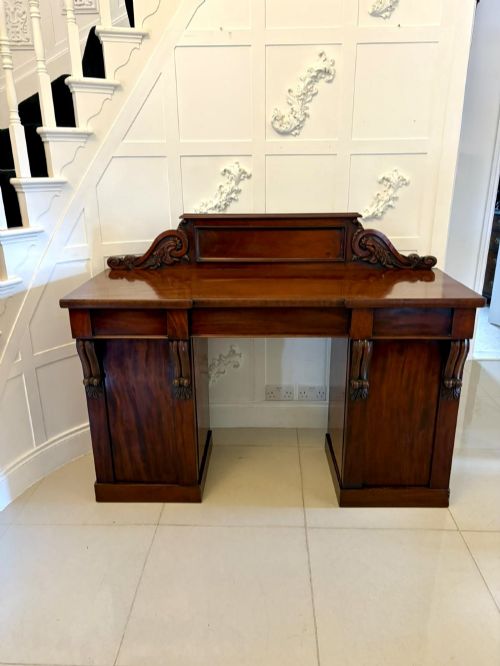
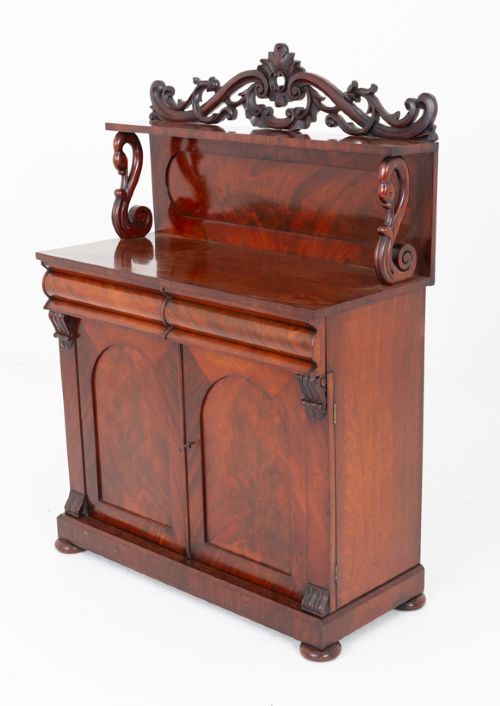
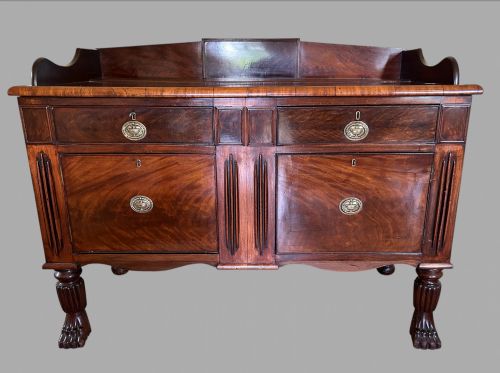
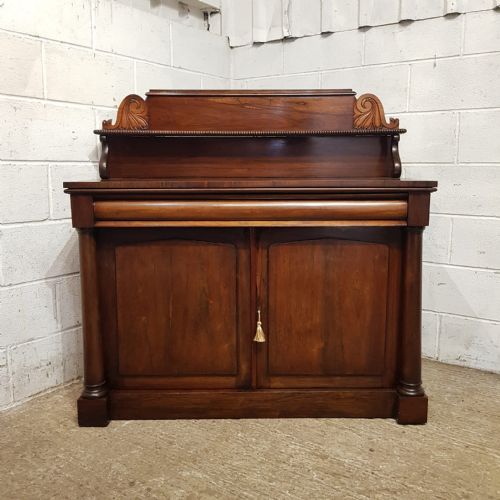
The version you are most likely to meet on this page is a mahogany sideboard or chiffonier featuring cabinet doors and occasionally a mirror back or marble top. Workshops built these items to serve dining rooms and parlours across the 1850s, 1860s, 1870s, and 1880s.
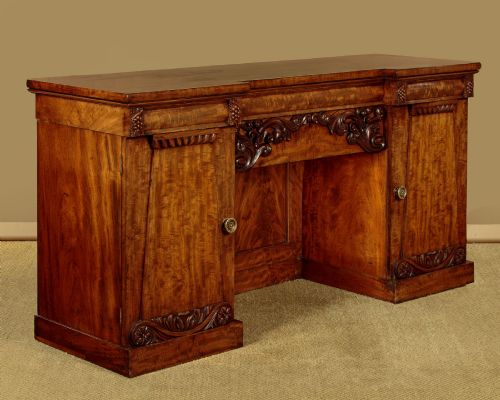
Makers produced these forms in varying configurations, ranging from compact two-door cupboards to large breakfront pedestals. The selection draws heavily upon nineteenth-century English craftsmanship, incorporating styles such as Gothic revival and Chippendale influence alongside standard Victorian production.
Assessing Craftsmanship
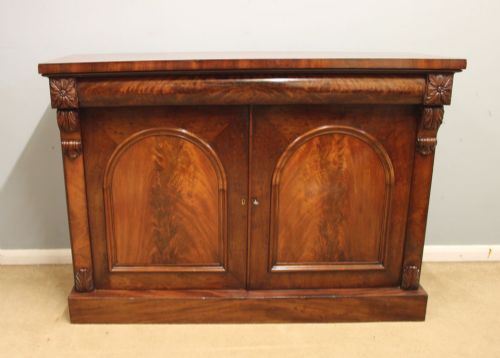
The standard of a piece depends on the depth and selection of the timber veneer. Exceptional examples display symmetrical flame patterns that match cleanly across multiple doors and drawers.
Victorian Flame Credenza Retail Price Guide 2026
Typical asking prices for victorian flame credenza among the pieces listed under this phrase on Sellingantiques today, from the lower quarter to the upper quarter. They describe what is for sale here now, not the wider market.
Listings feature mahogany, brass, and glass across the 19th century.
Gillows
The Victorian Flame Credenza Glossary
- Flame mahogany veneer
- A thin slice of timber cut from the fork of the mahogany tree to produce a fiery, undulating grain pattern. This decorative veneer defines the aesthetic of high-end nineteenth-century case pieces.
- Chiffonier
- A compact sideboard equipped with enclosed shelving below and frequently a raised shelf or mirror above. Nineteenth-century households utilised these items primarily in dining and drawing rooms.
- Breakfront
- A cabinet design where the central section projects forward from the flanking outer cupboards. This architectural arrangement breaks up the linear profile of large sideboards.
- Mirror back
- A vertical wooden frame holding a glass mirror attached to the rear surface of a sideboard. These additions reflected natural light and displayed decorative tableware.
- Pedestal sideboard
- A heavy sideboard featuring two distinct cupboard pillars supporting a long central serving surface. They represent the largest storage formats found in Victorian dining rooms.
Victorian Flame Credenza: Frequently Asked Questions
What is a flame credenza?
A flame credenza refers to nineteenth-century storage furniture displaying highly figured mahogany veneer across its doors and drawer fronts. These pieces function as large sideboards or cabinets designed for formal rooms.
Cabinet makers utilised the dramatic grain of the timber to create striking visual effects on flat surfaces. They provide substantial enclosed storage alongside a decorative serving top.
How do I date a Victorian sideboard?
Dating relies upon examining the timber choice, construction methods, and stylistic influences present in the piece. Pieces from the middle of the nineteenth century often feature rich figured mahogany and restrained classical proportions.
Later Victorian examples tend to incorporate heavier carved decoration, mirror backs, or revival styles like Gothic influences. Comparing the hardware and drawer dovetailing also assists in placing the item within its exact decade.
Where were these cabinets used?
Original owners placed these large storage items primarily in dining rooms, parlours, and entrance halls. They served as functional surfaces for displaying silver, storing linens, and holding serving dishes during meals.
Today, buyers integrate them into modern living spaces as media consoles, hallway storage, or statement dining room buffets. Their enclosed cupboards conceal modern domestic items while maintaining a traditional aesthetic.
What is the difference between a chiffonier and a sideboard?
A chiffonier is typically a more compact form of sideboard, often featuring a single tier of shelving or a small mirror attached to the top. They were designed for smaller reception rooms where a full-sized pedestal sideboard would overwhelm the space.
Sideboards generally offer greater width, multiple cupboard doors, and more extensive serving space. Both forms utilise similar mahogany construction and veneer techniques from the nineteenth century.