
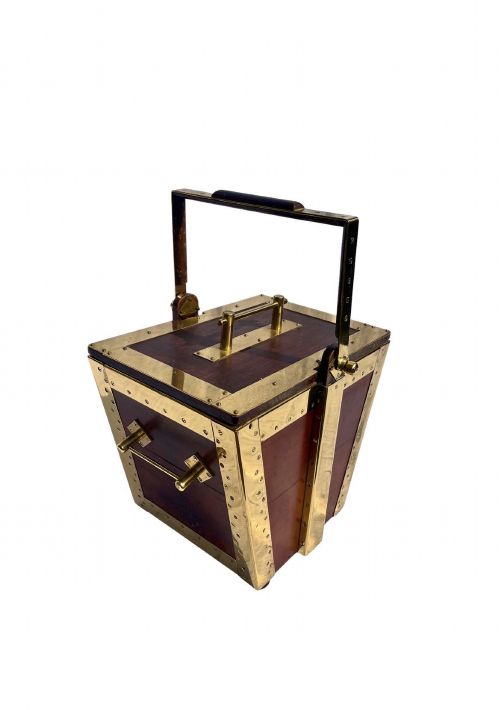


Victorian Fireside Storage Box
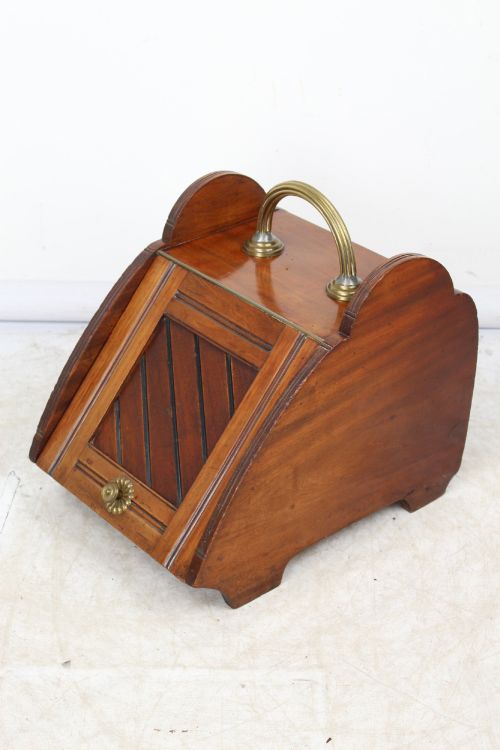
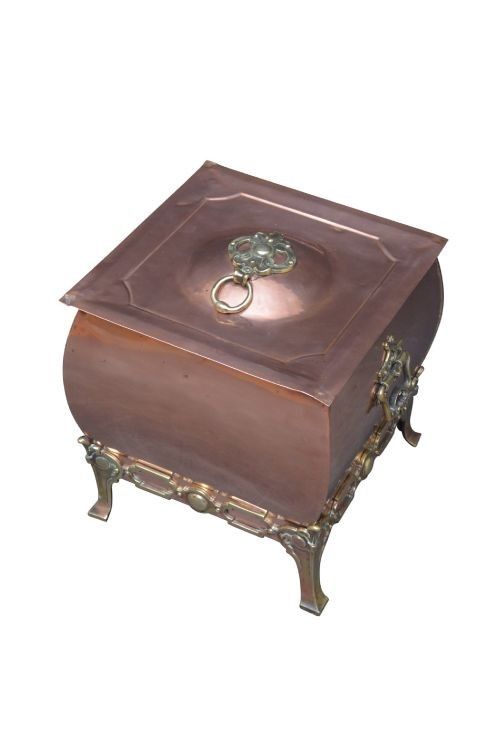
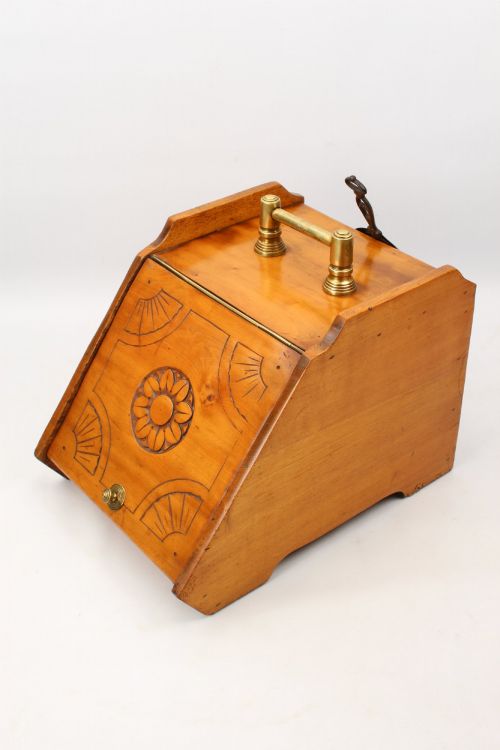
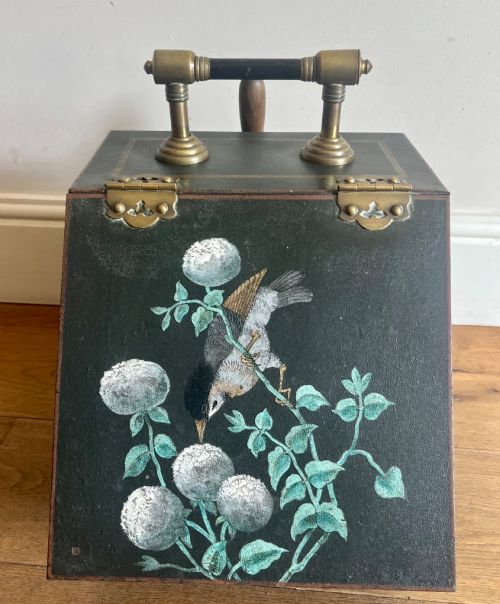
These heavy timber and metal receptacles, sold as a Victorian fireside storage box, kept fuel neat beside the hearth.
Victorian Fireside Storage Box
When buyers search for a Victorian fireside storage box, they encounter functional hearth containers designed to hold coal, logs, or kindling. The versions met most often on this page take the form of wooden coal boxes, purdoniums, and metal scuttles dating from the nineteenth and early twentieth centuries.
The evidence shows a variety of forms spanning standard coal scuttles, hinged boxes, and specialised purdoniums equipped with shovels. Materials range from traditional hardwoods like mahogany and oak to hammered or polished metals including brass and copper.
Origins stretch across English workshops, French provincial makers, and Belgian studios, reflecting diverse regional tastes in domestic heating accessories. These pieces range from utilitarian iron wagons to decorative inlaid rosewood cabinets intended for prominent display in the parlour.
How They Were Made
Cabinetmakers utilised dense timbers such as walnut, oak, and mahogany for the main bodies, frequently employing marquetry inlay, carving, or brass mountings for surface enrichment. Metal versions relied on the working of sheet brass, copper, and iron, often featuring embossed patterns or riveted construction.
Many wooden boxes incorporate fitted metal liners designed to contain coal dust and moisture, preserving the timber from degradation. Handle placement, drop-front mechanisms, and internal shovel storage demonstrate practical engineering suited to daily hearth maintenance.
Blacksmiths occasionally forged miniature coal wagons complete with tiny metal wheels for rolling fuel across the hearthrug.
What Varies In Quality
The distinction between standard examples and top tier pieces rests on the choice of materials and the precision of the construction. Superior boxes display select timber grains, intricate marquetry, or heavy gauge brass and copper with refined hand-chased detailing.
Quality also appears in the survival of original components such as metal liners, matching shovels, and functional drop-front mechanisms. Lesser examples rely on plain pine or simpler manufacturing methods intended purely for utilitarian service rather than aesthetic contribution.
The Victorian Fireside Storage Box Glossary
- Purdonium
- A specialised coal cabinet featuring a sloping front door and an internal shovel compartment. This form became popular during the nineteenth century for neat fuel storage.
- Scuttle
- A vessel with a handle and lip designed for carrying coal to the grate. Metal versions often feature round bodies and swing handles.
- Marquetry
- The art of applying pieces of veneer to a structure to form decorative patterns. This technique appears on high end walnut and rosewood boxes.
- Tole Ware
- Lacquered or enamelled metalware used for decorative domestic objects. These pieces bring colourful painted finishes to hearth accessories.
- Ormolu
- Gilt bronze mountings applied to furniture and boxes for ornamentation. Such details elevate the formality of nineteenth century coal bins.
Victorian Fireside Storage Box: Frequently Asked Questions
What is a purdonium?
A purdonium is a dedicated fuel cabinet designed to keep coal contained beside the fireplace.
These pieces typically feature a hinged or sloping front flap that drops forward to release fuel from an interior metal liner.
Did these boxes hold coal or logs?
They accommodated both, depending on the specific design and size of the receptacle.
Smaller lidded boxes usually stored coal, while larger bins and open scuttles accommodated bulkier logs and kindling wood.
How do I identify the period?
Period identification relies on timber selection, decorative styles, and construction techniques.
Mahogany and rosewood with marquetry generally point to Victorian craftsmanship, whereas simpler iron or oak pieces often reflect Arts and Crafts or later utilitarian influences.
Are original liners common?
Original metal liners survive in a portion of the surviving wooden boxes.
These removable inserts were engineered to protect the surrounding timber from moisture and soot generated by solid fuel.
Where were these placed?
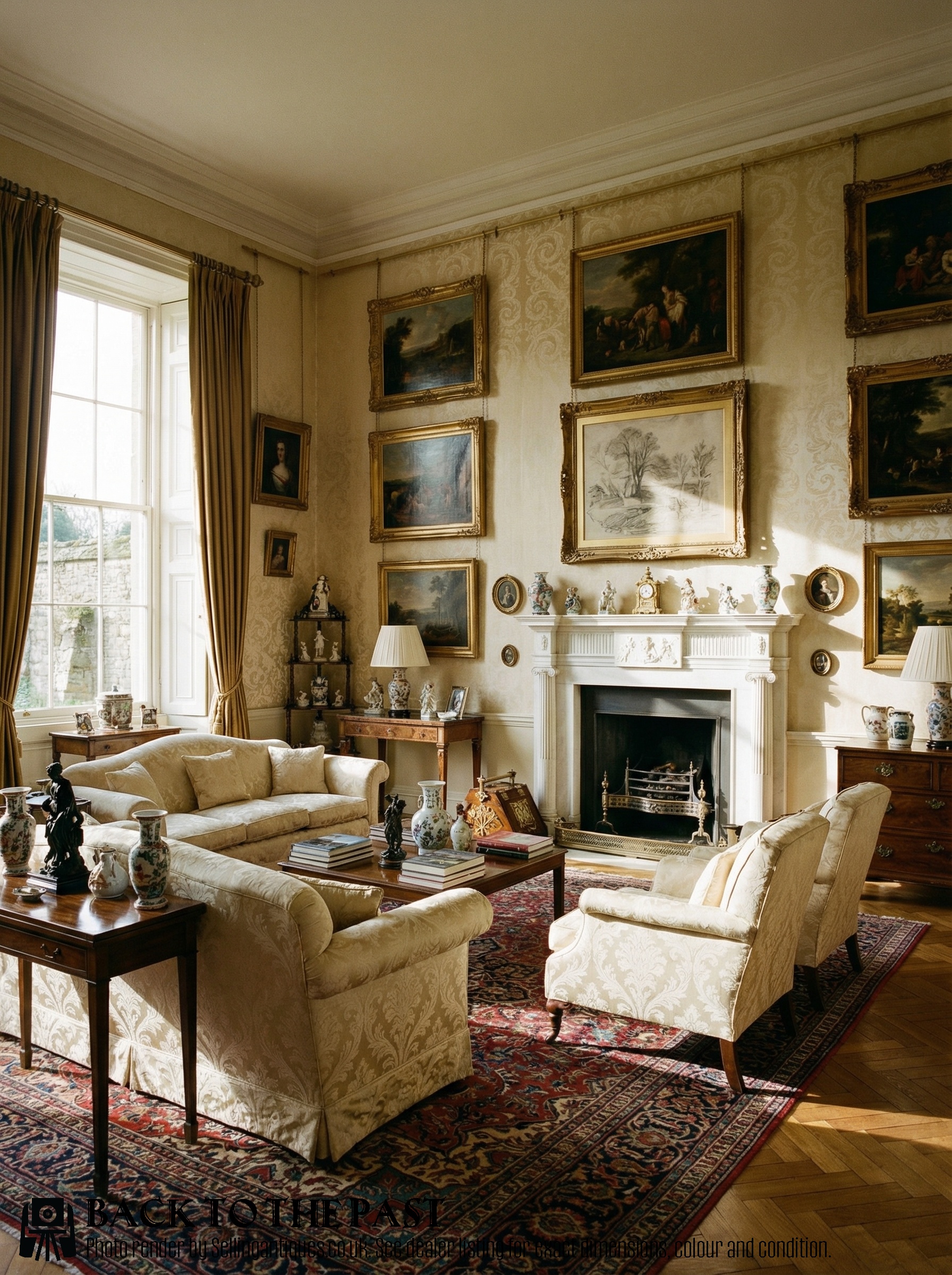
They stood directly on the hearth or floor immediately adjacent to the fireplace.
Their placement ensured fuel remained close at hand while maintaining the tidy appearance of the principal reception rooms.