


Victorian Brass Coal Box
These Victorian brass coal boxes combine robust fuel storage with decorative fireside elegance.

Victorian Brass Coal Box
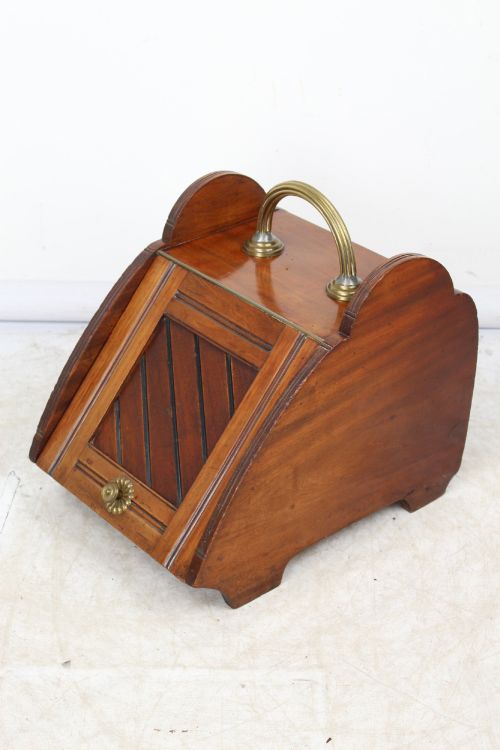
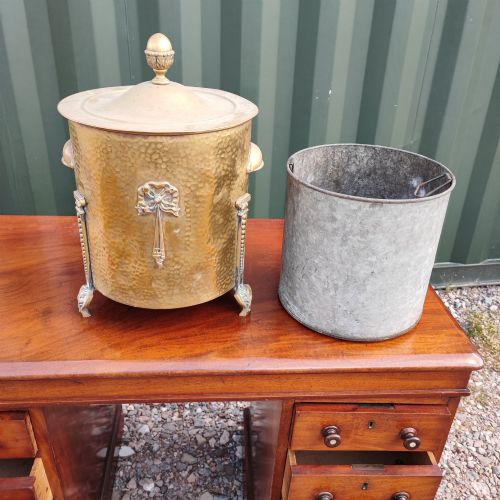
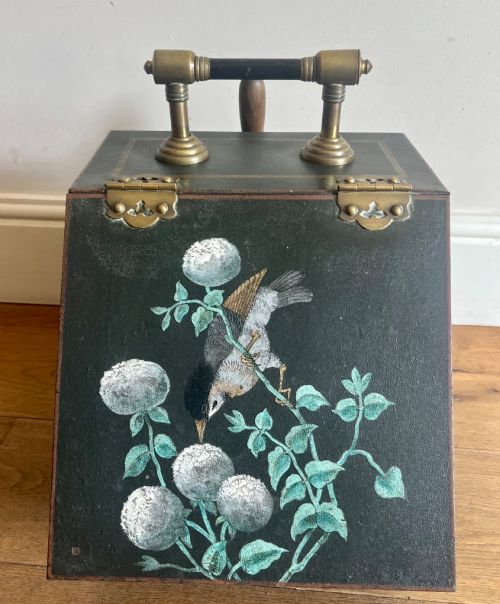
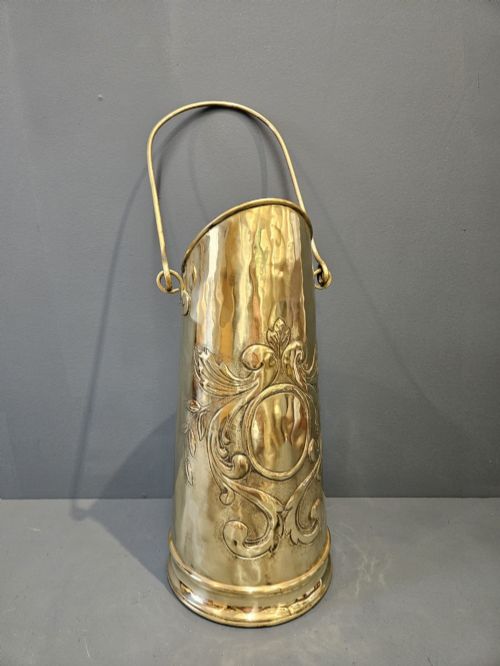
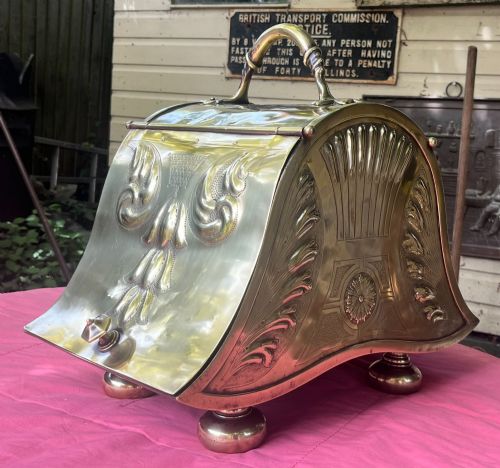
A victorian brass coal box serves as a functional hearth accessory designed to store fuel near an open fire. These items appear across the nineteenth and early twentieth centuries in various configurations such as scuttles, purdoniums, and lidded bins.
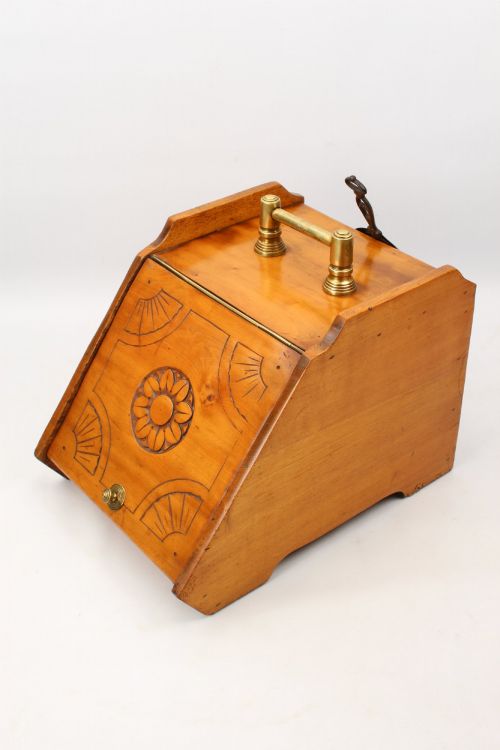
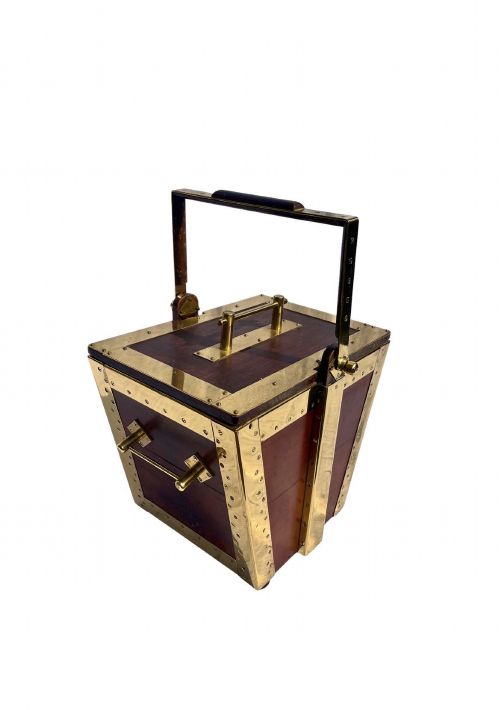
The standard version met on this page combines a wooden body constructed from oak, walnut, or mahogany with heavy brass mounts, handles, and drop-front lids. Many examples include internal metal liners and dedicated compartments for fire shovels.
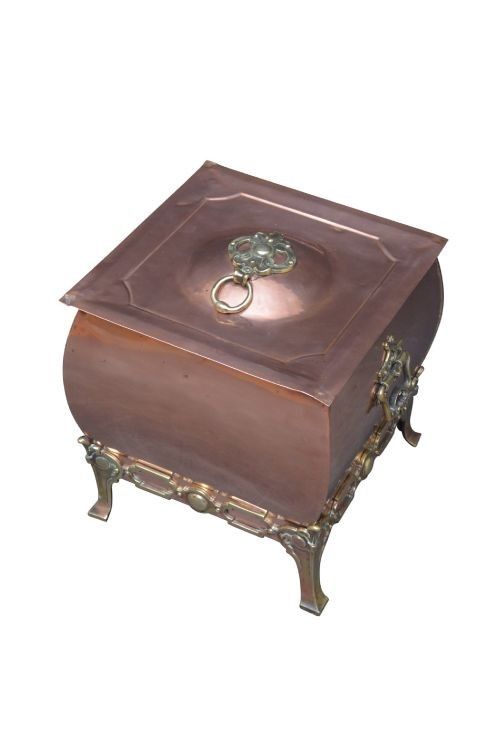
Design influences range from plain utilitarian English styles to elaborate Aesthetic Movement, Art Nouveau, and Arts and Crafts creations. Continental pieces and decorative folk art variations also feature alongside traditional British household containers.
Materials and construction
Makers utilised contrasting media, pairing timber carcasses of oak, walnut, or mahogany with beaten and polished brass plates. Copper, iron, and toleware additionally contribute to the metalwork found across these fireside containers.
Construction techniques combine traditional cabinet making for wooden bodies with panel embossing, riveting, and casting for the metallic components. Metal liners protect the timber frames from moisture and dirt associated with coal and logs.
Some coal boxes doubled as seats, allowing weary Victorians to warm their toes and rest their feet simultaneously.
Distinctions in grade
Superior examples demonstrate substantial timber thickness alongside heavy gauge brass rather than thin sheet metal. Maker attribution, such as marked pieces from known workshops, elevates the status of a box.
Refinement in decorative detail separates standard containers from top-tier items. Hand-embossed motifs, applied ormolu mounts, carved wooden panels, and complete original shovels or liners distinguish finer output.
Benham and Froud·Henry Loveridge
The Victorian Brass Coal Box Glossary
- Purdonium
- A type of cabinet or box specifically designed to hold coal, typically featuring a sloping front door and an interior metal liner. These units often stand on small feet and incorporate tool storage.
- Coal scuttle
- A bucket or container traditionally used for carrying fuel from an outside store to the hearth, often fitted with a swing handle and a shovel. Scuttles frequently adopt helmet or bucket shapes.
- Toleware
- Lacquered or enamelled metalware, usually iron, decorated with painted designs or transferred patterns. This material appears on alternative fuel bins and storage boxes.
- Aesthetic movement
- A late nineteenth-century design style emphasising visual and compositional beauty over narrative or moral function. Pieces from this period often display stylised natural motifs.
- Metamorphic
- Describing furniture or storage items designed to transform or serve multiple functions beyond primary containment. Some coal containers incorporate fold-down seats or tiered shelving.
Victorian Brass Coal Box: Frequently Asked Questions
How do I clean the brass?
Maintenance requires gentle dusting and occasional cleaning with a mild, non-abrasive metal polish to preserve the original lustre without stripping historical patina. Avoid harsh chemical agents that can damage adjacent wood surfaces.
Apply polish sparingly using a soft cloth, working around embossed details carefully before buffing clean with a dry duster.
Can these hold logs today?
These containers function well for storing logs or kindling beside a modern fireplace, provided the internal metal liner remains intact and water-tight. Using them for dry fuel prevents moisture damage to the surrounding timber.
Check the interior condition before loading heavy timber to ensure the historical base supports the weight without strain.
What is a purdonium?
A purdonium is a specialised enclosed coal box shaped like a small cabinet with a hinged or sloping drop-front door. This design conceals the fuel completely while keeping it ready for use.
Most purdoniums include an internal metal scoop and a removable metal bucket for clean refilling.
How do I date these pieces?
Dating relies on stylistic clues, construction methods, and materials, with Victorian examples showing heavier brass mounts and rich timber grains. Edwardian and later pieces often adopt lighter proportions and softer Art Nouveau curves.
Examine hinges, screw types, and interior wear patterns to confirm the manufacturing period.