
Victorian Fireplace Hearth
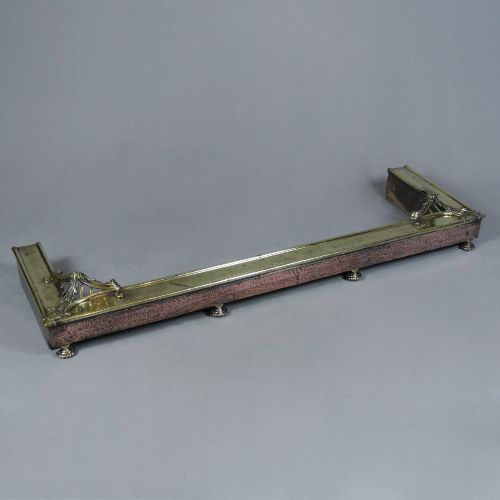
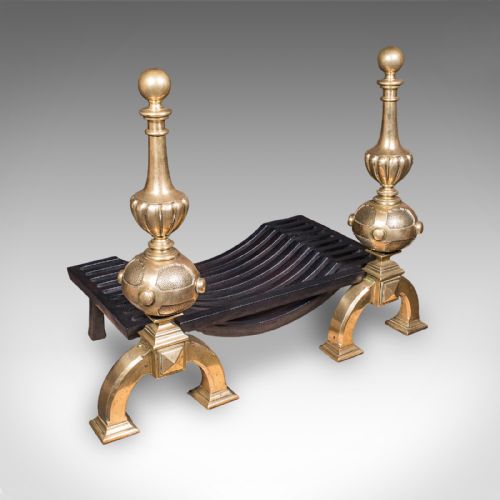
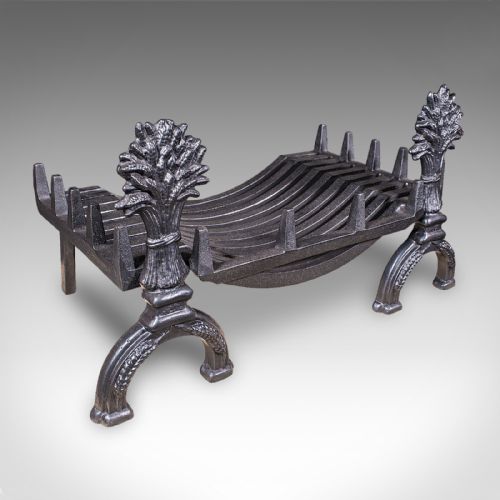
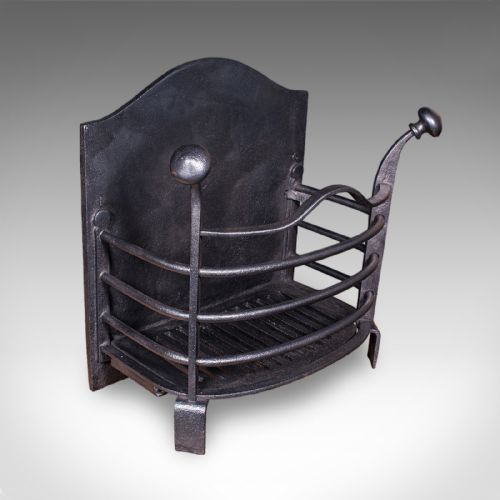
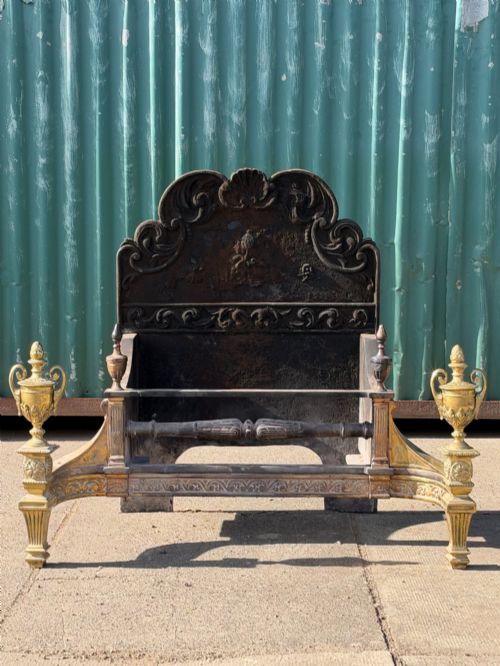
A victorian fireplace hearth brings solidity to a room, anchoring the grate, fender and tools in heavy cast metal and polished brass.
Victorian Fireplace Hearth
A victorian fireplace hearth gathers the heavy iron grates, brass fenders and coal scuttles that served nineteenth-century rooms. These pieces originate across the Victorian period, stretching into the early twentieth century.
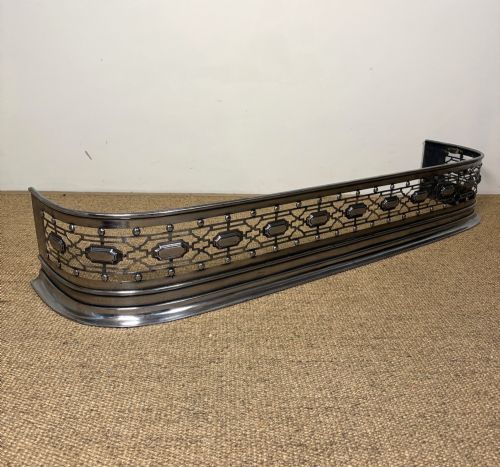
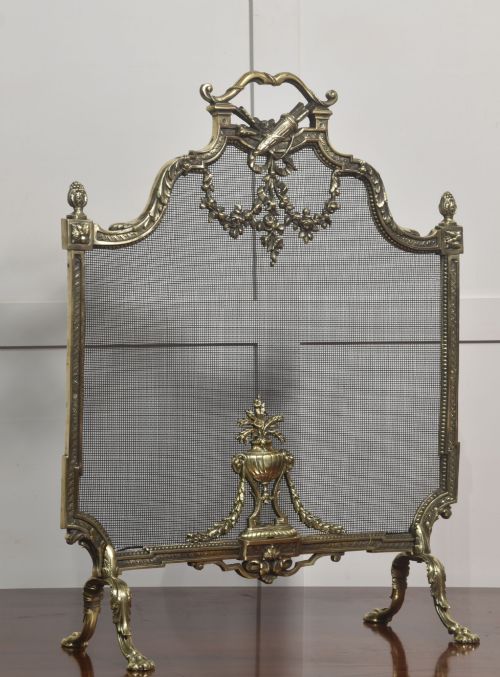
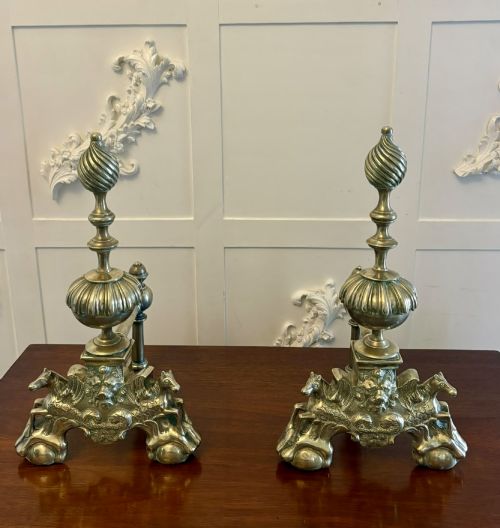
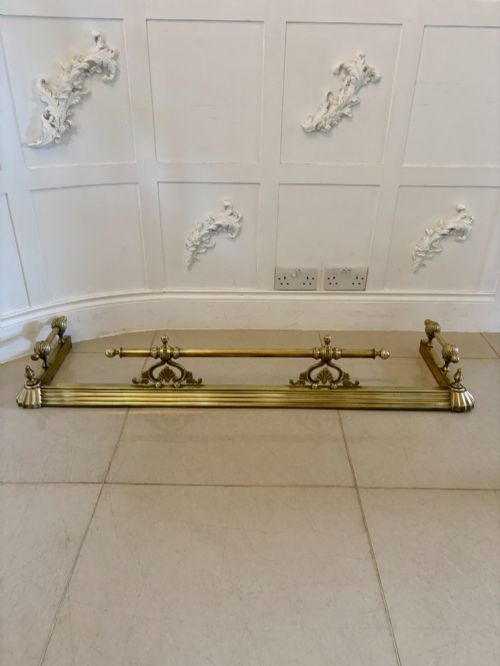
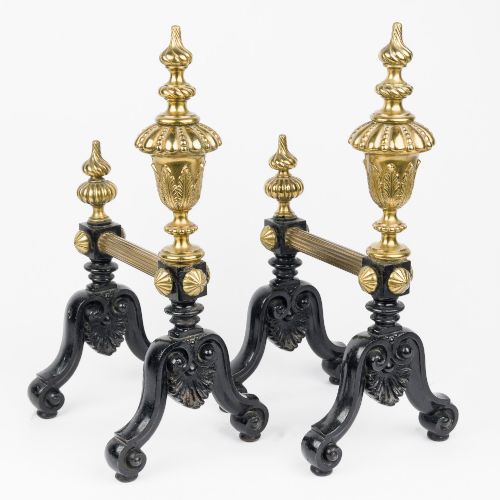
Fenders, fire dogs, and coal buckets dominate the forms seen here, accompanied by spark guards and companion sets. Brass and cast iron appear most often, shaped to fit domestic hearths.
Makers utilised copper, steel, and earthenware alongside brass and iron, applying styles from Gothic Revival to Arts and Crafts. Pieces range from simple utilitarian grates to decorative brass fenders with upholstered seats.
Materials and Construction
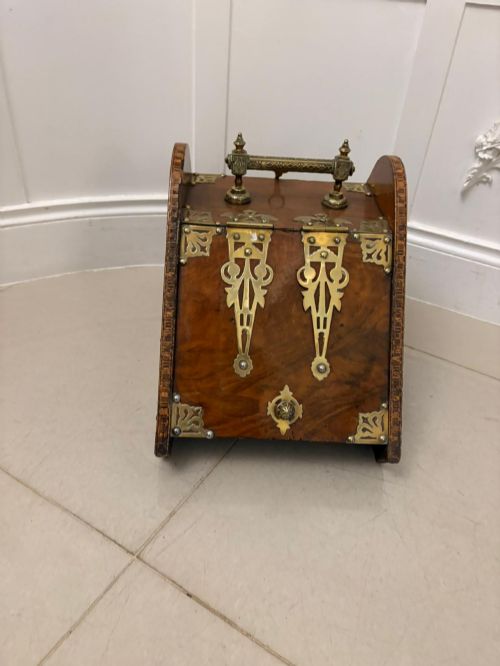
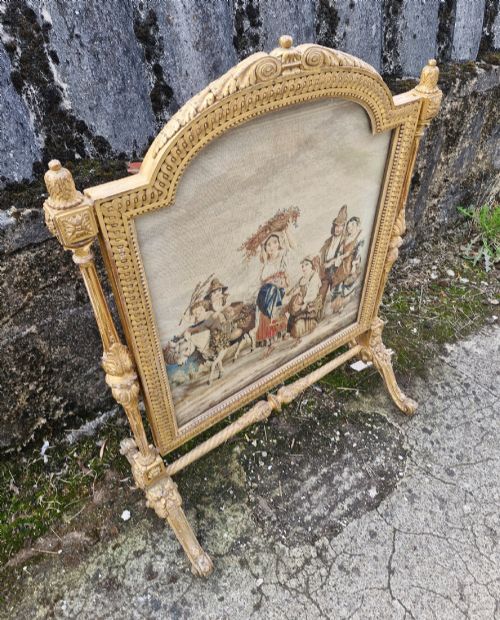
Foundries cast iron and brass into robust components, creating heavy grates, fire backs, and pierced fenders capable of withstanding intense heat. Craftsmen hammered copper and wrought iron into coal scuttles and fire screens, often finishing surfaces by hand.
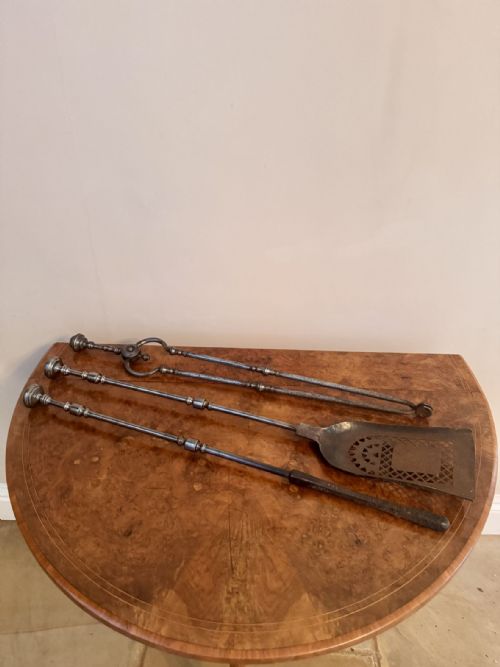
Makers incorporated steel for fire irons and wirework for mesh fire guards, pairing metalwork with wooden elements in coal bins and upholstered leather on club fenders.
Decoration relied on piercing, riveting, and surface engraving rather than applied ornament, particularly within Arts and Crafts pieces that display exposed fixings and beaten metal textures.
A painted metal knight stands ready to hand over the poker.
Distinctions in Quality
Weight and gauge set finer pieces apart, as heavier brass castings and thicker copper plates resist warping and maintain structural integrity. The crispness of cast ornament on iron grates and fenders indicates the precision of the original foundry work.
Integrity of assembly distinguishes standard production from superior examples, visible in tight joints on riveted copper and secure fixing of decorative cabochons or enamel panels. Original components, such as matching fire irons accompanying a fender, elevate a piece above assembled sets.
Henry Loveridge·Coalbrookdale
The Victorian Fireplace Hearth Glossary
- Fender
- A low metal barrier placed around the hearth to contain stray embers and ash. They often incorporate brass rails or upholstered seats.
- Andiron
- A horizontal iron bar supported on legs, used to raise logs off the hearth floor to improve air circulation. They appear in pairs.
- Fire back
- A heavy cast iron plate placed against the back wall of a fireplace to reflect heat into the room and protect the masonry.
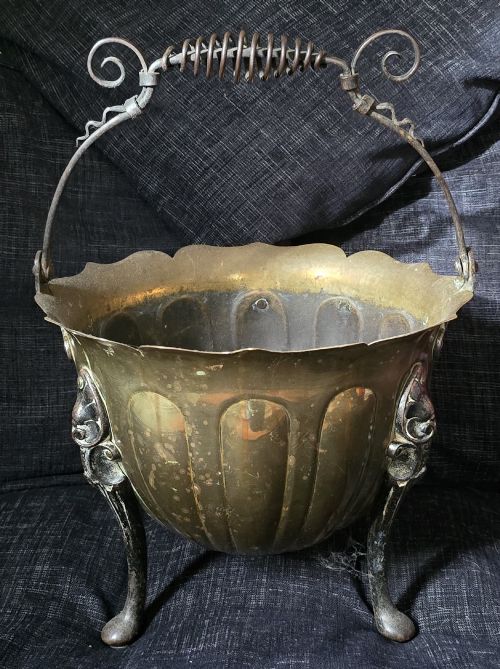
- Coal scuttle
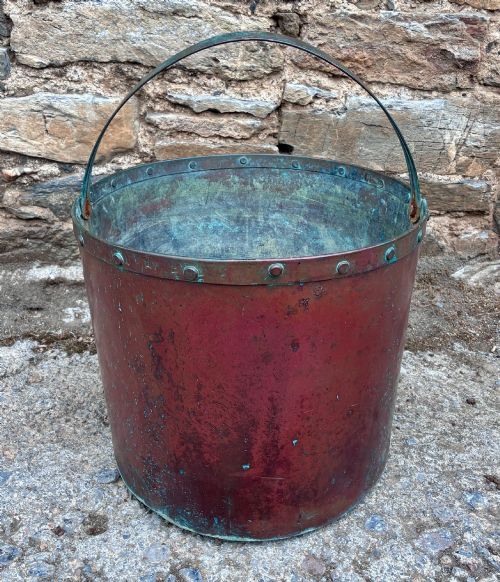
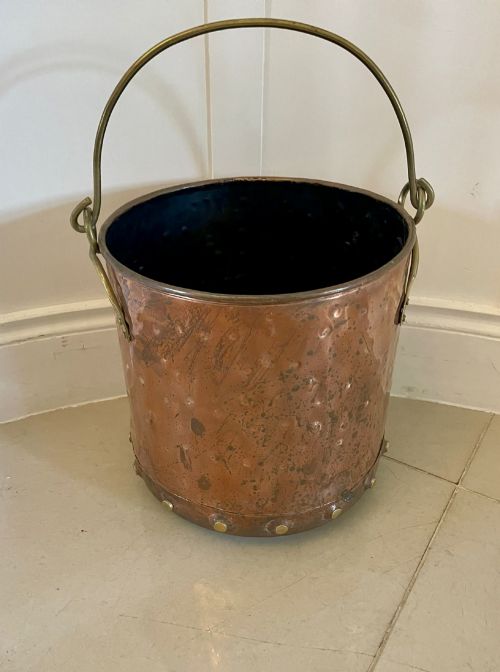
- A container designed for holding fuel near the fire, frequently formed from hammered copper or brass with a swing handle.
- Companion set
- A matched group of fireside tools, usually comprising a poker, tongs, shovel, and brush held on a stand.
Victorian Fireplace Hearth: Frequently Asked Questions
How do I clean brass hearth accessories?
Wash surfaces gently with warm soapy water and a soft cloth to remove soot and dust.
Avoid harsh abrasive compounds that strip aged patination from nineteenth-century brass.
Were club fenders used for seating?
Substantial brass club fenders fitted with leather squab cushions provided comfortable seating close to the fire.
They were built with sturdy internal frames to support the weight of someone sitting.
How do I date a cast iron fire grate?
Look to the decorative motifs, as Gothic Revival and Rococo Revival styles point to mid-nineteenth-century manufacture.
Simpler geometric lines and hammered copper elements generally indicate later Arts and Crafts influence.
Can antique fire grates still burn wood?
Many cast iron baskets and fire backs tolerate regular solid fuel use if inspected for hairline cracks.
Thermal shock can damage brittle nineteenth-century iron, so gentle fires are advisable.