


Victorian Fireplace Furniture
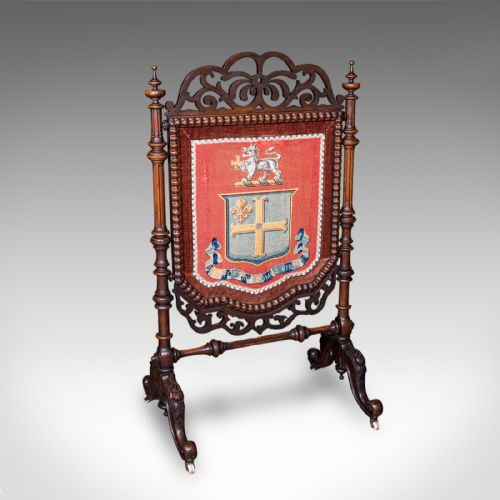
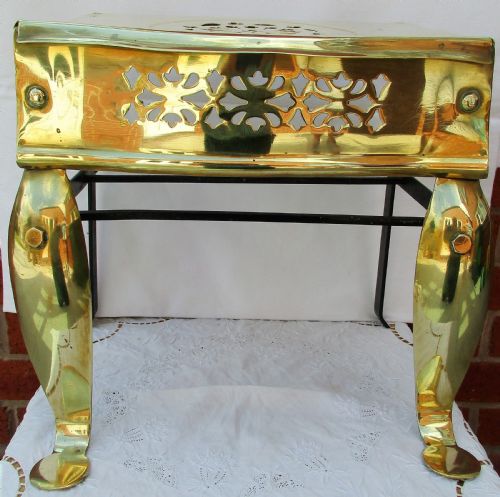
Victorian fireplace furniture brings warmth and character to a hearth through brass firedogs, rosewood pole screens, and carved coal boxes.
Victorian Fireplace Furniture
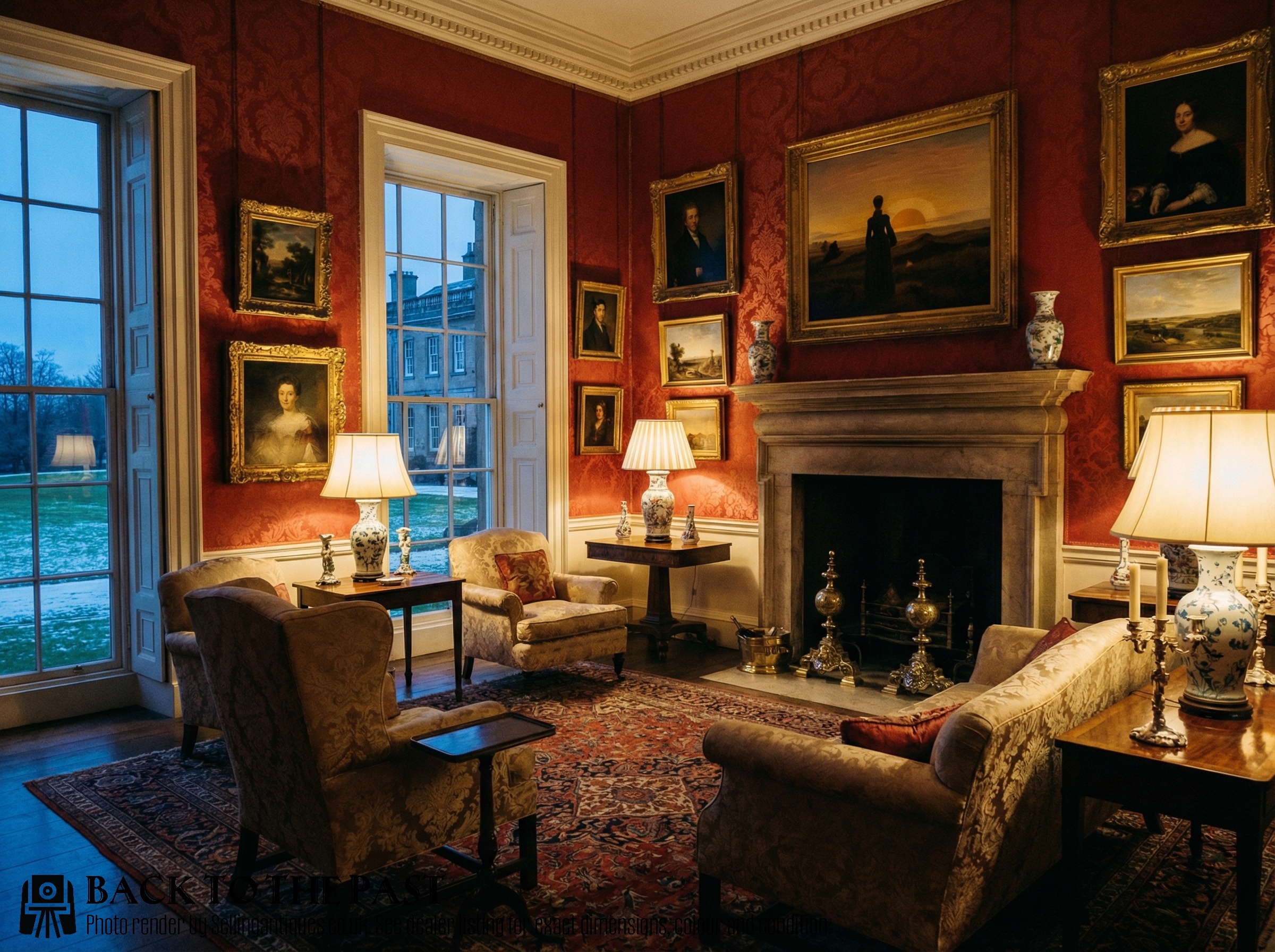
Victorian fireplace furniture encompasses the functional and decorative pieces that surround and service a hearth, ranging from practical coal boxes to decorative fire screens. Buyers seeking this phrase encounter items primarily from the nineteenth century, including pieces reflecting Victorian, Regency, and Aesthetic Movement styles.
The selections available here heavily feature polished brass and rich rosewood, often accompanied by wool tapestry, needlepoint, and carved mahogany. Forms include tripod pole screens, heavy firedogs, and brass-mounted wooden coal boxes designed for domestic utility.
Origin and period vary across the items, with specific examples spanning mid-nineteenth century craftsmanship through to the 1890s. Regional British pieces sit alongside broader European metalwork and Anglo-Indian brassware.
Judging quality and craftsmanship
Quality reveals itself in the crispness of the brass casting and the depth of hand-carved details on mahogany and rosewood bodies. Superior pieces exhibit well-balanced proportions and securely mounted decorative panels.
Material selection dictates longevity, with tight-grained timbers and heavy-gauge metals marking the upper tier of the range. Finer examples integrate functional hardware seamlessly into the overall decorative scheme.
Victorian ladies apparently roasted their complexions so regularly that adjustable pole screens became an absolute necessity for drawing room survival.
The Victorian Fireplace Furniture Glossary
- Pole screen
- A vertical decorative screen mounted on a tall wooden pole with a tripod base, designed to protect the face from the heat of an open fire. The screen panel usually adjusts in height along the central shaft.
- Firedogs
- Supporting metal brackets placed in a hearth to hold logs above the floor for better air circulation. Pairs often display ornate brass or bronze casting.
- Coal box
- A lidded container constructed from timber, such as rosewood or mahogany, used to store fuel beside the fireplace. Many feature brass mounts and internal metal liners.
- Overmantel mirror
- A large mirror designed to hang on the wall directly above the fireplace mantelpiece. These often incorporate Aesthetic Movement or nineteenth-century framing styles.
Victorian Fireplace Furniture: Frequently Asked Questions
What is a pole screen used for?
A pole screen protected a seated person's face from the intense radiant heat of an open coal or wood fire. The adjustable panel could be moved up and down the wooden stem as needed.
In nineteenth-century drawing rooms, these pieces doubled as decorative displays for intricate needlepoint, wool tapestry, and embroidery work.
How do I distinguish brass firedogs from andirons?
Firedogs and andirons largely refer to the same hearth furniture, though terminology often varies by period and region. Both provide structural support for logs within an open fireplace.
Victorian examples frequently pair sturdy iron grates with decorative brass fronts designed to complement other fireside accessories.
Where were coal boxes placed?
Coal boxes sat on the floor beside the fireplace mantelpiece for convenient access during stoking. Their wooden construction disguised the raw fuel while matching the room's rosewood or mahogany furniture.
Most included interior metal liners to contain coal dust and protect the surrounding timber framework.
How do I care for nineteenth-century fireplace brass?
Victorian brass benefits from gentle cleaning with a soft cloth to remove dust and prevent tarnish buildup. Avoid harsh chemical abrasives that can strip historical patination from the metal.
Wooden elements like rosewood and mahogany should be kept away from direct heat sources to prevent the timber from drying out.