
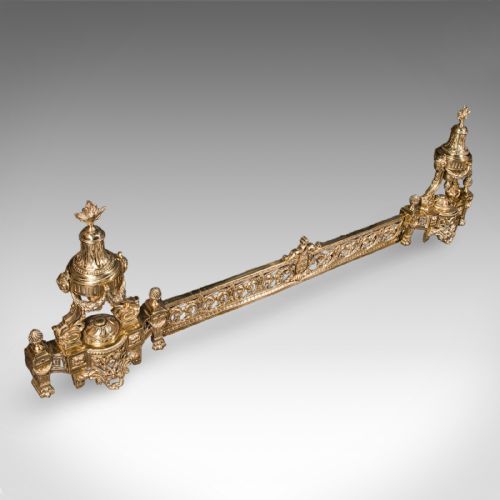
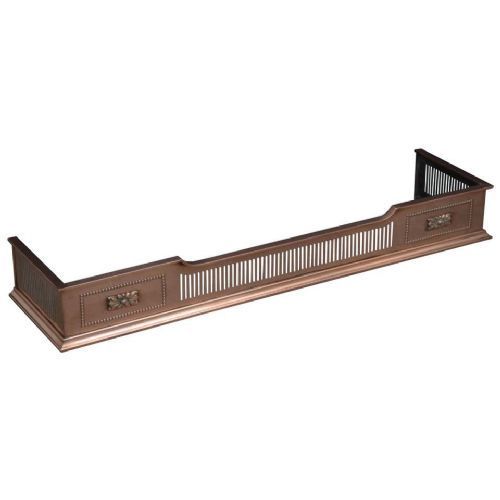

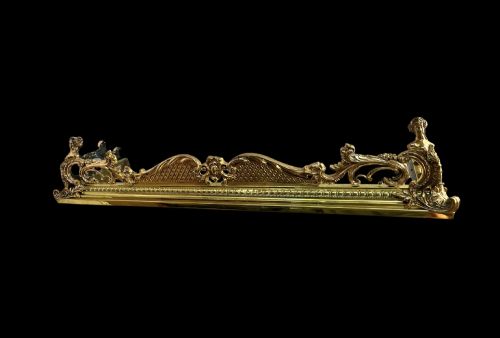
Victorian Fire Kerb
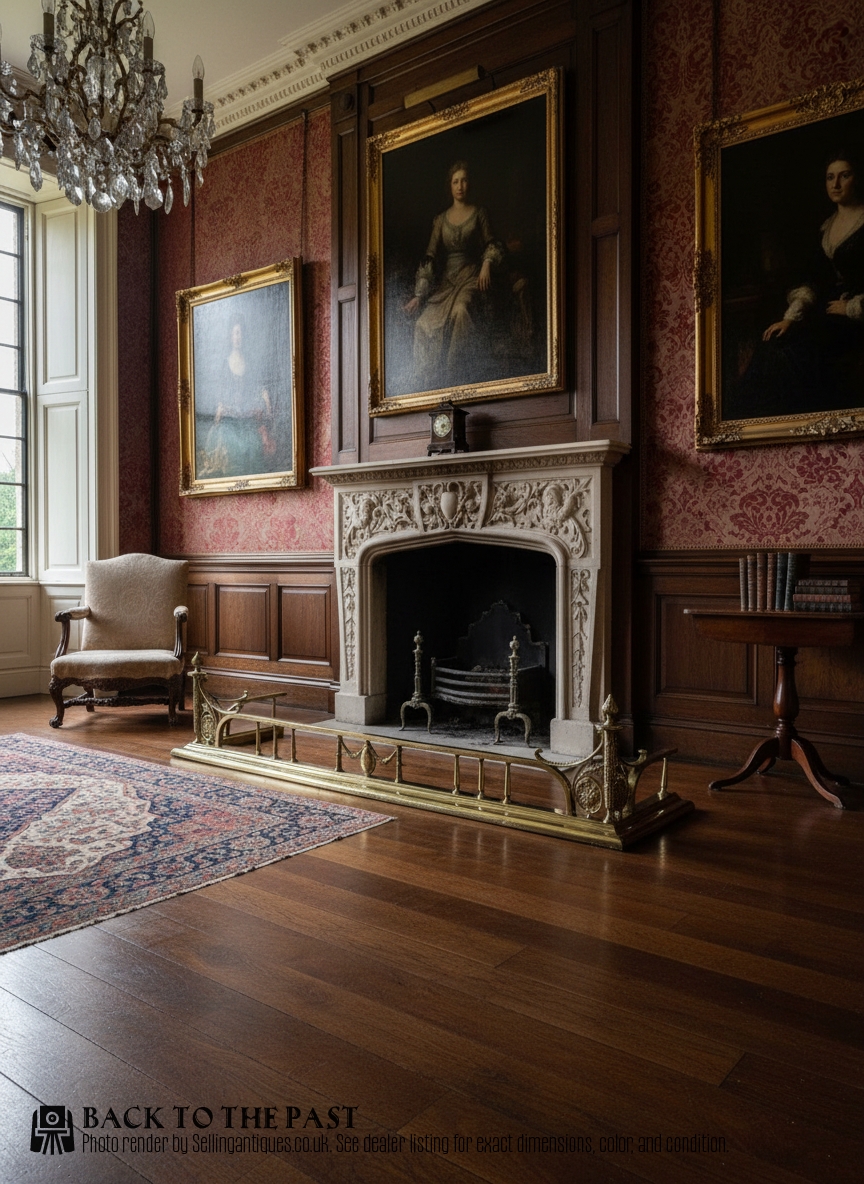
A victorian fire kerb frames the hearth, holding back embers while anchoring the fireplace room with heavy metal or oak.
Victorian Fire Kerb
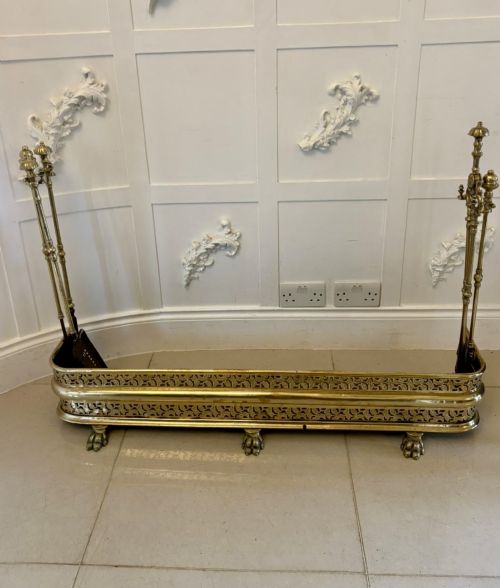
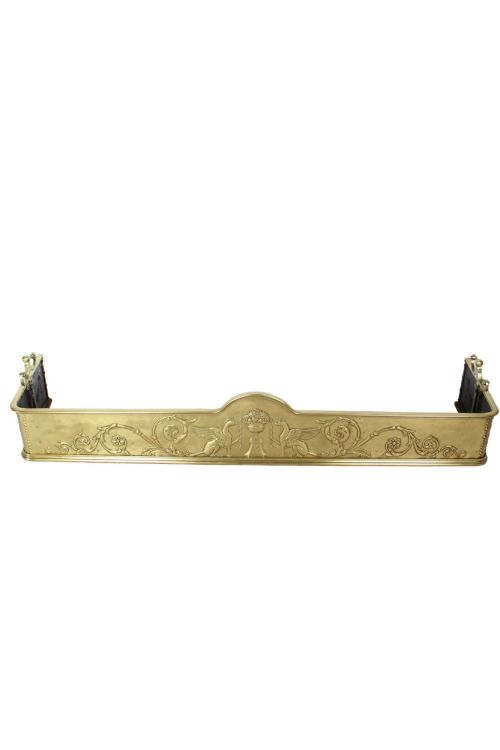
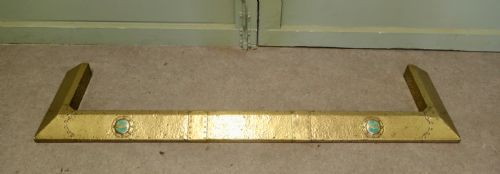
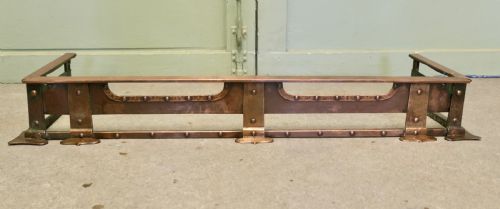
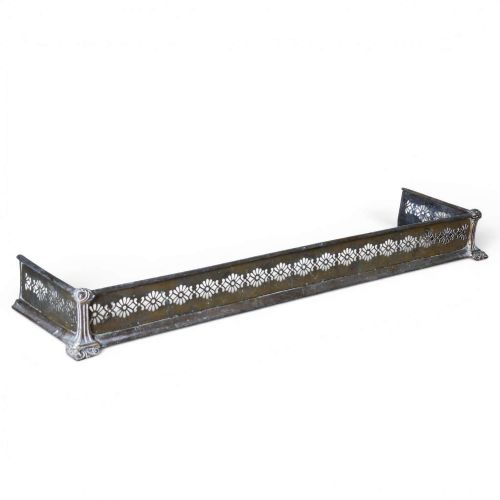
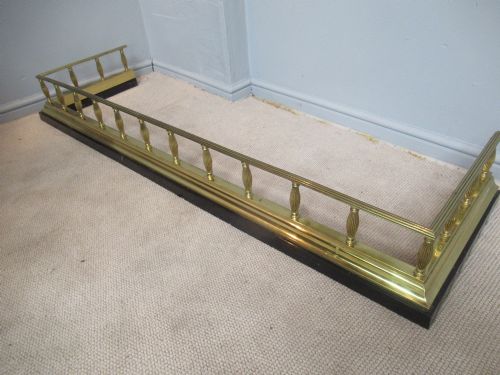
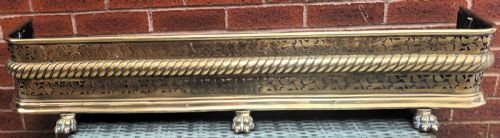
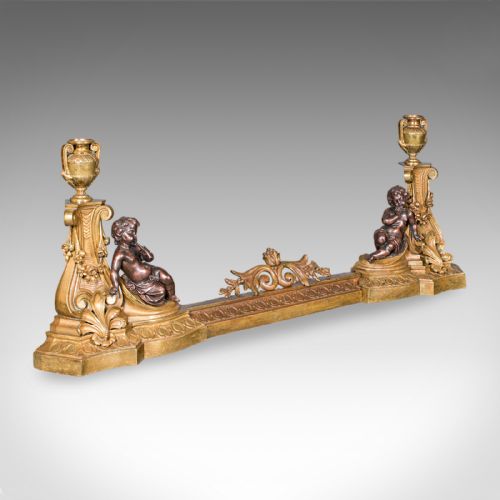
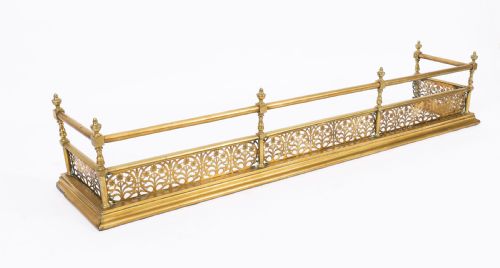
A victorian fire kerb acts as a hearth surround and low barrier placed before a fireplace, designed to contain stray coals and protect floorboards. The pieces seen here span the Victorian and Edwardian periods, appearing in forms such as adjustable hearth fenders, club fenders with upholstered seats, and companion sets with fire irons.
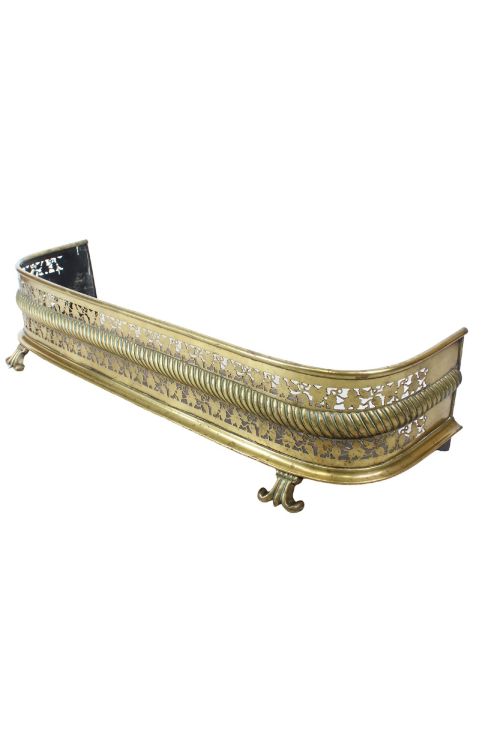
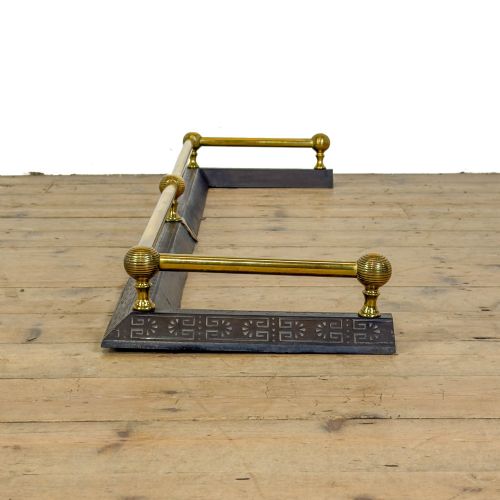
Most examples originate from the nineteenth century, utilising brass, cast iron, copper, and steel. Styles range from plain polished metal to ornate Neoclassical, Art Nouveau, and Arts and Crafts designs featuring pierced foliage, enamel cabochons, and riveted plates.
How they were made
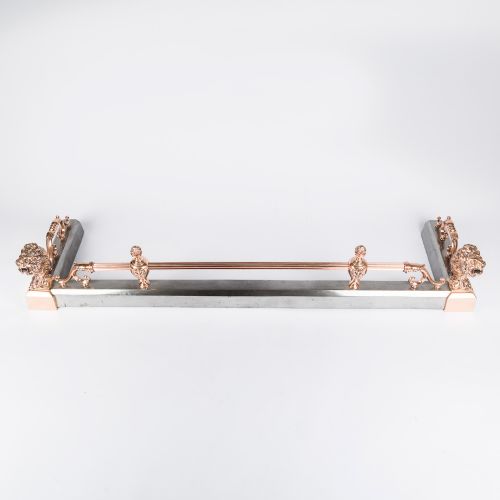
Maker workshops utilised sheet brass and heavy cast iron, employing techniques like piercing, riveting, and beating to shape metal fire kerbs. Polished brass and steel surfaces were finished with decorative details such as flower pateras, lions, and dragon motifs.
Many items incorporate mixed materials, combining steel frames with polished brass rails or integrating oak timbers into club fenders. Riveted copper and beaten bronze demonstrate the metalworking skills typical of the Arts and Crafts movement.
Victorian Fire Kerb Retail Price Guide 2026
Typical asking prices for victorian fire kerb among the pieces listed under this phrase on Sellingantiques today, from the lower quarter to the upper quarter. They describe what is for sale here now, not the wider market.
One exceptional kerb comes equipped with miniature lions standing guard over the hearth.
What varies in quality
Quality shows in the weight of the metal and the crispness of the casting or piercing work on the kerb. Heavy gauges of brass and iron maintain structural integrity better over time than lighter assemblies.
Detailing distinguishes finer examples, from hand-beaten copper panels and green enamel cabochons to the inclusion of original matching fire irons and adjustable mechanisms that operate smoothly.
The Victorian Fire Kerb Glossary
- Fender
- A low metal or wooden guard placed around a hearth to contain ashes and hot embers. They often include rests for fire irons.
- Club fender
- A hearth fender featuring low upholstered seats on either end, creating a cushioned bench close to the fire. These typically utilise oak frames.
- Pierced brass
- Metalwork decorated by cutting or piercing open patterns such as foliate designs through the brass sheet. This technique lightened the visual weight of the kerb.
- Patera
- A circular ornamental bas-relief resembling a classical libation dish, frequently carved or stamped with flower motifs on Victorian metalwork.
Victorian Fire Kerb: Frequently Asked Questions
How do I choose the right size?
Measure the width and depth of your hearth stone before browsing, keeping in mind that some metal kerbs feature adjustable widths.
Ensure you leave sufficient clearance around the fire basket or insert for safety and proportion.
What is the difference between a fender and a kerb?
The terms are largely interchangeable in nineteenth-century hearth furniture, though fire kerb often specifically denotes a low stone or heavy metal plinth.
Both styles serve to contain ash and frame the fireplace opening against the rug or floorboards.
Can these be used with modern fires?
These pieces fit gas, electric, or traditional solid fuel hearths, provided the dimensions match your floor space.
Verify whether your chosen design includes a base tray or sits directly on the hearth surface.
How do I clean brass and copper?
Gentle dusting and occasional wiping with a soft cloth preserve the patinated surface acquired over the decades.
Avoid abrasive metal cleaners that strip away the historical character and aged warmth of the brass or steel.