
Victorian Fine Art Landscape
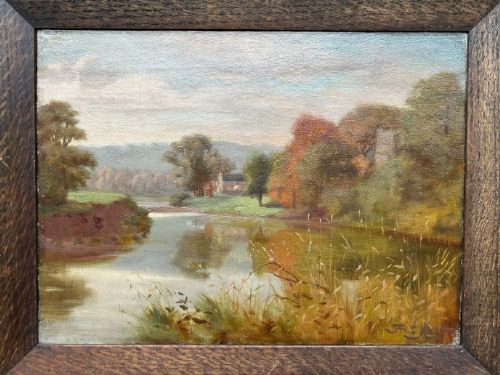
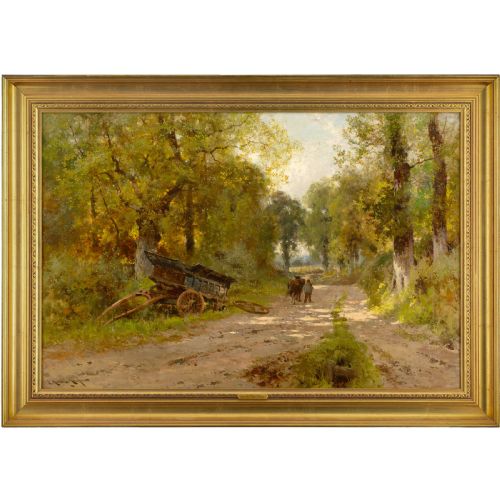
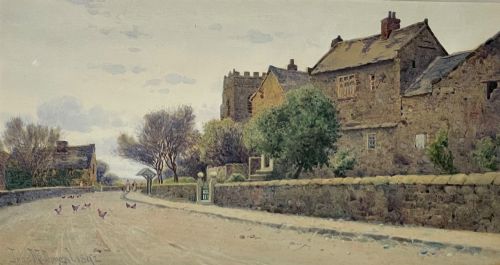
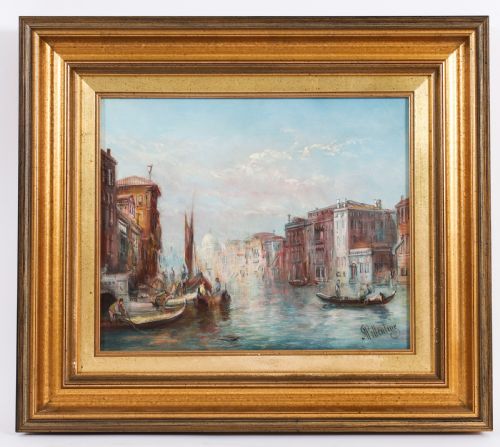
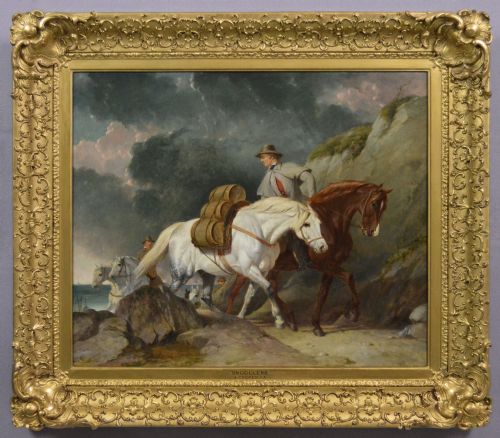
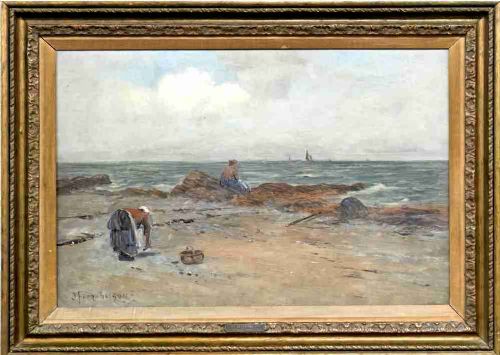
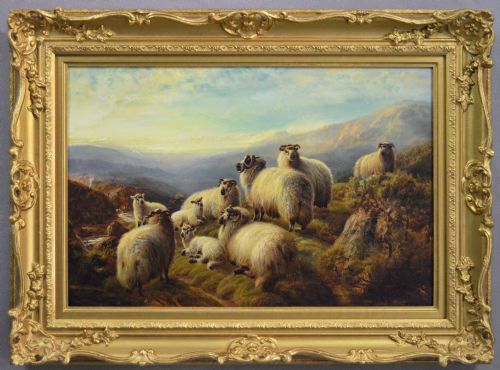
Victorian fine art landscape paintings capture the rolling hills, pastoral scenes, and rugged coastlines of the nineteenth century through oil and watercolour.
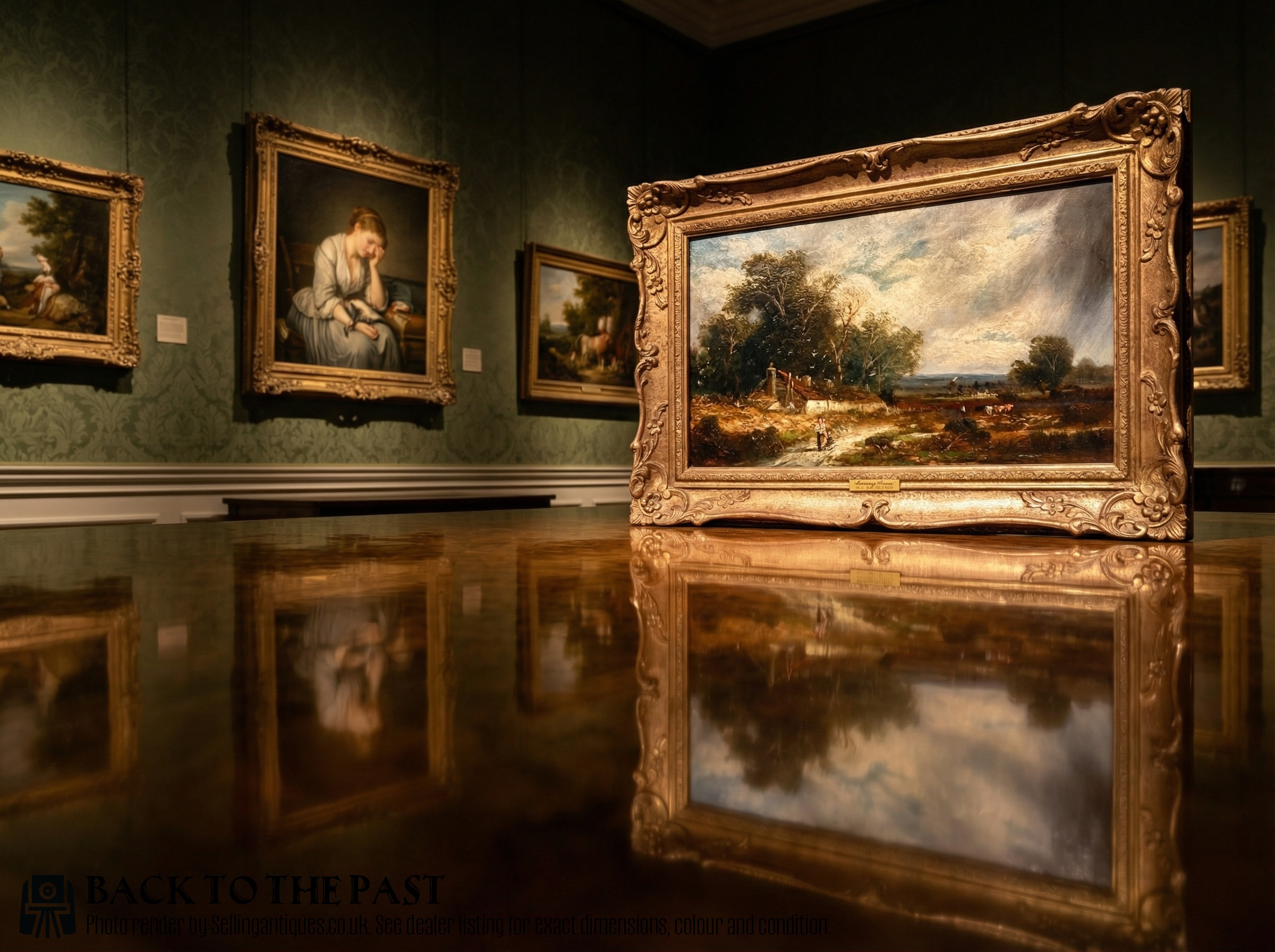
Victorian Fine Art Landscape
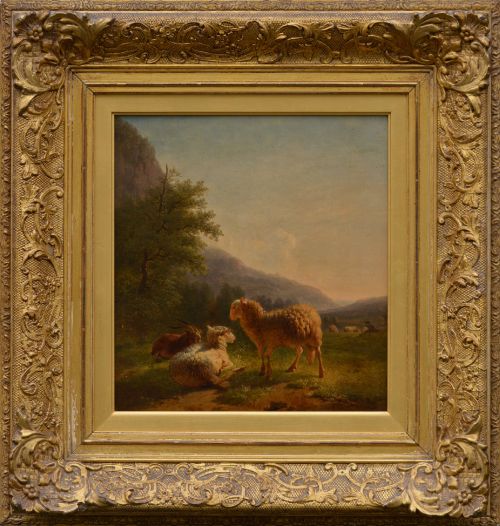
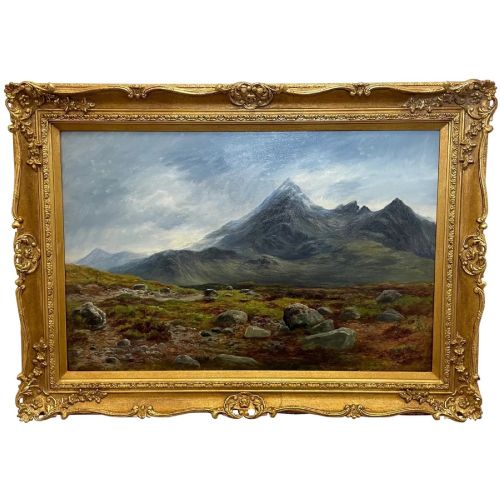
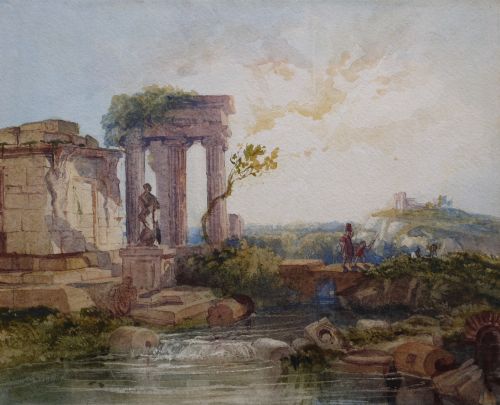
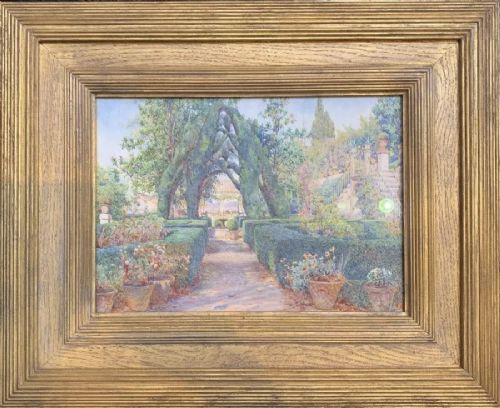
When searching for a Victorian fine art landscape, buyers encounter framed paintings originating primarily from the nineteenth century, spanning various regional schools across Britain and Europe.
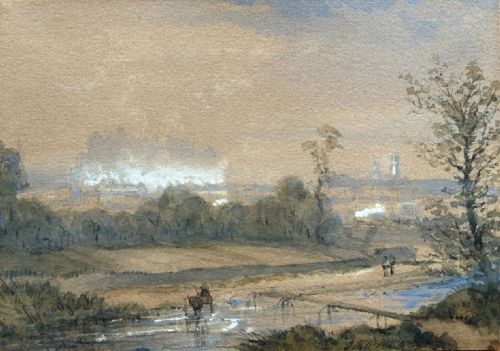
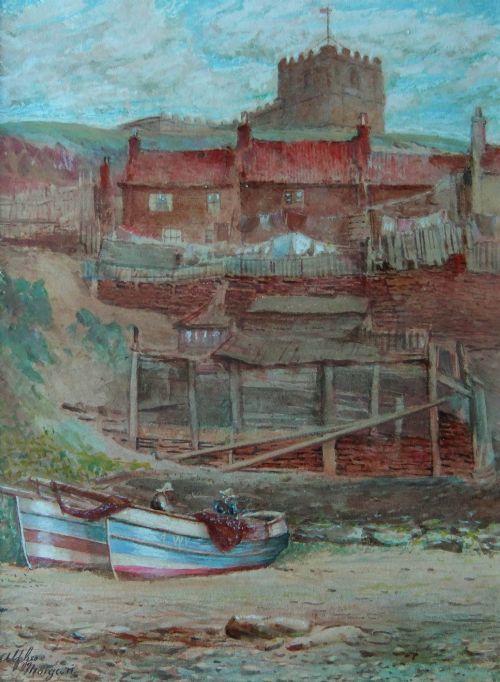
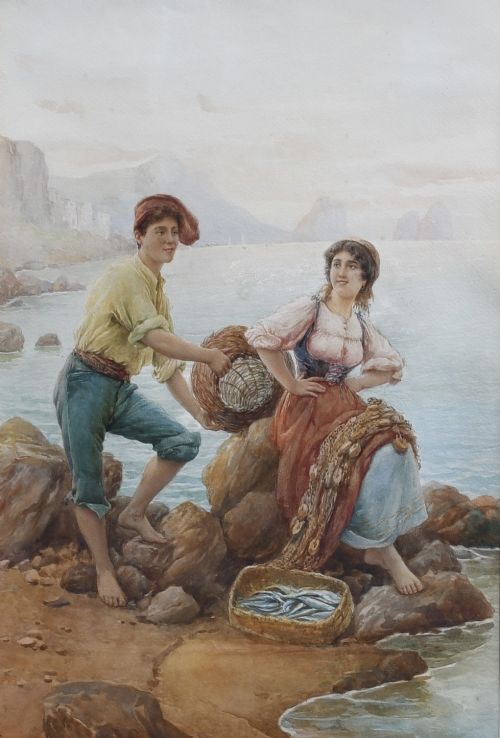
The selections on this page feature oils on canvas and panel alongside detailed watercolours depicting rural villages, mountain ranges, and coastal harbours.
Most pieces date from the mid to late nineteenth century, reflecting the period's distinct interest in romanticism, realism, and natural observation.
Judging Quality
Quality rests upon the artist's handling of light, atmospheric perspective, and natural proportions within the composition.
Subtle brushwork and convincing spatial depth distinguish accomplished works from more formulaic studio productions.
The preservation of the original canvas, stable pigment adhesion, and period-appropriate framing contribute significantly to a piece's standing.
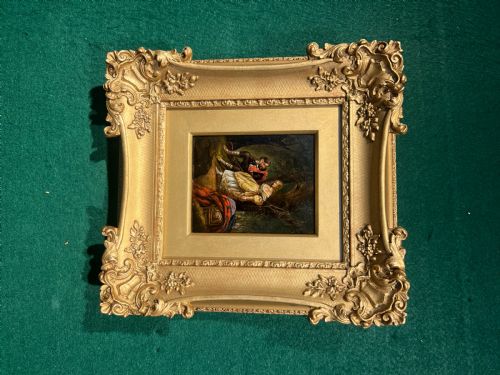
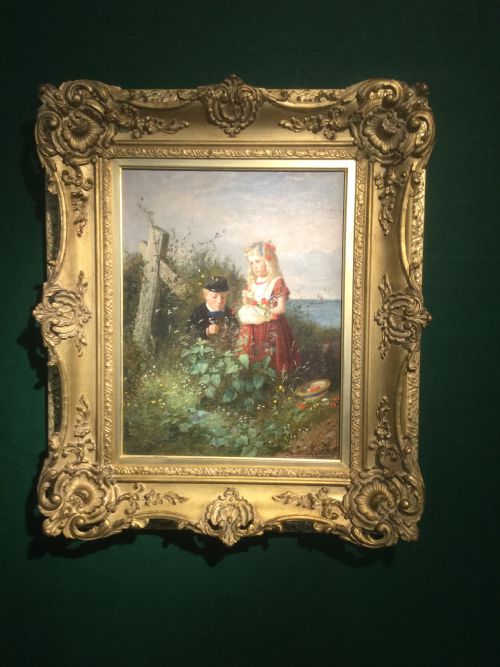
Common painting supports include canvas, wood panels, and heavy paper, housed within period gilt wood and gesso frames.
Eugène Verboeckhoven·William Beattie-Brown·Richard Principal Leitch·Frederick Marriott·John Horace Hooper·John McDougal·Alfred Pollentine·Ernest Arthur Rowe·Abraham Cooper·Joseph Farquharson·Carlo Ferranti·Robert Watson·William Greaves·Henry Schouten·Cornelius Pearson·Alexandre Le Bihan·William Arthur Breakspeare·William Edward Webb·Charles Gregory·Thomas Sidney Cooper·Arthur Herbert Rigg·Arthur Tucker·Thomas Edward Roberts·James Mallard Bromley·James Orrock
The Victorian Fine Art Landscape Glossary
- Oil on Canvas
- Pigment mixed with drying oil applied to a woven fabric support. This combination allowed artists to work on a larger scale and build heavy impasto.
- Watercolour
- A paint consisting of water-soluble pigments used on paper. It was frequently employed for rapid plein-air sketching as well as finished exhibition pieces.
- Gesso
- A paint mixture consisting of a neutral binder mixed with chalk, gypsum, or pigment. It served as a smooth preparation layer for wooden panels and gilded frame mouldings.
- Romanticism
- An artistic movement emphasising emotion, individualism, and awe of untamed nature. It heavily influenced nineteenth-century depictions of dramatic skies and remote mountain terrain.
Victorian Fine Art Landscape: Frequently Asked Questions
How do I care for an antique oil painting?
Keep the artwork away from direct sunlight and steady humidity fluctuations to prevent canvas slackening and paint cracking. Dust the surface gently with a soft, dry brush without applying pressure.
Avoid using water, chemical cleaners, or damp cloths on either the canvas or the gilt frame. Professional conservation should be sought if the varnish darkens or surface dirt accumulates significantly over time.
What is the difference between oil and watercolour landscapes?
Oil paintings utilise thick, opaque pigments on canvas or panel, allowing for layered textures and deep, saturated tones. Watercolours employ translucent washes on paper, creating a lighter and more luminous visual effect.
Oils were typically framed behind open mounts, whereas watercolours required glass protection to prevent moisture and environmental damage to the paper.
How can I tell an original painting from a print?
Examine the surface using a magnifying glass to look for raised brushstrokes, pigment texture, and the distinct weave of the canvas beneath. Prints display a uniform dot pattern or smooth lithographic ink layers lacking physical relief.
Original works also reveal the artist's hand through subtle paint application and variations in gloss, whereas reproductions present a flat, uniform sheen across the entire image.
Where were Victorian landscape artists painting?
Painters travelled extensively across British rural counties, Scottish highlands, and Welsh river valleys to record natural scenery. Many also undertook continental tours, producing views of Italian lakes, Venetian canals, and French rivers.
These scenes were often sketched outdoors before being finalized in urban studio spaces for public exhibition.