




Victorian Female Portrait Picture
A victorian female portrait picture brings nineteenth-century character into a room through oil, watercolour and print.
Victorian Female Portrait Picture
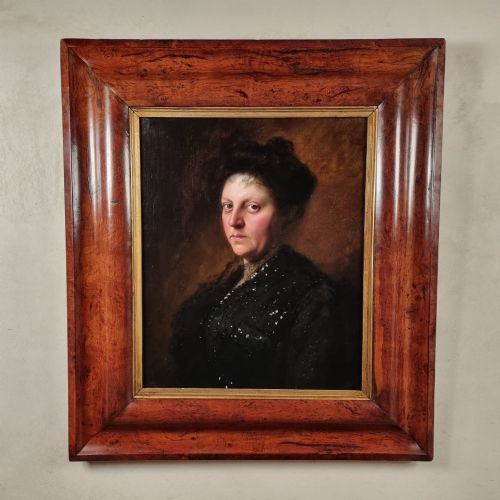
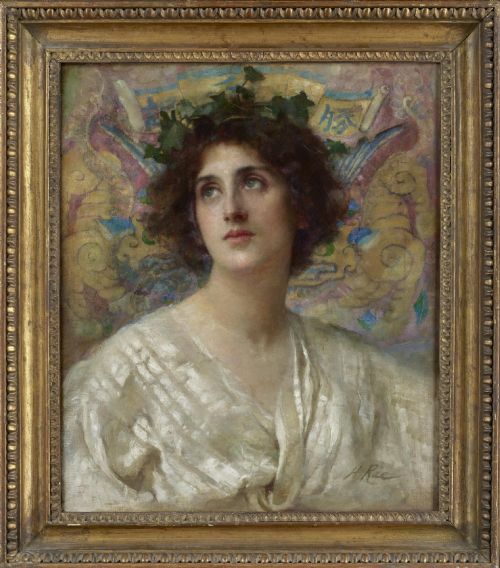
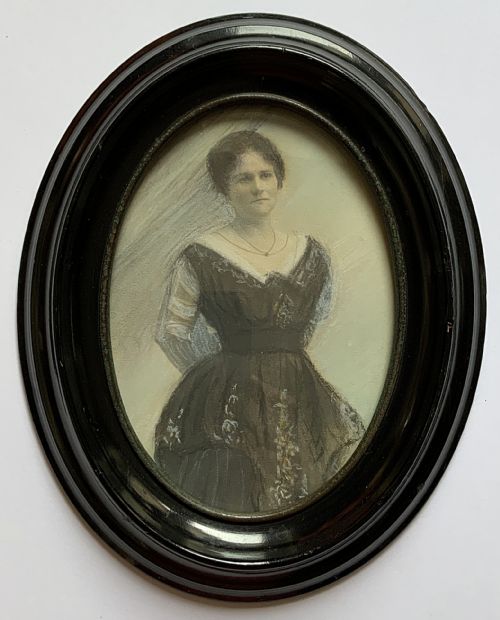
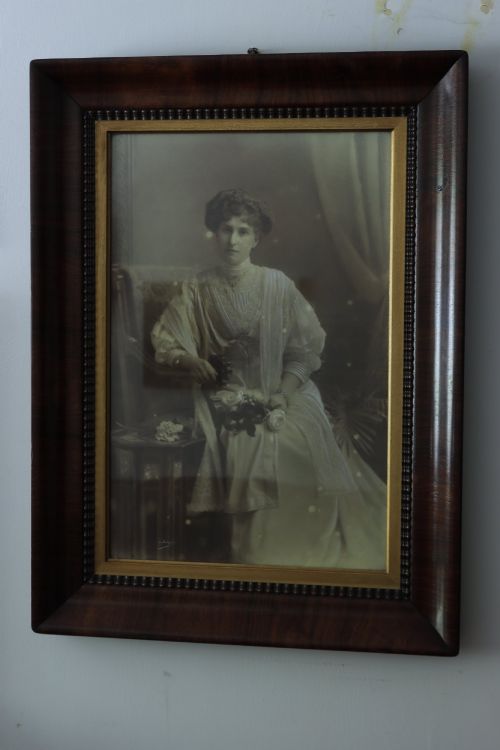
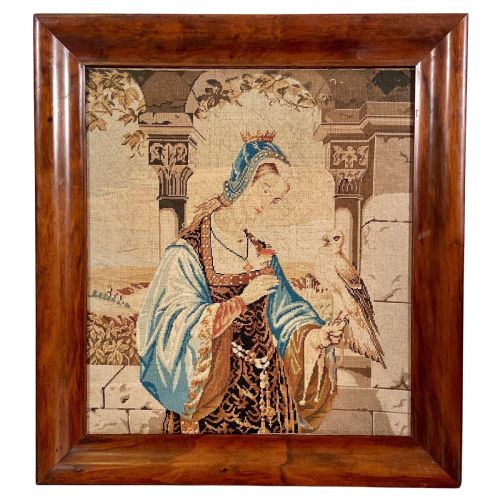
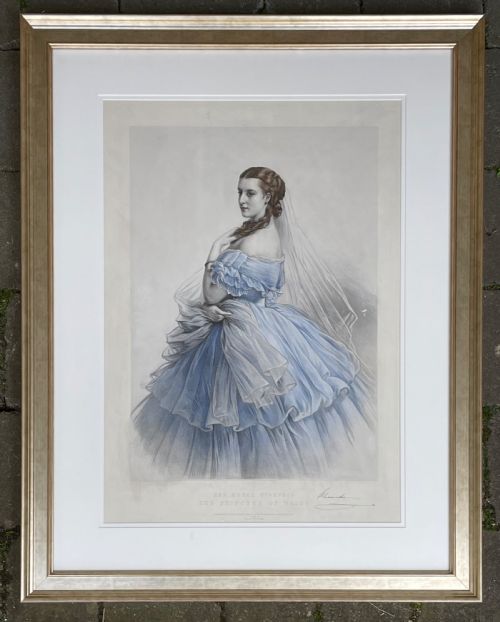
A victorian female portrait picture captures the likenesses of women from the nineteenth century across various media and periods. These works range from large oil paintings on canvas to small watercolour miniatures and delicate prints housed in gilt wood frames.
Buyers frequently encounter nineteenth-century oils and watercolours alongside later Edwardian interpretations and revival styles. The subjects span from named sitters and literary heroines to anonymous beauties depicted in domestic or classical settings.
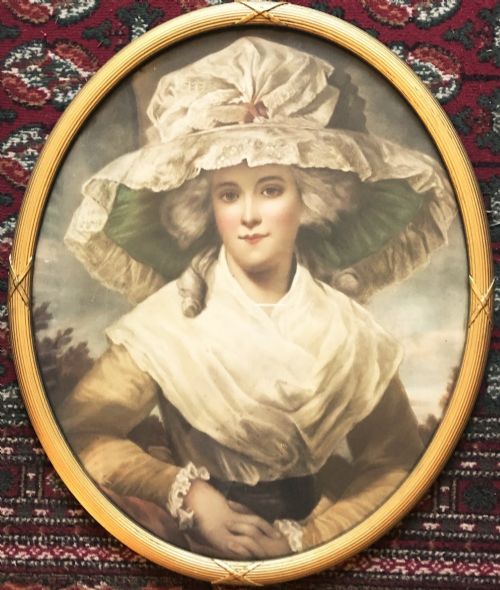
The selection includes framed lithographs, chrystoleums, and porcelain plaques alongside traditional canvas works. Each piece reflects the aesthetic preferences and portraiture traditions of the nineteenth century and adjacent eras.
Materials and techniques
Printmakers employed lithography and chrystoleum techniques to reproduce popular images for domestic interiors. Frame makers used gilt wood and ormolu mounts to complement the tonal qualities of the artwork within.
One young girl is captured in the act of peeling potatoes, bringing domestic realism straight into the formal portrait gallery.
Qualities of execution
The finesse of the brushwork and the precision of facial expression separate master commissions from standard commercial output. Skilled artists captured texture in hair and fabric, whereas lesser works rely on formulaic repetition.
Original framing and the preservation of the surface pigment influence the integrity of the piece. Works retaining their initial gilt frames and unblemished glass or varnish hold greater visual coherence.
Henrietta Rae·Alexander Maclean·Robert Faulkner·Samuel Lawrence·Charles Edward Wilson
The Victorian Female Portrait Picture Glossary
- Chrystoleum
- A method of applying a hand-coloured print to glass and backing it with oil paint to create a luminous finish. This technique gained popularity in the nineteenth century for producing affordable decorative images.
- Lithograph
- A planographic print made from a stone or metal plate treated to repel ink except where desired. The process allowed for the mass production of detailed portraits.
- Ormolu
- Gilded bronze used for decorative mounts and frames on nineteenth-century plaques and artwork. It adds a metallic lustre that complements giltwood framing.
- Miniature painting
- A small-scale portrait requiring fine detail and delicate brushwork, often executed on paper, ivory or porcelain. These intimate pieces were frequently housed in protective oval frames.
- Watercolour
- A paint consisting of pigment suspended in a water-soluble binder, applied to paper to create translucent washes of colour. It offers a lighter alternative to heavy oil paints.
Victorian Female Portrait Picture: Frequently Asked Questions
How do I hang a heavy oil portrait?
Secure the frame using appropriate wall fixings that match the weight of the canvas and gilt wood. Ensure the wire or brackets on the reverse are firmly attached to the wooden stretcher.
Position the picture at eye level to replicate historical display methods and protect the surface from direct sunlight.
Can I clean the glass on a framed print?
Use a soft cloth slightly dampened with water to wipe the glass surface gently. Avoid spraying liquid directly onto the frame to prevent moisture damage to the paper or print underneath.
Keep harsh chemical cleaners away from antique giltwood and painted surfaces.
What is the difference between an oil and a lithograph?
An oil painting is a unique hand-painted artwork created with pigmented oils on canvas or wood. A lithograph is a printed reproduction created through a chemical printing process from a prepared stone or plate.
Close inspection under magnification reveals the brushstrokes of a painting versus the dot or ink pattern of a print.
How should I store unhung portrait miniatures?
Store delicate watercolours and miniatures in a temperature-controlled environment away from dampness and extreme heat. Acid-free tissue and archival boxes protect paper and pastel from degradation.
Limit exposure to bright light to prevent the fading of watercolours and pigments.