



Late Victorian Portrait Picture
A late victorian portrait picture brings a remarkably direct window into past lives, capturing faces from the late nineteenth century through oil, watercolour, and photography.
Late Victorian Portrait Picture
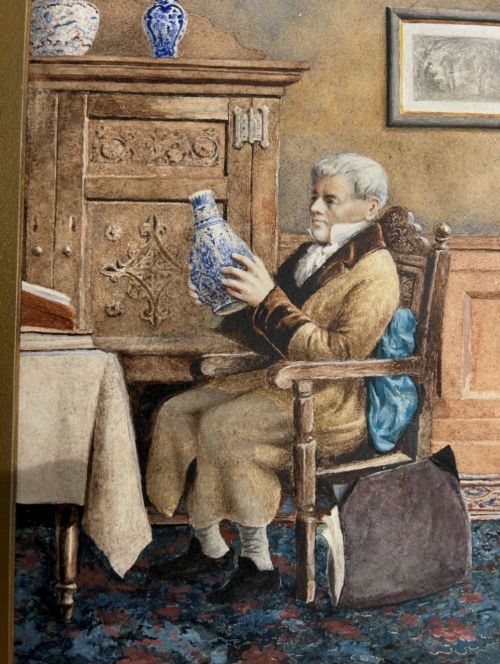
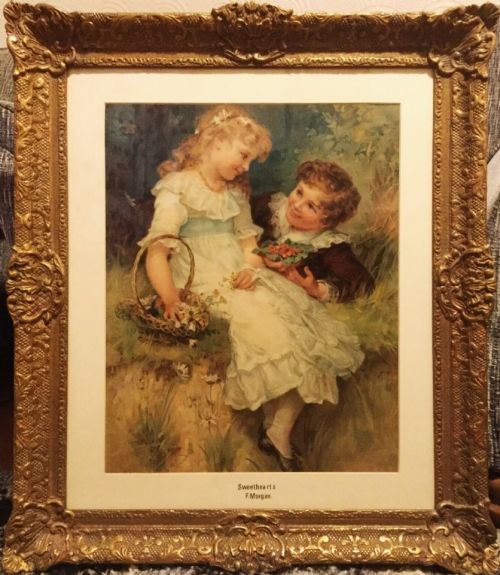
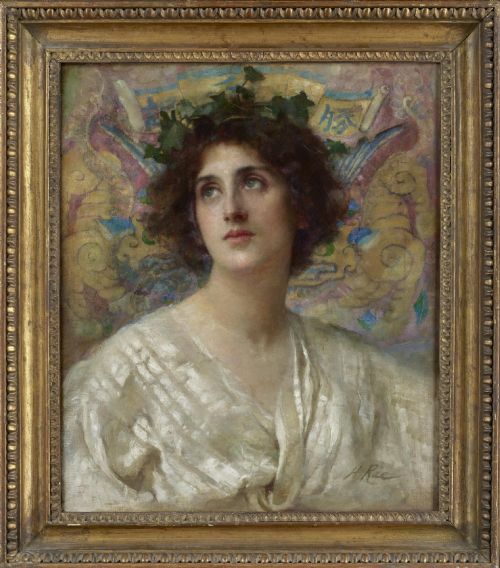
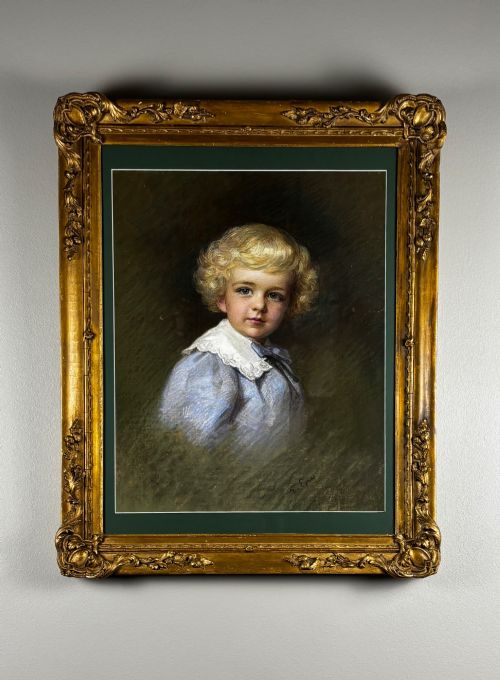
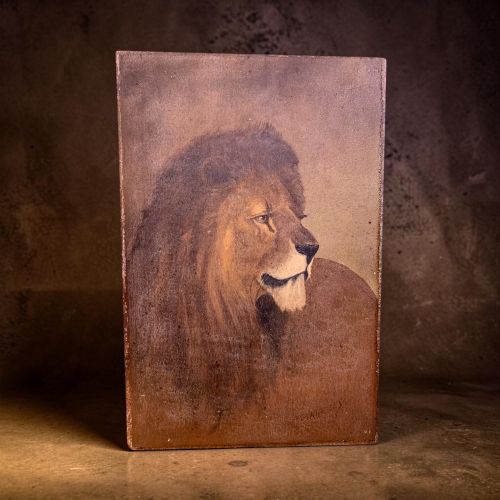
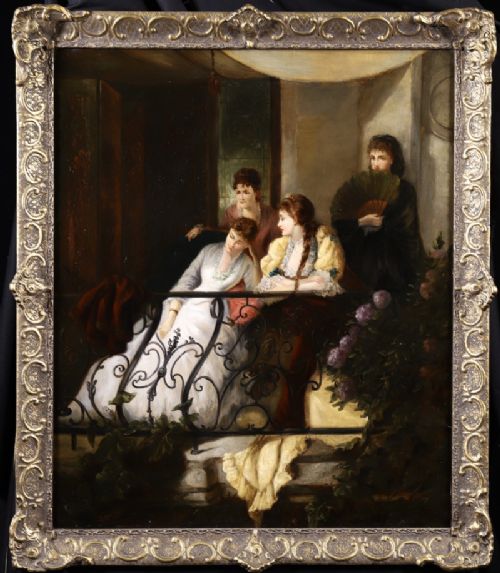
A late victorian portrait picture encompasses diverse forms including oil paintings, watercolours, pastel works, silhouettes, and framed photographs. These pieces record human subjects, children, animals, and character studies created during the closing decades of the nineteenth century and the early years of the twentieth century.
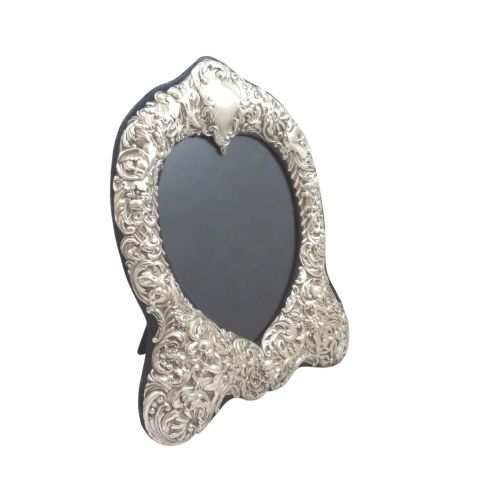
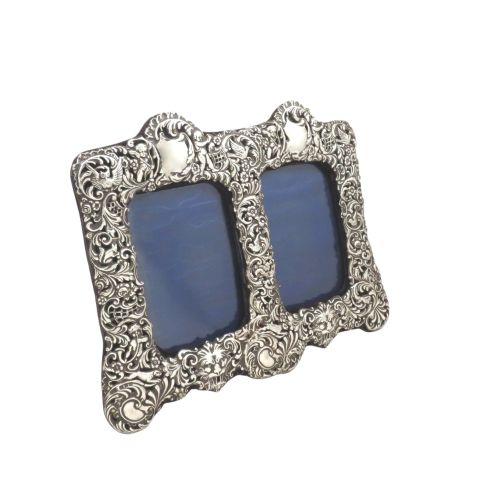
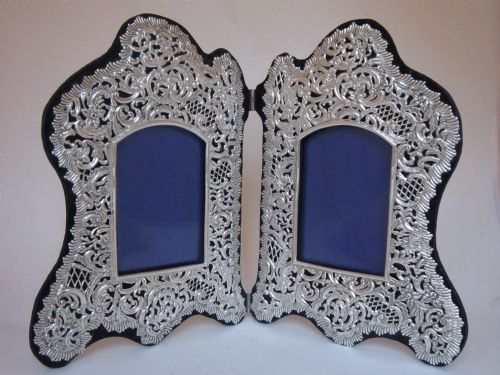
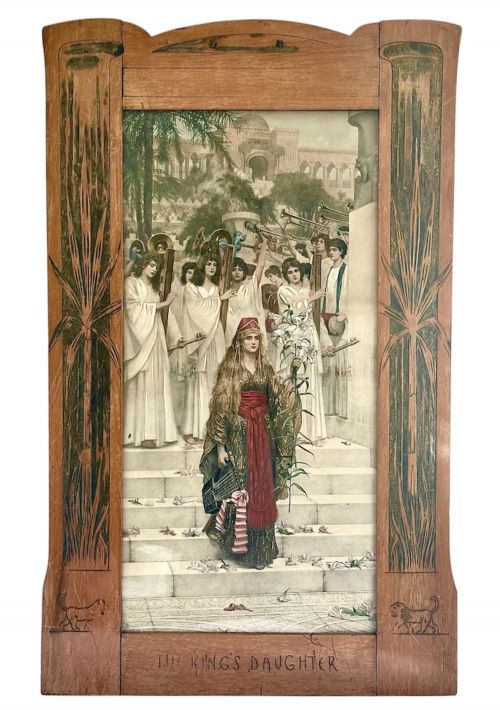
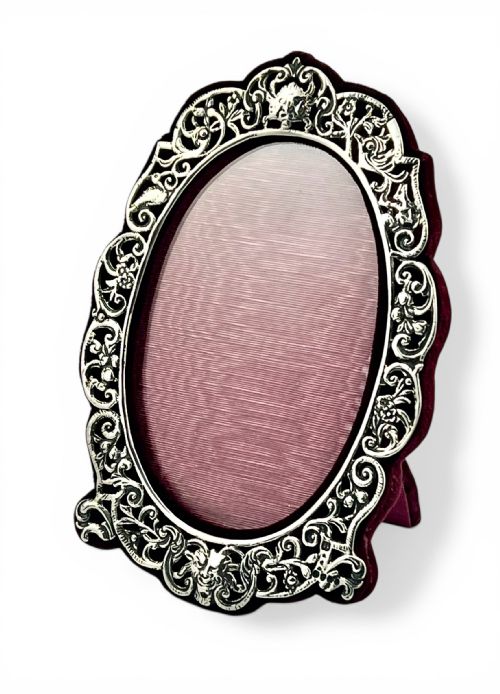
The versions most commonly met here range from sterling silver framed photographs and photogravures to original oil paintings and watercolour genre portraits. Makers and artists of the period utilised canvas, paper, glass, and wood to preserve these likenesses.
The selection reflects both formal studio portraiture and more intimate domestic representations. Stylistic influences span Victorian classicism, folk art, realism, and early Edwardian sensibilities.
How they were made
Artists and makers constructed these works using oil paint on canvas, watercolour and pastel on paper, or mixed media, often housed behind protective glass. Frames were fashioned from sterling silver, gilt wood, and ormolu, sometimes backed with velvet.
Photographic portraits and prints employed contemporary processes such as photogravure and chrystoleum, mounted within hinged metal or wooden surrounds. Hallmarked silver frames demonstrate specialist silversmithing techniques of the late 1890s.
Materials documented across the pieces include glass, paper, wood, sterling silver, velvet, canvas, gilt wood, and oil paint.
What varies in quality
Quality rests upon the skill of the execution, the fidelity of the likeness, and the preservation of the materials. Fine hand-painted oils and pastels by recorded artists display greater draughtsmanship than mass-produced prints.
The grade of the framing materials also distinguishes the pieces. Solid sterling silver frames with clear hallmarks and intricate ormolu mounts indicate superior workshop production compared to simpler wooden or fabric alternatives.
Henry Stacy Marks·Frederick Morgans·Herbert Gustave Schmaltz·Emily Eyres·John A Monteith·Syner & Beddoes·K & K Hof Atelier Pietzner·Kathleen Winifred Molesworth·Eva Hollyer
The Late Victorian Portrait Picture Glossary
- Photogravure
- An intaglio printing process that produces photographic images with continuous tones. It allows for rich tonal depth and fine detail in portrait reproductions.
- Chrystoleum
- A method of applying hand-colouring to a convex glass-mounted photograph. The paper backing was removed, leaving the transparent image ready for delicate painting.
- Grisaille
- A painting executed entirely in monochrome shades of grey, neutral grey, or low saturation hues. It often served as a preparatory underpainting or an intentional aesthetic choice.
- Ormolu
- Gilded bronze furniture mounts and decorative frames popular in the nineteenth century. The technique involves applying a finely ground high-carat gold-mercury amalgam to shaped brass or bronze.
- Genre portrait
- A painting depicting subjects from everyday life rather than formal portrait commissions. These works capture narrative moments and informal character studies.
Late Victorian Portrait Picture: Frequently Asked Questions
What defines a late victorian portrait picture?
These works comprise painted, drawn, and photographic likenesses produced in the final decades of the nineteenth century. They reflect the aesthetic and social values of the period through diverse artistic mediums.
The selection includes formal oil paintings, intimate watercolours, silhouette profiles, and silver-framed photographs. Each format offers a distinct glimpse into late nineteenth-century portraiture traditions.
How should I display silver photo frames?
Sterling silver frames from this era require stable indoor environments away from direct sunlight and excessive humidity. Regular, gentle dusting preserves the metal surface without wearing away fine details.
Position them on stable surfaces where their structural integrity and hallmarks remain visible. Avoid harsh chemical polishes that can damage the delicate antique silver and underlying backing materials.
How can I tell periods apart?
Dating relies on stylistic clues, framing techniques, and material composition. Pieces from the late nineteenth century often incorporate specific Victorian motifs, heavy silver hallmarks, or traditional oil painting supports.
Later transitions into the twentieth century introduce Edwardian minimalism and early photographic reproduction methods. Examining the reverse of the frame or canvas backing frequently reveals helpful maker marks or dates.
Were these portraits meant for domestic use?
Most portrait pictures from this era served as personal mementos for family display within domestic interiors. Smaller frames rested on mantelpieces and writing desks, while larger oils hung in reception rooms.
Photographs and watercolours captured family milestones, children, and respected acquaintances. This private function explains the prevalence of portable silver frames and intimate pastel mediums.