

Victorian Extendable Dining Table
A victorian extendable dining table is a solid timber gathering piece built to grow for dinner parties and retract for daily room.
Victorian Extendable Dining Table
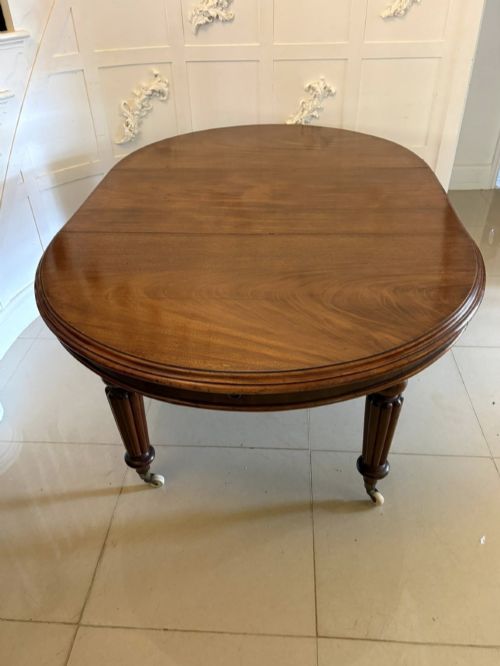
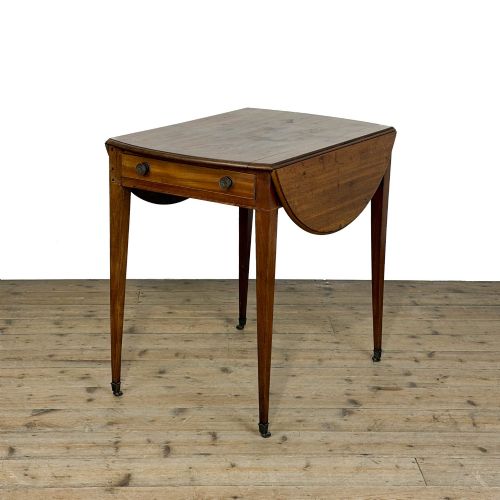
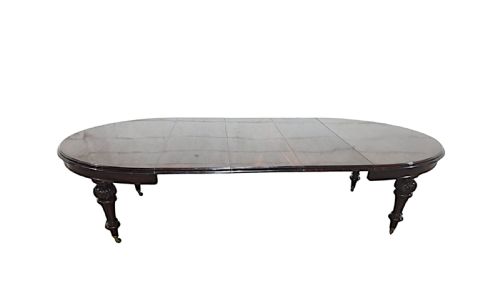
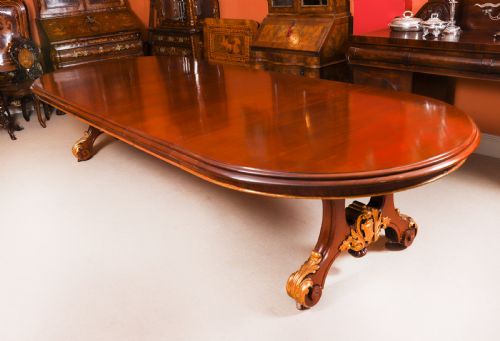
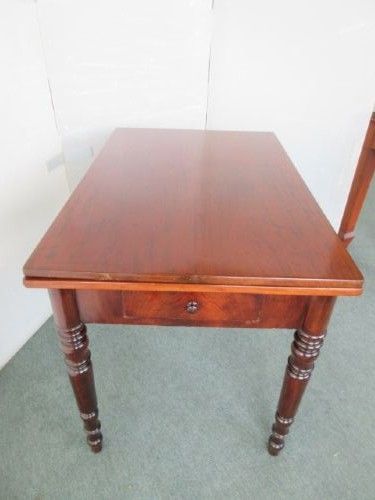
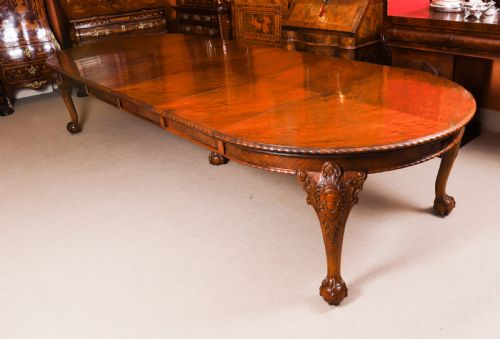
A victorian extendable dining table brings together nineteenth-century craftsmanship and practical design, offering solutions for both modest rooms and large halls. Buyers encounter several distinct variations on this page, ranging from compact drop-leaf cottage models to grand sixteen-seater examples with multiple extra leaves.
The dominant timber across these pieces is mahogany, accompanied by occasional examples in walnut and oak. Workshops built these tables to adapt, utilising mechanical wind-out systems, draw-leaf mechanisms, or pedestal pillars to support extra weight when fully opened.
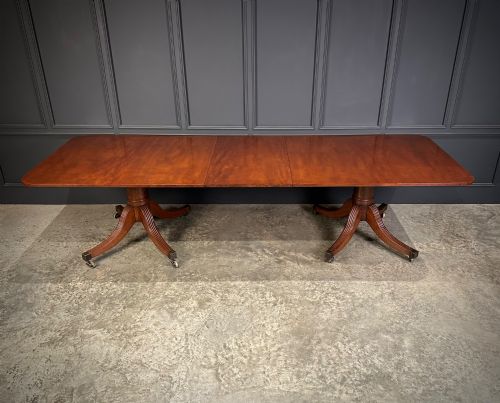
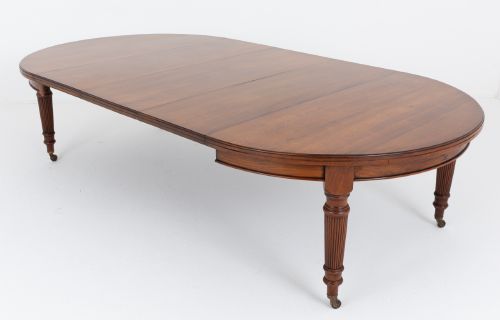
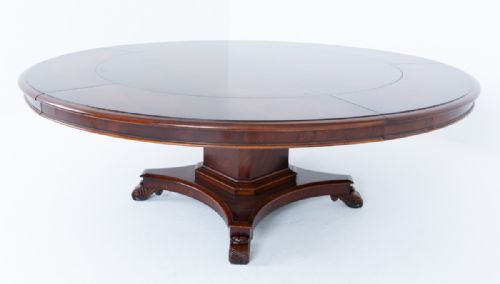
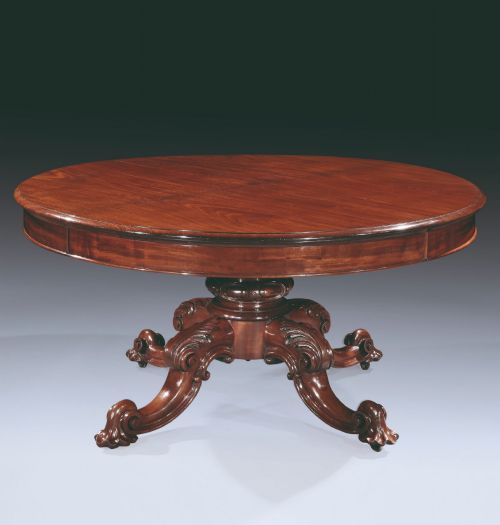
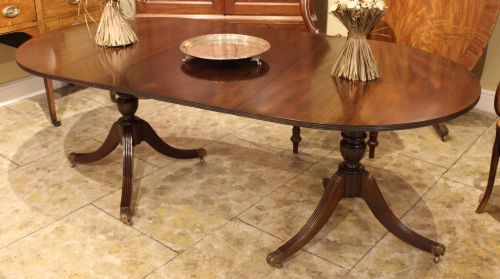
Origins span standard nineteenth-century English production alongside notable regional pieces from Irish makers. Forms include D-end configurations, circular tops, twin pedestals, and split bases supported on castors for mobility.
Materials and Construction Methods
Cabinetmakers relied heavily on solid and figured mahogany, selected for durability and rich grain patterns, while walnut and oak appear in specific regional and stylistic variants. Timber boards were joined meticulously to form stable tabletops capable of accepting extra leaves without sagging.
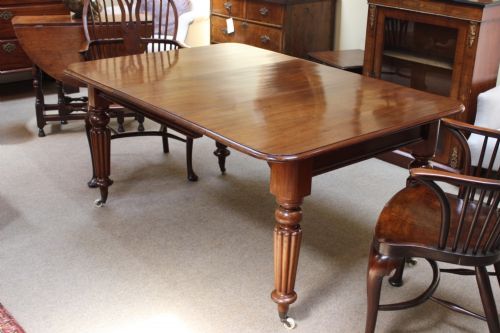
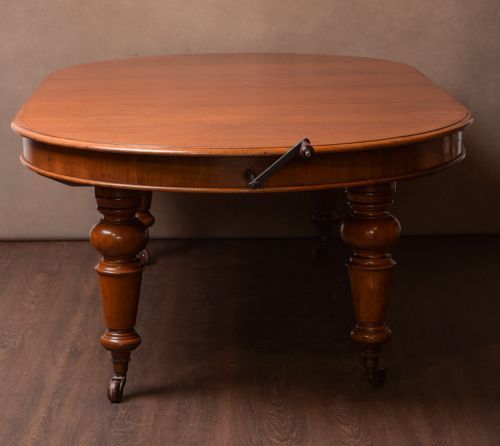
Internal engineering defined the extendable nature of these pieces, employing brass winding mechanisms, wooden runners, and robust pedestals or multiple legs. Metal castors were frequently fitted to the feet to allow heavy timber tables to move smoothly across floorboards.
Victorian Extendable Dining Table Retail Price Guide 2026
Typical asking prices for victorian extendable dining table among the pieces listed under this phrase on Sellingantiques today, from the lower quarter to the upper quarter. They describe what is for sale here now, not the wider market.
Several tables roll about on sturdy brass castors, built so diners could literally push the furniture out of the way for after-dinner dancing.
Distinctions in Quality and Make
Superior examples separate themselves through the selection of figured mahogany timber and the presence of original matching leaves that retain uniform colour and grain. Master workshops invested heavily in the concealed metal winding mechanisms, ensuring smooth operation over generations of daily use.
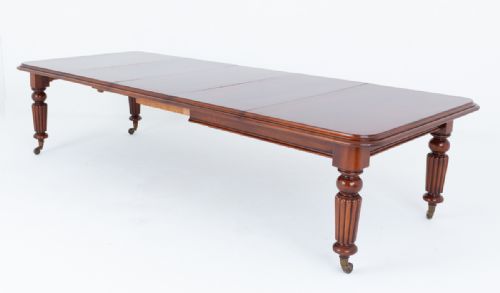
Carved detail on the legs and pedestals, such as ball and claw motifs or crisp reeding, marks out superior cabinetmaking from standard commercial production. The inclusion of original winding handles and stable, well-aligned support legs indicates a higher tier of original manufacture.
Wylie & Lochead Glasgow·Maple & Co·F & J Smith
The Victorian Extendable Dining Table Glossary
- Wind out
- A mechanical system operated by a handle that expands the frame of a table to receive extra leaves. This allows a single person to adjust the length with minimal effort.
- D-end
- A table style featuring semi-circular ends that detach or fold, often forming part of a larger modular dining arrangement. When separated, the individual sections can function as side tables.
- Draw leaf
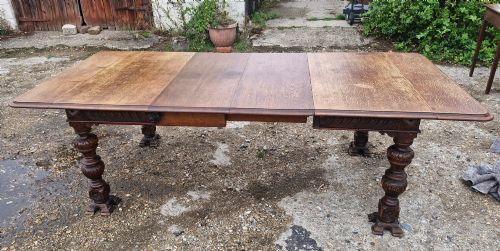
- A clever extension system where auxiliary leaves slide out from beneath the main tabletop. These boards store neatly inside the frame when not in use.
- Castor
- A small wheel fitted to the base of table legs to ease movement across heavy carpets and wooden floors. They were frequently cast in brass during the nineteenth century.
- Pedestal
- A central vertical support column that carries the weight of the tabletop down to a branched foot. Twin pedestal formats utilise two such supports for added stability on long tables.
Victorian Extendable Dining Table: Frequently Asked Questions
How do wind out tables work?
These tables contain internal wooden runners connected to a metal screw mechanism operated by a removable crank handle. Turning the handle drives the two halves of the table apart to create a gap for insertion leaves.
Once the gap matches the width of the leaves, the mechanism locks firm to hold everything securely in place. Original handles often survive with the table and match the internal winding screw.
How many people can these tables seat?
Seating capacity ranges widely depending on the number of original or added leaves stored with the frame. Smaller cottage models comfortably seat six, while grand sixteen-seater versions accommodate large gatherings.
Measuring the length with all leaves inserted provides a clear indication of maximum dining capacity. Allowance must be made for chair widths along the length of the extended frame.
How do I care for a mahogany dining surface?
Polished mahogany requires regular dusting with a soft cloth and occasional treatment with quality beeswax to nourish the timber. Direct sunlight should be avoided to prevent uneven fading of the polished grain over time.
Using mats under hot dishes and promptly wiping away moisture protects the polish from marking. Maintaining a stable room temperature prevents the solid timber boards from splitting.