
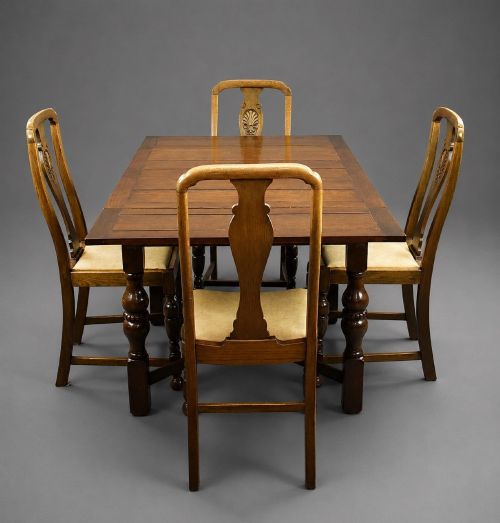
Extendable Leaf Dining Table
An extendable leaf dining table adapts for large gatherings through clever mechanisms, offering solid timbers and period charm for daily meals and feasts.
Extendable Leaf Dining Table
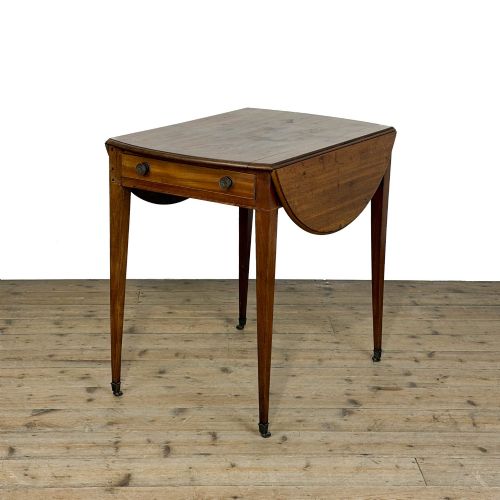
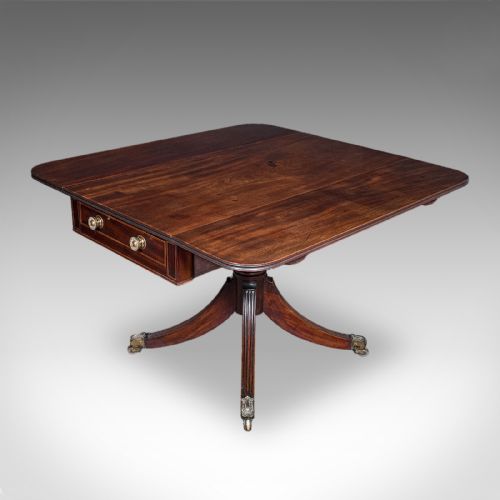
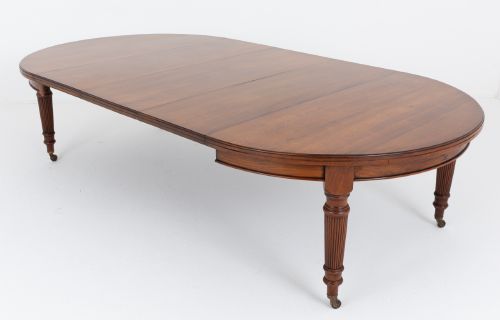
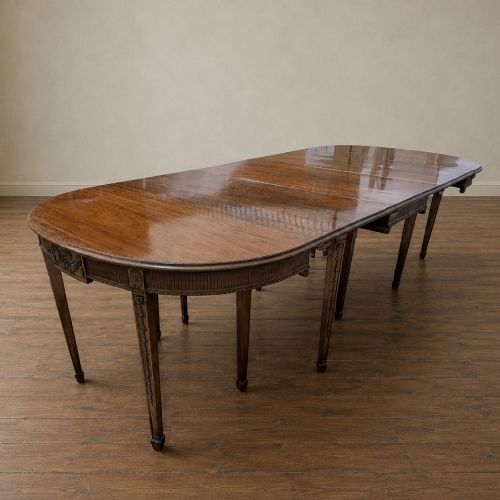
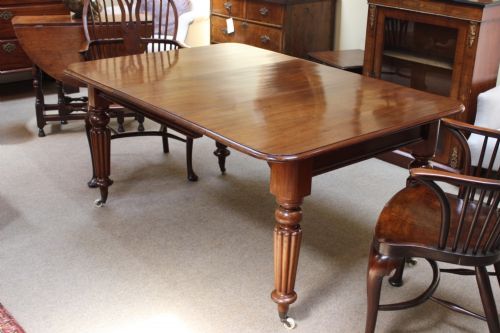
An extendable leaf dining table provides flexible seating arrangements by integrating removable leaves, pull-out extensions, or drop leaves into the primary surface. You will frequently encounter mahogany and oak examples spanning the Georgian, Regency, and Victorian periods.
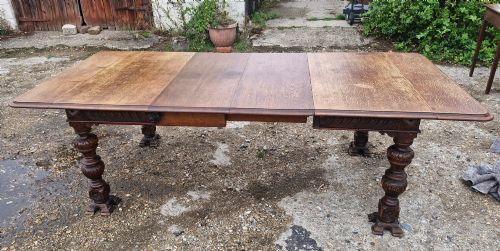
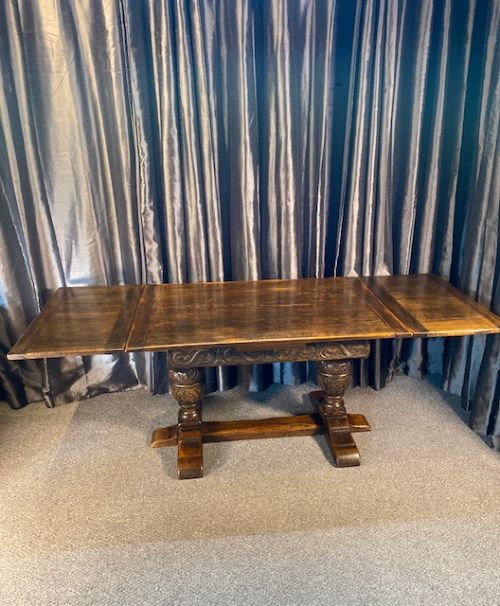
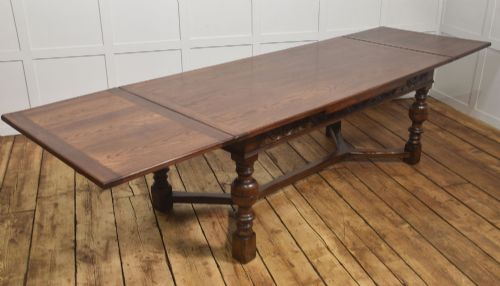
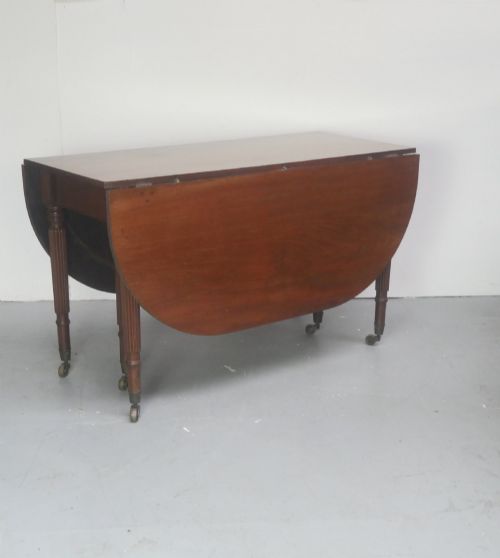
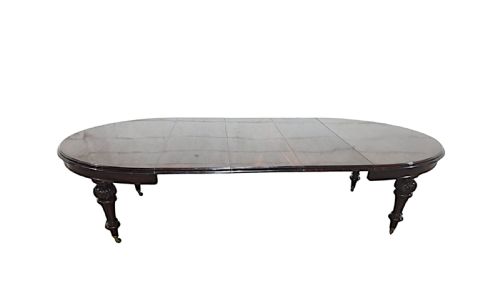
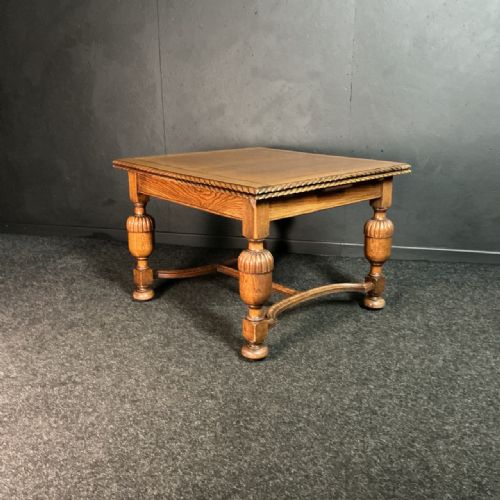
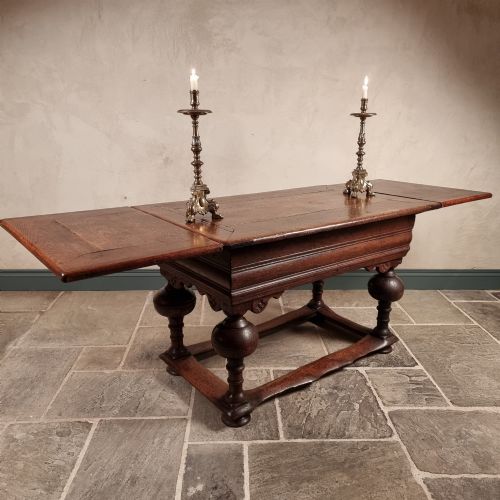
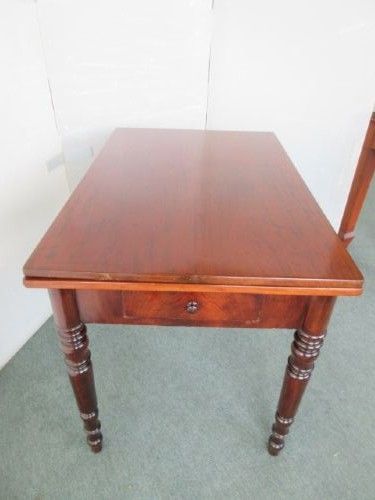
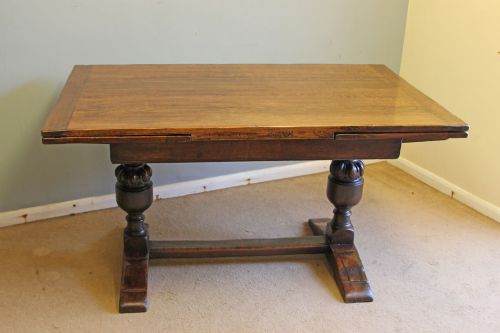
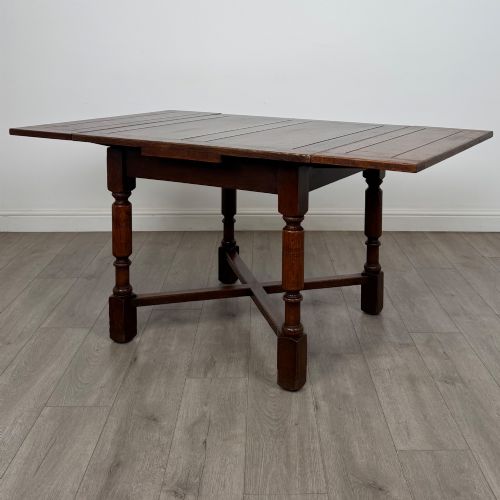
The forms range from D-end tables with extra leaves and twin pillars to draw-leaf refectory designs and gateleg drop-leaf versions. These variations accommodate spaces from compact farmhouse kitchens to grand dining rooms.
How they were made
Cabinet makers utilised dense hardwoods such as mahogany, oak, walnut, and fruitwood, often selecting flame or figured veneers for visual depth. Brass fittings support sliding mechanisms and pillar connections on formal dining pieces.
Joinery techniques include draw-leaf systems, gateleg actions, and drop-leaf hinges that allow sections to move smoothly. Carved cabriole legs, hoof feet, and claw and ball terminals provide sturdy support beneath the expanding top boards.
Some antique tables stretch out long enough to host up to twenty guests for a grand feast.
What varies in quality
The standard of timber selection and grain matching across the main top and the extra leaves determines the visual harmony of the surface. Superior examples maintain consistent colour and figuring when fully extended.
Engineering precision in the pull-out or drop-leaf mechanisms dictates how smoothly the table operates and how securely the leaves lock together. Subtle hand-carving on the legs and solid structural framing further distinguish higher tiers of work.
The Extendable Leaf Dining Table Glossary
- Draw leaf
- A table featuring secondary leaves stored beneath the main top that pull out from each end to extend the surface.
- D-end
- A table format with semicircular ends that separate to insert additional leaves, typical of Regency and Georgian dining furniture.
- Gateleg
- A table with hinged drop leaves supported by swing-out legs that pivot outward like a gate.
- Drop leaf
- A tabletop with hinged side flaps that fold down when not in use to save space.
Extendable Leaf Dining Table: Frequently Asked Questions
How do I operate the extension mechanisms?
Many extendable leaf dining tables utilise pull-out runners or drop-in leaves that rest on wooden bearers within the central frame.
Carefully slide the sections apart to reveal the supporting tracks before dropping the extra leaves into place.
What woods were used for these tables?
Cabinet makers predominantly worked with mahogany, oak, and walnut, occasionally incorporating fruitwood and satinwood for contrast.
Earlier pieces favour solid oak or mahogany, while later Victorian and Edwardian examples often display figured veneers.
How do I date an extendable table?
Stylistic clues such as cabriole legs, claw and ball feet, or D-end pillars point towards Georgian and Regency periods.
Draw-leaf mechanisms and heavy oak construction frequently align with Victorian, Edwardian, or Jacobean revival eras.
Can these tables fit smaller rooms?
Drop-leaf and gateleg versions fold down compactly against walls when extra surface area is unnecessary for daily routines.
Draw-leaf models remain modest in size until the pull-out panels are engaged for hosting guests.