


Victorian Etched Glass Shade
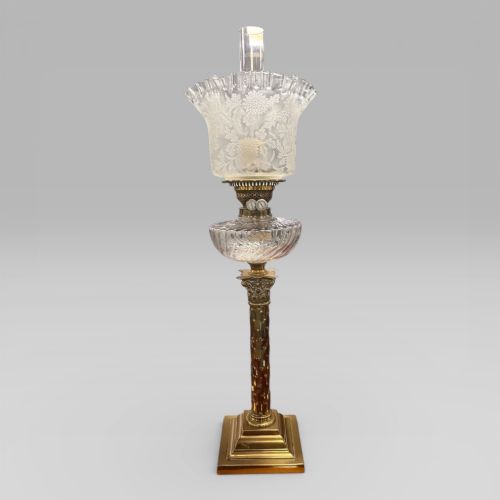
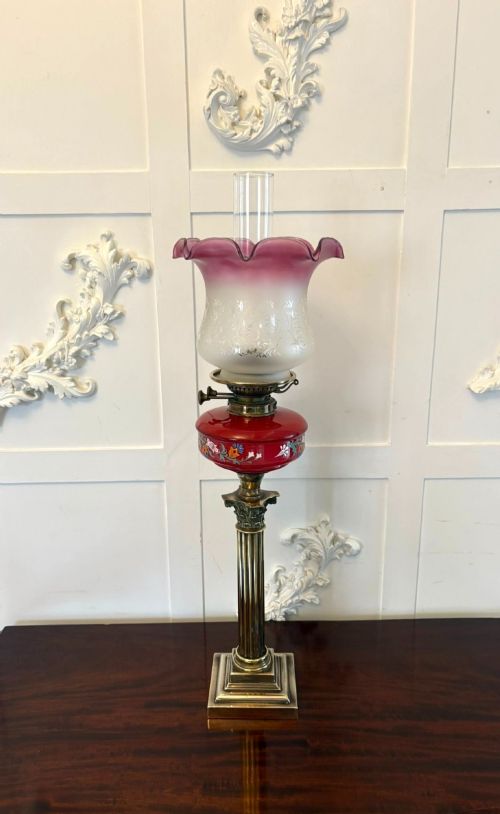
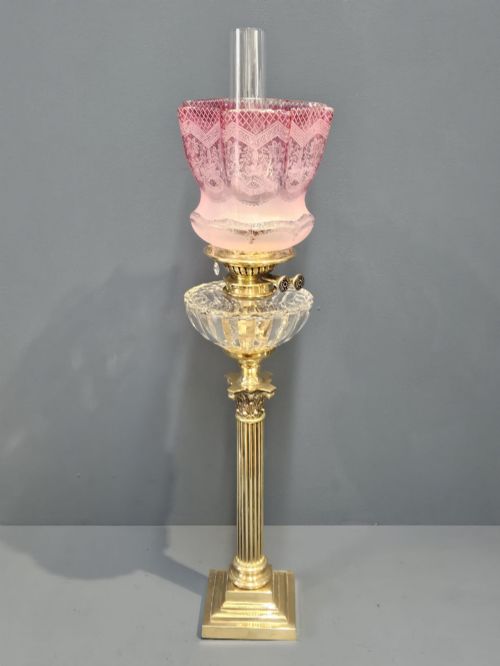
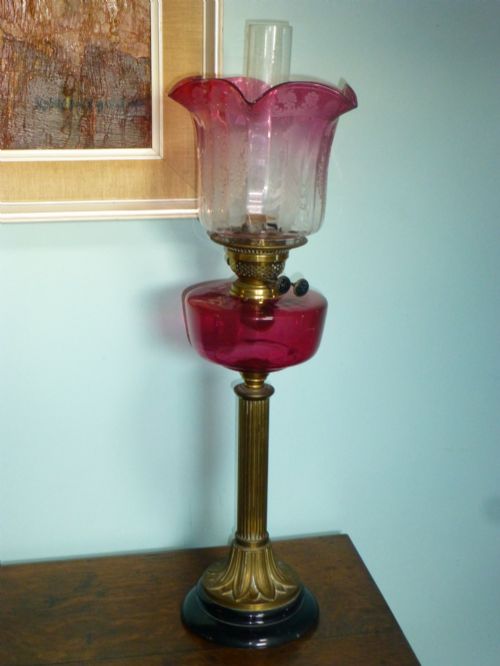
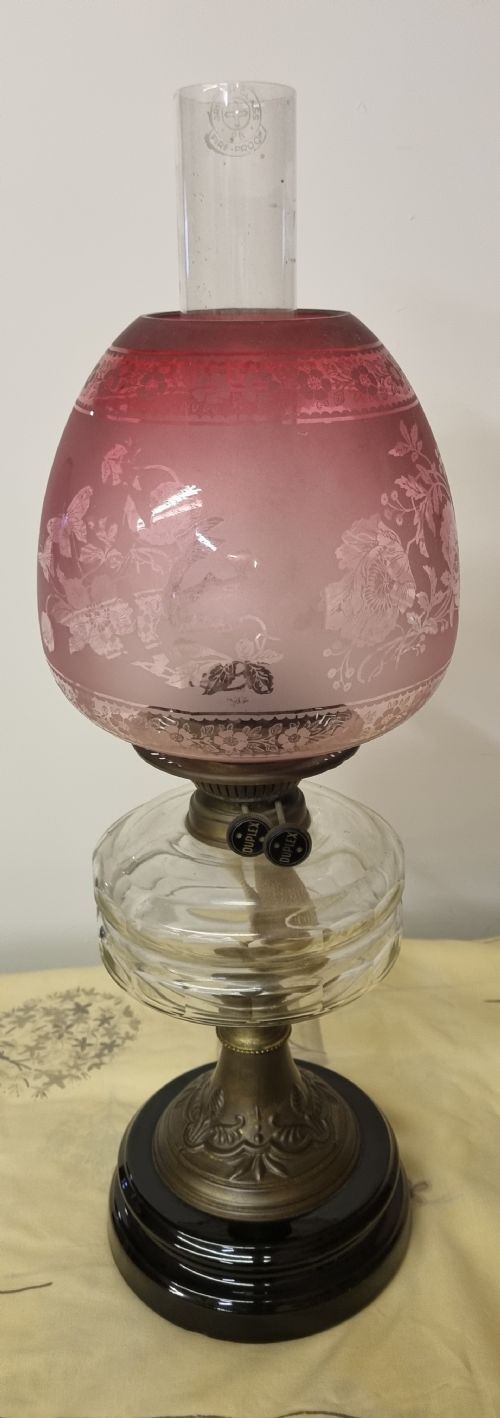
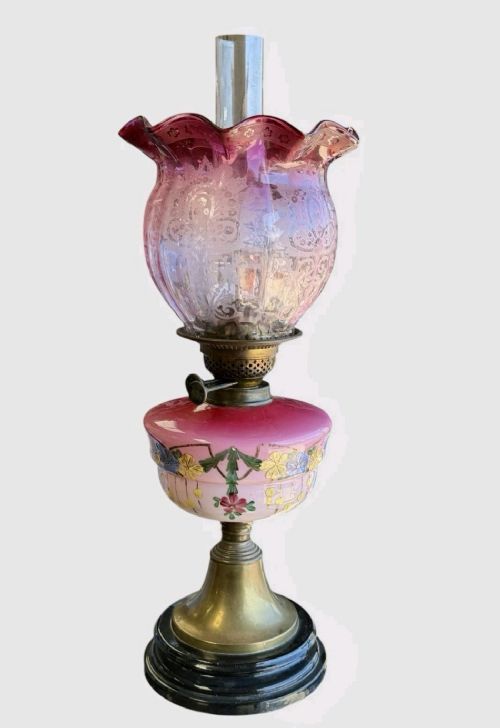
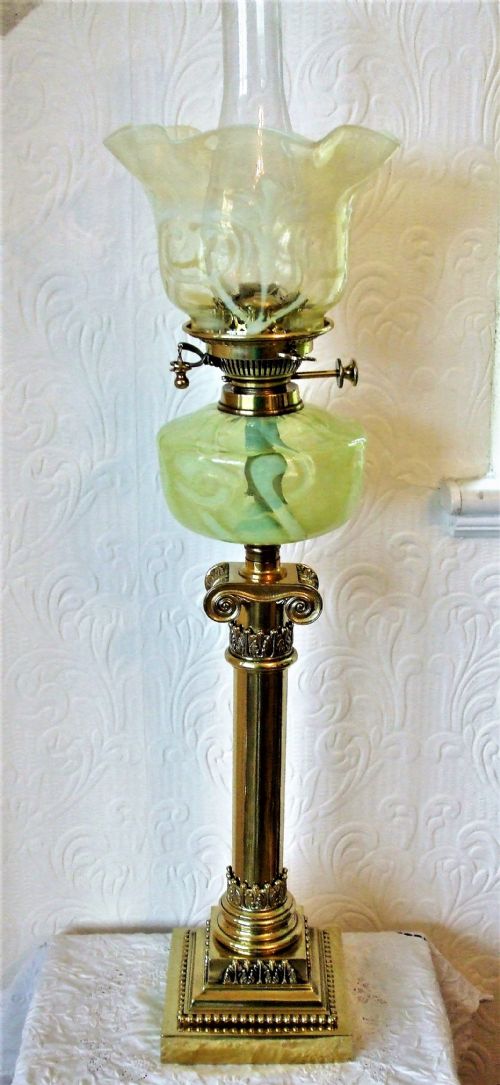
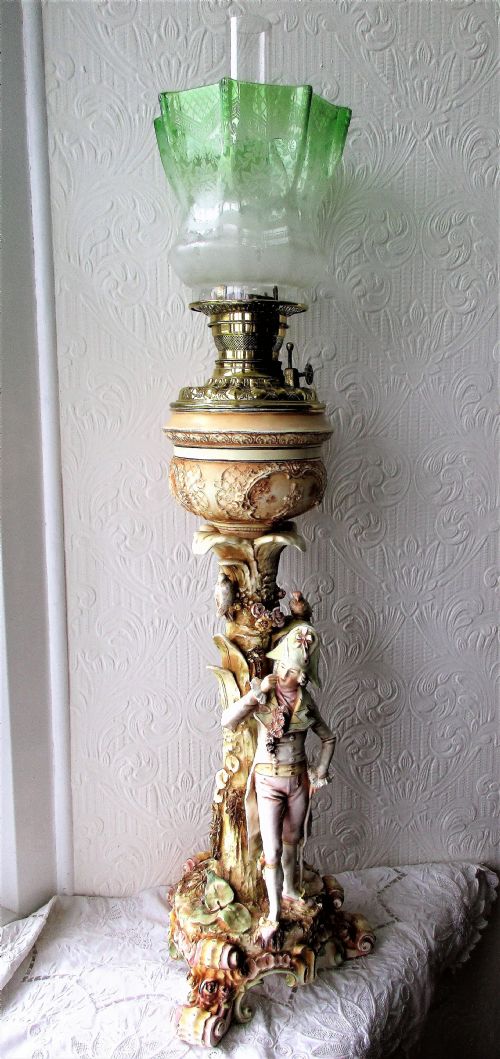
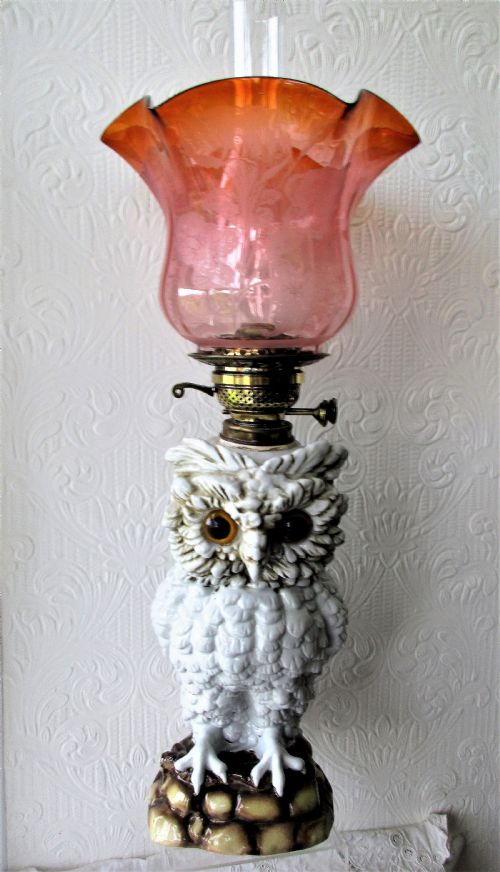
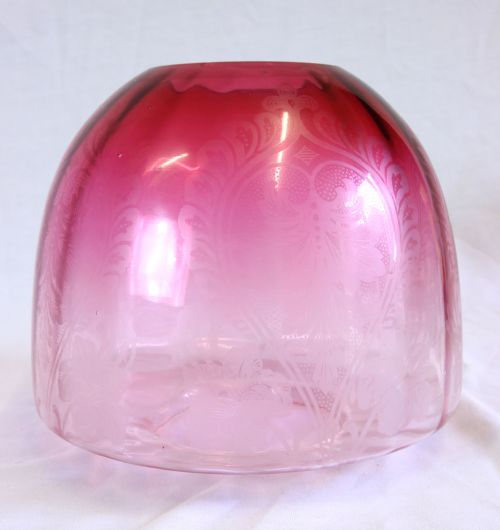
These Victorian etched glass shade examples bring warmth and decorative detail to period lighting, pairing frosted patterns with tinted glass.
Victorian Etched Glass Shade
When you search for a victorian etched glass shade, you find decorative glass globe fixtures designed primarily to diffuse light on period oil lamps and gas fittings. These pieces originate predominantly from the nineteenth century, spanning Victorian and Edwardian periods.
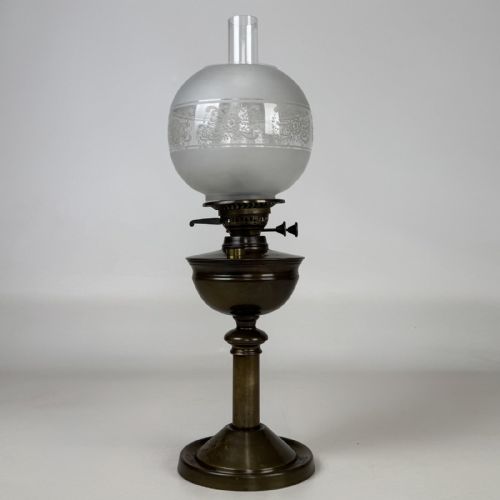
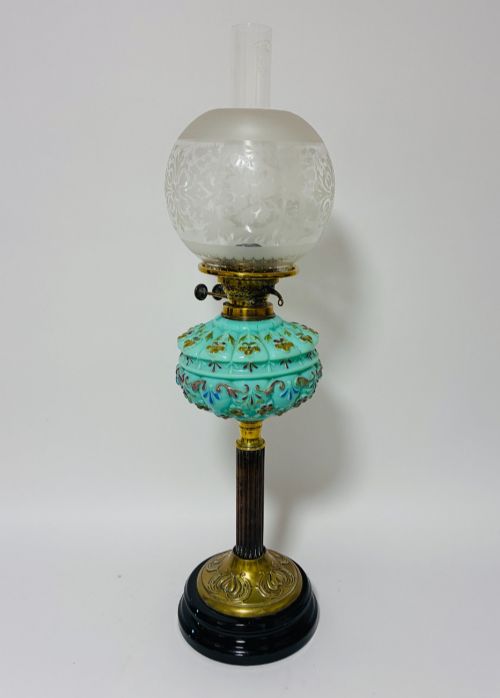
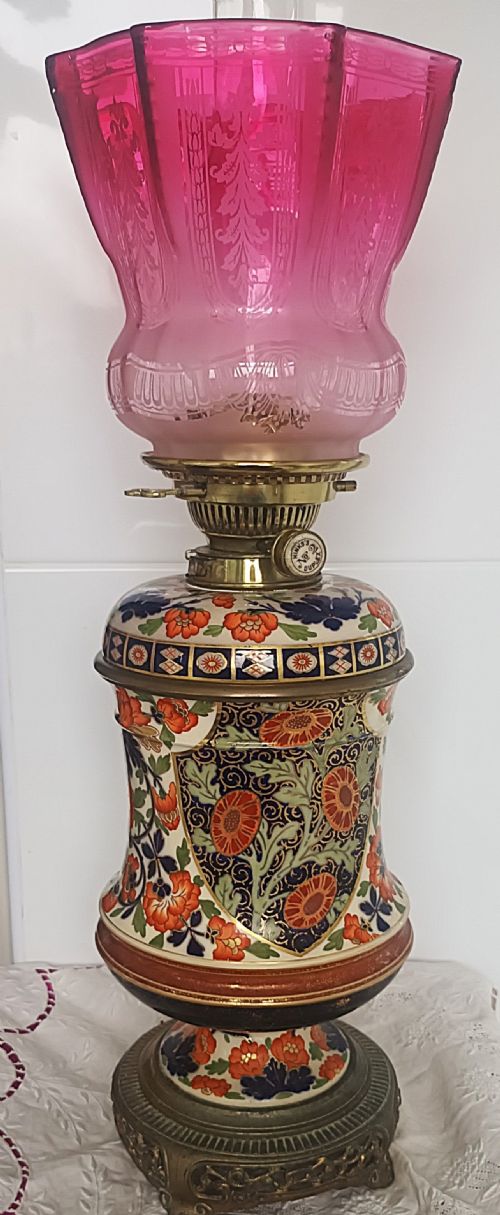
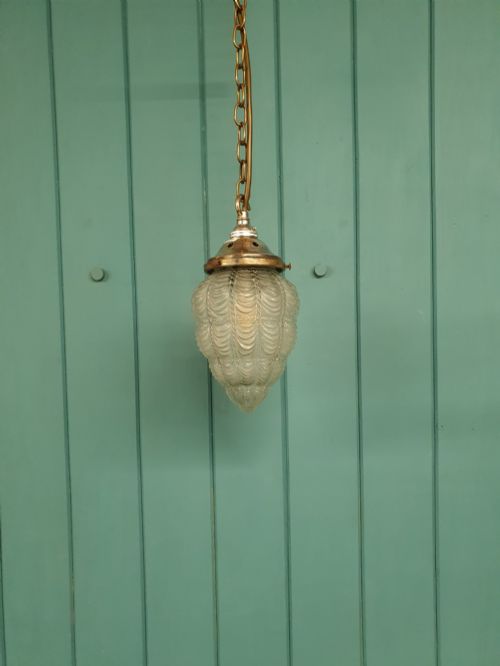
The versions you meet most frequently on this page sit atop brass or ceramic oil lamps, pendant lights, and table lamps. They appear in tulip forms and globular shapes, often paired with cranberry, ruby, amber, blue, or clear glass fonts.
How they were made
Glassmakers utilised blown glass techniques, shaping molten material into globes and tulip profiles before applying surface treatments. Frosted backgrounds were achieved by acid-etching or sandblasting, which created a matte texture to contrast with clear polished motifs.
Makers integrated brass and copper mounts, columns, and burners to support the delicate glass vessels. Metal components involved casting and turning, securing the shades firmly above fonts made from cranberry glass, porcelain, and crystal.
Some Victorian oil lamps dispensed spirits rather than paraffin, combining hospitality with domestic illumination through clever glassware.
What varies in quality
The depth and crispness of the etched design separate standard examples from finer work. Superior shades display finely detailed botanical or geometric patterns with sharp contrast between the frosted background and clear cut lines.
Glass colour saturation and weight indicate manufacturing standard. Richly toned cranberry or ruby glass with thick, even walls represents better production than thin, pale alternatives.
Hinks·Taylor Tunnicliff·Sitzendorf
The Victorian Etched Glass Shade Glossary
- Etched glass
- Glass decorated with chemical acids or abrasives to cut designs into the surface. This technique produces opaque or frosted patterns against clear glass.
- Cranberry glass
- A rich red transparent glass coloured with gold chloride during melting. It appears frequently in nineteenth-century lamp shades and fonts.
- Duplex burner
- A double-wick lighting mechanism common on Victorian oil lamps. It required larger globes and shades to properly distribute the increased illumination.
- Tulip shade
- A lamp shade shaped like an opening flower petal with a flared rim. These direct light downwards while softening the glare from the burner.
Victorian Etched Glass Shade: Frequently Asked Questions
What fits a victorian etched glass shade?
These shades fit standard nineteenth-century oil lamp burners, gas light galleries, and specific table lamp fittings with matching fitter rim diameters.
Measuring the base rim accurately ensures the shade sits securely within the brass gallery prongs without wobbling.
How do I clean my glass shade?
Wash the glass gently in warm soapy water using a soft cloth to remove dust and soot accumulation over time.
Avoid harsh abrasives that can scratch the frosted surface or damage the delicate acid-etched pattern details.
Were these shades used for gas or oil?
Victorian households utilised these glass shades on both oil lamps and gas pole ceiling light fixtures. The open top allowed heat and combustion gases to escape safely while diffusing the light.
Many survive independently after the original metal bases were lost or converted to electricity.
How do I date a glass shade?
Dating relies on the manufacturing style, glass colour preferences, and the complexity of the acid-etched decorative motifs typical of the nineteenth century.
Comparing the fitter rim finish and glass thickness with documented period lamp catalogues provides further chronological context.