


Victorian Etched Glass Lamp
These pieces of victorian etched glass lamp combine functional history with decorative illumination.
Victorian Etched Glass Lamp
A victorian etched glass lamp principally takes the form of an oil lamp, featuring a heavy metal column paired with an ornate glass shade or font. These lighting items date across the nineteenth century and into the early twentieth century, spanning periods from the eighteen-sixties to nineteen-thirty.
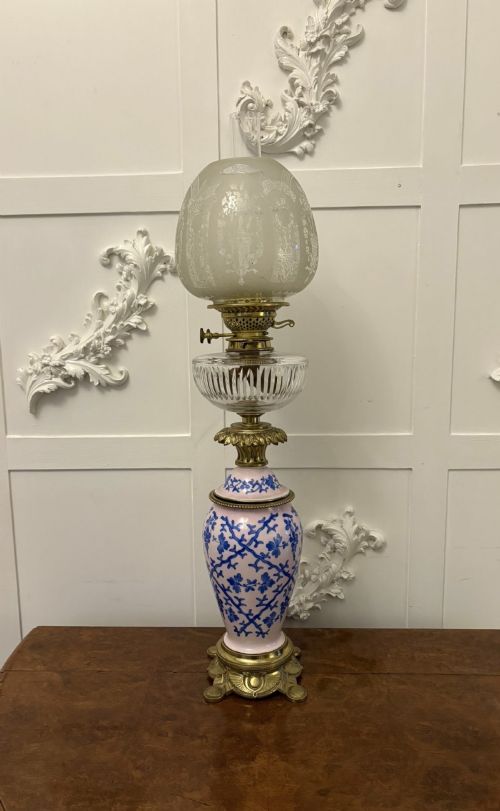
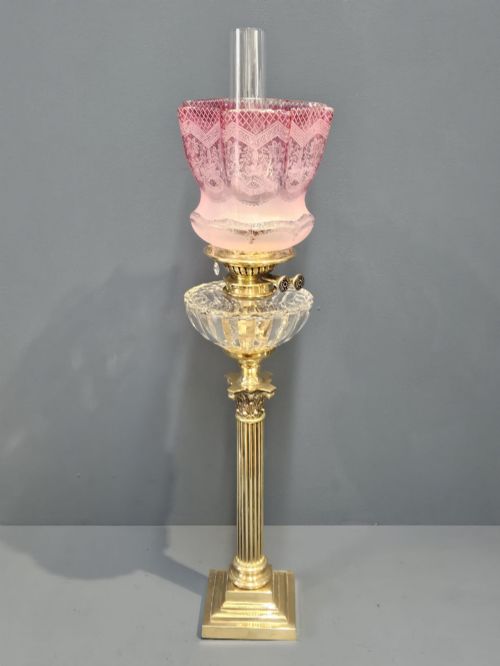
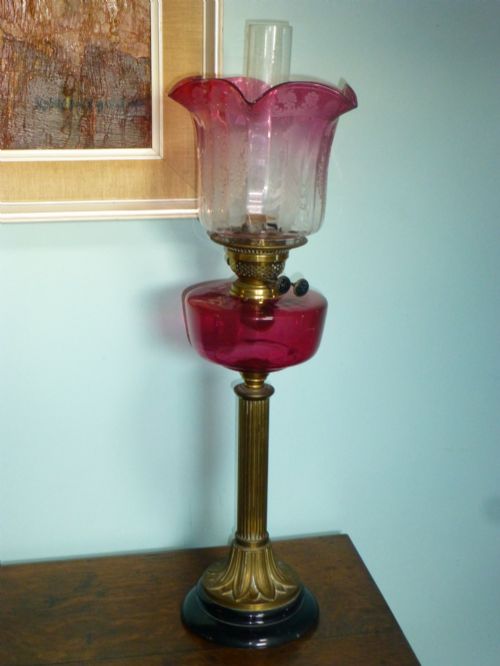
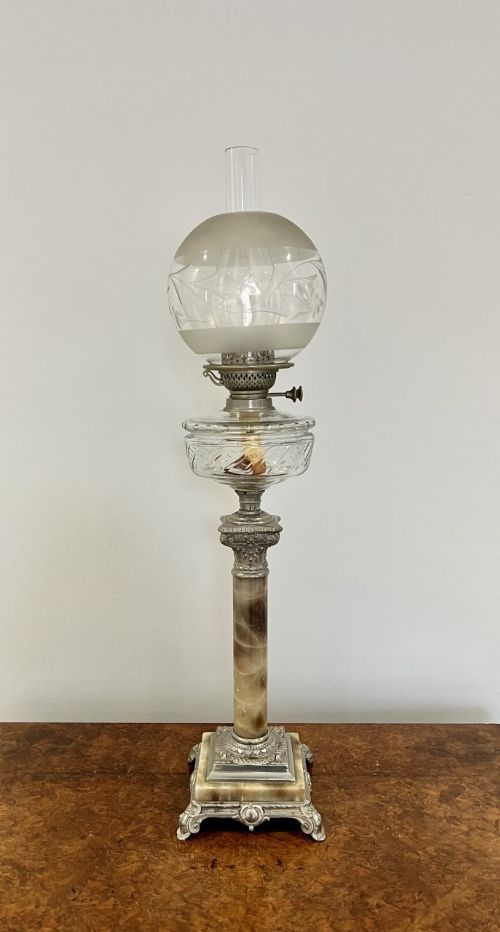
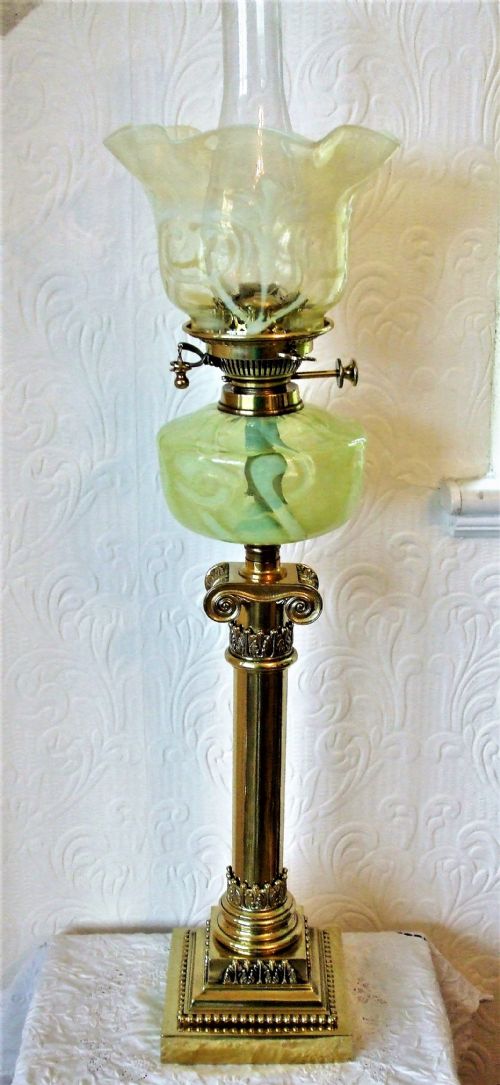
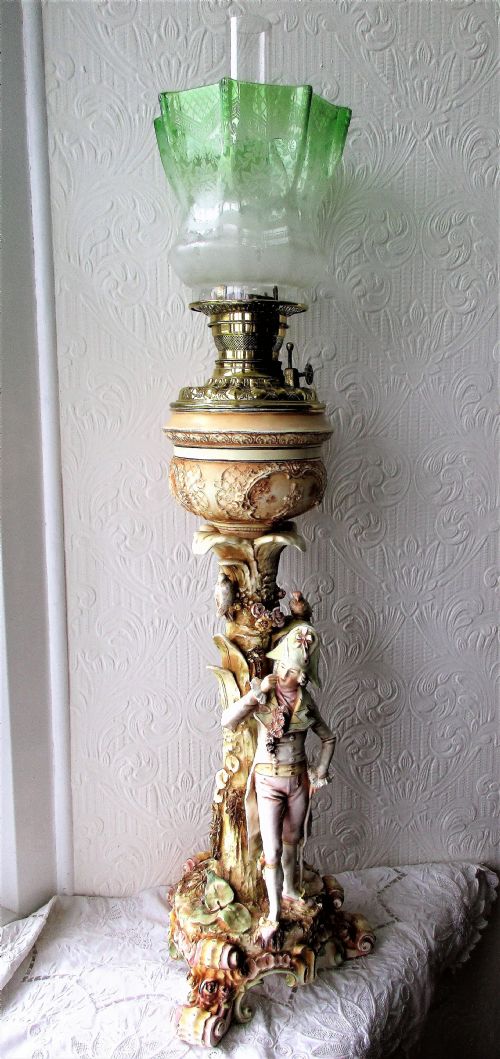
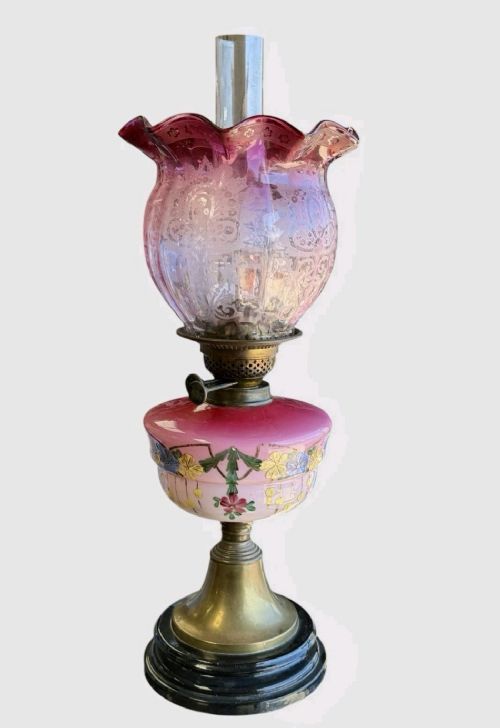
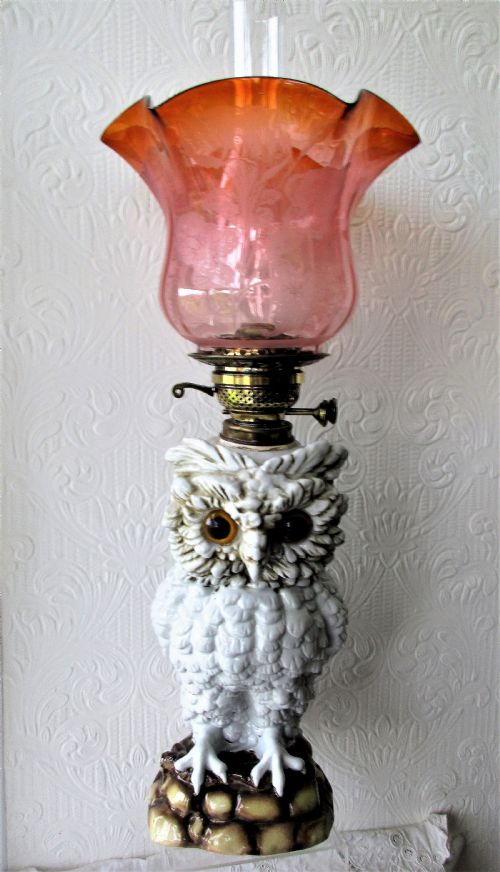
Buyers encounter various configurations, including tall Corinthian or Ionic column brass designs supporting cranberry or ruby glass reservoirs and matching etched globes. Smaller variants utilise ceramic, porcelain, or crystal elements alongside simpler brass and copper mountings.
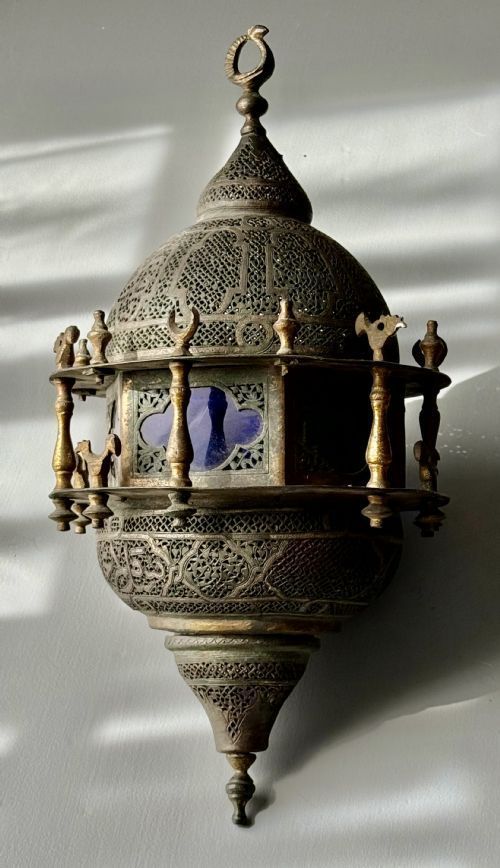
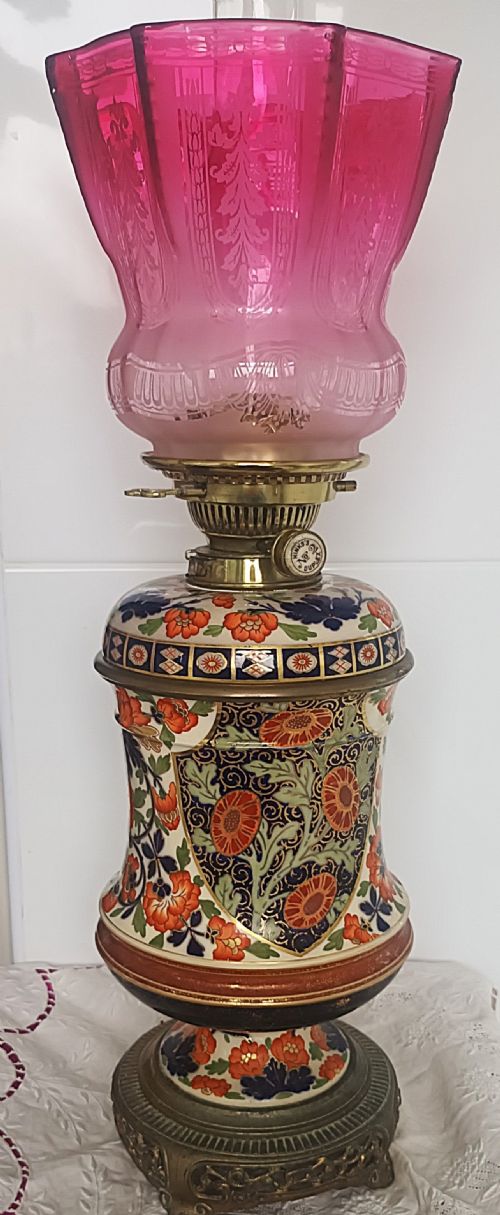
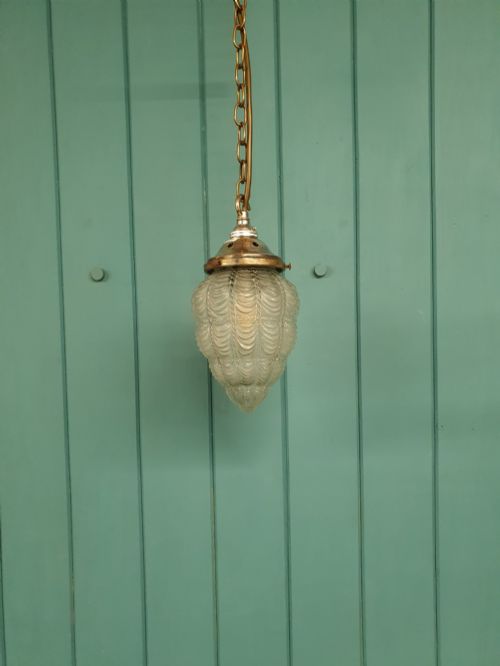
The aesthetic merges utility with distinct regional styles, incorporating Bohemian glasswork, French Rococo revival motifs, and Chinese export influences. Pendant lights and table lamps also appear within the selection, offering different methods of period illumination.
Materials and construction methods
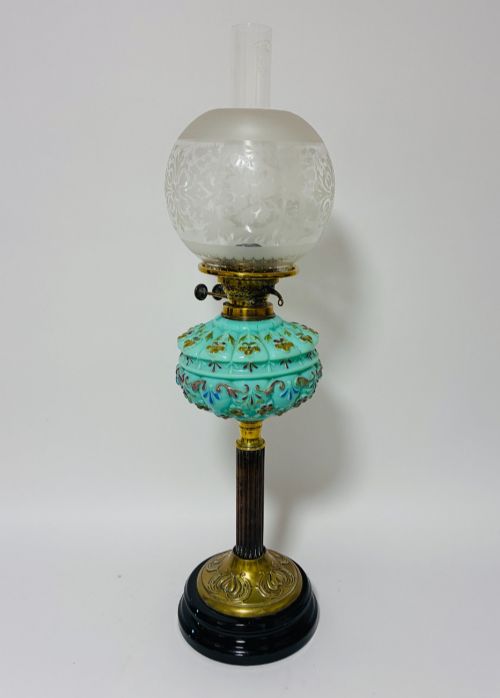
Makers constructed the structural columns using heavy cast brass, copper, and occasionally onyx, paired with ceramic or porcelain bases. These metal parts often support elaborate glass fonts blown in vibrant colours such as cranberry, ruby, amber, green, and blue.
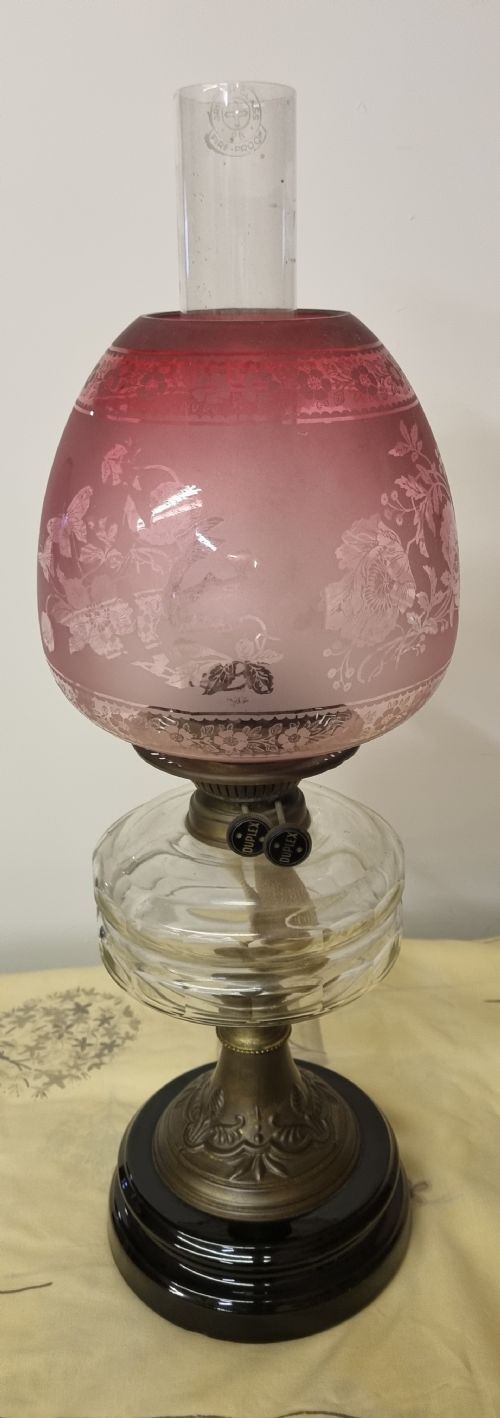
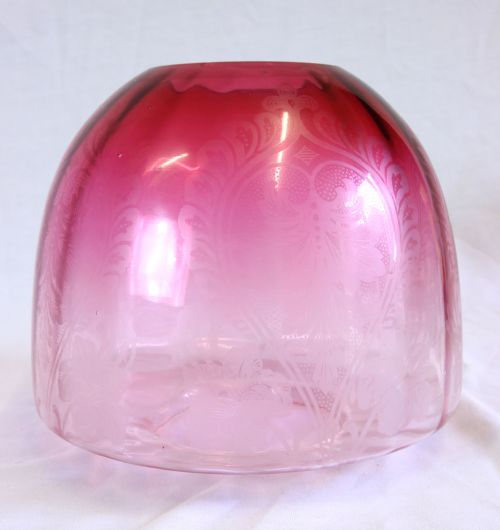
The characteristic shades and vessels display surface decoration created through acid etching, cutting, hand-painting, and gilding. Specialised workshops combined these fragile glass components with metal duplex burners and threaded collars to secure the fittings.
Several lamps double as spirit dispensing barrels or feature ceramic owls keeping watch beside the burner.
Distinctions in standard and execution
Superior examples demonstrate crisp, deep cutting and refined etching across the glass shade, whereas lesser pieces feature shallow or mechanically printed patterns. The weight and stability of the brass or porcelain column also distinguish better items from standard production models.
The integrity of the matching components determines the desirability of the piece, particularly where the colour and etch style of the shade correspond directly to the font. Maker-stamped hardware on the burner mechanism further elevates the standing of an individual lamp.
Hinks·Taylor Tunnicliff·Sitzendorf
The Victorian Etched Glass Lamp Glossary
- Duplex burner
- A twin-wick mechanism common on nineteenth-century oil lamps that produced a brighter flame than single-wick versions. These assemblies frequently bear manufacturer names or patent stamps.
- Cranberry glass
- A rich pinkish-red decorative glass created by adding gold chloride to the molten batch. It appears frequently in Victorian lamp shades and fonts.
- Etched glass
- Glass decorated by applying an acidic substance to eat away exposed areas, leaving a frosted pattern. This technique created delicate floral, botanical, or geometric designs on lamp globes.
- Font
- The oil reservoir of a lamp, positioned above the base and below the burner. They were manufactured from cut glass, porcelain, or coloured crystal.
Victorian Etched Glass Lamp: Frequently Asked Questions
How do I operate a period oil lamp safely?
Period oil lamps utilise liquid paraffin or lamp oil drawn up through cotton wicks housed in metal burners. Modern users typically convert them for electricity or retain them for decorative display without burning fuel.
Ensure any wiring is inspected by a qualified professional if converting the lamp for domestic lighting. Original burners and collars should be handled with care to preserve their historical threads and patina.
What distinguishes Victorian lamps from Edwardian examples?
Victorian lighting tends to display heavier ornamentation, including classical brass columns, rich cranberry or ruby glass, and deeply etched floral globes. Edwardian pieces often incorporate lighter ceramics, onyx, and more restrained decorative motifs.
Both periods overlap around the turn of the century, meaning transitional styles share characteristics from each era. Examining the weight of the metal components and the depth of the glass etching helps clarify the date.
Are the shades and bases usually original to each other?
Many lamps retain their matching components, particularly when the glass shade and font share the exact same colour and etching style. Because shades were fragile and frequently replaced over decades, married pieces do occur.
Matching hues in cranberry or ruby glass, alongside correct fitter sizes, indicate an intended pairing. Examining the wear around the collar helps determine if the parts have spent their lives together.
How should I clean a brass and glass lamp?
Clean brass components gently with a soft dry cloth to preserve the aged surface finish and historical patination. Avoid abrasive metal polishes that can strip away original manufacturing details.
Wash glass shades carefully in lukewarm soapy water, avoiding harsh chemicals that might damage hand-painted highlights or gilding. Ensure all parts are thoroughly dry before reassembling the lamp.