



Victorian Era Oil Painting
When you collect a victorian era oil painting, you bring home a canvas recording nineteenth-century portraiture, landscape and narrative scenes.
Victorian Era Oil Painting
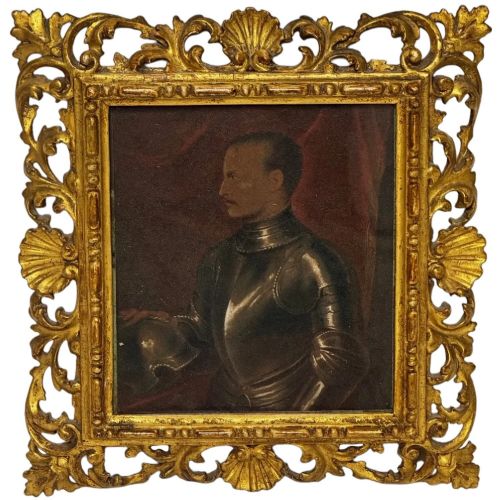
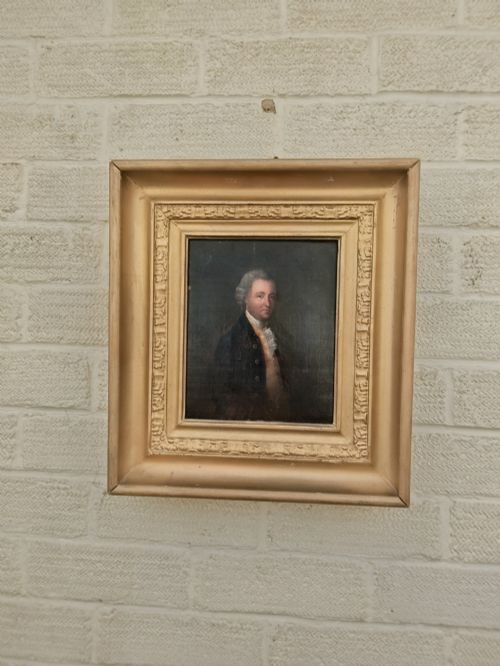
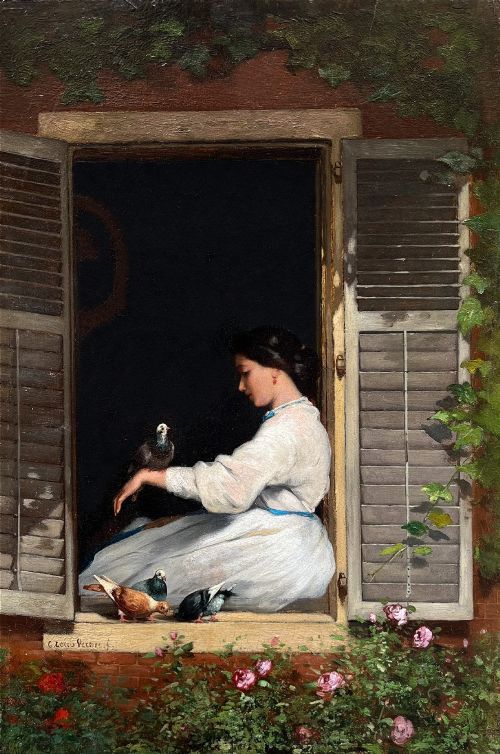
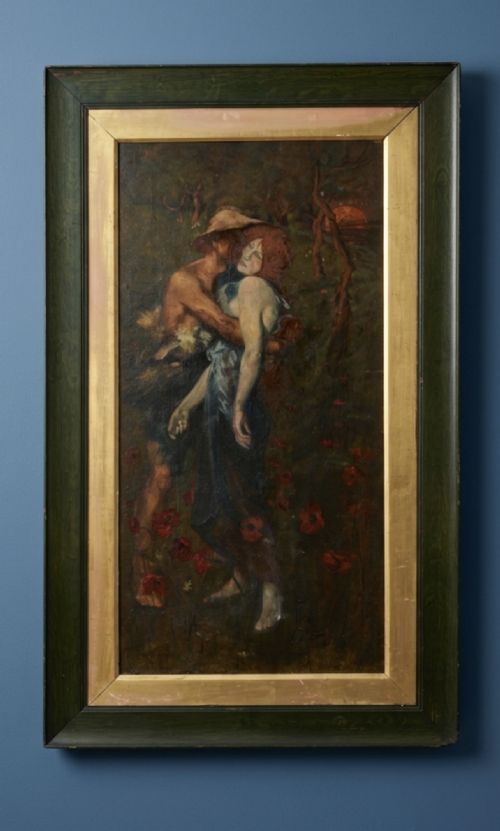
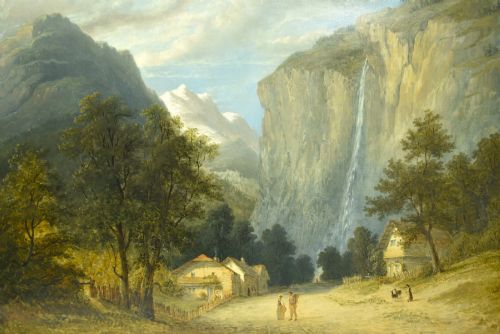
A victorian era oil painting encompasses framed canvases and panels produced across the nineteenth century, capturing the stylistic shifts of the period. Buyers exploring this category encounter distinct genres including portraits of gentlemen and ladies, pastoral landscapes, marine scenes, and historical narratives.
The selections on this page span from Regency origins through the 1860s, 1870s, and 1880s up to later 1920 and 1960 records. Pieces frequently originate from British, French, German, Dutch, and Italian schools, reflecting diverse continental artistic traditions.
Most entries function as fine art paintings designed to hang prominently in interior settings. Buyers will find both signed works by known historical artists and unsigned canvases from regional schools or anonymous followers.
Materials and technique
Makers built these compositions primarily using oil paint applied to stretched canvas, though certain examples employ wooden panels or oil on canvas secured within deep frames. The physical support relies on sturdy timber stretchers that hold the textile stable.
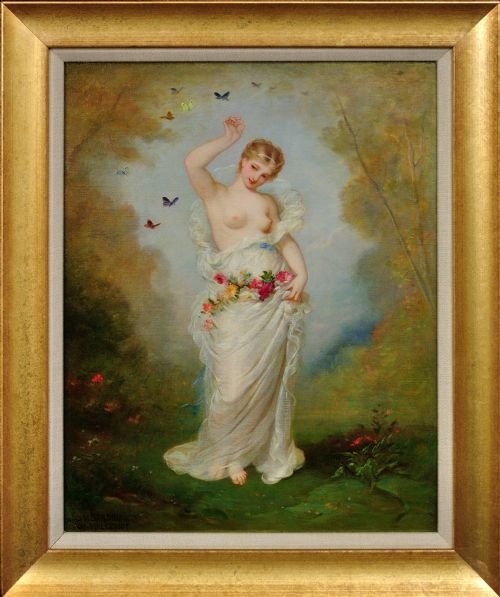
Elaborate presentation is common among surviving works, utilising gesso, giltwood, and gold leaf mouldings to construct decorative frames that complement the painted surface. These framing elements range from simple square profiles to heavily ornamented surrounds.
Victorian Era Oil Painting Retail Price Guide 2026
Typical asking prices for victorian era oil painting among the pieces listed under this phrase on Sellingantiques today, from the lower quarter to the upper quarter. They describe what is for sale here now, not the wider market.
One canvas captures a startled boy caught in the act of tapping a barrel.
Distinctions in quality
The standard of a victorian era oil painting depends heavily on the dexterity of brushwork and the anatomical or perspective accuracy achieved by the painter. Superior compositions demonstrate confident handling of light, shadow, and texture, particularly in the rendering of fabrics, flesh tones, or natural scenery.
Provenance and attribution also differentiate individual pieces. Canvases tied directly to documented academic painters or bearing verified signatures command greater interest than unsigned works by followers or anonymous continental workshops.
Margaret Sarah Carpenter·Louis Charles Verwee·André Charles Voillemot·Léon Joseph Voirin·August Heinrich Riedell·Karl Herrle·Hans Temple·Paul Viry·Frederick Richard Lee·Federico Andreotti·Karel Frans Philippeau·Pompeo Massani·Eugene Battaille·Samuel Lawrence·Anthonij Anton Mauve·Wilhelm Alexander Meyerheim·Eugene Verboeckhoven·Francesco Bergamini·Robert Thomas Buttery·Thomas Jones Barker
The Victorian Era Oil Painting Glossary
- Canvas
- A heavy woven fabric stretched across a wooden frame to act as the primary support for oil paint. This textile base provides the textured ground characteristic of traditional paintings.
- Giltwood
- Timber that has been coated with a thin layer of gold leaf or gold paint for decorative effect. It is commonly found on the ornate frames housing nineteenth-century artworks.
- Gesso
- A plaster-like mixture applied to wood or canvas to prepare a smooth surface for painting or to build up relief decoration on frames. It is often carved and gilded once dry.
- Genre painting
- A category of artwork depicting scenes from everyday life, such as market figures, domestic interiors, or agricultural labour. These subjects capture the social habits of the period.
Victorian Era Oil Painting: Frequently Asked Questions
How do I hang a heavy framed oil painting?
Ensure your wall fixings are secured directly into masonry or timber studs rather than relying solely on plasterboard. Heavy giltwood frames require robust picture wire and sturdy wall hooks rated for the total weight.
Position the centre of the canvas at approximate eye level to achieve balanced proportions within your room. Keep the painting away from direct heat sources and strong sunlight to protect the pigments.
What does a signature indicate on these works?
A visible signature or monogram connects the canvas to a specific artist active during the period, helping to verify attribution and historical context. Signed pieces often carry clearer documentation regarding the creator's school or exhibition record.
Many period works remain unsigned or carry studio attributions, which is typical for historical art produced by workshop assistants or regional painters. Unsigned canvases are evaluated purely on stylistic merit and technique.
How should I store unhung canvases safely?
Store paintings upright in a vertical position rather than laying them flat, which can cause the canvas to sag over time. Keep them in a climate-controlled space away from damp basements or hot attics.
Maintain stable humidity and temperature levels to prevent the wooden stretcher bars from warping and the oil paint from cracking. Cover the face lightly with breathable cotton sheeting if storing away from light.