



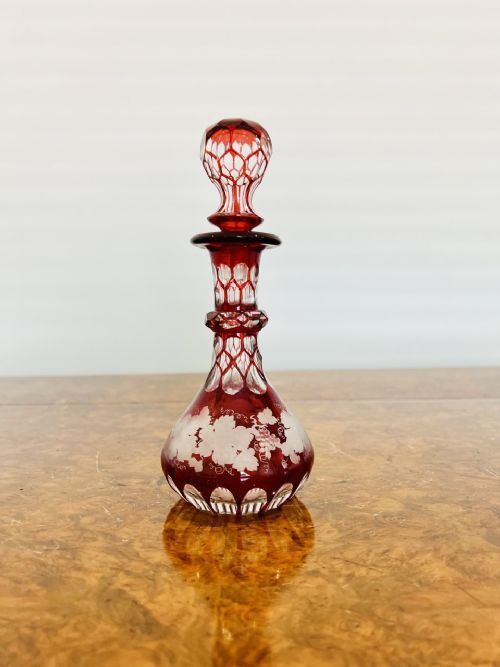


Victorian Engraved Glass Decanter
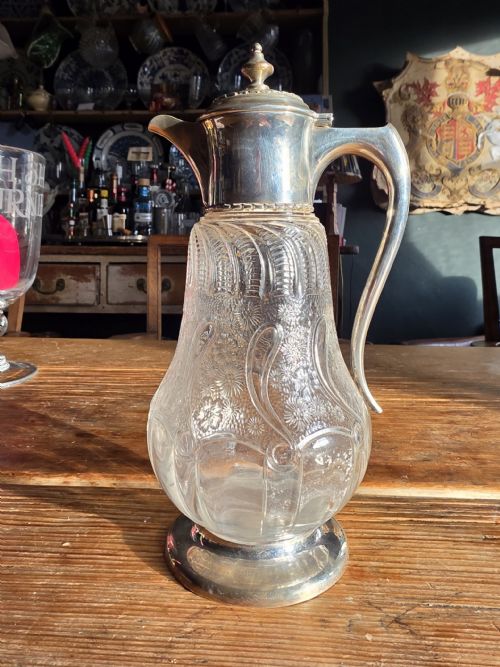
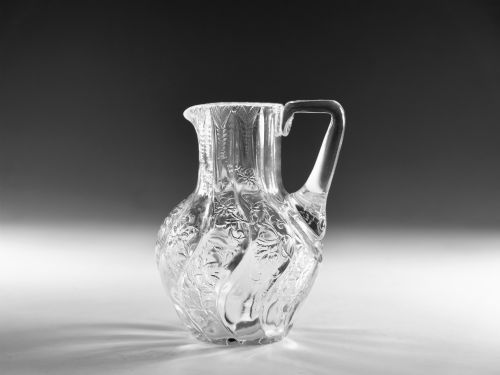
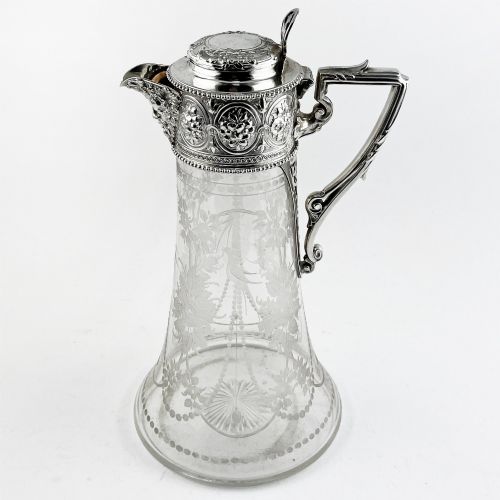
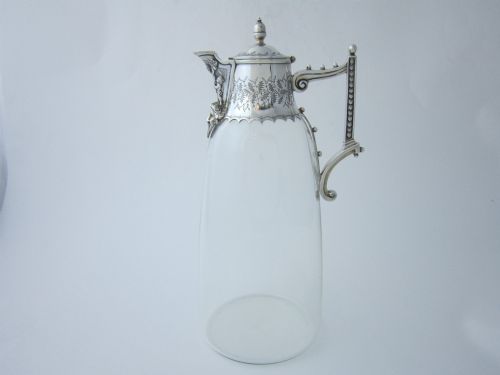
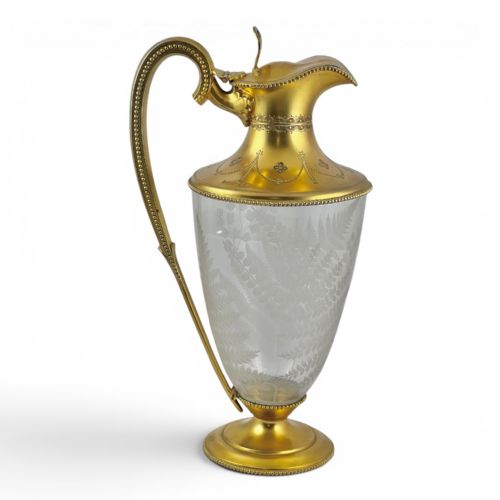
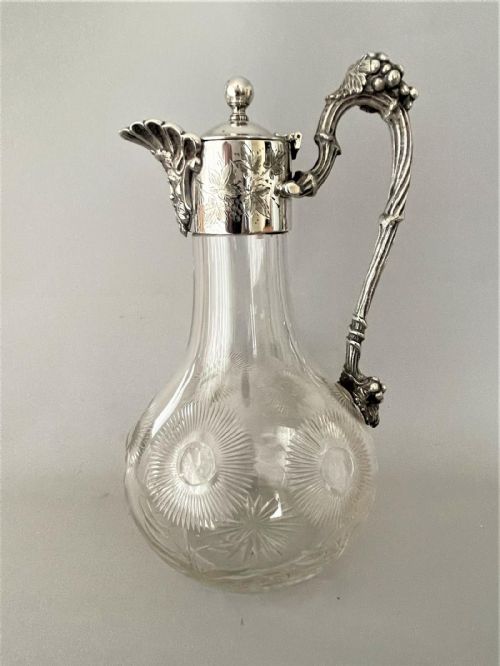
These heavy lead crystal vessels and mounted claret jugs, sought after for their refined wheel-cut and hand-engraved motifs, form the core of any Victorian engraved glass decanter collection.
Victorian Engraved Glass Decanter
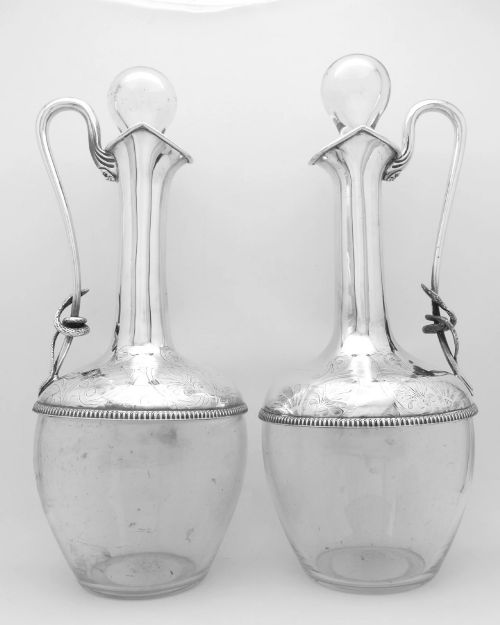
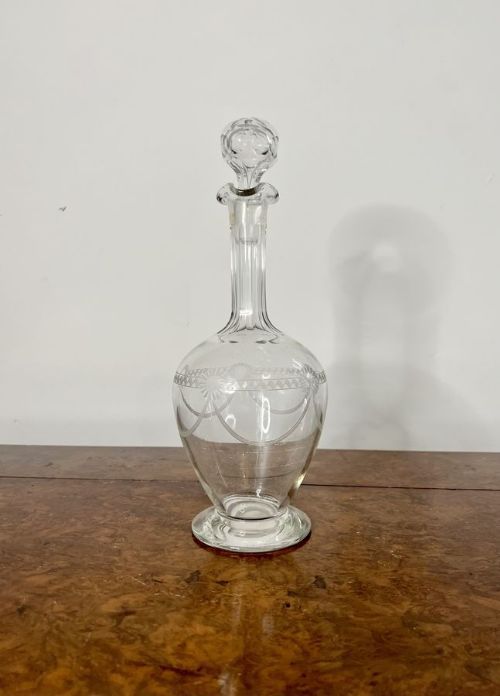
A victorian engraved glass decanter is a serving vessel designed for wine, spirits, or water, often paired with silver plate or sterling silver mounts. The selection ranges from shaft and globe wine jugs to tall claret ewers and small perfume bottles.
Most examples found here date from the mid to late nineteenth century, reflecting the periods of 1860, 1880, and 1900. English makers dominate the selection, alongside items featuring cranberry glass, ruby glass, and green glass overlays.
Collectors encounter various forms including spirit flasks, bar dispensers, and dessert wine jugs. Many feature floral motifs, birds among vines, or national emblems like the union flowers.
Materials and methods
The body of each piece consists of heavy lead crystal or cut glass, shaped by blowing into moulds or free-blowing into forms like shaft and globe profiles. Overlay techniques provide contrasting outer layers of cranberry or red glass.
Engravers utilise copper wheels and diamond points to carve intricate patterns directly into the glass surface, depicting fruiting vines, butterflies, and heraldic crests. Metalwork components involve sterling silver, silver gilt, and silver plate, often cast into serpent handles or bacchus masks.
Listings feature items from the 1850s through to the 1960s, with a strong concentration of pieces originating in the Victorian period.
Judging the standard
The clarity of the lead crystal and the depth of the wheel-engraving distinguish finer pieces from standard production work. Superior vessels display crisp, well-defined motifs such as detailed birds or ferns rather than shallow, superficial scratching.
The quality of the metal mounts, whether solid sterling silver or heavy silver plate, also dictates value. Secure fittings, fully articulated hinged lids, and maker marks add distinction to the piece.
Asprey and Co. Ltd·Stevens and Williams·Richardsons
The Victorian Engraved Glass Decanter Glossary
- Claret jug
- A pouring vessel specifically for red wine, typically fitted with a silver handle, hinged lid, and spout. They often feature elaborate glass bodies combined with silver-plated or sterling mounts.
- Shaft and globe
- A decanter shape characterised by a long, slender neck rising above a bulbous, rounded body. This form provides stability on dining tables and ample space for engraved decoration.
- Silver gilt
- Silver that has been coated with a thin layer of gold on its surface. This finish appears frequently on the interior mounts and hardware of nineteenth-century wine jugs.
- Overlay glass
- Glass created by fusing a layer of coloured glass over a clear or contrasting inner body. The outer layer is then partially cut away through engraving to expose the contrasting colour beneath.
- Lead crystal
- A high-grade glass containing lead oxide, which increases the weight, refractive index, and clarity of the material. It allows for deep, sharp wheel-cutting without fracturing.
Victorian Engraved Glass Decanter: Frequently Asked Questions
How are these decanters dated?
Dating relies on stylistic clues, glass colours, and engraved motifs characteristic of the nineteenth century. Hallmarks on silver mounts provide exact assay office years and maker marks.
Changes in glass-blowing techniques and the popularity of specific shapes, such as shaft and globe forms, further narrow down the decade of production.
What is a claret jug?
A claret jug is a specialised serving pitcher designed for red wine during formal dining. These vessels combine glass bodies with fitted metal handles, hinged lids, and spouts.
Victorian examples frequently incorporate sterling silver mounts and detailed wheel-engraved ornamentation.
How should glass decanters be cleaned?
Gentle hand washing with warm water and mild detergent preserves the clear lead crystal and delicate engraved surfaces. Abrasive brushes or harsh chemicals must be avoided to protect both the glass and any silver-plated mounts.
Thorough drying prevents water spots from forming inside narrow necks.
What is cranberry glass?
Cranberry glass is a pinkish-red decorative glass coloured by the addition of gold chloride to the molten batch. It gained immense popularity during the Victorian era for wine decanters and glassware.
Pieces frequently feature engraved details that cut through an outer cranberry overlay to reveal clear glass underneath.