
Victorian Enamelled Timepiece
A victorian enamelled timepiece brings precision engineering together with decorative enamel work, offering a dependable desk or pocket companion from the nineteenth century.
Victorian Enamelled Timepiece
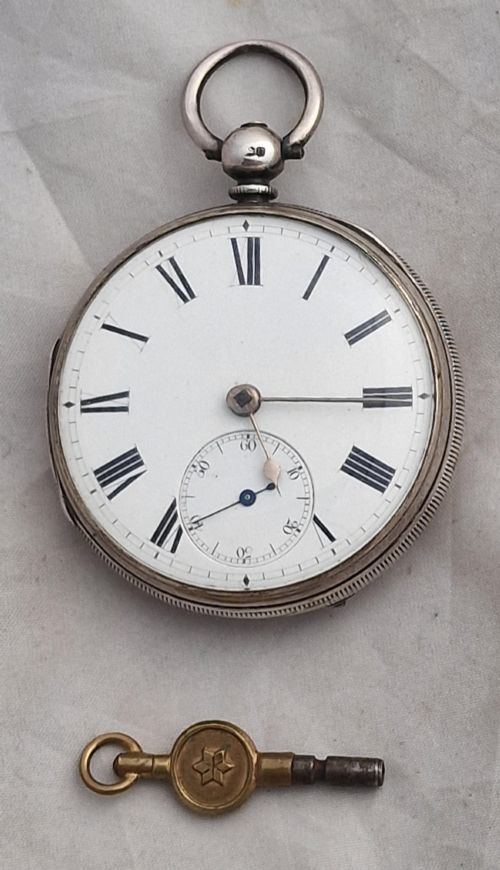
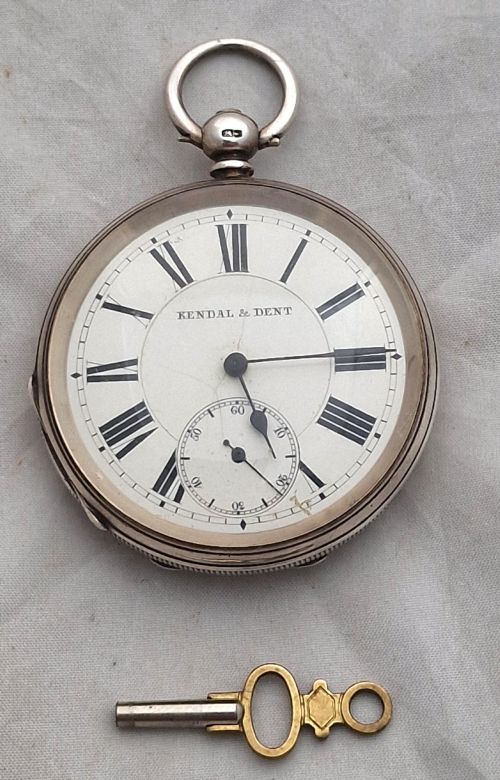
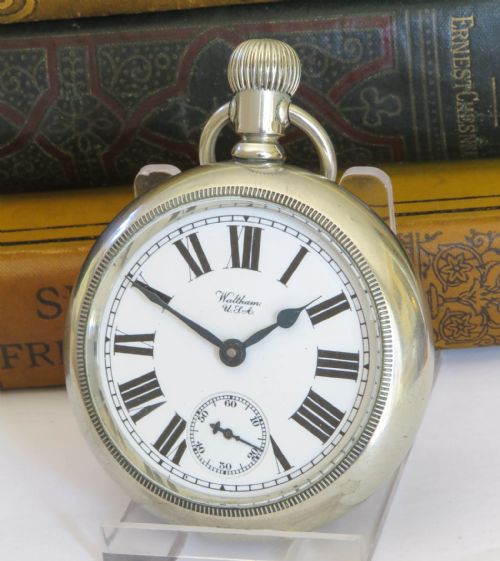
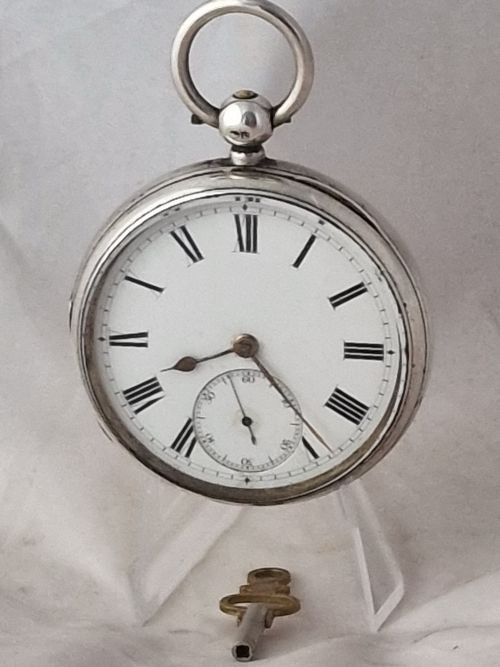
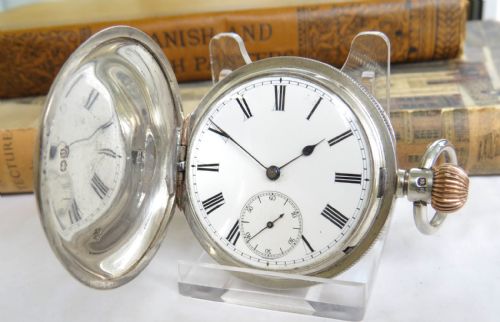
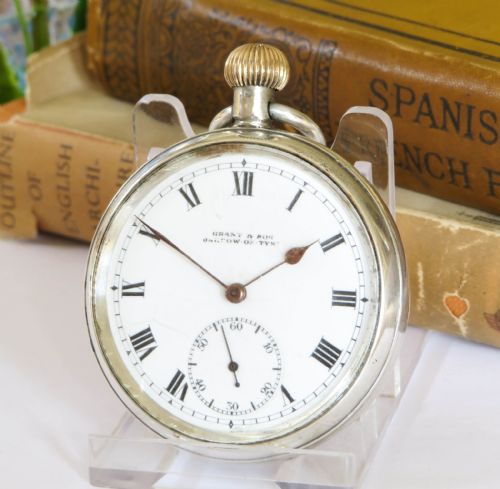
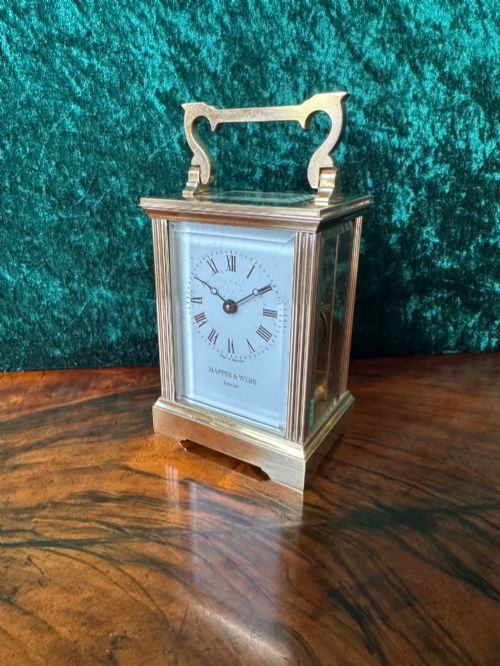
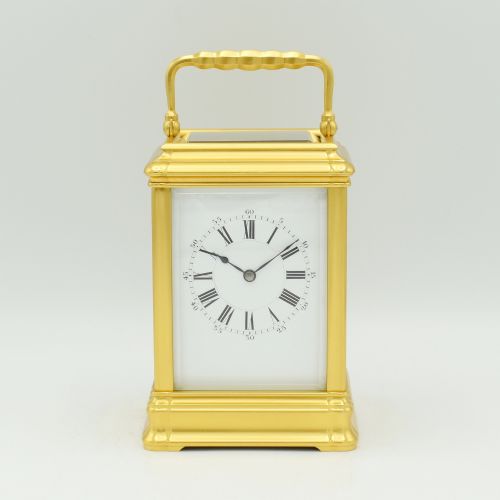
A victorian enamelled timepiece encompasses portable pocket watches and freestanding carriage clocks housed in brass, gilt brass, or silver cases. These objects originate from the nineteenth century and the Edwardian era, bearing French, English, and Swiss signatures.
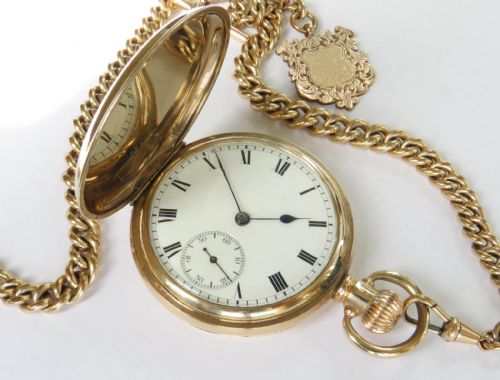
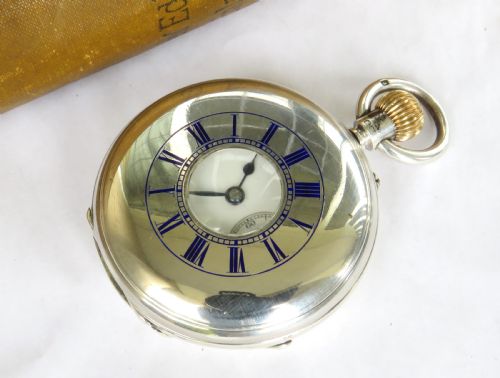
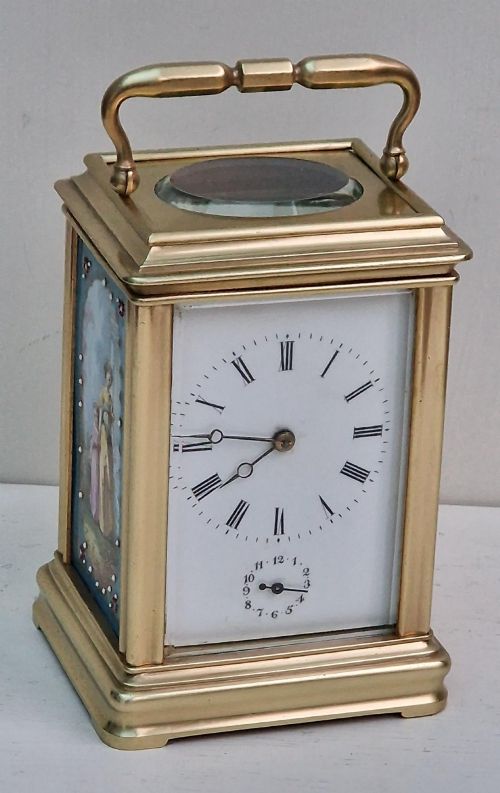
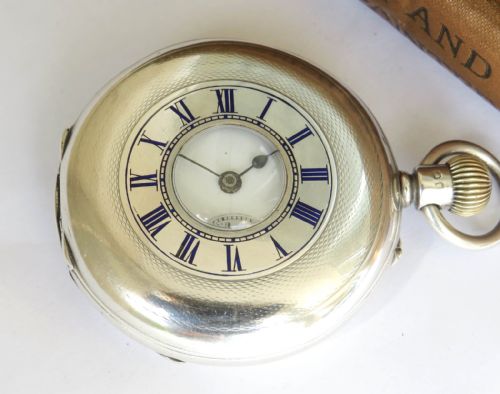
Buyers encounter carriage clocks with porcelain panels and pocket watches featuring full hunter or half hunter silver cases. The selection ranges from miniature travel clocks to large striking mantel pieces.
Makers concentrated their efforts on functional movements paired with decorative outer shells. The resulting pieces reflect the industrial and domestic rhythms of the Victorian period.
How they were made
Craftsmen utilised brass and gilt brass to form the rigid frames of carriage clocks, often housing 8-day movements within glass panels. Silver and steel served as the primary metals for pocket watch cases and internal gear trains.
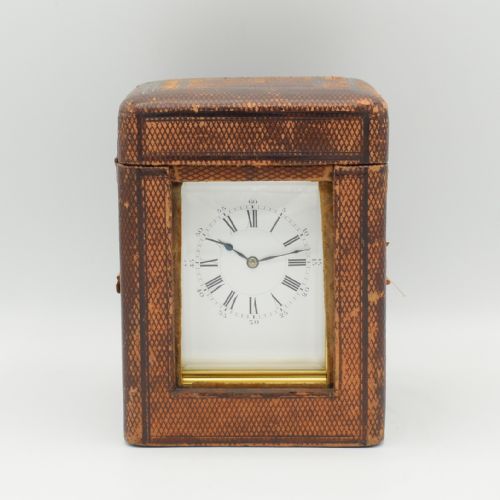
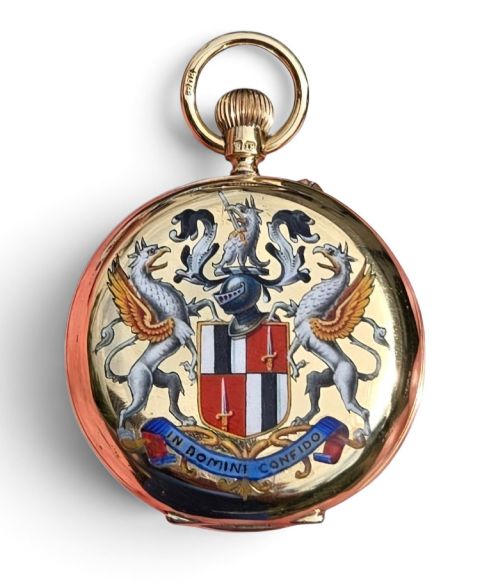
Enamel and porcelain provided the smooth surfaces for dials and decorative panels, applied through high-heat firing techniques. Leather travel cases accompanied portable pieces to protect the delicate exterior casing during transit.
Several pocket watches feature Ottoman military arms and Cyrillic inscriptions, proving that nineteenth-century time travelled far beyond local railway lines.
What varies in quality
Quality rests upon the crispness of the brass casting, the complexity of the movement, and the condition of the enamel. Simpler timepieces offer basic timekeeping, while examples with repeat strike mechanisms or alarm functions demonstrate higher mechanical ambition.
The finish of the metalwork and the presence of fully engraved gilt brass cases separate standard workshop output from exceptional examples. Signed maker dials and original leather travel cases elevate the overall standing of an individual piece.
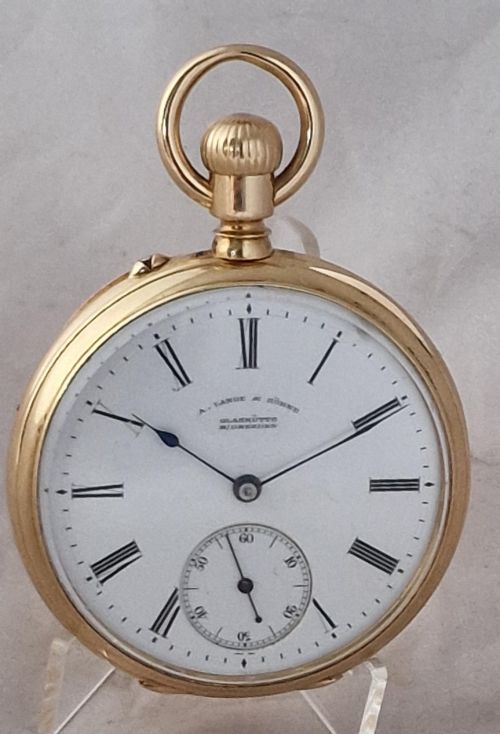
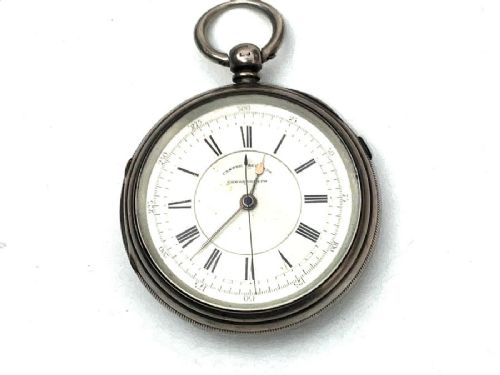
Henri Jacot·Drocourt Paris·Lange and Sohne·R Stewart Glasgow·C Detouche Paris
The Victorian Enamelled Timepiece Glossary
- Fusee
- A conical pulley used in older pocket watches to maintain even tension on the mainspring as it unwinds. This mechanism improves timekeeping accuracy across the power reserve.
- Carriage clock
- A small, portable spring-driven clock designed for travel during the nineteenth century. These clocks typically feature a glass-panelled brass case and a swinging handle.
- Full hunter
- A pocket watch style featuring a spring-loaded metal cover that protects the glass dial. The user presses a button on the crown to open the lid.
- Gorge case
- A specific rectangular brass carriage clock housing with moulded stepped edges. This style appears frequently in late nineteenth-century French pieces.
- Half hunter
- A pocket watch case with a small glass or open circle in the outer lid. This allows the user to read the hands without opening the cover.
Victorian Enamelled Timepiece: Frequently Asked Questions
How do I wind a carriage clock?
Wind the movement using the appropriate key inserted into the back arbors, turning gently until resistance is felt.
Avoid over-winding the mainspring to prevent internal damage to the gear train.
What is a fusee movement?
A fusee movement incorporates a conical drum and a chain to regulate power delivery from the mainspring.
This traditional setup compensates for the decreasing torque of the spring as it runs down.
How do I read a half hunter watch?
Look through the central aperture in the outer metal cover to check the position of the hands.
Open the full case using the crown button when you need to set the time.
Where were carriage clocks made?
Makers in France and England produced the majority of these portable clocks during the nineteenth century.
French workshops in Paris produced many standard gorge case designs.