
Antique Gold Pocketwatch
An antique gold pocketwatch is a mechanical timepiece shaped by centuries of horology, offering tangible craftsmanship to carry in the pocket today.
Antique Gold Pocketwatch
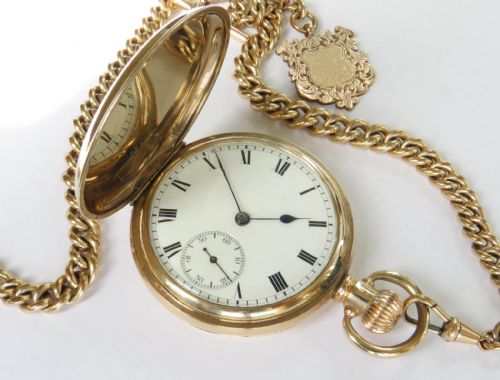
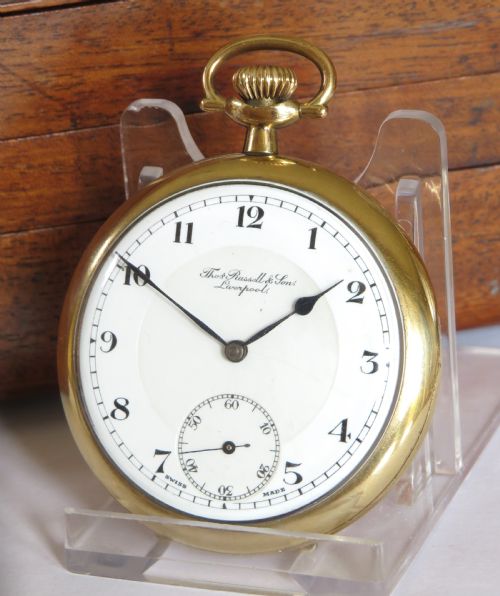
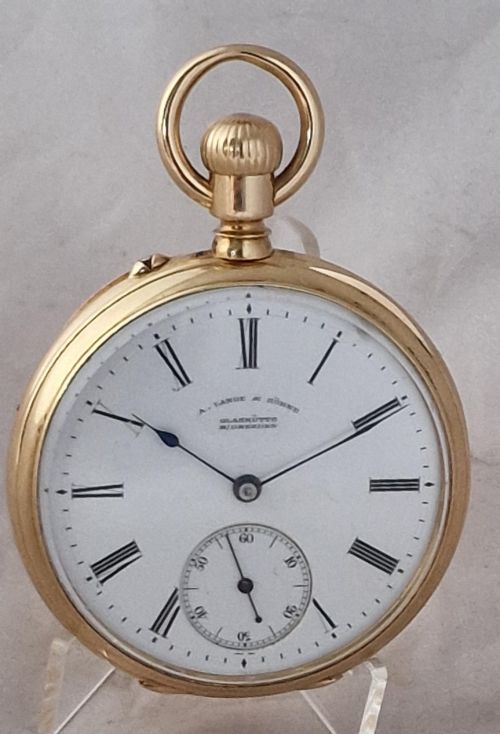
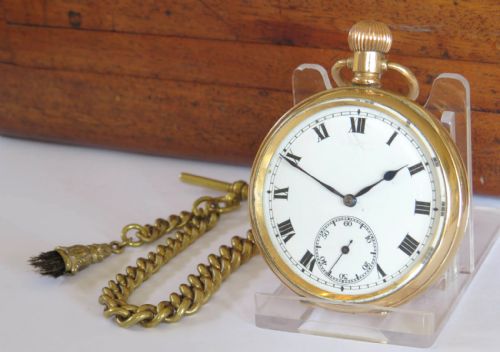
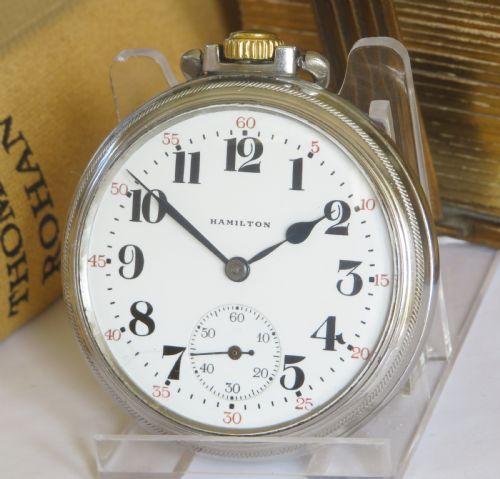
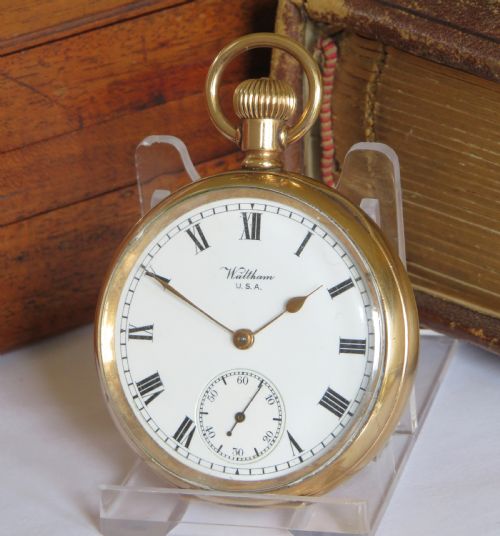
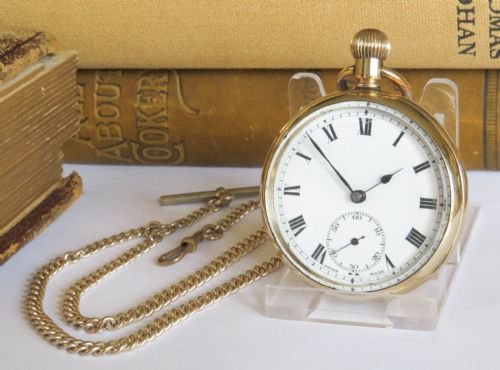
An antique gold pocketwatch represents a mechanical timepiece housed in a precious metal case, often accompanied by matching chains and fobs. When searching for an antique gold pocketwatch, collectors encounter varied iterations spanning the nineteenth and twentieth centuries.
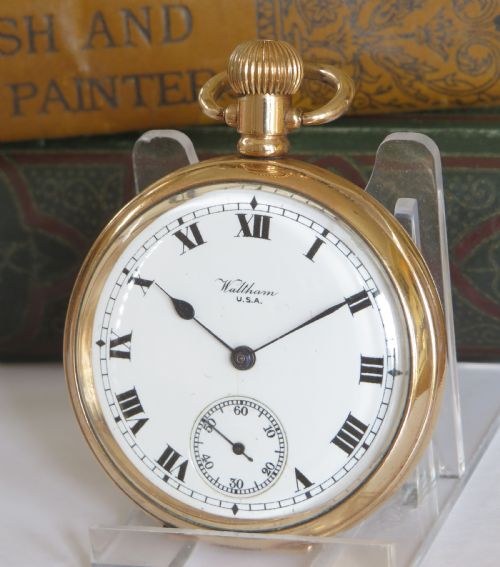
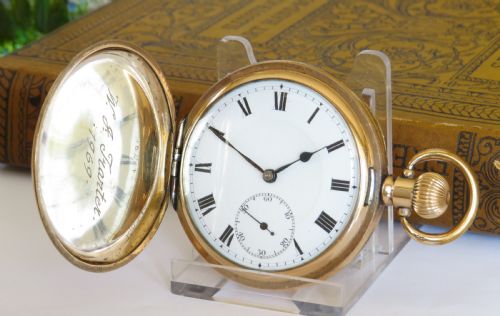
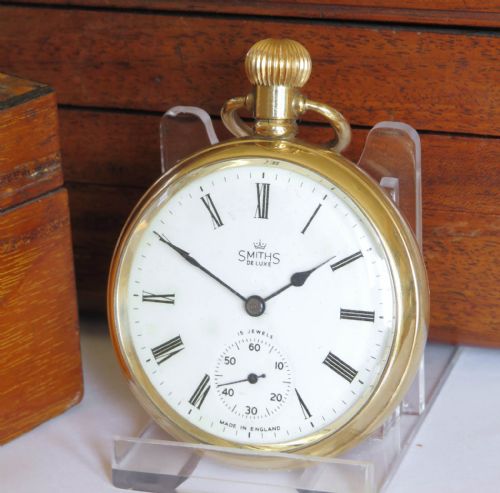
Most examples hail from British, Swiss, and American workshops, displaying open faces or full hunter covers. These items served as functional instruments for gentlemen and ladies before wristwatch adoption became widespread.
Materials and construction
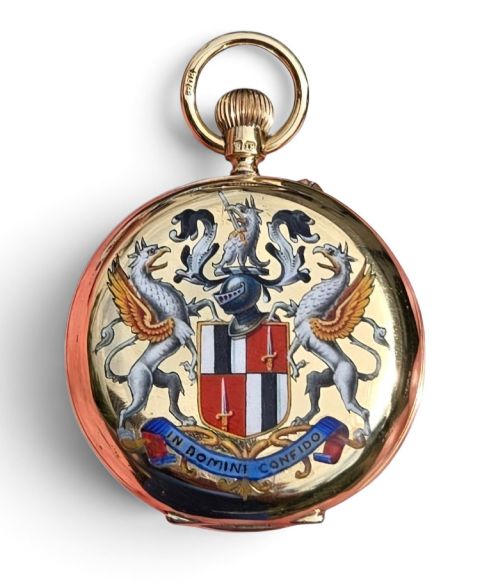
Cases utilise solid yellow and rose gold, typically stamped at eighteen or nine carats, alongside gold filled and rolled gold alternatives. Enamel dials and glass crystals protect the intricate mechanical movements housed within.
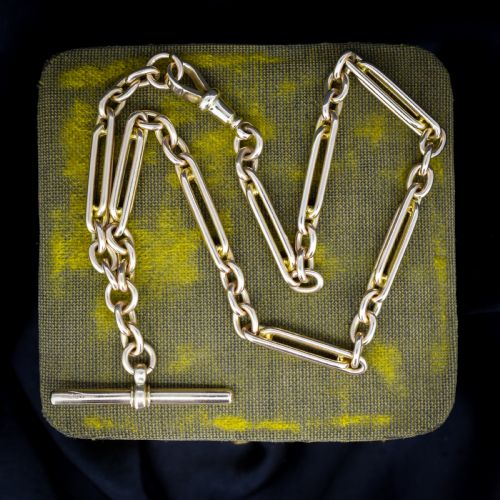
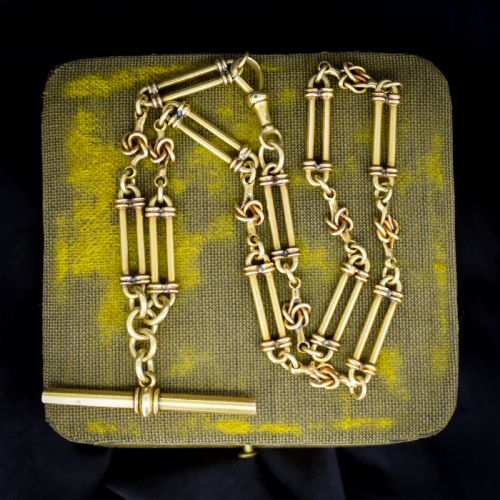
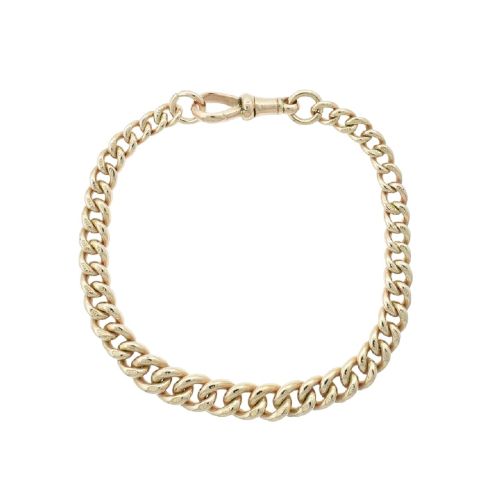
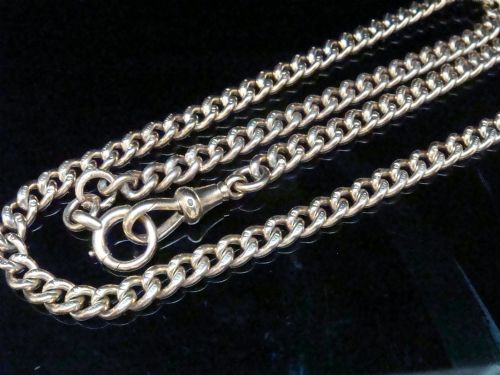
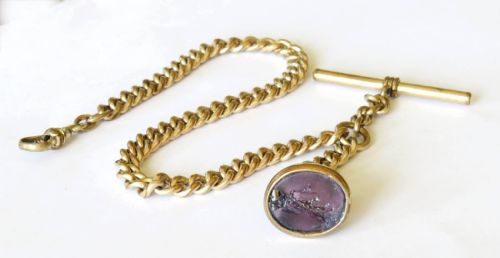
Watch chains employ trombone links, love knots, and oval links fabricated from matching gold materials. Intaglio fobs incorporate bloodstone seals and hand-carved hardstones suspended from swivel clasps.
Materials across the selection range from solid eighteen carat and nine carat gold to rolled gold, brass, and steel.
Distinctions in craftsmanship
Quality diverges between mass-produced factory movements and precision hand-finished pieces created by notable makers. Heavier gold cases and fully hallmarked chains demonstrate superior material substance compared to lighter rolled gold equivalents.
Complexity of the internal mechanism dictates refinement, ranging from standard three-hand layouts to quarter repeating complications. Preservation of original dials, crisply engraved cases, and intact jewelled movements elevate overall desirability.
Waltham·Thomas Russell and Son·R Stewart Glasgow·Lange and Sohne·Syren·Urania·Smiths De Luxe·Hamilton·Charles Le Roy Paris·Elgin·Consul
The Antique Gold Pocketwatch Glossary
- Full hunter
- A pocket watch featuring a spring-loaded metal cover that protects the glass dial from scratches. Pressing the crown opens the case to reveal the face.
- Fusee
- A conical pulley mechanism inside older watches that equalises the diminishing power of the mainspring as it unwinds. This ensures consistent timekeeping across the winding cycle.
- Intaglio
- A gemstone carved with a recessed design used to stamp impressions into sealing wax. Bloodstone is a common material found in these antique fobs.
- Open faced
- A pocket watch lacking a protective metal cover over the glass, allowing immediate viewing of the time. These forms were standard for quick reference during the nineteenth and twentieth centuries.
Antique Gold Pocketwatch: Frequently Asked Questions
How do I wind an antique pocket watch?
Most pocket watches require turning the crown clockwise until resistance is felt, while key-wound models utilise a separate metal key applied to an internal square arbor.
Avoid overwinding the mainspring, as excessive tension can damage the delicate internal gears and historical escapement components.
What is the difference between open faced and full hunter watches?
Open faced watches expose the glass dial directly for immediate viewing without opening a cover. Full hunter watches enclose the face behind a hinged metal lid that springs open via the crown.
Both styles appear across Victorian and twentieth-century horology, serving different preferences for dial protection.
Can I wear an antique pocket watch chain as a necklace?
Shorter Albert chains and trombone link chains adapt easily for wear around the neck. Many collectors repurpose these sturdy gold links to display pendants or wear them independently.
Checking the length and clasp security ensures the antique gold links remain safe during daily wear.
What are watch fobs used for?
Fobs served as decorative ornaments or functional seals attached to the end of a pocket watch chain. Owners pressed the carved bloodstone intaglio into hot wax to authenticate letters and documents.
Today these pendants frequently detach to hang from charm bracelets or chains.