
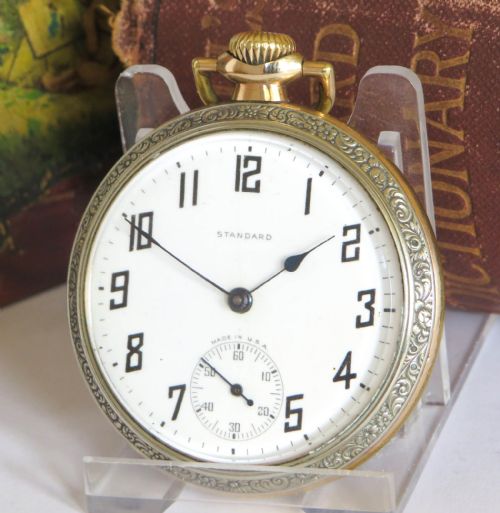
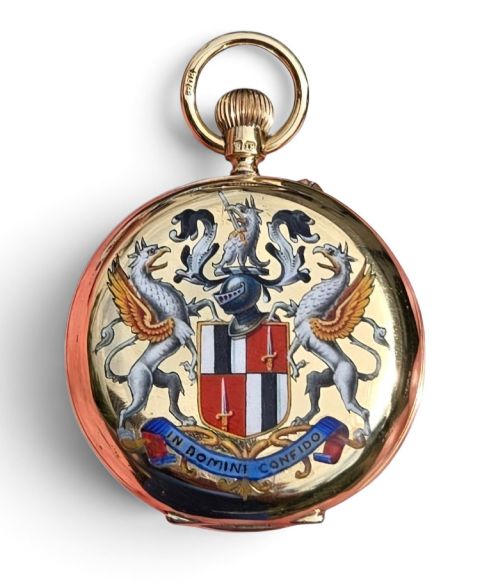
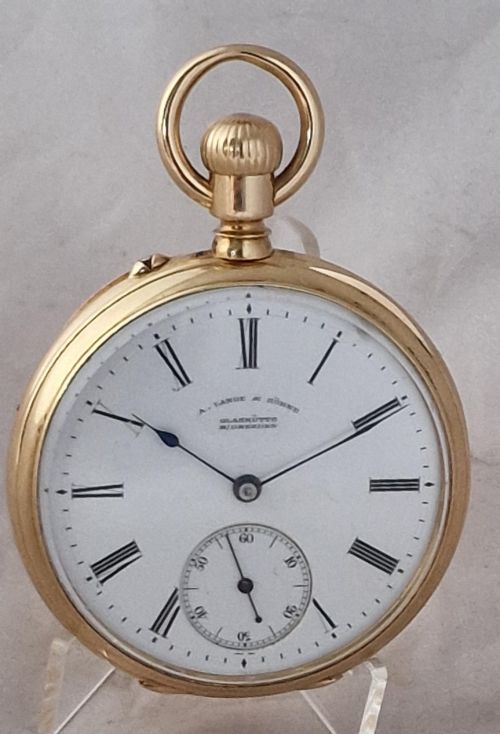
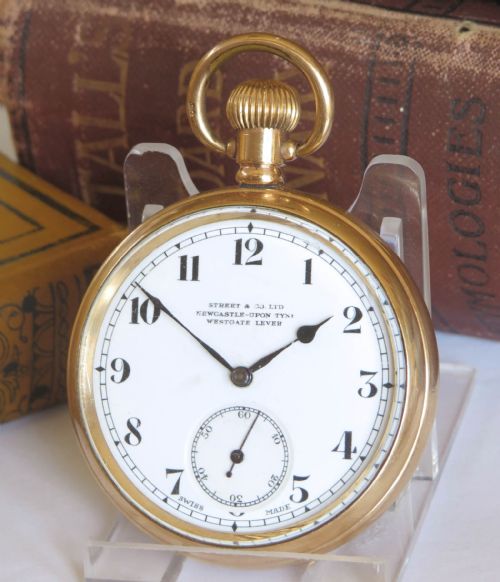
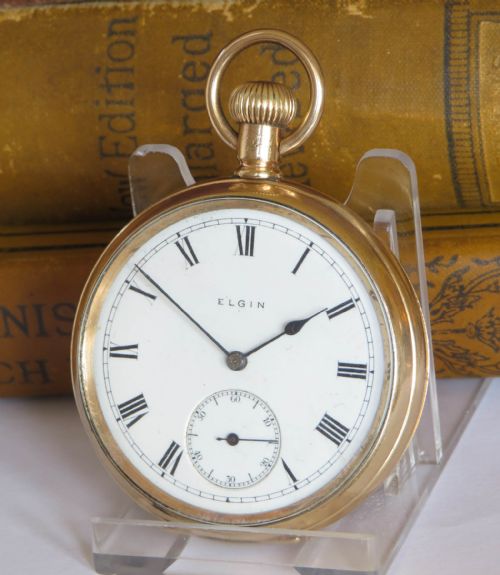
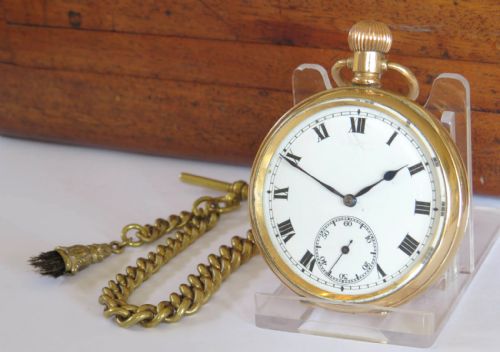
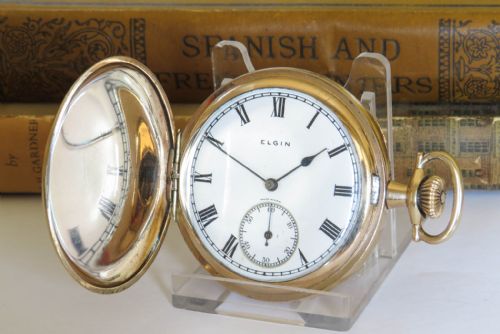
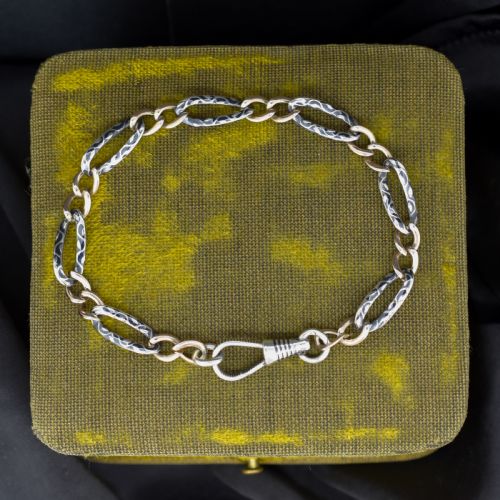
Enamelled Gold Watch
An enamelled gold watch brings together precision mechanics and miniature painting, offering a piece of history that fits inside a waistcoat pocket.
Enamelled Gold Watch
When you search for an enamelled gold watch, you encounter timepieces spanning from the 18th century through the Victorian, Edwardian, and Art Deco periods, extending into the mid-century.
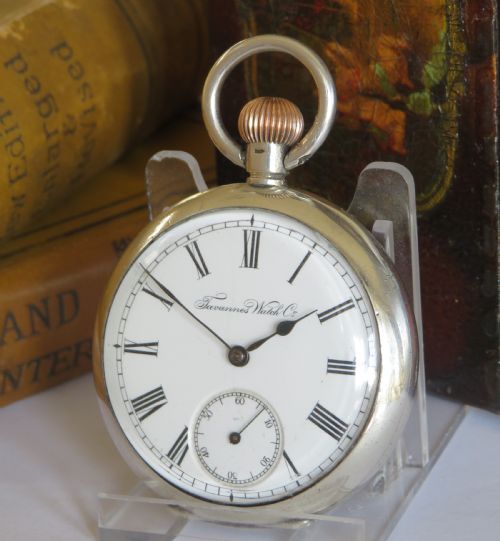
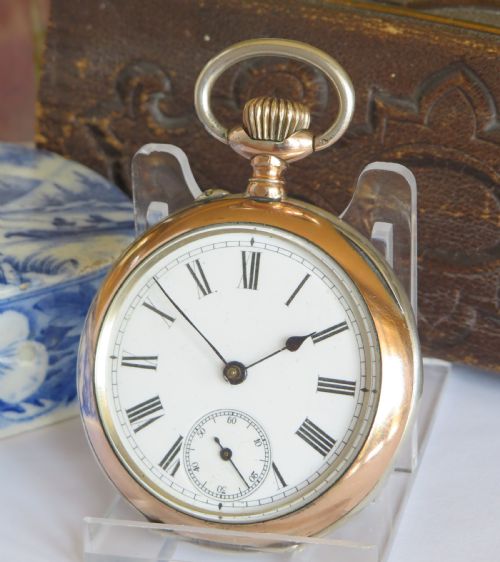
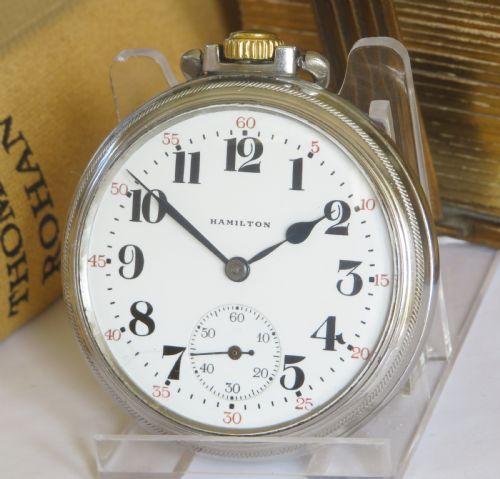
The pieces appearing here include pocket watches, fob watches, and pendant designs originating from English, French, and Swiss workshops.
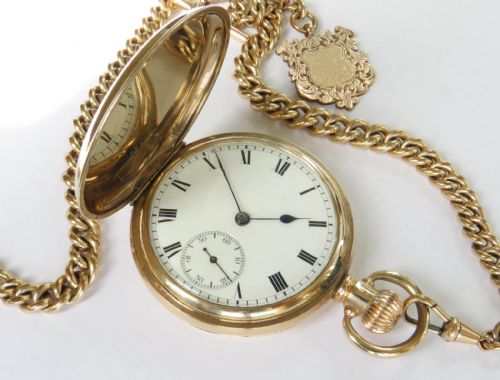
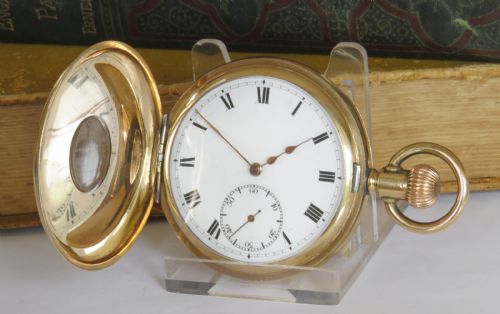
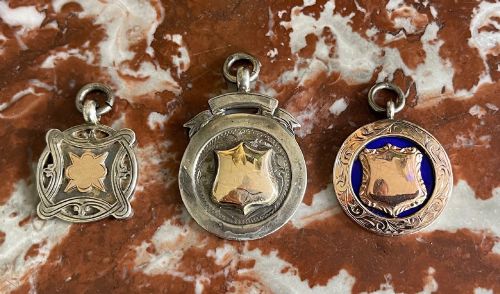
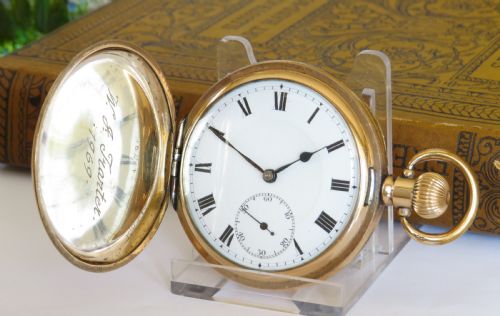
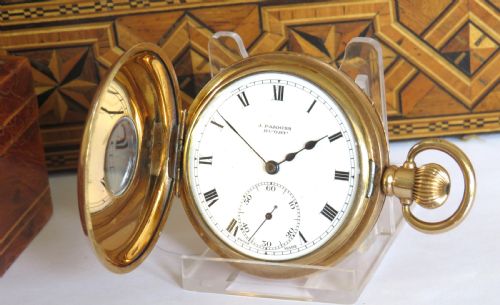
Full hunter and half hunter variations dominate the selection, often accompanied by matching chains or watch fobs.
Materials and construction
Cases combine gold, gold plate, rolled gold, or gilt brass with decorative enamel work, sometimes paired with silver, steel, and glass components.
Movements rely on mechanical ingenuity, utilising stem winding or button wind mechanisms alongside fusee verge technology in earlier examples.
Listings span multiple eras from the 18th century through to the 1950s, featuring materials such as enamel, gold plate, and niello silver.
Evaluating craftsmanship
The standard of an enamelled gold watch rests on the precision of the miniature enamel painting and the complexity of the internal movement, such as quarter-repeating complications.
The crispness of the dial markings and the integrity of the precious metal case distinguish standard production pieces from royal-descent or signed horological works.
R Stewart Glasgow·Lange And Sohne·Charles Le Roy Paris·Baume And Co
The Enamelled Gold Watch Glossary
- Full hunter
- A pocket watch featuring a metal spring-loaded cover that protects the glass dial. This cover requires pressing a button on the crown to open.
- Half hunter
- A pocket watch with a metal outer case featuring a glass-centred aperture or a transparent ring. This design lets you check the hands without opening the front cover.
- Fusee
- A conical pulley used in older pocket watches to maintain an even pull as the mainspring unwinds. This mechanism improves timekeeping accuracy across the power reserve.
- Verge escapement
- An early type of escapement mechanism found in antique pocket watches. It regulates the release of power from the gear train using a crown wheel and pallet arrangement.
- Quarter repeating
- A complication that sounds the hours and the quarters when activated by a slide or push button. This acoustic feature allowed owners to tell the time in the dark.
Enamelled Gold Watch: Frequently Asked Questions
How do I wind an antique pocket watch?
Most pieces utilise a stem winding system where you turn the crown between your thumb and forefinger until you feel resistance. Avoid overwinding, as this can strain the internal mainspring.
Older examples from the Georgian or 18th-century periods may require a separate key inserted into a square arbor on the back plate or dial. Turn the key gently in the correct direction until the movement is fully tensioned.
Can I wear a pocket watch every day?
Living with these timepieces involves mindful handling, as vintage mechanical movements lack modern shock resistance. Keep them away from strong magnetic fields and moisture.
Securing the watch to a waistcoat or belt loop using a proper chain or fob prevents accidental drops. Wind the watch at a consistent time each day to maintain steady operation.
How can I tell the period of a watch?
Stylistic details offer the primary clues, such as floral motifs on Edwardian pieces or geometric patterns on 1920s Art Deco examples. The shape of the hands and the typography on the dial shift significantly across the decades.
Examining the movement hallmarks and case signatures provides further context. Maker stamps and silver or gold assay marks often narrow down the production era to a specific decade.