




Victorian Enamel Jewellery
Victorian enamel jewellery brings together rich coloured glass and precious metals in brooches, lockets, and rings crafted during the nineteenth century.
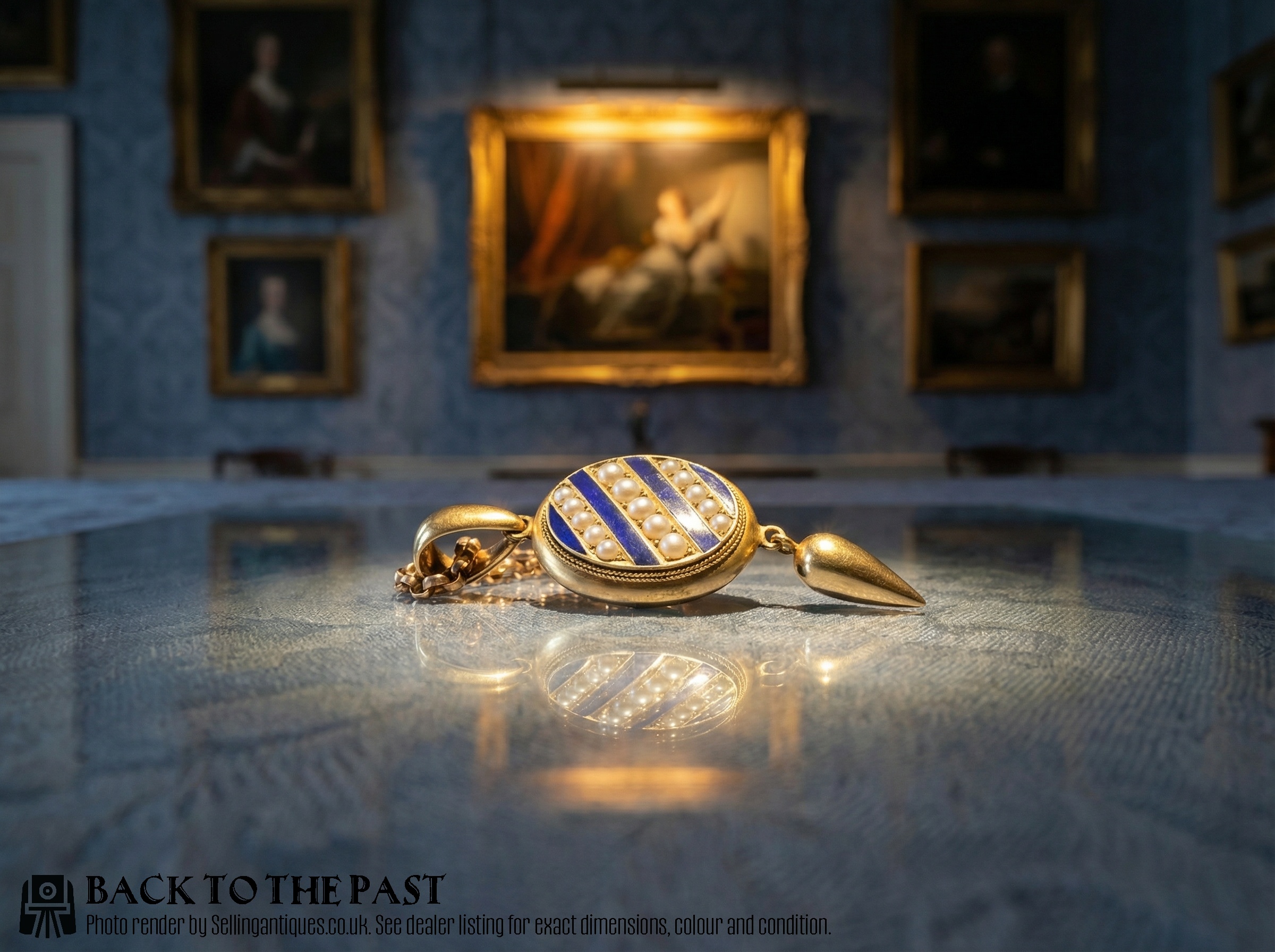
Victorian Enamel Jewellery
Victorian enamel jewellery encompasses pieces produced across the nineteenth century, featuring decorative vitreous surfaces applied to gold, silver, and other metals. The selection on this page relies heavily on items from the Victorian period alongside related pieces from the Edwardian era and the early twentieth century.
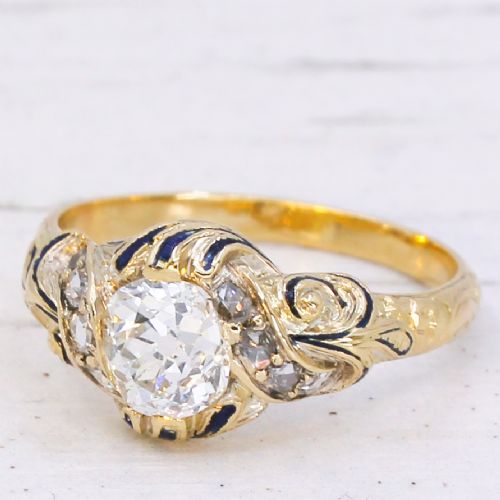
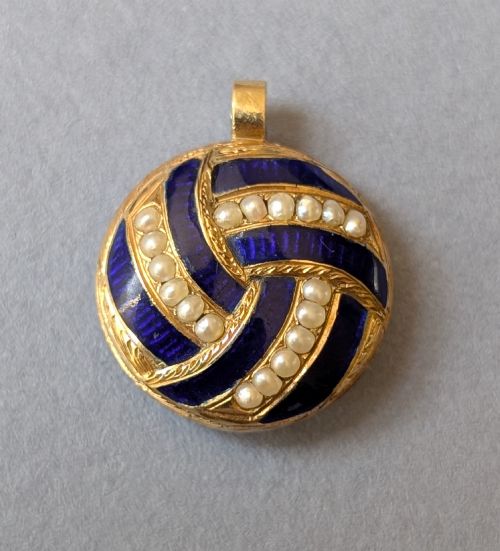
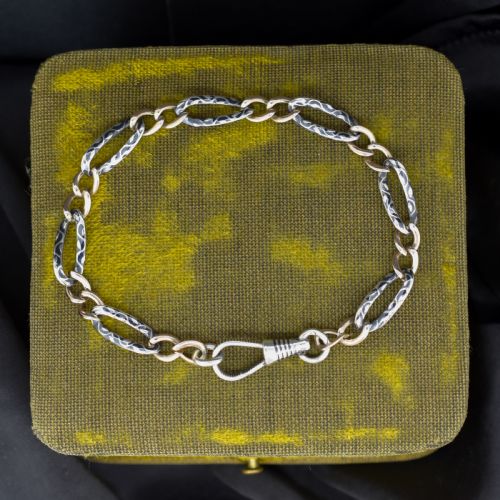
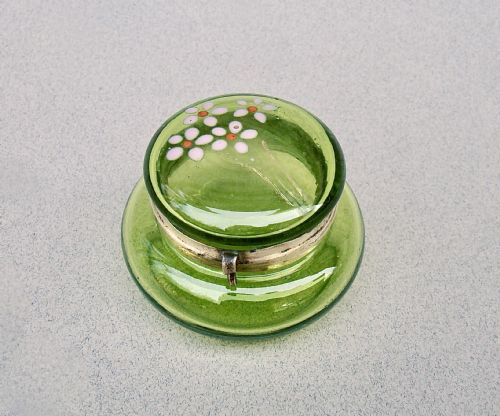
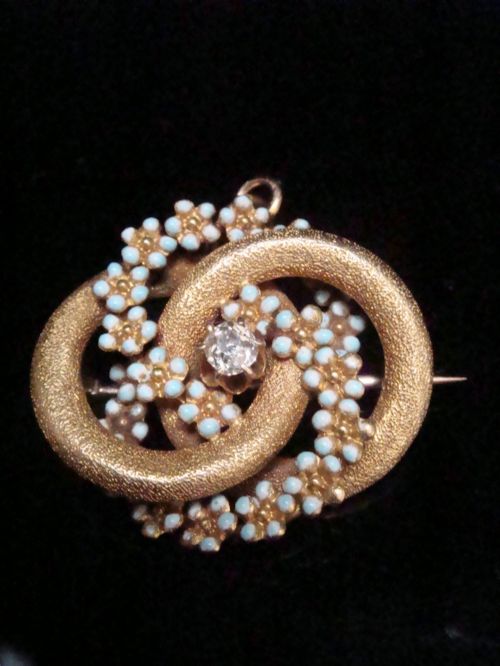
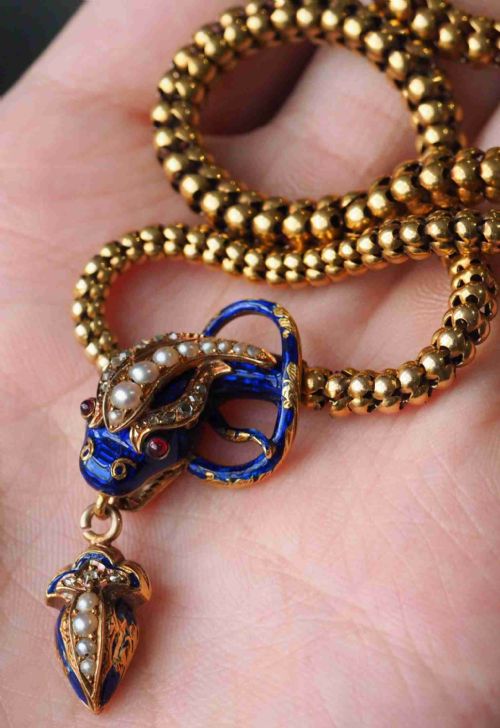
Buyers will encounter an array of forms, with brooches, pendants, lockets, rings, and bracelets appearing alongside small trinket boxes. Mourning and sentimental pieces feature prominently, often displaying blue enamel, pearls, and diamonds configured in motifs such as forget-me-knots and serpents.
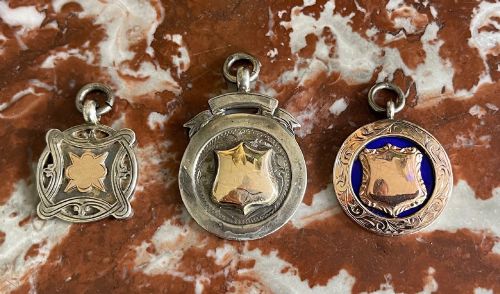
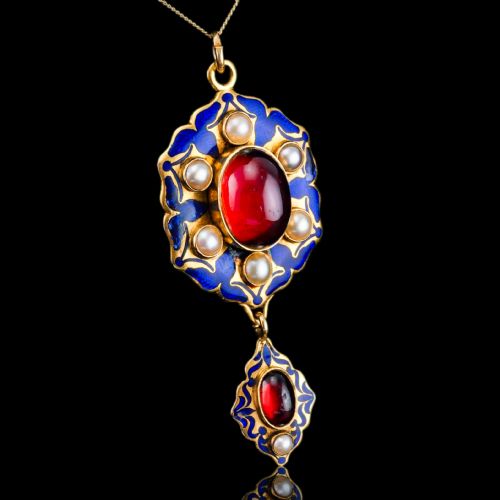
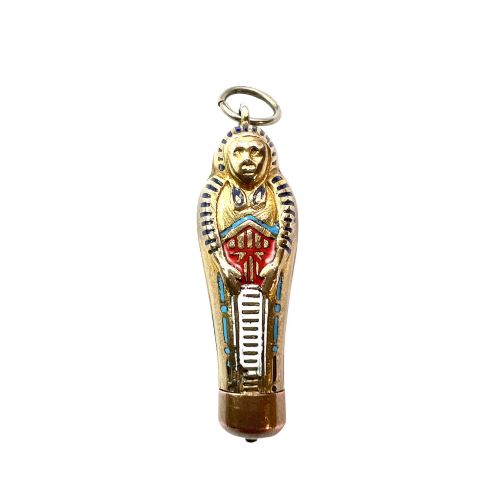
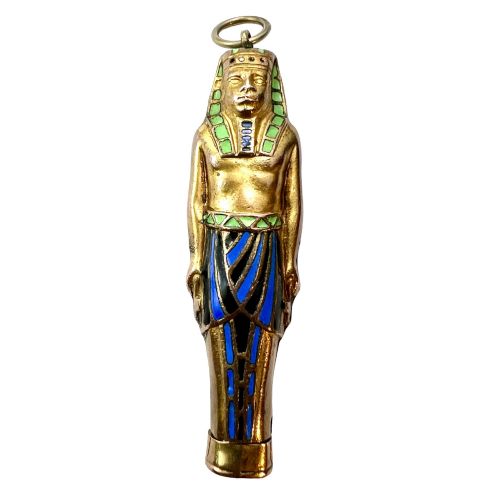
Stylistic influences span several revivals and movements, recording Renaissance Revival, Egyptian Revival, French Rococo Revival, and Art Nouveau designs. Pieces range from simple silver hearts to elaborate Austro-Hungarian silver gilt and multi-gem necklaces.

Materials and Technique
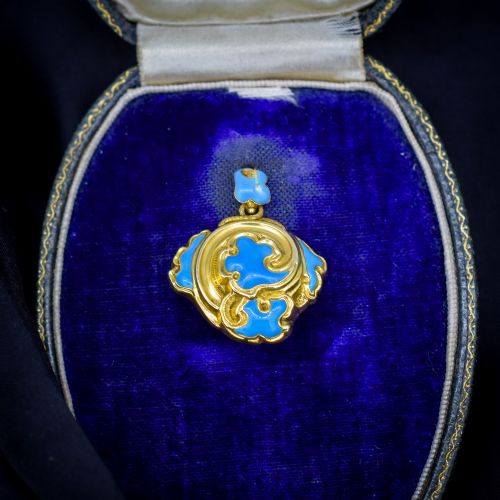
Goldsmiths and silversmiths utilised 18ct gold, 15ct gold, 9ct gold, and silver as the structural foundations for these items, frequently incorporating pearls, diamonds, garnets, and glass. Enamel powders were fused to metal surfaces through heat, creating durable coloured decorations in shades of blue, red, green, and black.
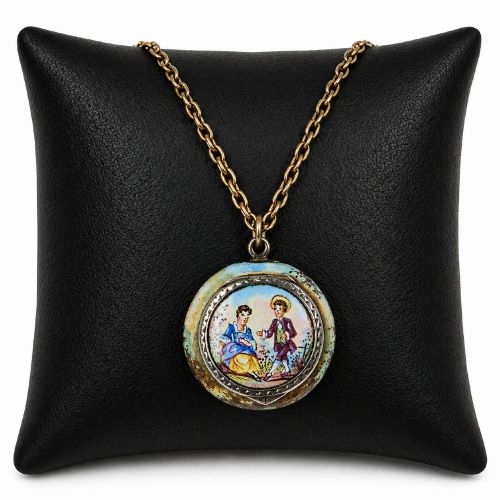
Techniques varied from simple surface coatings to guilloche engraving beneath translucent enamel and hand-painted miniature portraits. Metalwork often included intricate wirework, foil backs, and applied appliques to frame the enamelled sections.
Victorian Enamel Jewellery Retail Price Guide 2026
Typical asking prices for victorian enamel jewellery among the pieces listed under this phrase on Sellingantiques today, from the lower quarter to the upper quarter. They describe what is for sale here now, not the wider market.
Listings feature gold, silver, pearls, diamonds, and glass assembled into brooches, lockets, pendants, and trinket boxes across the Victorian, Edwardian, and Regency eras.
Craftsmanship and Preservation
Quality separates pieces through the precision of the metalwork, the clarity and depth of the enamel surface, and the security of the gem settings. Finer examples display meticulous hand-painted details, flawless vitreous coatings without bubbling or cracking, and substantial gold or silver weight.
The integration of supplementary materials such as natural pearls and rose cut diamonds influences the standing of a piece within the range. Preservation of the original components, including intact hinged mechanisms and matching clasps, distinguishes superior survivors from those with replacements.
The Victorian Enamel Jewellery Glossary
- Enamel
- A glassy substance fused to metal through high-temperature firing. It provides smooth, permanent colour across jewellery surfaces.
- Guilloche
- Precise engine-turned patterning engraved into metal before translucent enamel is applied. This technique creates shimmering geometric depth beneath the coloured glass.
- Mourning jewellery
- Pieces created to commemorate deceased individuals, frequently incorporating black enamel, seed pearls, and hair compartments. They served as personal tokens of remembrance during the nineteenth century.
- Holbeinesque
- A Victorian revival style inspired by sixteenth-century court jewellery. These designs typically feature suspended pearls, enamelled cartouches, and complex pendant structures.
- Plique-a-jour
- An enamelling technique resembling stained glass without a metal backing. Light passes directly through the translucent colours held within wire cells.
Victorian Enamel Jewellery: Frequently Asked Questions
What is Victorian enamel jewellery?
Victorian enamel jewellery comprises decorative ornaments made during the nineteenth century that feature fused glass coatings on precious metals. These items include rings, brooches, and lockets adorned with coloured enamel.
Such pieces often incorporate pearls and diamonds alongside symbolic motifs like serpents and flowers. They reflect the aesthetic shifts of the period, moving from sentimental mourning items to revivalist and art nouveau designs.
How do I identify different periods?
Dating relies on stylistic markers, metal hallmarks, and the specific types of enamel work used in construction. Early Victorian examples often include heavy gold mourning pieces, while later items incorporate diverse revival styles.
Examining the back of a piece, the type of clasp, and any stamped assay marks helps narrow down the production era. Edwardian and later pieces display lighter settings and distinct colour palettes compared to mid-nineteenth-century work.
How should I care for enamel items?
Enamel requires gentle handling because glass surfaces can chip or scratch upon impact with hard objects. Cleaning should involve soft cloths and mild solutions, avoiding abrasive dips or ultrasonic cleaners.
Storing pieces individually prevents friction damage from neighbouring items in a collection. Keeping jewellery away from harsh chemicals and extreme temperature shifts preserves the integrity of the vitreous material.
What motifs appear on these pieces?
Common motifs include snakes representing eternity, forget-me-knots symbolising lasting memory, and fleur-de-lis patterns. These symbols carried specific personal and cultural meanings for nineteenth-century wearers.
Trinket boxes and pendants also feature architectural and exotic themes, particularly during periods of Egyptian and Renaissance revival. Each design element contributes to the narrative context of the item.