


Victorian Electroplated Silver
Victorian electroplated silver brings the bright domestic splendour of the nineteenth century to the modern table through durable metalware.
Victorian Electroplated Silver
When you search for Victorian electroplated silver, you encounter a diverse array of domestic metalware produced during the nineteenth century using industrial plating methods. The pieces available here span utilitarian items and decorative table accessories designed for dining rooms and drawing rooms.
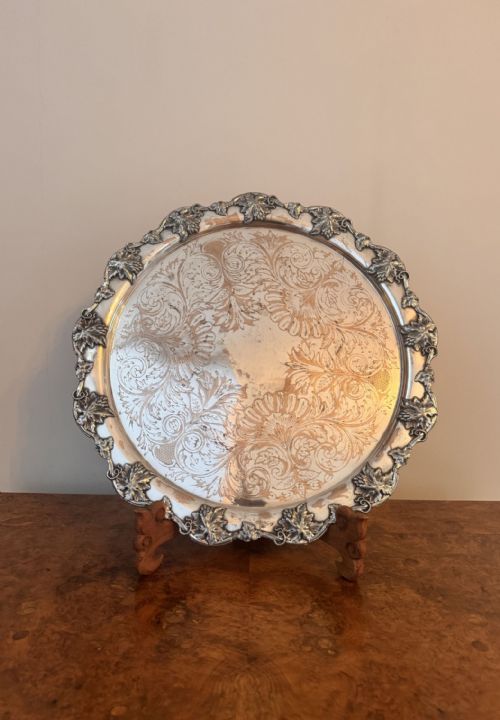
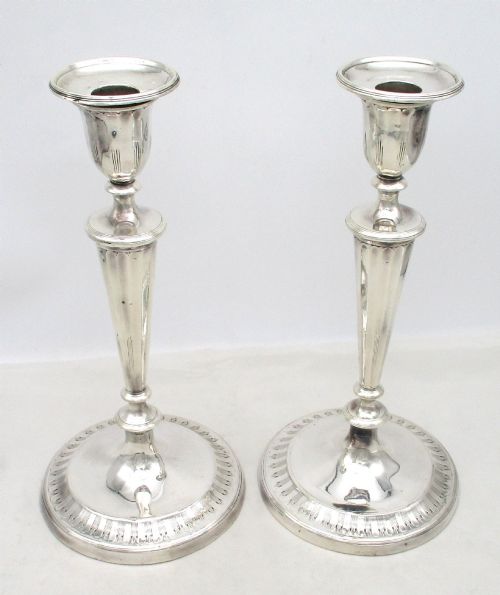
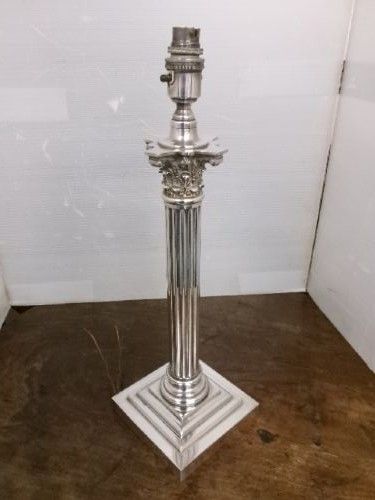
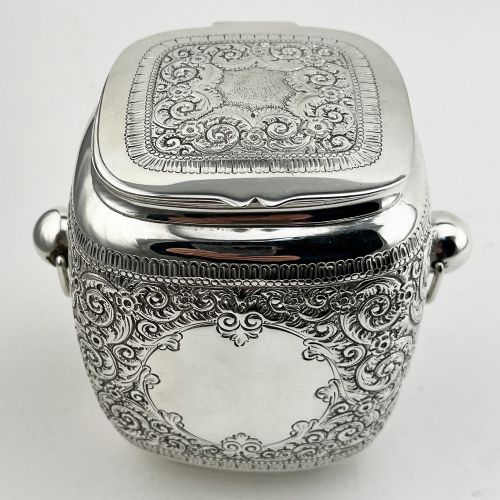
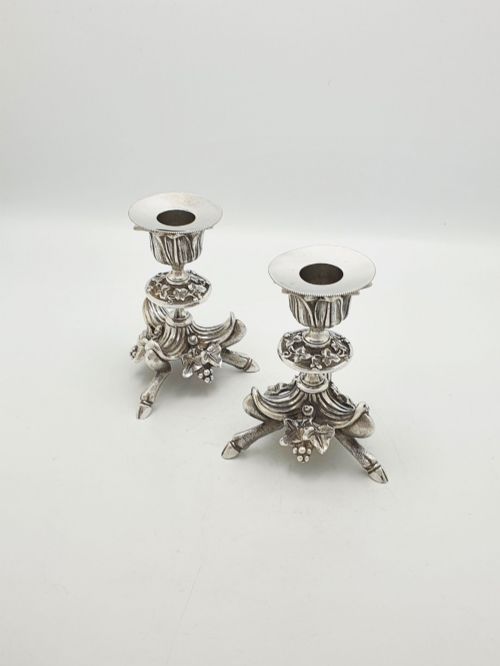
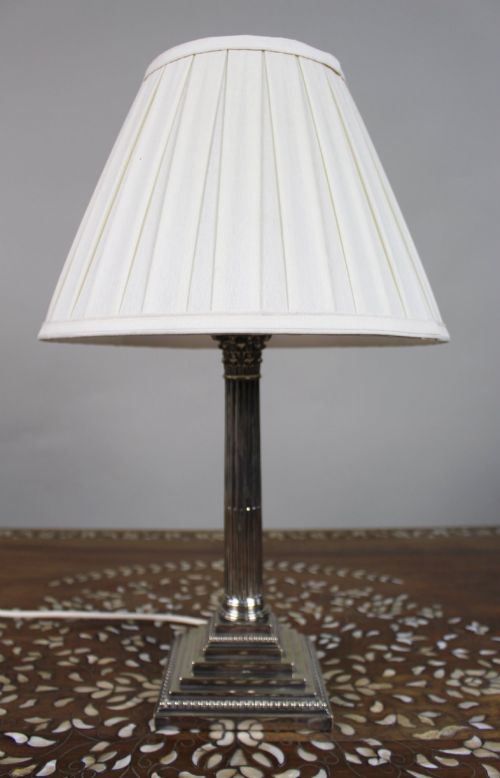
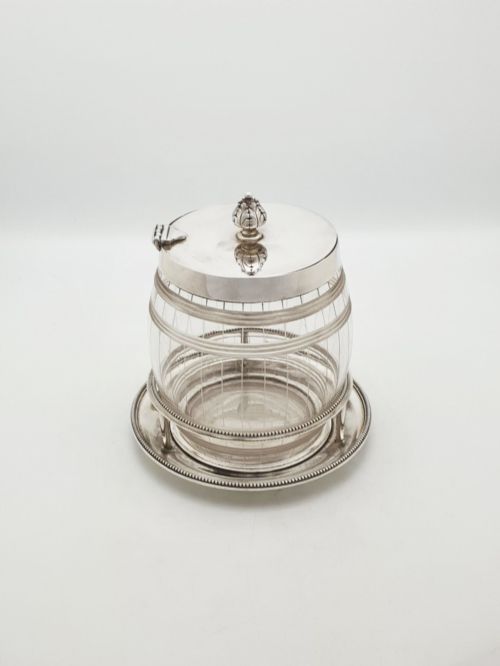
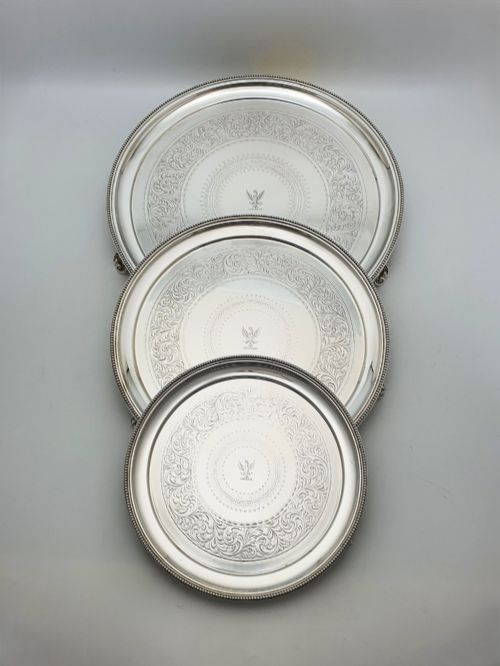
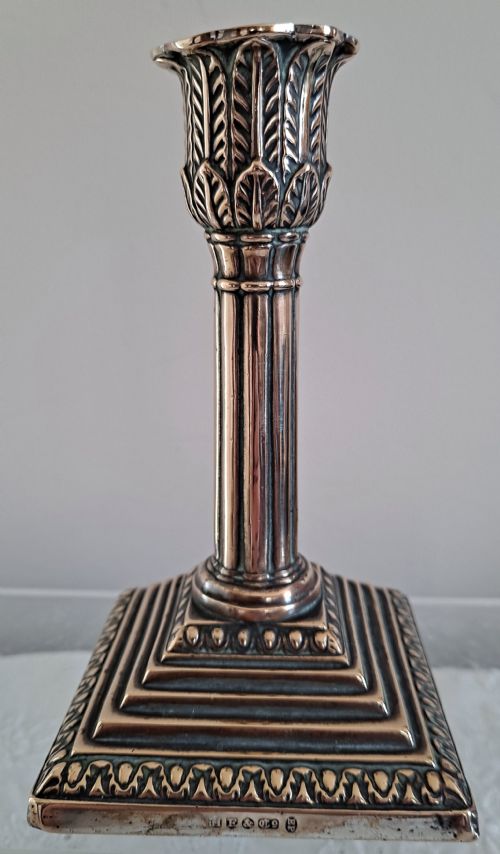
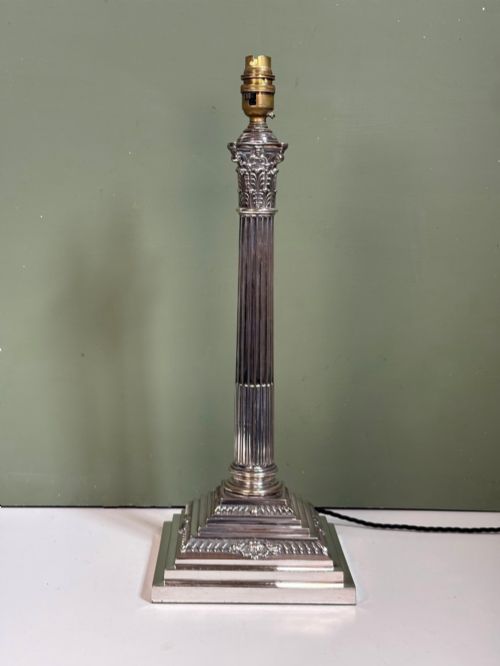
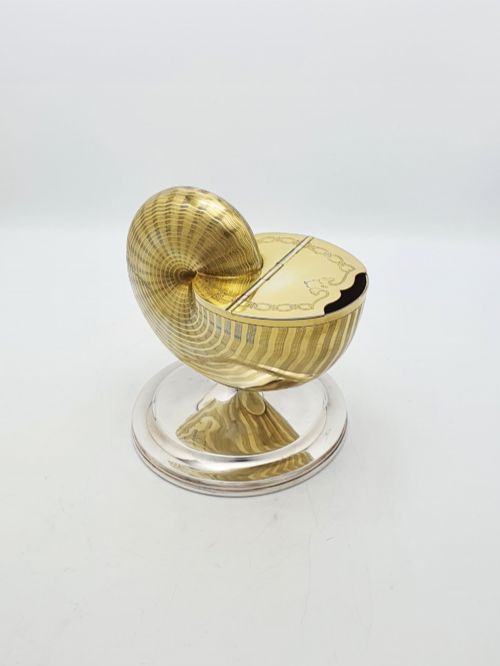
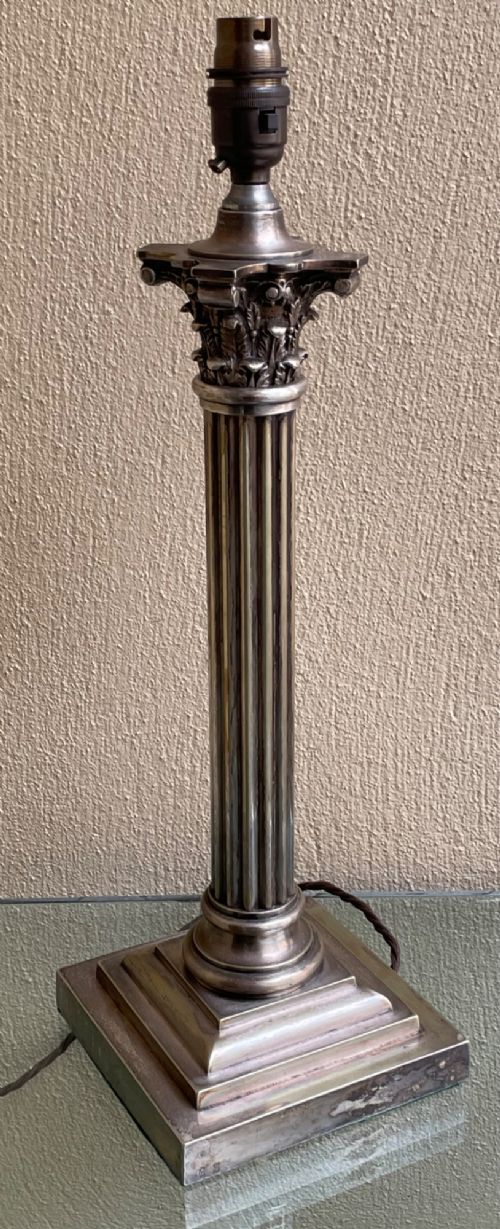
The most common forms on this page include candlesticks, table lamps, biscuit barrels, trays, salvers, and novelties such as shell-shaped spoon warmers. These items originated across various decades of the nineteenth century, reflecting changing domestic habits and interior decoration trends.
Makers utilised base metals coated in a thin layer of silver through electrolysis, a technique developed in the nineteenth century to democratise the appearance of solid silver. This process created substantial tableware that combined durability with ornamental detail.
Materials and Techniques
Makers used base metals such as nickel silver, brass, and general white metal alloys as the foundation for electroplating. These substrates provided structural rigidity and weight for larger items like wine coolers, trays, and candelabras.
The chemical deposition of silver via an electrical current transferred a microscopic layer of precious metal onto the prepared base metal object. Manufacturers frequently applied supplementary materials such as cut glass inserts, walnut bases, and fabric components to complete functional items like biscuit barrels and desk lamps.
Materials span silver plate, EPNS, nickel silver, brass, and cut glass across dining and desk accessories.
Quality and Craftsmanship
The distinction between standard commercial output and superior craftsmanship rests upon the depth of the engraved decoration and the crispness of cast ornament. Items bearing the marks of prominent silversmiths often display heavier gauges of metal and more deliberate chasing.
Preservation of the original silver coating significantly influences the character of each piece. Superior examples retain their bright reflective surfaces across intricate relief work, whereas utilitarian items frequently show wear from active domestic use.
Martin Hall And Co·Elkington·Walker And Hall·Smith And Sissons·Harrison Brothers And Howson·Robert And Belk·Mappin And Webb·Padley Parkin And Staniforth·Fenton Russel·James Dixon·Daniel And Arter
The Victorian Electroplated Silver Glossary
- EPNS
- Electroplated Nickel Silver. This acronym denotes a base alloy of copper, nickel, and zinc coated with a layer of silver.
- Salver
- A tray for serving food or drinks. These flat metal vessels often stand on small feet and feature chased borders.
- Candelabra
- A branched candlestick holder. These pieces support multiple lights and often form centrepieces for dining tables.
- Spoon Warmer
- A vessel for heating cutlery. Victorian dining practices included these specialised containers on sideboards.
- Corinthian Column
- A classical architectural style. Table lamps and candlesticks frequently adopt this fluted column design.
Victorian Electroplated Silver: Frequently Asked Questions
What is Victorian electroplated silver?
It is metalware created by applying a thin layer of silver to a base alloy using an electrical current during the nineteenth century. This innovation allowed households to own decorative domestic items that looked like solid silver.
The listings feature various household objects from this period, including tea caddies, lamps, and serving dishes, all produced through industrial plating advancements.
How do I clean these items?
Gentle washing with warm soapy water and a soft cloth preserves the delicate silver coating without removing the remaining finish. Avoid harsh abrasive dips that strip away the historical plating.
Regular dusting keeps dust from settling into engraved recesses on trays and candlesticks. Proper maintenance ensures the metal retains its nineteenth-century character.
How can I date these pieces?
Makers' marks, registry diamond stamps, and stylistic cues help determine the decade of manufacture. Nineteenth-century aesthetic movements shifted from ornate revival styles toward cleaner neoclassical forms later in the era.
Examining the construction methods and the specific stamp of the plating firm provides further chronological context. Archival records often link these maker marks to specific production years.
Were these items used daily?
Middle and upper-class Victorian households utilised these silver-plated wares for formal dining, tea service, and interior illumination. Biscuit barrels, wine coolers, and entrée dishes served practical functions during meals and gatherings.
Over decades of service, many items accumulated gentle wear that reflects their active domestic history. Today, collectors appreciate both their decorative appeal and their functional past.