
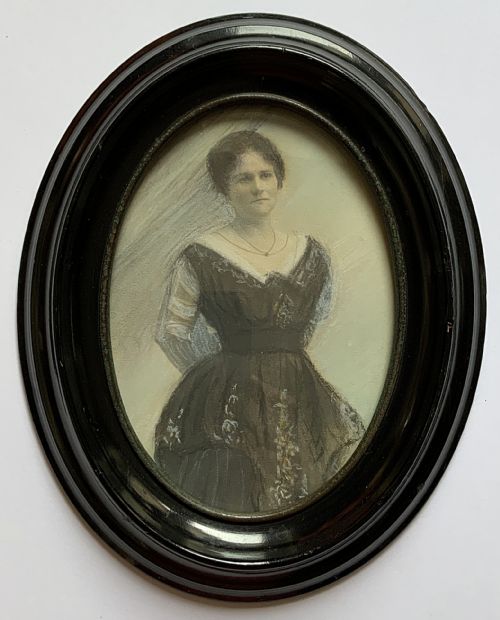
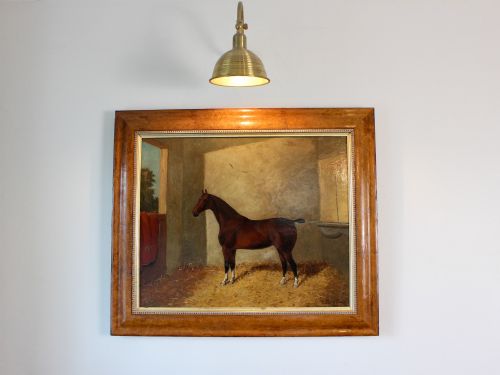
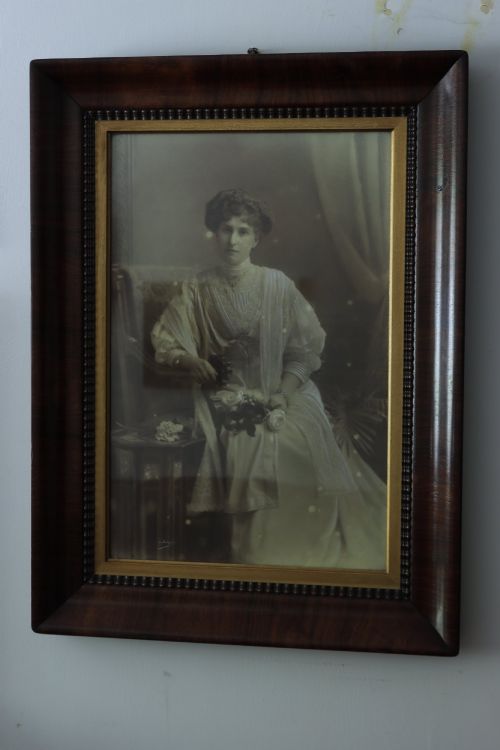

Victorian Edwardian Portrait Picture
A victorian edwardian portrait picture brings character and history into a room through oil, pastel, silver, and wood.
Victorian Edwardian Portrait Picture
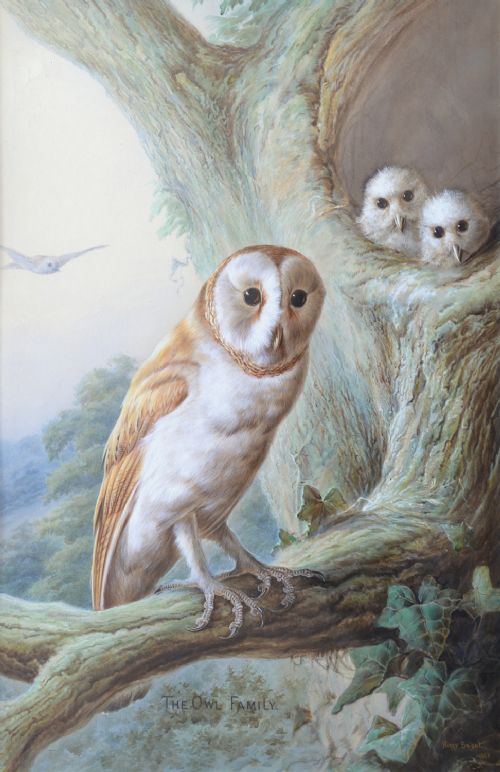
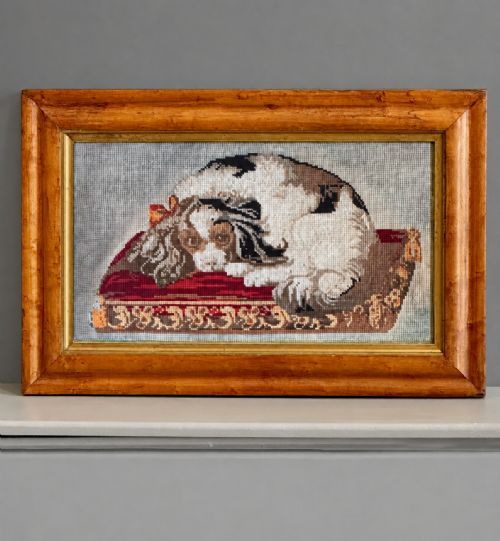
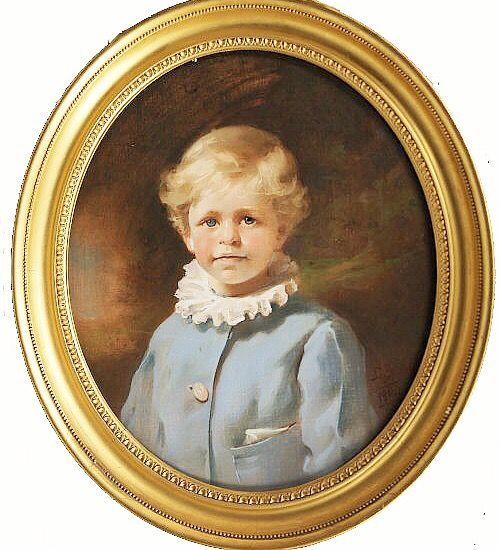
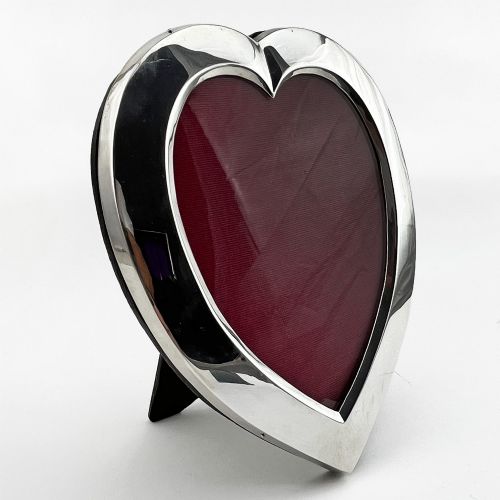
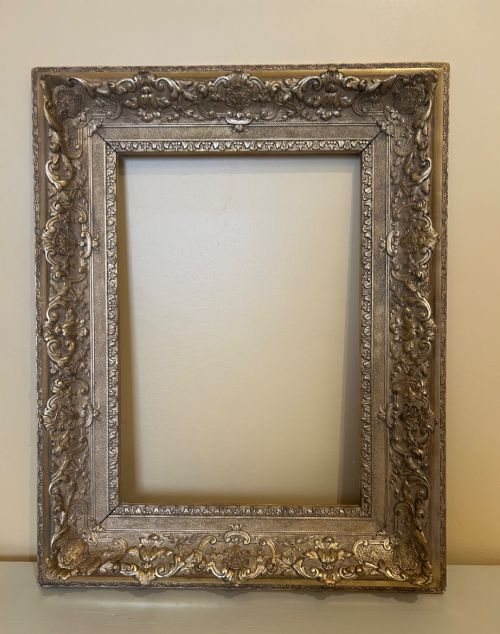
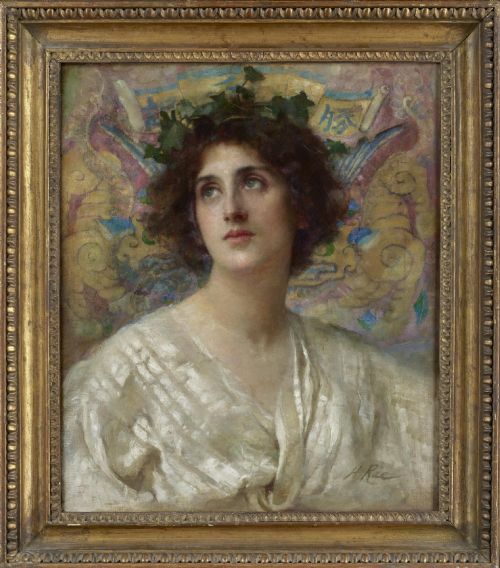
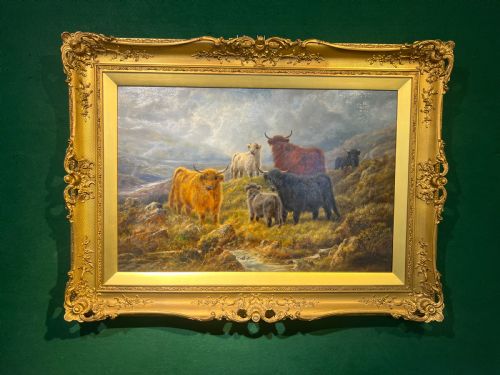
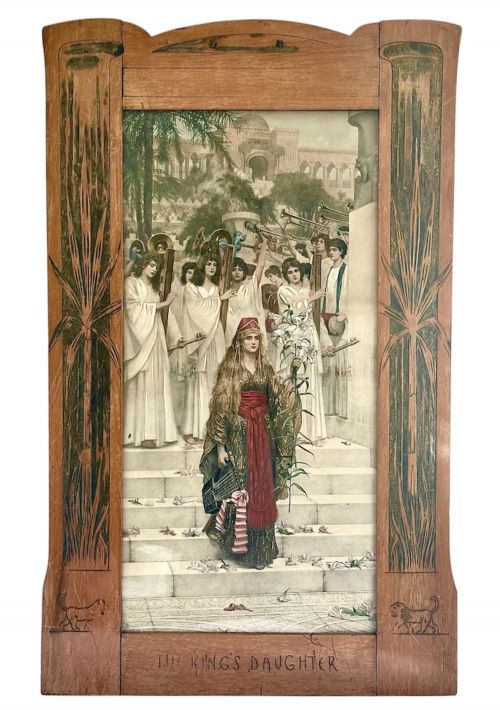
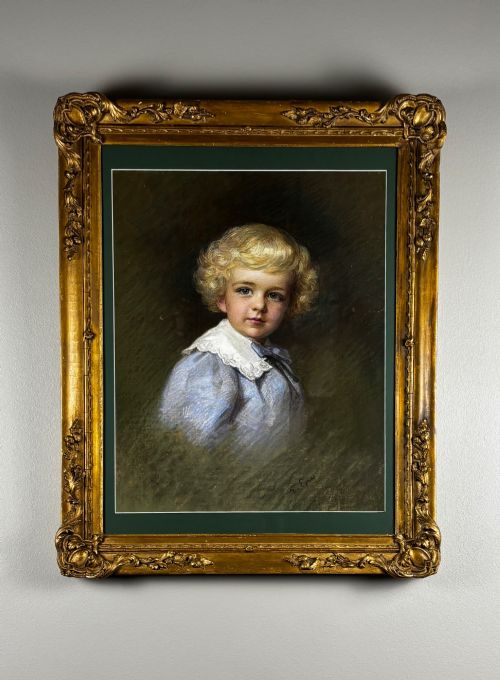
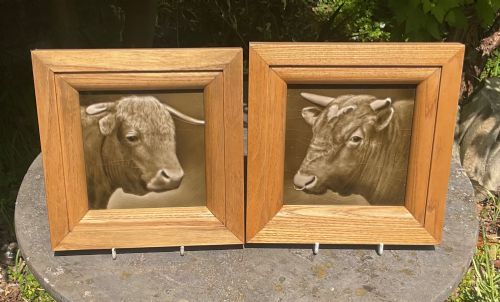
A victorian edwardian portrait picture encompasses framed artworks, oil paintings, watercolours, and sterling silver photo frames dating from the nineteenth and early twentieth centuries. These pieces capture individuals, families, sporting subjects, and animals in varied historic settings.
Buyers will most frequently encounter painted portraits, photographic prints, and decorative metal or wooden frames across periods spanning the Victorian and Edwardian eras. The selection ranges from large canvas oil paintings to small miniature watercolours and heart-shaped silver holders.
How They Were Made
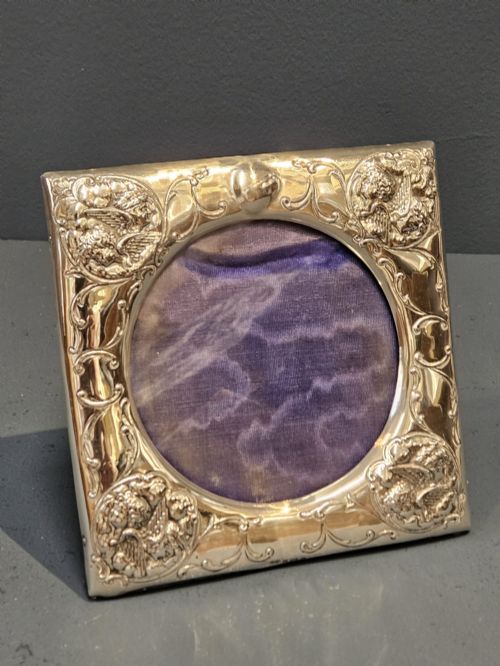
Artworks utilise traditional oil on canvas, pastel, watercolour, and photogravure techniques applied by hand or early photographic methods. Frames combine carved wood, giltwood, cast iron, and embossed sterling silver with glass and velvet backing.
Materials reflect period craftsmanship, pairing durable metals and sturdy timbers like burr maple and gilt wood to protect delicate paper, glass, and canvas surfaces over generations.
Listings feature works spanning the nineteenth century through the nineteen-thirties, utilising mediums including oil, pastel, glass, and sterling silver.
What Varies in Quality
Quality rests in the skill of the artist's hand, the depth of detail in portraiture, and the intricacy of metalwork or wood carving on the surrounding frame. Superior items display refined brushwork, balanced composition, and substantial materials such as solid eighteen-carat gold or heavy sterling silver.
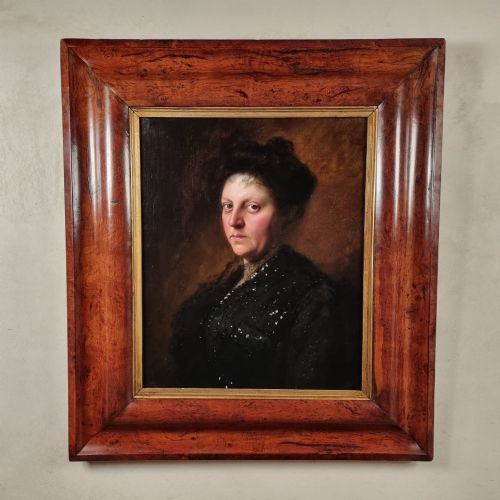
The relationship between the artwork and its housing matters significantly. Pieces retained in their original burr maple or embossed silver frames demonstrate higher integrity and period authenticity than mismatched pairings.
William Comyns·Sherwin and Cotton·Hardy Brothers
The Victorian Edwardian Portrait Picture Glossary
- Crystoleum
- A historic method of applying a hand-coloured print to glass, convexing it, and painting behind it in oil or watercolour.
- Photogravure
- An intaglio printing process that produces photographic images with continuous tones from a metal plate.
- Giltwood
- Wood that has been coated with a thin layer of gold leaf or gilt powder for a decorative metallic finish.
- Mezzotint
- A printmaking technique from the tonal engraving family that allows smooth gradations of light and shade.
Victorian Edwardian Portrait Picture: Frequently Asked Questions
How do I care for antique frames?
Keep wooden and gilt frames away from direct sunlight and damp conditions to protect the finish. Dust gently with a dry, soft cloth without applying chemical cleaning products.
Silver frames benefit from occasional light polishing with a specialised cloth to maintain the metal. Avoid getting polish on adjacent velvet backings or exposed artwork surfaces.
Were these always framed?
Most works were paired with contemporary frames designed to complement the specific art style of the Victorian or Edwardian period. Ornate giltwood and embossed silver enhanced the visual impact of portraits.
Some items survive in original housings like burr maple or velvet-backed silver mounts, while others acquired replacement frames over the subsequent decades of their existence.
Can I replace the backing?
Original materials such as old velvet or wooden panels contribute significantly to the historic character of a piece. Retaining them preserves the integrity of the object.
If structural stability requires an update, consult a professional restorer to use period-appropriate conservation methods that protect the interior artwork.
How do I date these pieces?
Dating relies on stylistic clues, artist signatures, clothing fashions, and hallmarks found on silver frames. Victorian aesthetics often feature heavy ornamentation, whereas Edwardian items frequently show lighter design influences.
Materials and framing techniques also provide clear indicators of whether an object originates from the nineteenth century or the early nineteen-hundreds.