
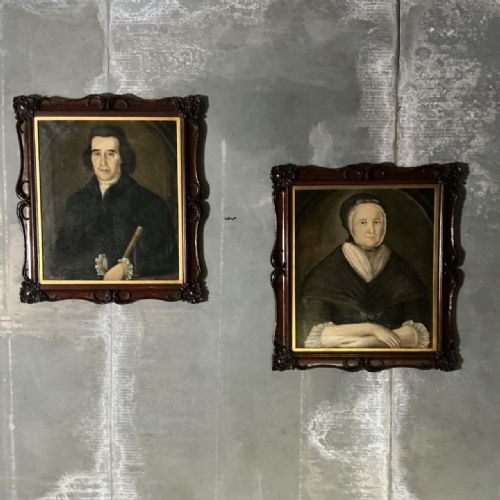

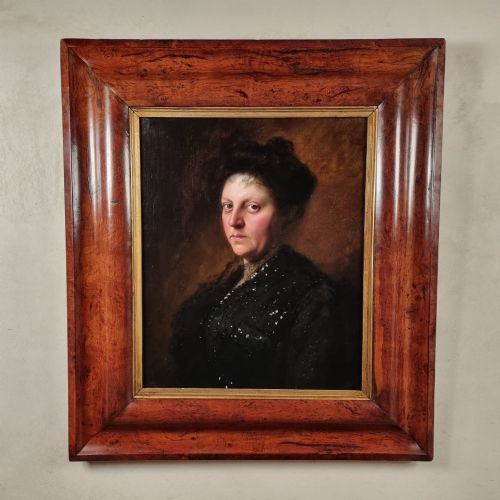


Mahogany Framed Portrait Painting
A mahogany framed portrait painting brings character and history to a room, offering genuine painted likenesses enclosed in timber moulding.
Mahogany Framed Portrait Painting
A mahogany framed portrait painting represents a varied group of historical artwork and likenesses, spanning periods from the seventeenth century through to the twentieth century. Buyers exploring this category encounter works executed in oil paint, watercolour, and pencil on canvas, board, and paper.
How they were made
Framing relies on timber work, predominantly mahogany, sometimes accented with gold leaf. Glazing protects works on paper and watercolour portraits from environmental damage.
Among the painted officers and nobility, a pair of racing pigeons makes a distinct feathered appearance.
What varies in quality
Quality in a mahogany framed portrait painting depends upon the skill of the artist in rendering facial expression and anatomical proportion. Finer examples display confident brushwork or delicate pencil control that brings the subject to life.
The construction and timber grain of the surrounding frame also influence the overall character of the piece. Well-matched frames enhance the visual weight and period context of the artwork within.
Ralph Hedley RBA·J Brown·Wybrand de Geest·Wiliam Ousey Lindley
The Mahogany Framed Portrait Painting Glossary
- Oil paint
- A slow-drying paint made with pigments suspended in a drying oil, commonly linseed. This medium allows for rich colour depth and blended tones.
- Watercolour
- A painting method in which the paints are made of pigments suspended in a water-based solution. It is typically applied to paper surfaces for translucent effects.
- Canvas
- A heavy woven fabric used as a surface for oil painting. It is usually stretched over a wooden frame before work begins.
- Gold leaf
- Gold beaten into thin sheets used for gilding frames and decorative elements. It provides a reflective and enduring metallic finish.
Mahogany Framed Portrait Painting: Frequently Asked Questions
How do I date a portrait?
Dating relies on clues such as the sitter's costume, hairstyle, and the materials used for the support and frame. Clues found on the reverse often provide helpful context.
Comparative study with documented works from specific periods like the Georgian or Victorian eras helps narrow down the decade of creation.
Are these works original?
The selection includes original oil paintings and watercolours created by hand during their respective periods. Some listings also encompass period prints and historical reproductions.
Examining the surface under magnification reveals the brushstrokes or printing dots that distinguish unique paintings from printed matter.
How should I hang them?
Portraits require secure wall fixings suited to the weight of the timber frame and glass where present. Professional picture wire and sturdy brackets ensure safe display.
Placement should avoid direct sunlight and damp environments to protect the paint, paper, and wood over time.
What is oil on board?
Oil on board describes a painting where the artist applies oil colours to a rigid wooden panel or cardboard backing rather than woven canvas. This surface offered a sturdy and accessible alternative for smaller studies.
Many nineteenth-century painters utilised board for quick sketches and finished cabinet portraits alike.