


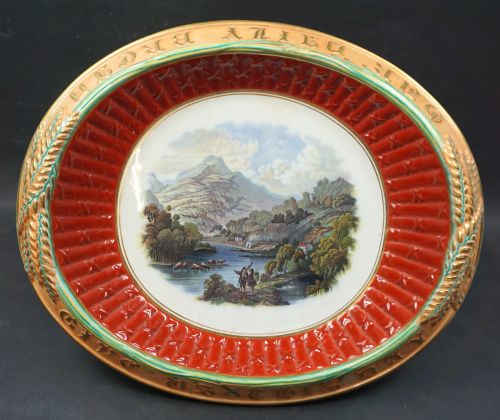
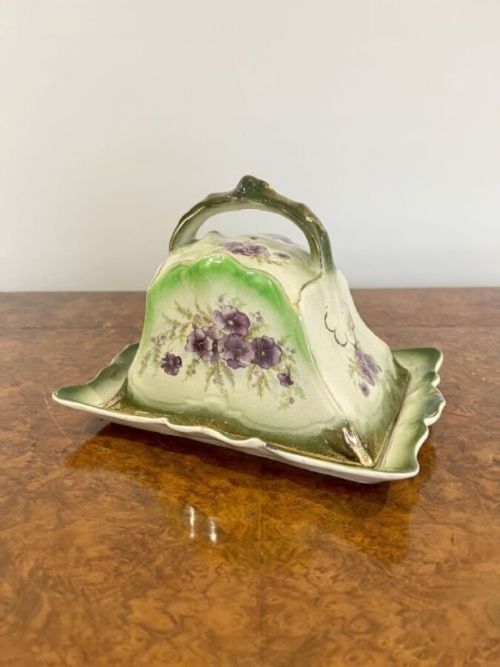


Victorian Earthenware Plate
A victorian earthenware plate brings transfer-printed scenes, rich glazes and sturdy ironstone directly to the table.
Victorian Earthenware Plate
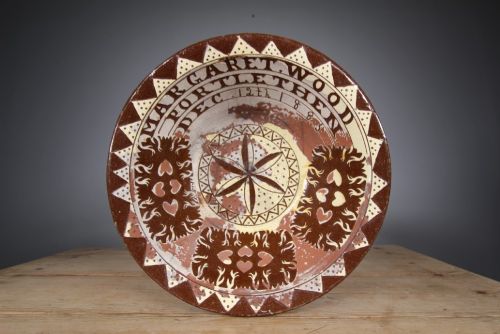
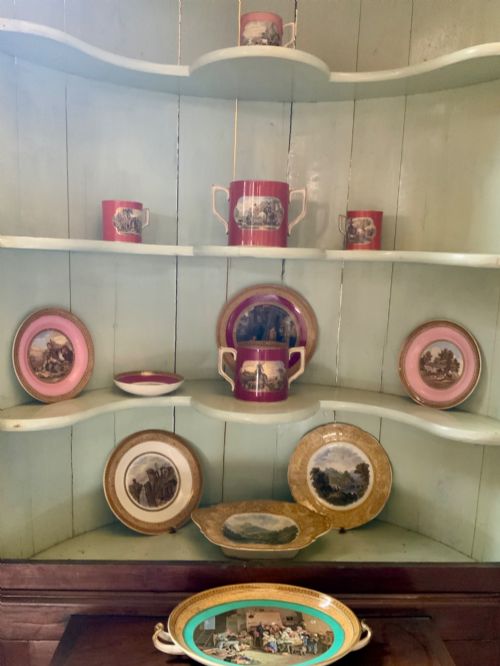
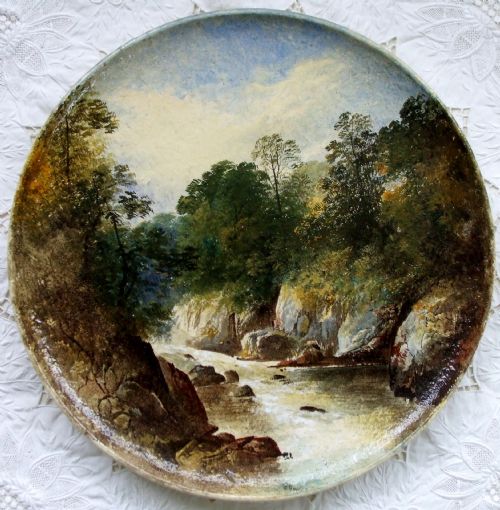
When you search for a victorian earthenware plate, you encounter functional tableware and decorative items produced across the nineteenth century. These objects include dinner services, meat platters, cheese dishes and commemorative plaques created by English potteries.
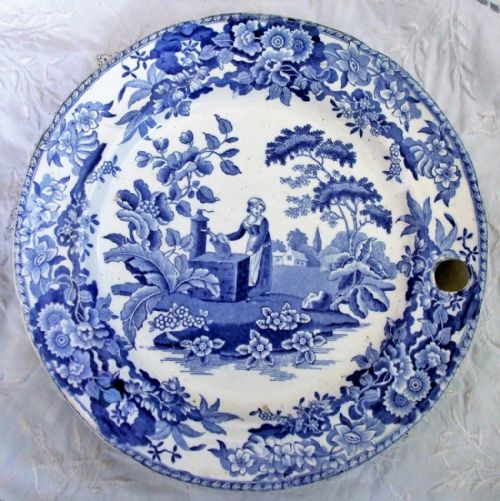
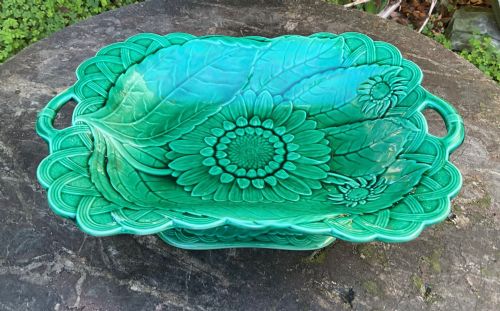
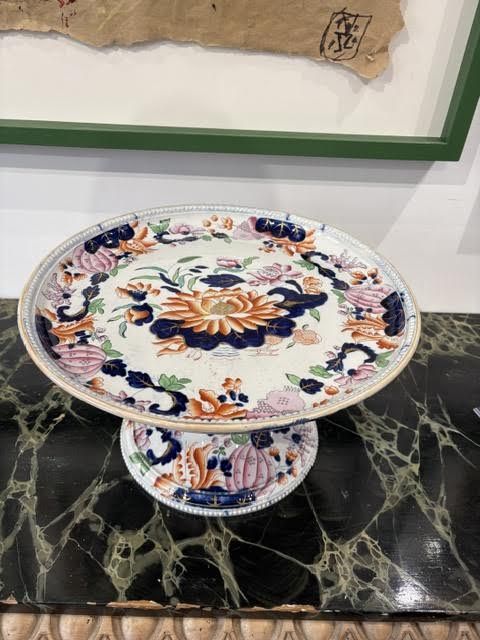
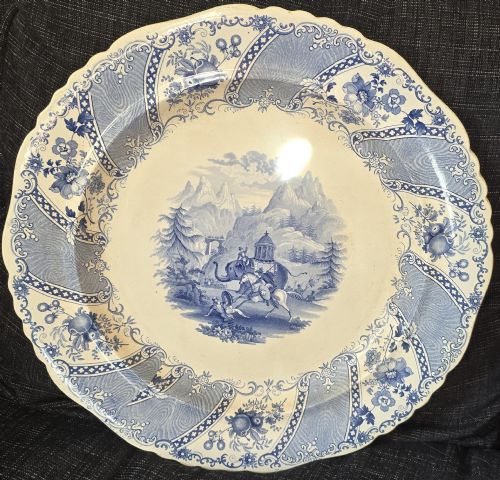
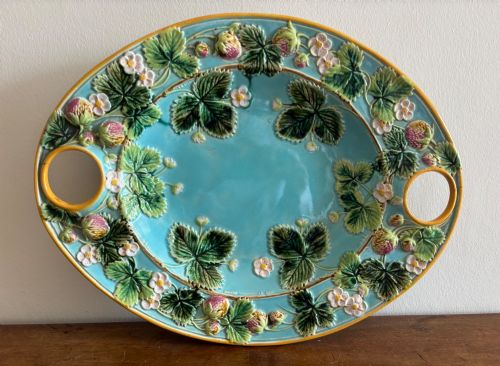
The pieces appearing on this page span styles from standard blue and white transferware to vibrant majolica, intricate Chinoiserie and folk art. While plates form the core of the selection, related serving dishes and platters reflect the broad dining habits of the period.
How They Were Made
Potters utilised earthenware, ironstone and ceramic bodies, coating them in lead glaze or transparent finishes to seal the porous clay. Decoration relied heavily on blue and white transfer printing, supplemented by hand-painted enamels and gilding.
Moulding and slip casting shaped the varied forms, from flat plates to complex majolicacomports and covered cheese dishes. Firing in traditional kilns fixed the underglaze prints and coloured glazes permanently to the ceramic surface.
Victorian Earthenware Plate Retail Price Guide 2026
Typical asking prices for victorian earthenware plate among the pieces listed under this phrase on Sellingantiques today, from the lower quarter to the upper quarter. They describe what is for sale here now, not the wider market.
Listings feature earthenware, ironstone and ceramic materials shaped into plates, platters, cheese dishes and decorative plaques across the nineteenth century.
What Varies in Quality
The division between standard domestic ware and finer pieces rests on the crispness of the transfer print and the precision of any hand-applied enamel colours. Superior examples display clear pictorial detail without blurring or running in the glaze.
The weight, density and resonance of the ceramic body also distinguish better pieces, particularly with ironstone and heavy earthenware. Complexity of form, such as moulded majolica reliefs or specialised serving shapes, elevates the standing of an individual item.
Copeland and Garrett·Wedgwood·William Smith and Company·George Jones·Minton·Elkin and Newbon
The Victorian Earthenware Plate Glossary
- Earthenware
- Porous ceramic pottery fired at lower temperatures, requiring a vitreous glaze to hold liquids.
- Transferware
- Pottery decorated by pressing a printed paper design from an engraved copper plate onto the ceramic surface.
- Majolica
- Heavy earthenware covered with colourful opaque lead glazes, popular for moulded botanical and animal designs.
- Ironstone
- A durable, hard-wearing type of earthenware patented in the nineteenth century to rival porcelain.
- Comport
- A raised dish or stand used for serving fruit or sweets at the centre of a dining table.
Victorian Earthenware Plate: Frequently Asked Questions
What is a victorian earthenware plate used for?
These plates served everyday dining, formal dinners and ceremonial displays throughout the nineteenth century.
Heavier platters held roasted meats, while smaller plates handled daily meals and decorative examples hung on walls.
How do I identify a victorian earthenware plate?
Examine the weight, the porous clay visible on unglazed rims and the style of the transfer-printed scenes.
Backstamps, impressed potters' marks and nineteenth-century stylistic motifs help confirm the period of manufacture.
Can I use these plates for daily dining?
Most pieces survive from a domestic context and remain structurally sound for careful, occasional use.
Hand washing preserves the historic glaze and delicate hand-painted enamel details against modern detergents.
What makes ironstone different from standard earthenware?
Ironstone contains refined ingredients that create a denser, heavier and much more durable ceramic body.
This material resisted chipping better than standard soft earthenware, making it ideal for large heavy meat platters.