
Victorian Drip Tray Stand
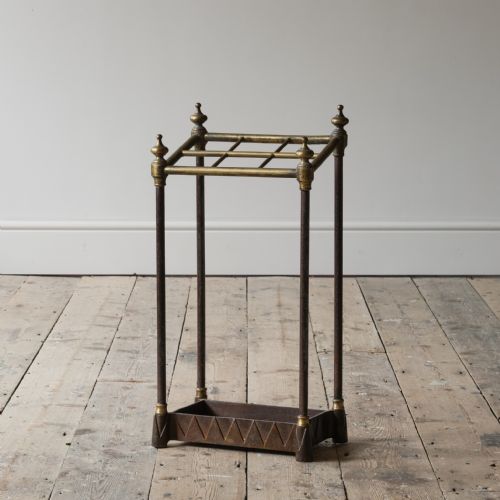
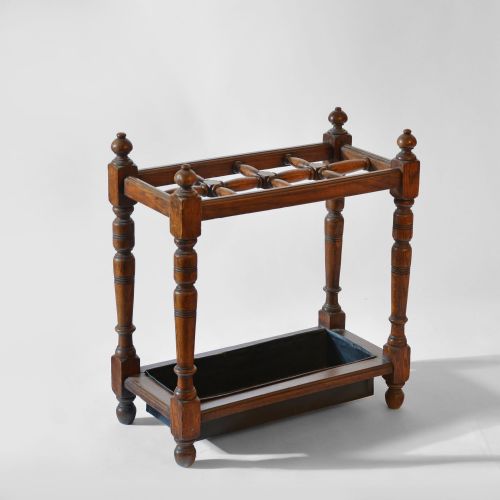
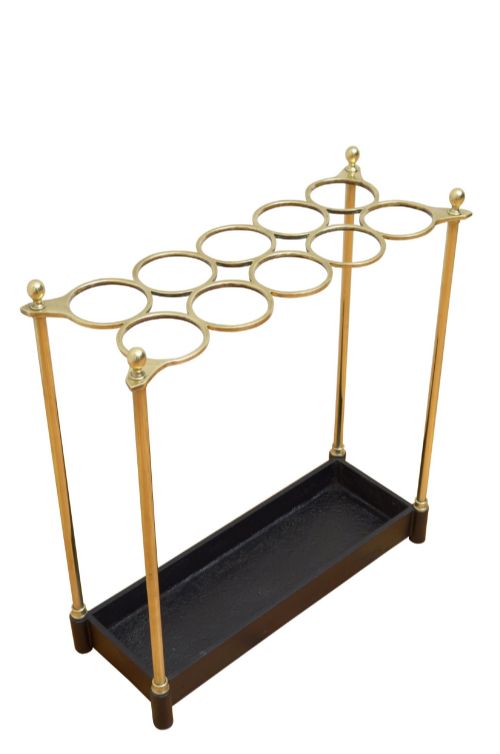
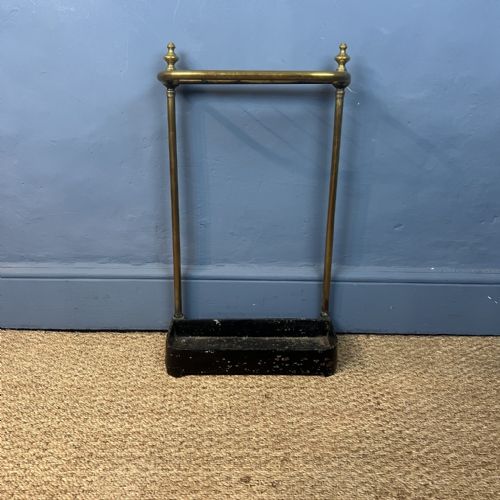
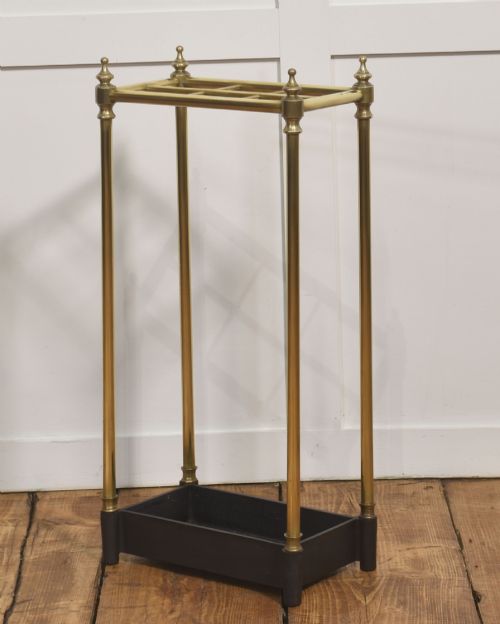
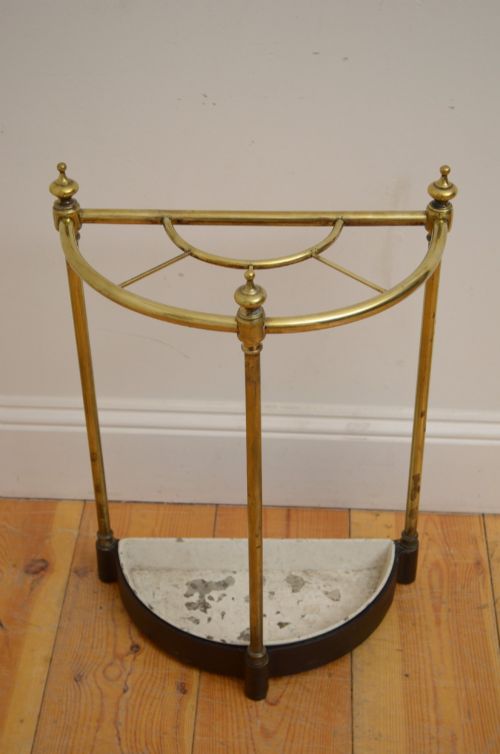
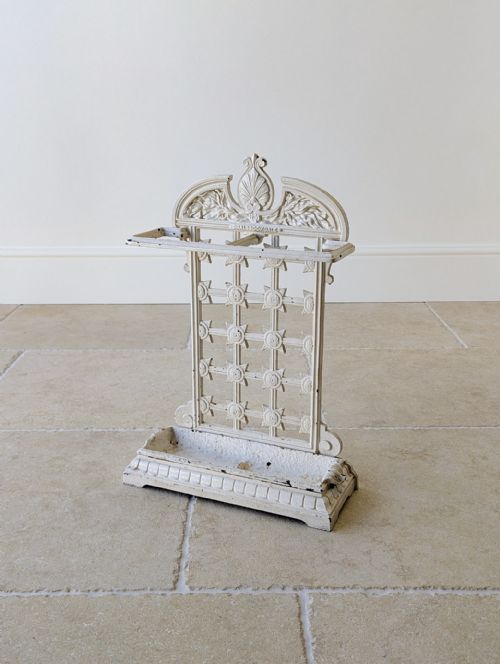
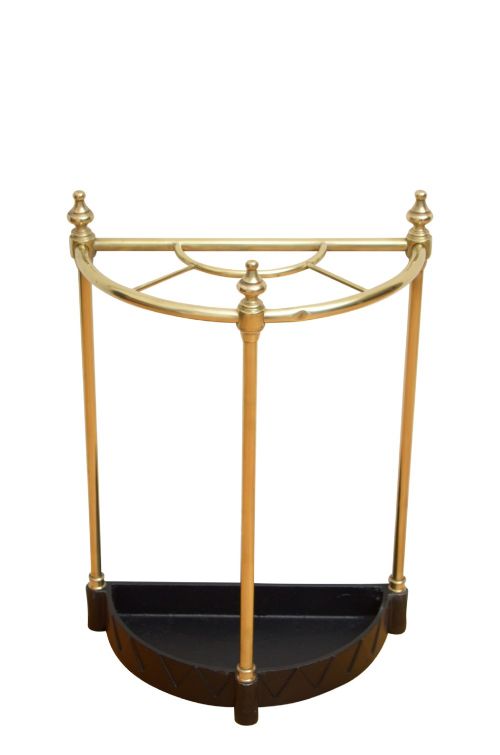
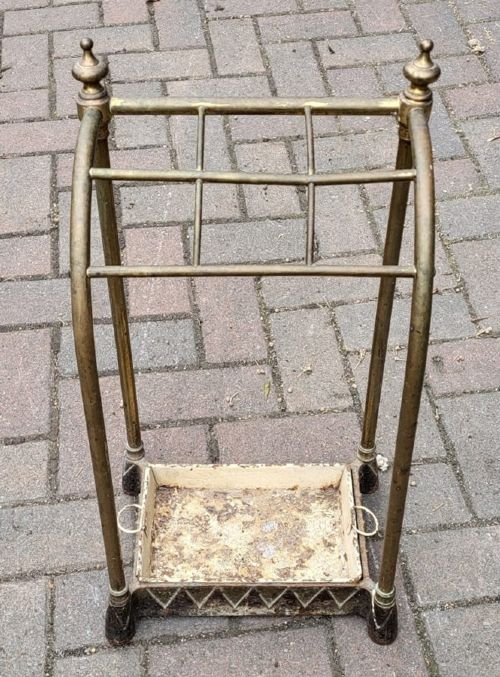
These pieces, known as a victorian drip tray stand, catch rainwater from wet umbrellas and walking sticks while keeping hallway floors dry.
Victorian Drip Tray Stand
When searching for a victorian drip tray stand, buyers encounter umbrella and stick stands designed for entrance halls and vestibules. These furnishings primarily date from the Victorian and Edwardian periods, stretching from the mid nineteenth century into the early twentieth century.
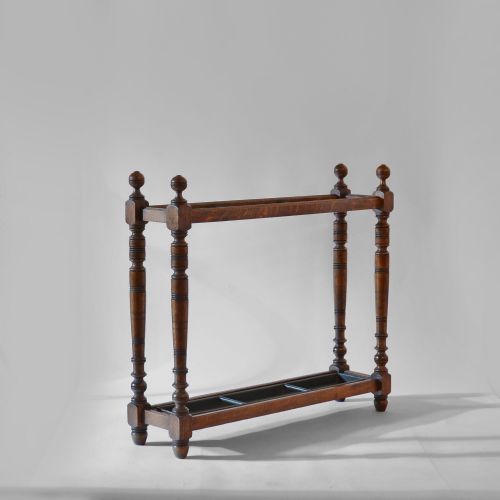
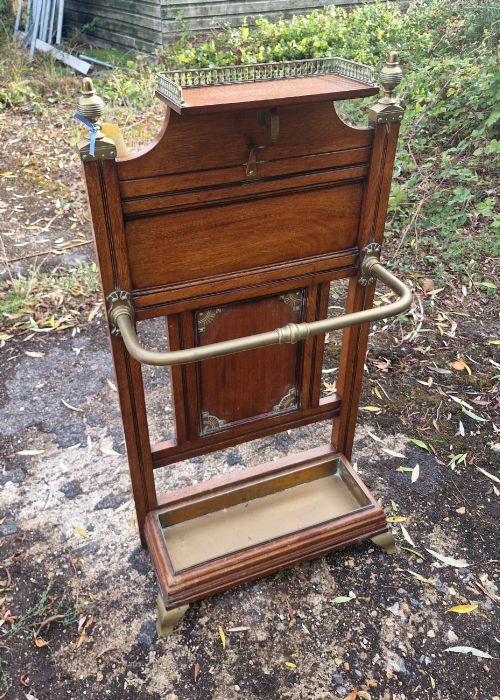
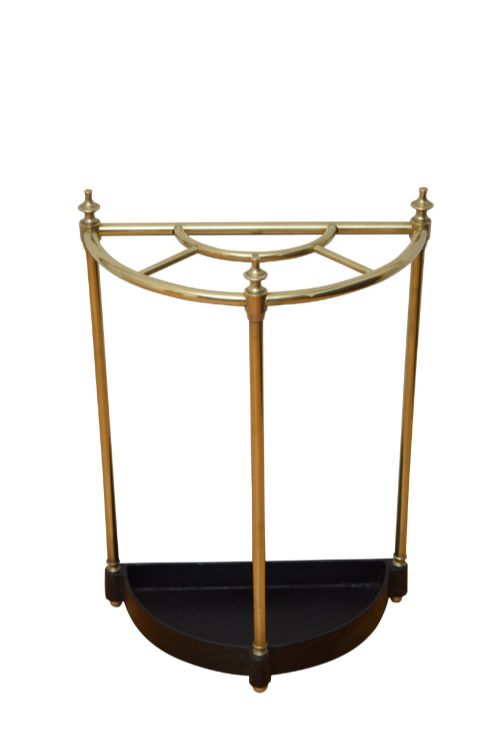
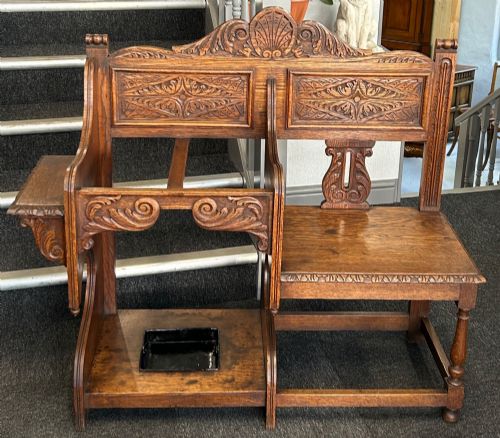
The forms vary from demi lune and corner configurations to freestanding square and rectangular frames. Many integrate drip trays at the base alongside hat and coat hooks or boot scrapers within larger hall furniture combinations.
How they were made
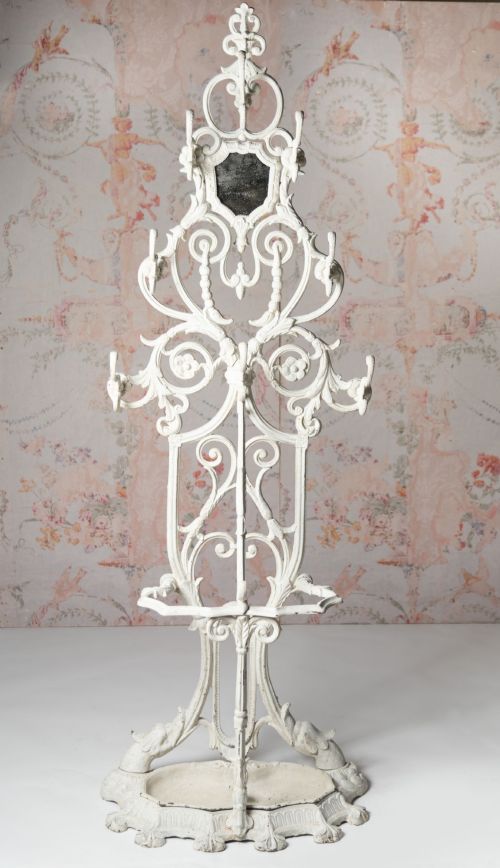
Foundries shaped heavy metals such as cast iron, brass, steel and zinc into rigid frames and decorative backplates, often utilising ball finials and open lattice patterns. These metal elements resist moisture and support wet utility items.
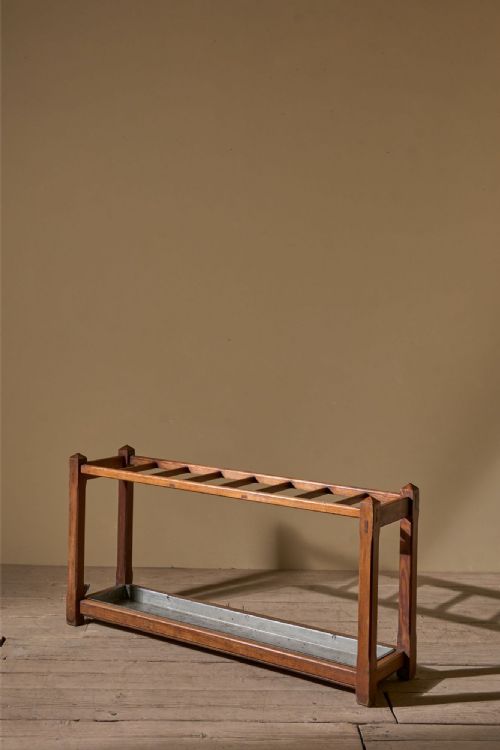
Joiners and cabinetmakers worked with timbers including oak, mahogany, pine and bentwood to construct structural frames and backing panels. Trays were fabricated from matching metals to catch water run off from sticks.
Certain cast iron stands incorporate decorative gun dog motifs to guard the hallway umbrellas.
What varies in quality
Construction methods and decorative ambition define the standard of the piece. Examples from major foundries or detailed cabinet shops display crisp casting detail and robust joinery, whereas utilitarian pieces rely on simpler moulded sections.
The integrity of the original metal drip tray and the preservation of structural timber or ironwork determine the success of the piece in daily use.
Coalbrookdale·Thonet·A. Kenrick & Sons
The Victorian Drip Tray Stand Glossary
- Demi lune
- Half moon shape designed to sit flat against an entrance wall. This profile saves floor space in narrow hallways.
- Drip tray
- Removable metal pan positioned at the base to catch water. It protects timber floors from dampness.
- Stick stand
- Furniture piece made to hold walking canes and umbrellas. They appear in hall spaces and vestibules.
- Finial
- Decorative terminal ornament placed on top of vertical posts. They often take the form of metal balls.
- Boot scraper
- Metal blade fixed near a doorway to remove mud from footwear. They sometimes attach directly to hall stands.
Victorian Drip Tray Stand: Frequently Asked Questions
What is a victorian drip tray stand used for?
These stands hold wet umbrellas and walking canes in hallways.
The integrated metal tray at the base collects rainwater to protect flooring.
Where were they placed in houses?
They stood in entrance halls, porches and vestibules near the front door.
This placement allowed family members and visitors to deposit wet gear immediately upon entry.
How do I identify the period?
Dating relies on materials, manufacturing techniques and stylistic influences such as Gothic Revival or Aesthetic Movement.
Cast iron components and specific wood types help assign pieces to the nineteenth or early twentieth century.
Are the drip trays removable?
Most trays lift out independently from the base frame for emptying and cleaning.
This removable design prevents water from pooling against the structural frame.