



Victorian Dressing Table Seat
A victorian dressing table seat completes a room with low profile and compact grace, offering comfortable seating before a mirror.
Victorian Dressing Table Seat
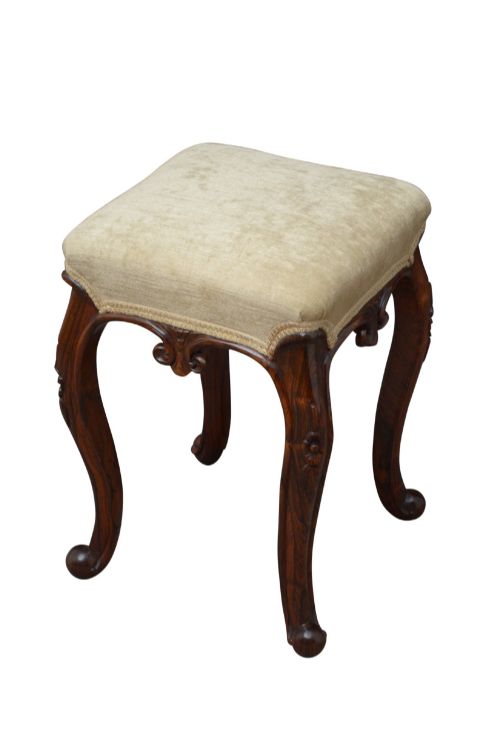
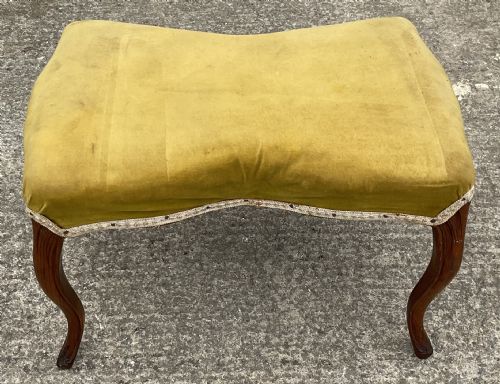
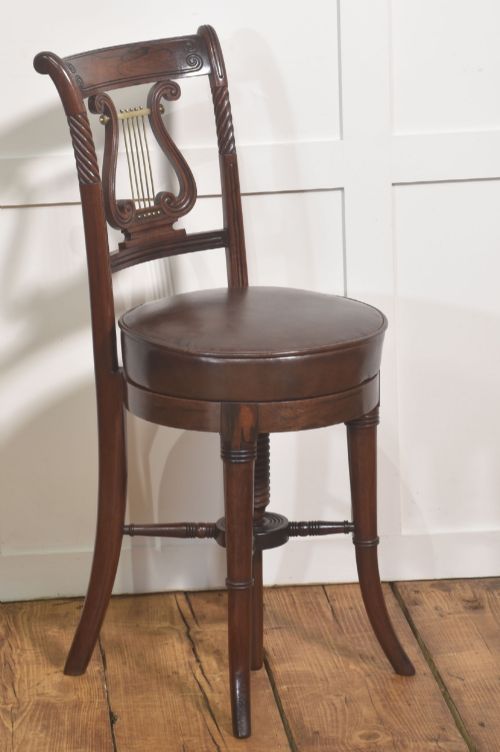
A victorian dressing table seat encompasses a variety of low stools, dressing chairs, nursing chairs, and footstools designed for nineteenth-century bedrooms. These pieces emerge primarily from the Victorian era, spanning decades from eighteen fifty to eighteen ninety, alongside occasional Edwardian and eighteenth-century examples.
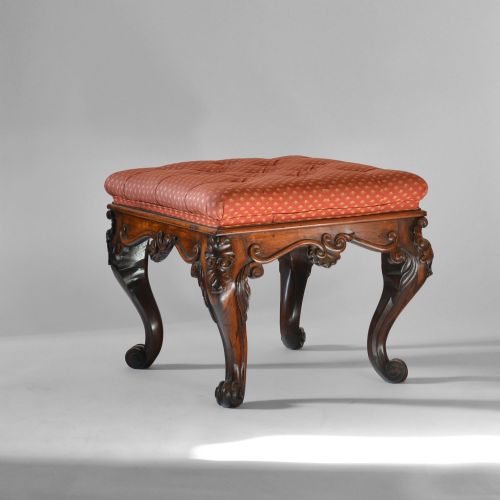
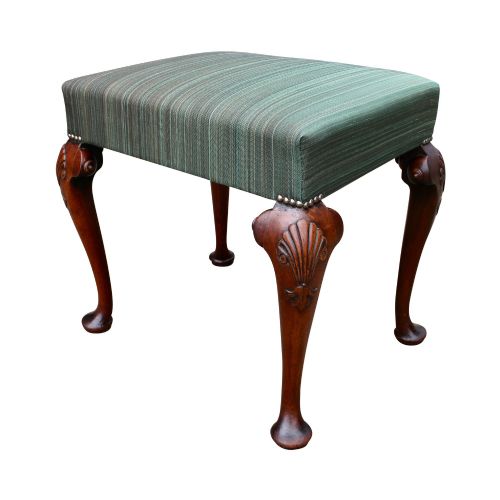
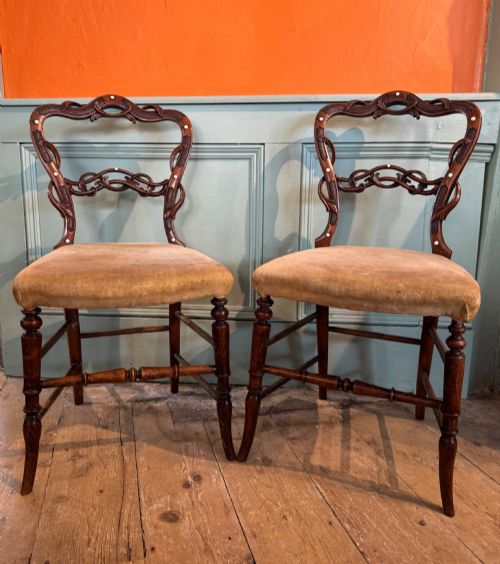
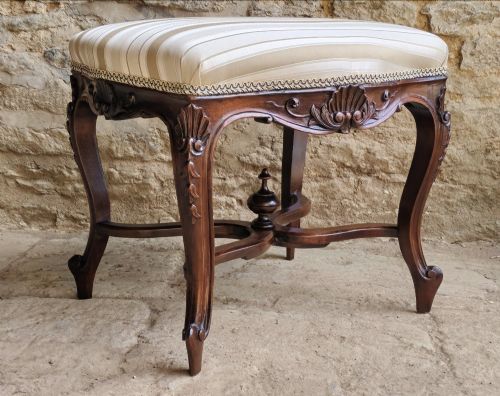
The most common form on this page is the wooden framed stool standing on cabriole legs, alongside revolving piano stools, X-frame designs, and side chairs with scroll-carved or balloon backs. Woods such as mahogany and walnut dominate the selection, complemented by rosewood, satinwood, oak, and giltwood frames.
Materials and Construction
Cabinet makers built these frames from dense hardwoods like mahogany, walnut, and rosewood, often shaping the timber into cabriole legs, twisted rope supports, and scroll-carved backs. Joinery relied on traditional mortise and tenon techniques to support the weight placed upon these low seats.
Upholstery completed the piece, utilising fabrics such as velvet, tapestry, damask, leather, and tweed linen over buttoned or plain padded foundations. Decorative touches included brass elements and intricate wood carving, particularly visible in Rococo, Queen Anne, and Chippendale revival styles.
Listings feature nineteen-century pieces predominantly in mahogany and walnut, alongside rosewood, satinwood, and oak.
Distinctions in Execution
Quality rests in the crispness of the timber carving and the density of the chosen hardwood. Pieces featuring deeply sculpted cabriole legs, scrollwork, or giltwood surfaces demonstrate superior craftsmanship compared to simpler turned supports.
The integrity of the frame construction and the fidelity of revival styles, whether Queen Anne or Rococo, set apart the finest examples. Selection of materials like goncalo alves or figured rosewood further elevates a piece above standard mahogany or walnut builds.
The Victorian Dressing Table Seat Glossary
- Cabriole leg
- A furniture leg that curves outward at the knee and tapers inward to an ankle, typical of eighteenth-century and revival seating.
- X-frame
- A structural base formed by two intersecting members shaped like the letter X, providing sturdy support for cross-framed stools.
- Balloon back
- A rounded, oval-shaped chair back resembling a hot air balloon, popular on Victorian nursing and dressing chairs.
- Giltwood
- Wood that has been coated with a thin layer of gold leaf or gilt, adding a reflective surface to ornate frames.
Victorian Dressing Table Seat: Frequently Asked Questions
How do I use a dressing table seat today?
These low stools and chairs fit easily beneath modern dressing tables or serve as convenient perches in bedrooms and hallways.
Their compact footprints also allow them to function as footstools or decorative accent pieces beside larger armchairs.
What woods were used for these seats?
Cabinet makers predominantly utilised rich dark timbers such as mahogany and walnut for their strength and grain pattern.
Exotic woods like rosewood and satinwood, as well as oak and giltwood, appear frequently across the selection.
Are the upholstery fabrics original?
Many pieces feature updated upholstery, utilising new covers or specific textiles such as velvet, damask, and tweed linen.
Original coverings remain less common due to wear over the decades, though some retain period tapestry or leather.
How do I distinguish different Victorian styles?
Revival styles draw inspiration from earlier periods, incorporating Queen Anne cabriole legs or ornate Rococo curves into nineteenth-century frames.
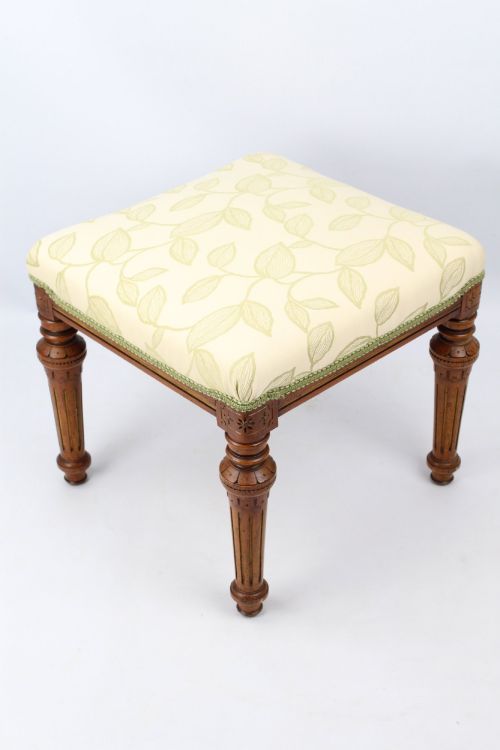
Plain mahogany or walnut frames with simple turned legs generally reflect more utilitarian Victorian cabinet making.