






Victorian Dressing Cabinet
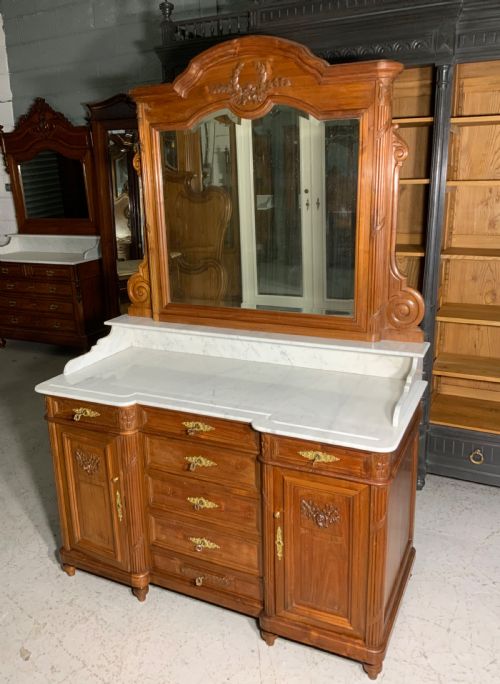
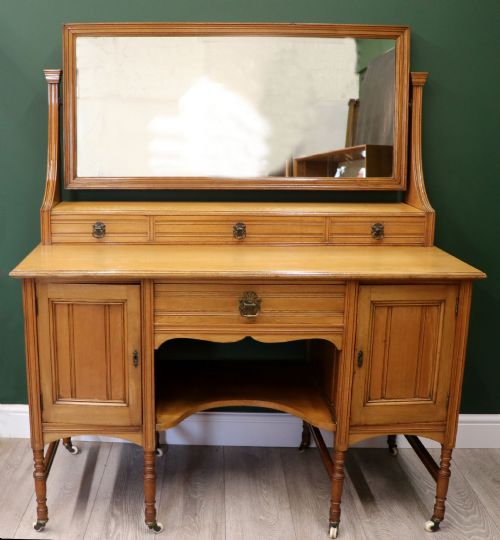
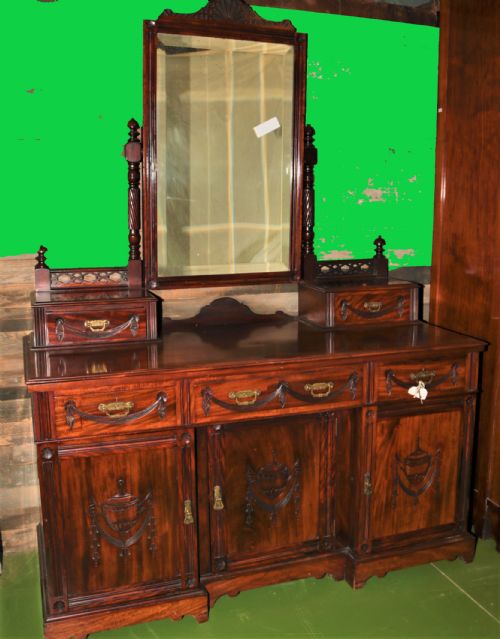
A victorian dressing cabinet offers purposeful bedroom storage, combining fitted mirrors and compartments for daily grooming into a single substantial piece of furniture.
Victorian Dressing Cabinet
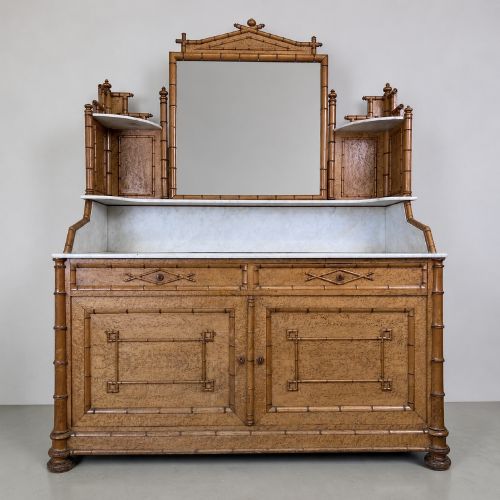
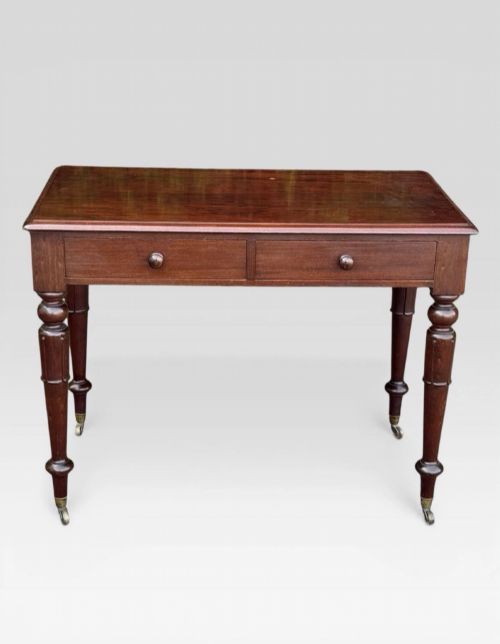
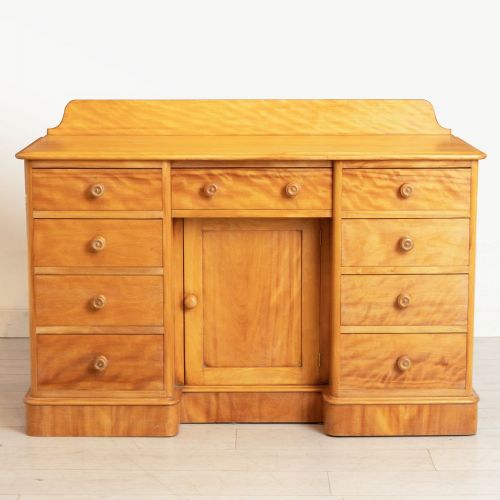
A victorian dressing cabinet encompasses various forms designed for personal grooming and storage, ranging from elaborate dressing tables with mirror cabinets to compact shaving stands and jewellery boxes. Buyers exploring this phrase will frequently encounter large nineteenth-century pieces alongside related bedroom furniture such as washstands and compact chests.
The materials span native and exotic timbers, often enhanced with marble tops, mirrored glass, and brass hardware. While the core selection originates in the Victorian era, the listings also incorporate transitional pieces from the Regency period through to the early twentieth century.
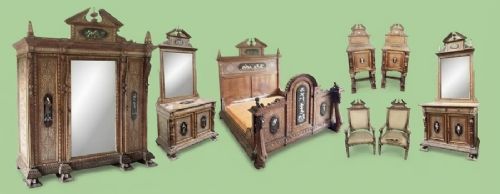
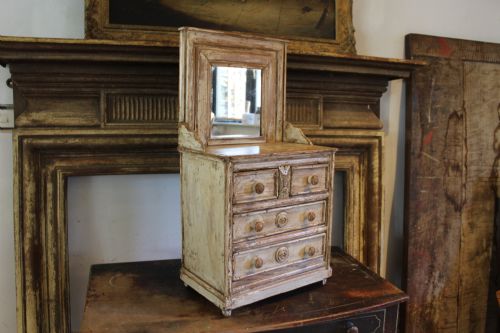
Makers and retailers of the period produced both standing furniture and tabletop accessories, reflecting the domestic habits of nineteenth-century households. These range from substantial walnut dressing tables to smaller tabletop trinket boxes lined for delicate items.
How they were made
Cabinet makers utilised dense hardwoods like mahogany, walnut, and burr walnut, often applying veneers to flat surfaces while constructing structural elements from secondary woods such as pine. Marquetry inlay and detailed carving appear on finer examples, executed by workshops using traditional hand tools and joinery.
Fitted interiors incorporated bevelled glass mirrors, marble surfaces for water resistance on washstands, and brass handles or lock plates. Surface decoration included French polishing to seal the timber and highlight the natural grain patterns of walnut and mahogany.
Victorian Dressing Cabinet Retail Price Guide 2026
Typical asking prices for victorian dressing cabinet among the pieces listed under this phrase on Sellingantiques today, from the lower quarter to the upper quarter. They describe what is for sale here now, not the wider market.
Materials across these listings include brass, glass, mahogany, marble, walnut, wood, burr walnut, and pine.
What varies in quality
The distinction between standard domestic pieces and top-tier workshop production lies in the selection of timbers and the precision of the construction. Superior examples utilise high-figure burr walnut or satin birch veneers, paired with integrated marquetry and maker stamps from notable firms.
Hardware execution and the retention of original elements, such as fitted mirrors and working lock mechanisms, separate exceptional pieces from heavily altered survivors. The integration of marble tops and the crispness of carved details further define the upper tier of these items.
harrods·Waring & Gillows·J A Mein·Edwards & Roberts·J Shoolbred
The Victorian Dressing Cabinet Glossary
- Burr walnut
- A timber harvested from walnut tree growths that produces intricate, swirling grain patterns. Cabinet makers prized this wood for decorative drawer fronts and cabinet doors.
- Marquetry
- The art of applying small pieces of veneer to form decorative patterns and pictures on furniture surfaces. This technique was frequently utilised on Victorian tables and cabinets.
- Satin birch
- A pale, reflective wood with a distinctive satiny sheen used extensively in nineteenth-century bedroom suites. It provides a lighter alternative to dark mahogany or walnut.
- Washstand
- A functional piece of bedroom furniture designed to hold a basin and jug, often topped with marble. Many feature splashbacks and small cabinetry for washing accessories.
- Aesthetic movement
- A late nineteenth-century design style focusing on visual beauty rather than narrative or moral function. Pieces in this style often display simplified lines and artistic decoration.
Victorian Dressing Cabinet: Frequently Asked Questions
What is a dressing cabinet?
A dressing cabinet is a piece of furniture designed for grooming, incorporating storage compartments, drawers, and frequently a fitted mirror.
These items range from large standing bedroom pieces to compact tabletop boxes intended for jewellery and personal trinkets.
How do I identify Victorian style?
Victorian furniture encompasses diverse revivals, from heavy walnut and mahogany forms to lighter aesthetic movement designs.
Construction methods typically involve solid timber framing with hand-cut dovetails and applied veneers.
Were washstands used for dressing?
Washstands were primarily built for morning ablutions, featuring marble tops to protect against water splashes.
They often formed part of larger bedroom suites that included matching dressing tables and wardrobes.
What woods were used?
Cabinet makers relied heavily on mahogany and walnut, frequently selecting figured burr walnut for decorative impact.
Lighter woods such as satin birch and maple also appear, particularly in pieces influenced by the aesthetic movement.