





Victorian Dresser Unit
A victorian dresser unit brings practical storage and solid nineteenth-century timber into a room, offering functional utility built to last.
Victorian Dresser Unit
When searching for a victorian dresser unit, buyers encounter robust storage furniture primarily rooted in the nineteenth century, ranging from country pine cupboards to formal mahogany chests of drawers.
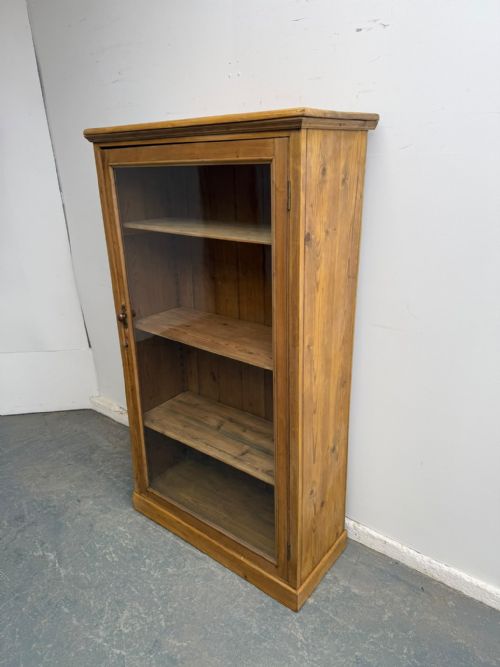
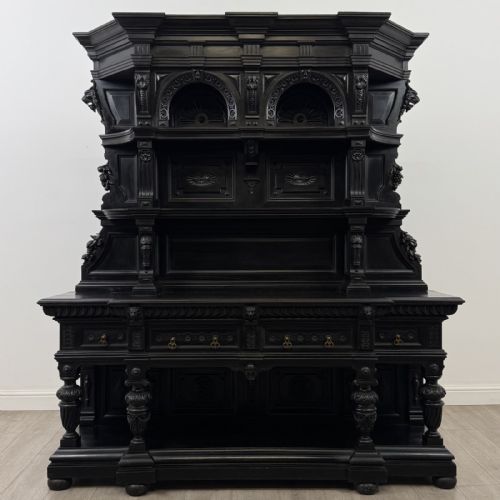
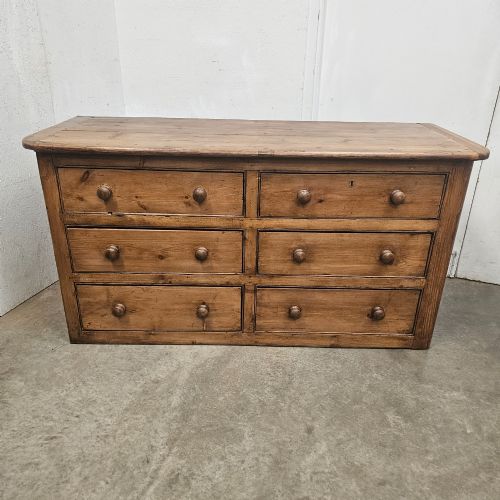
The selection on this page relies heavily on pine and mahogany pieces from the Victorian era, alongside related forms like washstands, sideboards, and kitchen cupboards.
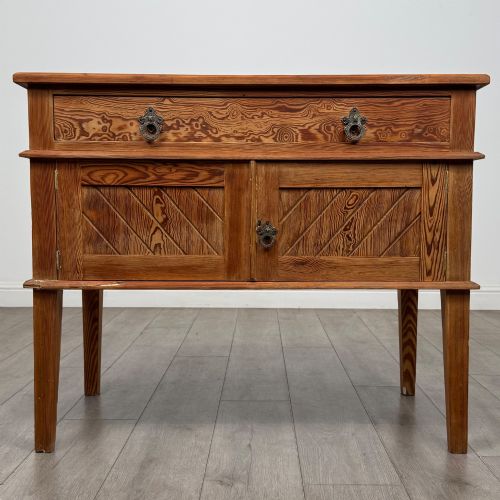
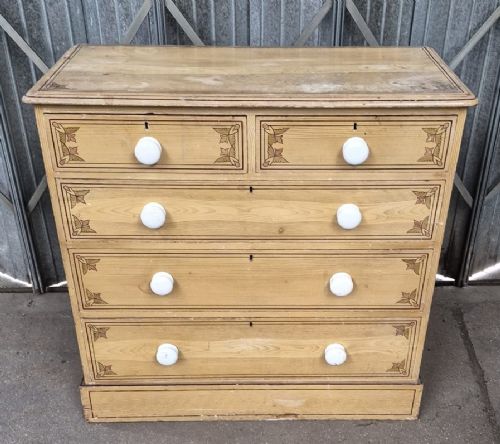
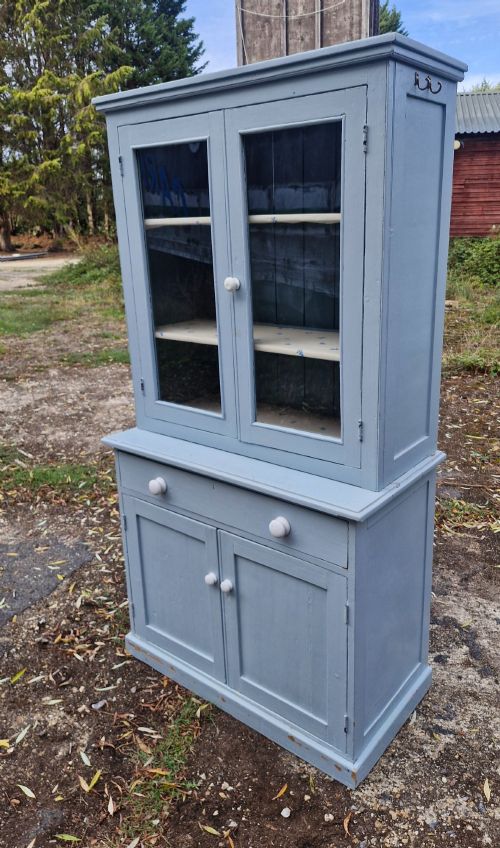
Domestic storage from this period spans simple two-part kitchen units and glazed cabinets to fitted drawer configurations designed for everyday utility.
Materials and Construction
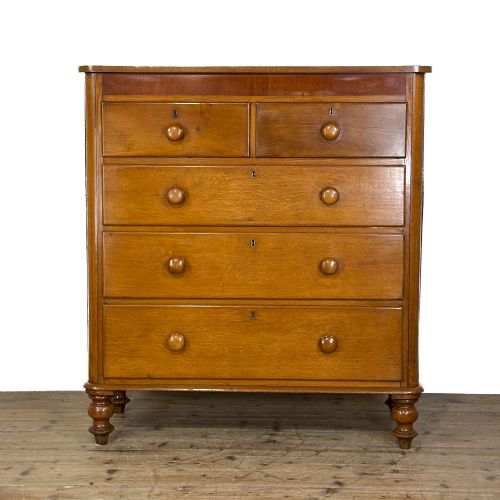
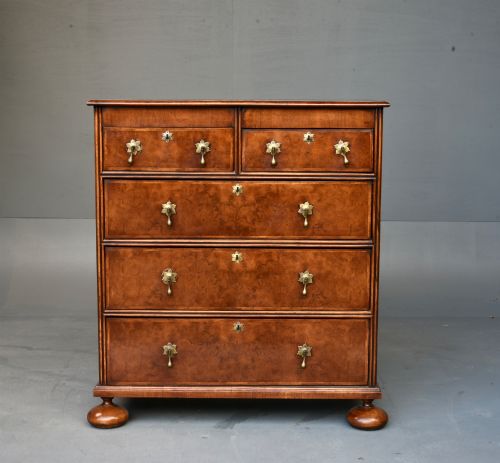
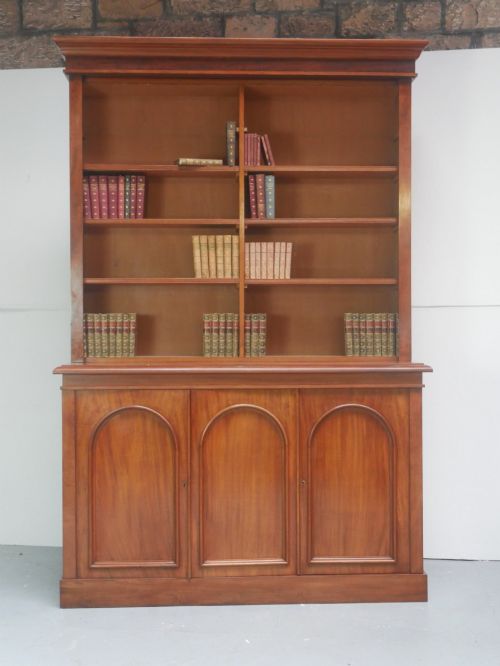
Carpenters utilised dense domestic and imported woods such as pine, mahogany, oak, and walnut, frequently selecting flame mahogany veneers for richer visual depth on drawer fronts.
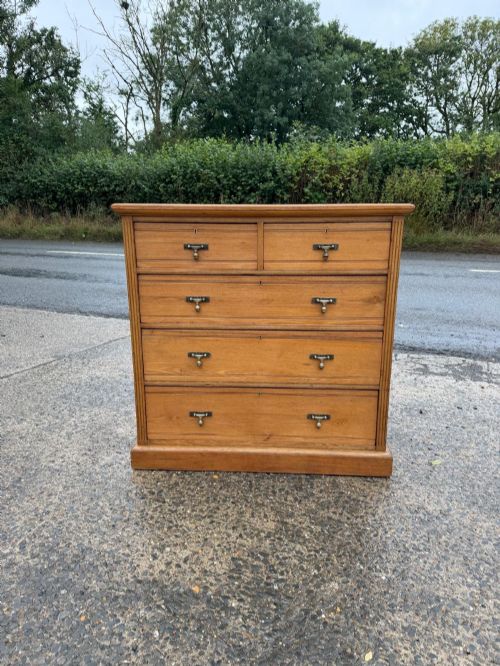
Hardware details like brass acorn handles and lion mask carvings added functional grip and ornamental character, while surfaces were finished with wax, paint, or scumble effects.
Victorian Dresser Unit Retail Price Guide 2026
Typical asking prices for victorian dresser unit among the pieces listed under this phrase on Sellingantiques today, from the lower quarter to the upper quarter. They describe what is for sale here now, not the wider market.
Listings span multiple materials including pine, mahogany, walnut, and oak, alongside functional forms like washstands, sideboards, and cupboards.
Assessing Quality
The upper tier of these pieces is distinguished by thoughtful timber selection, such as well-figured flame mahogany or clean, stable pine, paired with intact original handles and cabinetry finishes.
Construction integrity dictates long-term value, separating straightforward utilitarian storage from pieces possessing refined proportions, balanced carving, and well-preserved structural joinery.
The Victorian Dresser Unit Glossary
- Scumble
- A decorative painting technique used on pine to imitate the grain of more expensive hardwoods. It creates a textured, mottled surface finish.
- Flame mahogany
- A veneer cut from the fork of the mahogany tree where the branches join the trunk. This produces a distinctive flame-like pattern across the wood.
- Two-part form
- Furniture constructed in two separate modular sections, such as a base cupboard and an upper glazed cabinet, for easier transport and placement.
- Washstand
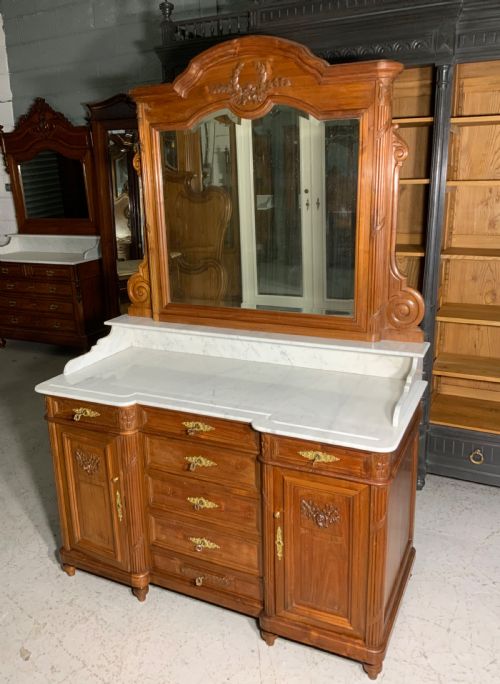
- A specialised piece of furniture designed to hold a basin and pitcher for personal hygiene. These often incorporate marble tops and subsidiary shelf space.
Victorian Dresser Unit: Frequently Asked Questions
What is a victorian dresser unit used for?
These units primarily served domestic storage needs, holding kitchenware, linens, or personal items in nineteenth-century households.
Today, buyers use them in kitchens, hallways, and living spaces to provide practical shelving and drawer capacity while adding period character.
How do I identify a Victorian piece?
Identification relies on observing construction methods, timber types, and specific hardware styles characteristic of the nineteenth century.
Key indicators include the use of solid pine or mahogany, hand-cut dovetail joints on drawers, and period-appropriate brass fittings or carved details.
Are these units made of solid wood?
Most items listed feature solid timber construction, particularly in traditional utility pieces built from pine, oak, and mahogany.
Finer decorative furniture may incorporate wood veneers applied over secondary timber bases to achieve specific visual grain effects.
How should I care for antique pine?
Antique pine benefits from regular dusting with a dry cloth and occasional treatment with traditional beeswax to maintain the finish.
Keep wooden furniture away from direct heat sources and strong sunlight to prevent the timber from drying out or splitting.