
Victorian Double Bedstead
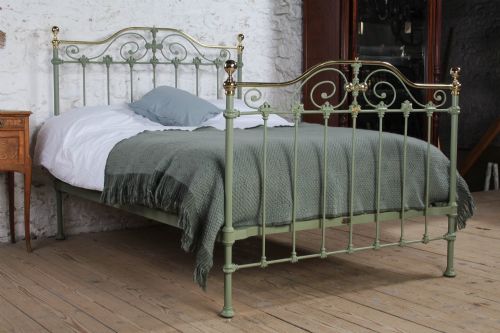
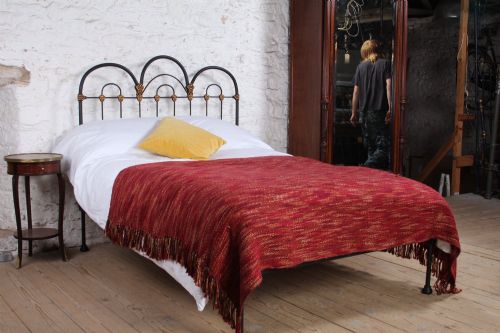
A Victorian double bedstead brings substantial nineteenth-century presence to a bedroom, combining sturdy metal or rich timber construction with the generous proportions of the period.
Understanding the Victorian Double Bedstead
A victorian double bedstead serves as a focal point in the bedroom, combining period craftsmanship with practical proportions for daily use. Buyers encounter various interpretations spanning the nineteenth century, from simple domestic models to grander sleeping furniture.
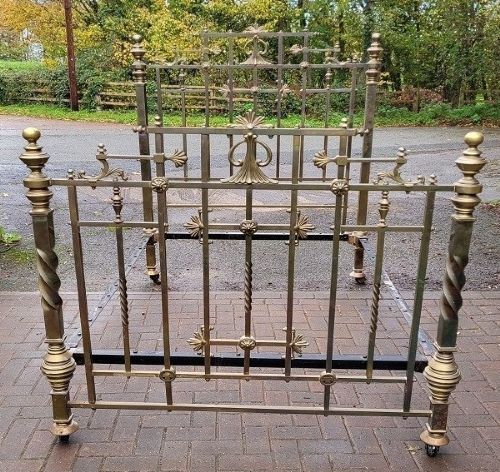
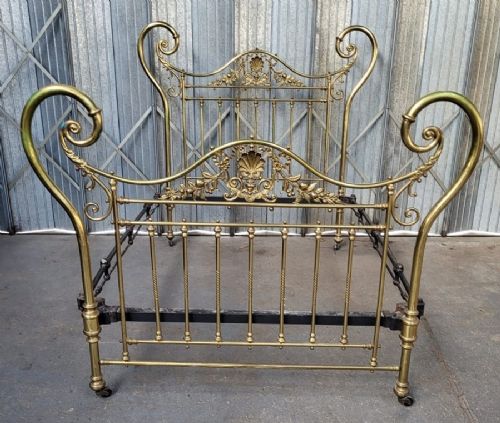
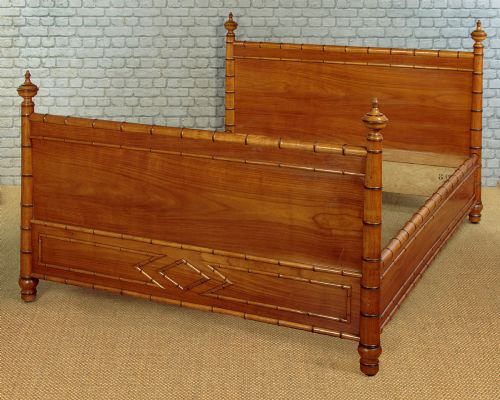
The selection ranges across distinct material combinations and stylistic influences seen throughout the era. Metal framework dominates the listings, frequently pairing brass with iron, while wooden alternatives utilise walnut and mahogany.
Materials and Construction
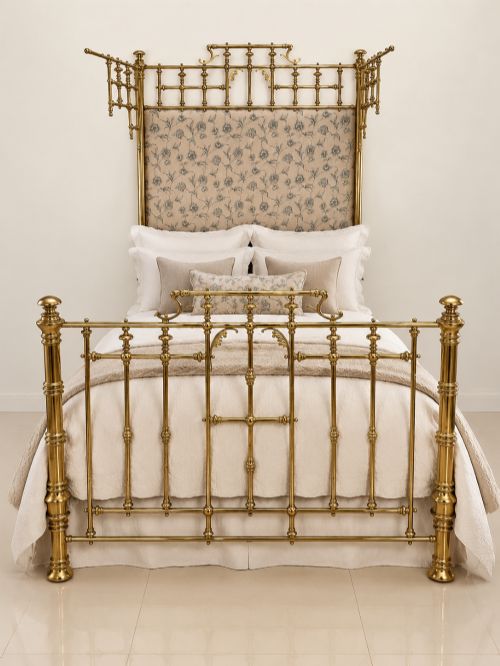
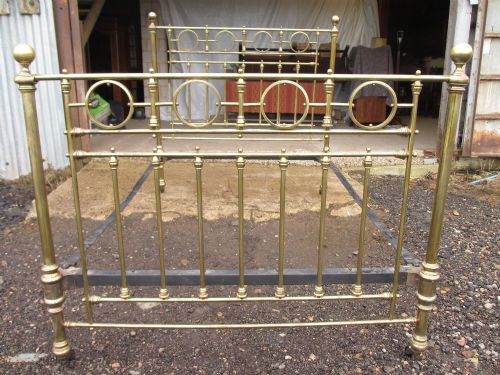
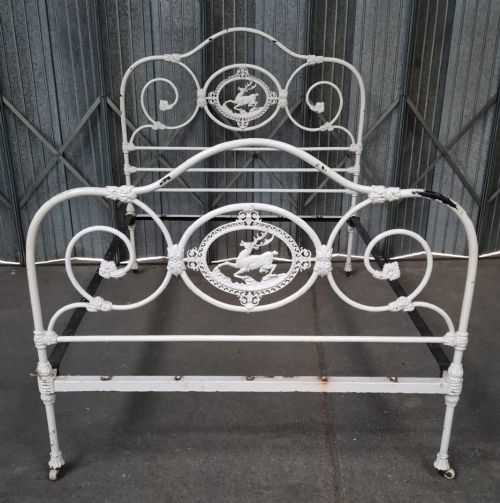
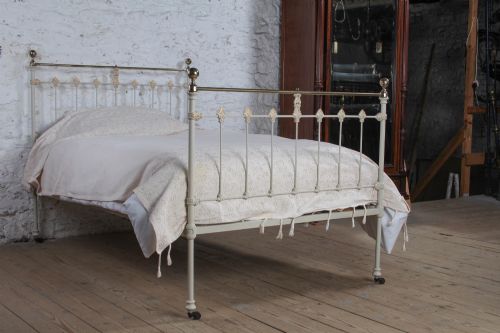
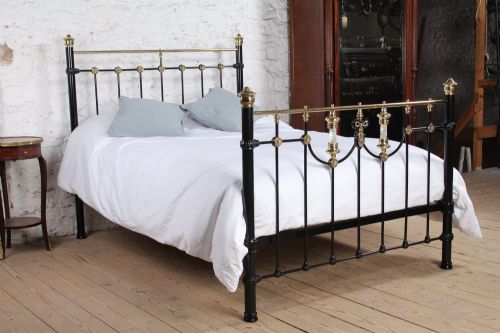
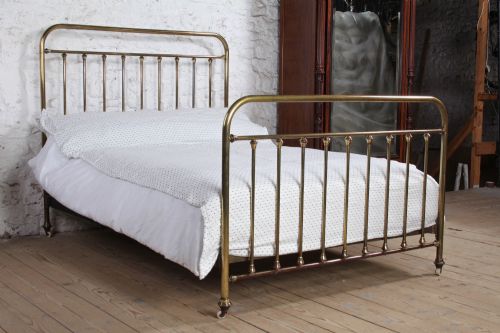
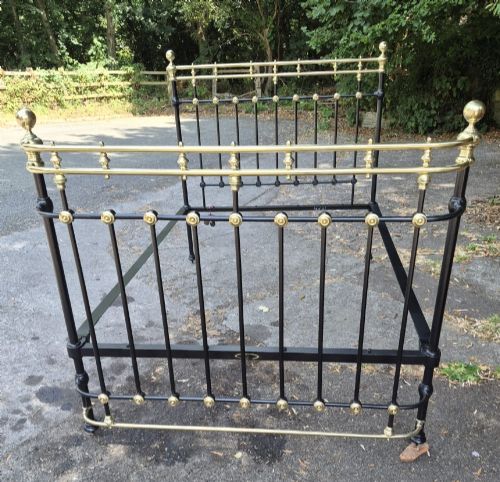
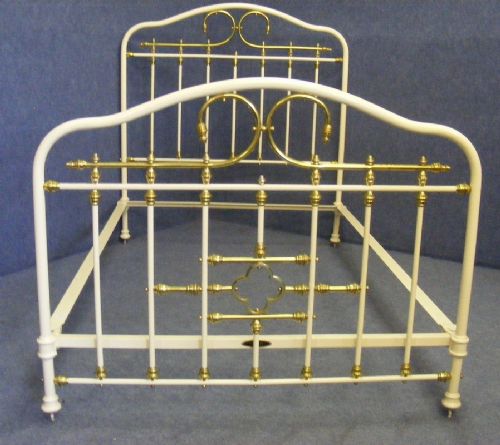
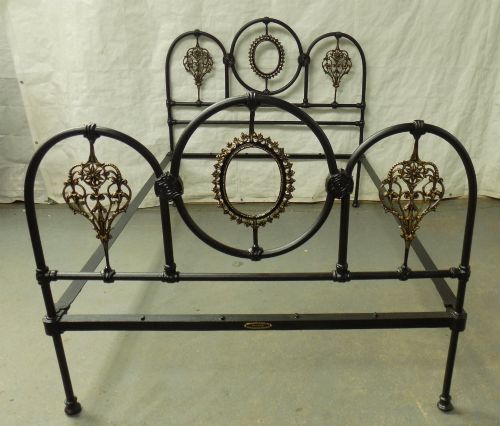
Construction relies heavily on durable metals including brass, iron, and cast iron, often shaped into robust double bedframes. Many pieces combine warm polished brass elements with black or white painted iron framework.
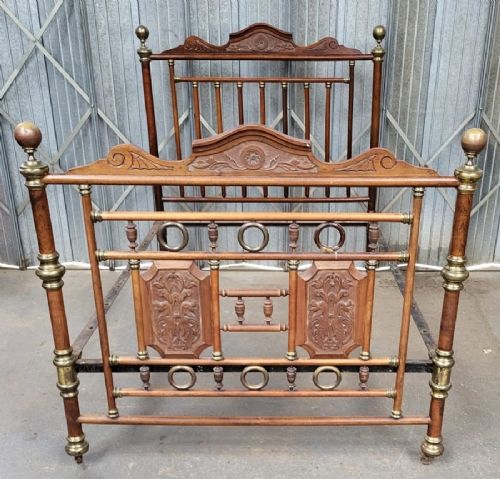
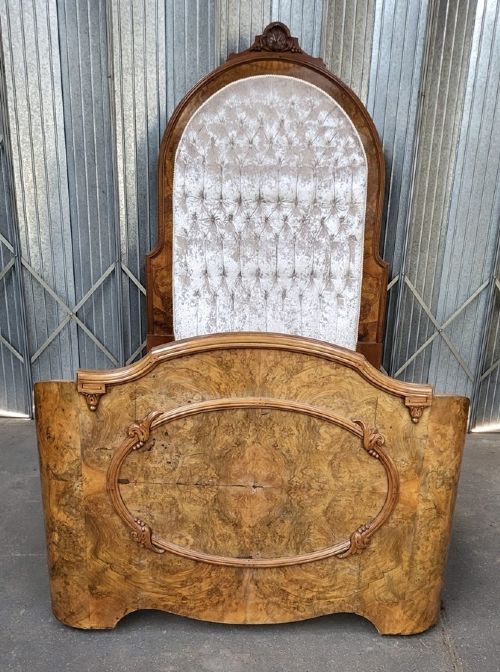
Timber examples employ solid walnut and mahogany, sometimes showcasing carved details or curved wooden headboards. Workshops utilised traditional joinery and metalcasting techniques to ensure structural stability for daily sleeping arrangements.
Some iron frames arrive wearing old white paint, whispering tales of long-forgotten seaside guest houses.
Markers of Distinction
Quality separates simple utility pieces from more ambitious designs through the complexity of the metalwork and timber selection. Better examples often incorporate decorative brass finials, dip rails, or superior casting work on the joints and castors.
The choice of primary material also dictates the character of the piece, with richly figured walnut and mahogany contrasting against polished brass and painted iron. Proportions and the retention of original castors or railbacks further distinguish individual items.
JM4240 5.1·WDB200 20.11·WDB140 E3.8
The Victorian Double Bedstead Glossary
- Bedstead
- The framework of a bed, comprising the headboard, footboard, and side rails designed to support a mattress. This structure forms the core of nineteenth-century sleeping furniture.
- Half Tester
- A canopy projecting from the wall over the head of the bed, supporting fabric curtains that partially enclose the sleeping space. It provides a decorative architectural element.
- Dip Rail
- A horizontal top rail on a headboard or footboard that dips downward towards the centre. This curved profile lightens the visual weight of metal or wooden bedframes.
- Castor
- A small wheel mounted in a swivel frame attached to the legs of furniture. These fittings allowed heavy metal and wooden bedsteads to be moved easily across floors.
- Railback
- A specific configuration of the headboard featuring raised wooden or metal rails. This design detail provides additional height and structural framing.
Frequently Asked Questions
What mattress size fits a Victorian double bed?
Nineteenth-century bed dimensions can differ slightly from modern standard sizing. Checking the internal frame measurements ensures a proper fit for contemporary mattresses.
Many metal and wooden frames accommodate standard double mattresses with minor adjustments to modern slat systems or bases.
Are these beds easy to assemble?
Most examples utilise traditional bolt-together side rails and wedge joints. This modular construction allows the headboard, footboard, and rails to separate for transport.
Careful handling of brass and iron components during assembly ensures the historic joints remain undamaged.
How do I care for brass and iron frames?
Metal surfaces benefit from gentle dusting and occasional cleaning with appropriate non-abrasive metal polishes. Preserving the aged patina on brass requires avoiding harsh chemical treatments.
Painted iron elements simply need wiping down with a soft, dry cloth to prevent dust accumulation.
Can I use modern bedding with these frames?
Standard modern bedding drapes naturally over nineteenth-century proportions. The generous height of double bedsteads often showcases quilts and coverlets effectively.
Ensuring adequate support beneath the mattress preserves both the bedding and the historic side rails.