
Victorian Double Bed Frame
When you search for a victorian double bed frame, you are looking at substantial metal and wood frameworks designed for nineteenth-century sleeping quarters.
Victorian Double Bed Frame
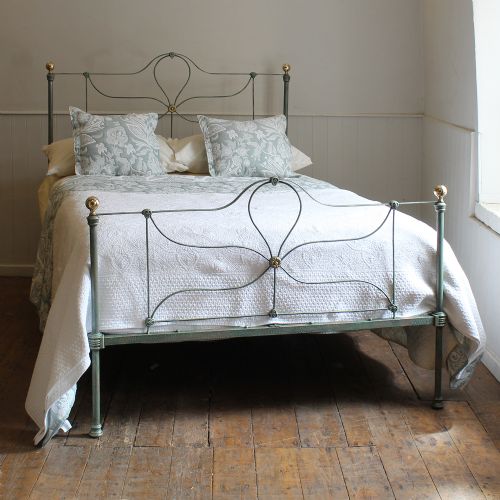
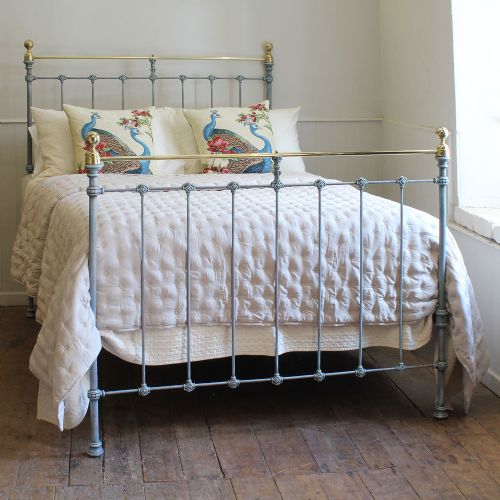
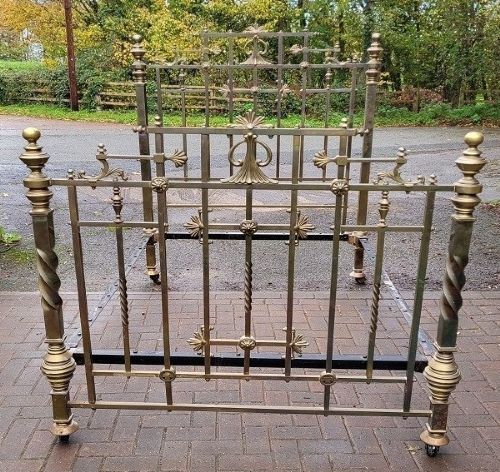
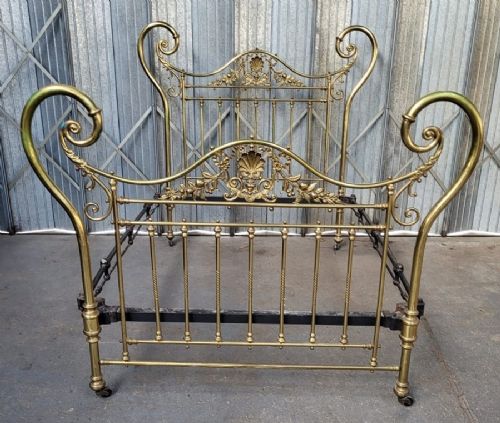
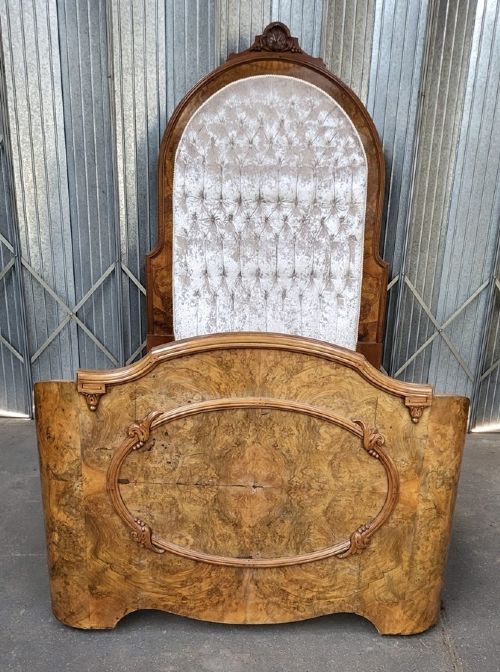
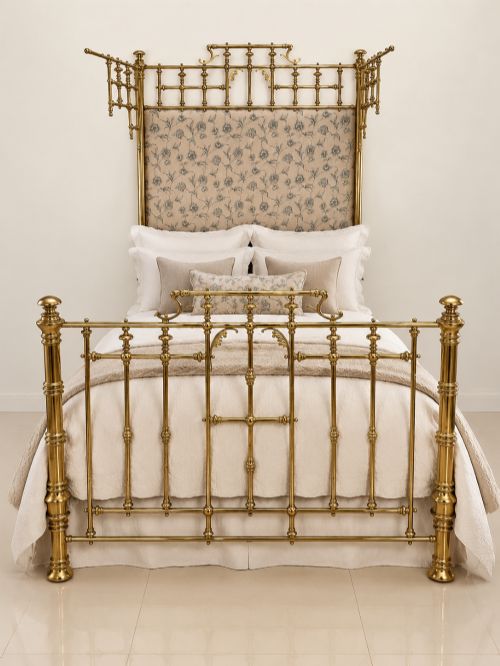
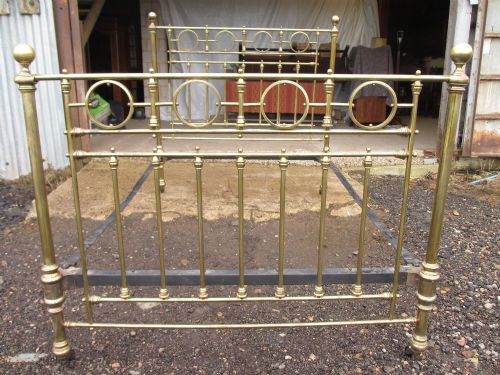
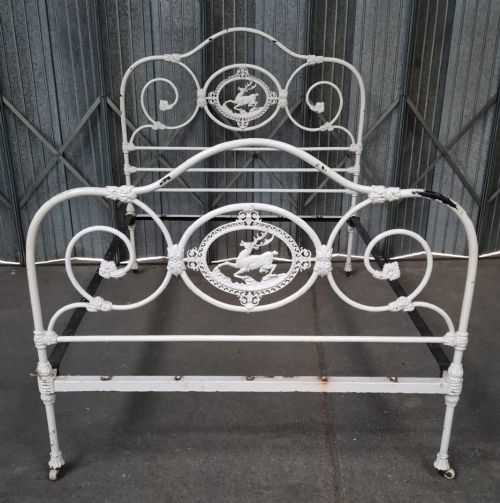
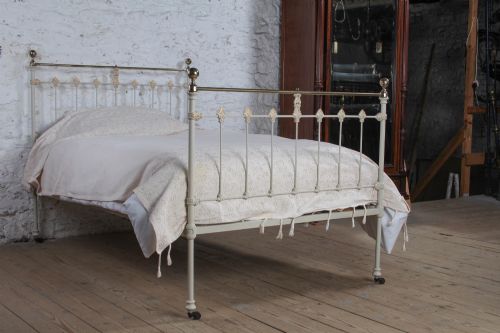
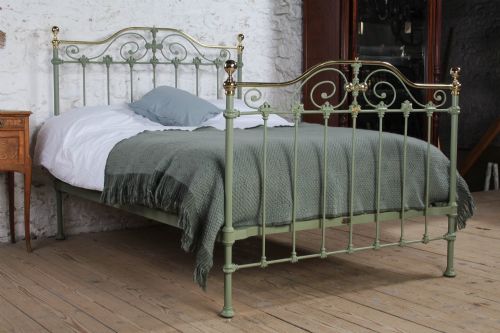
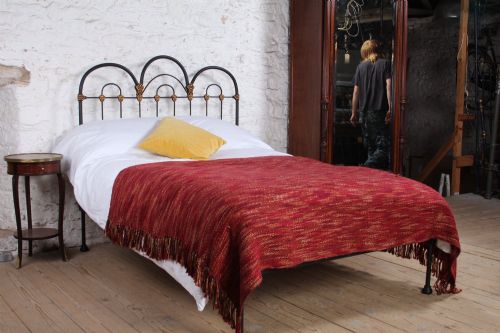
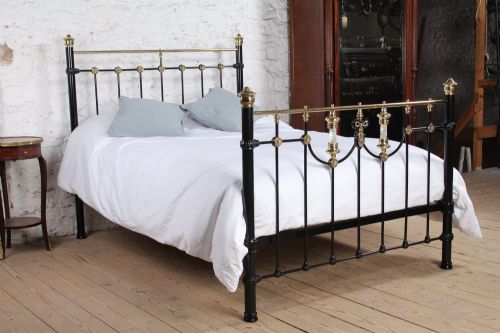
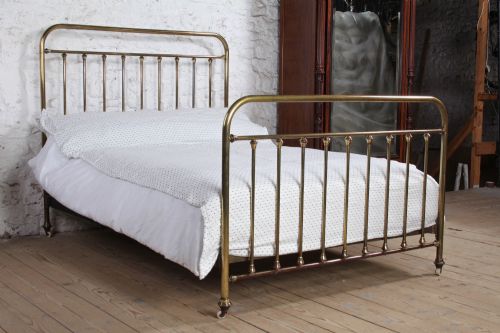
A victorian double bed frame encompasses a range of metal and wooden bedsteads dating primarily from the nineteenth century. The listings on this page show these pieces appearing as sturdy iron frames, gleaming brass constructions, and carved walnut or mahogany bedsteads.
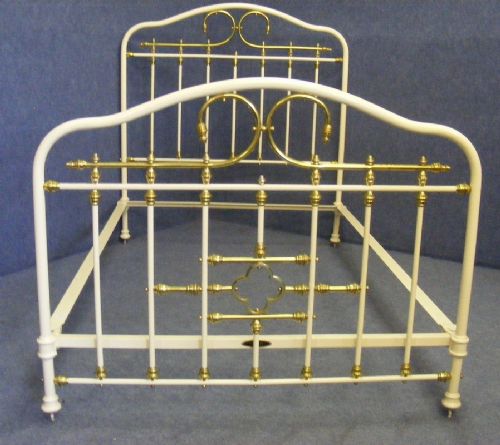
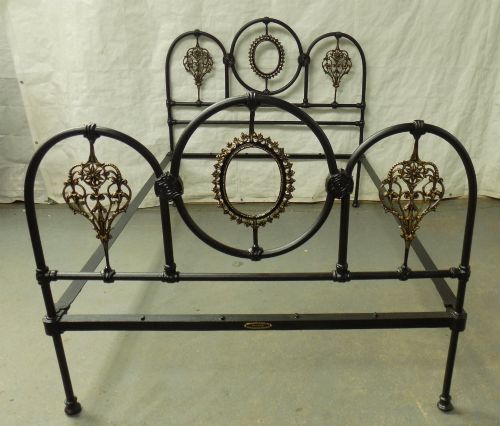
Buyers will most frequently encounter combination beds built from cast iron and brass, alongside solid brass or painted iron variants. These items serve as functional centrepieces for bedrooms while retaining the decorative ironwork and polished metal rails characteristic of the period.
Materials and construction
The construction relies heavily on durable metals like cast iron, wrought iron, and solid brass, often combined within a single bedstead. Makers cast iron components into ornate or straight rails, attaching brass finials, mounts, and decorative tubing to the primary structure.
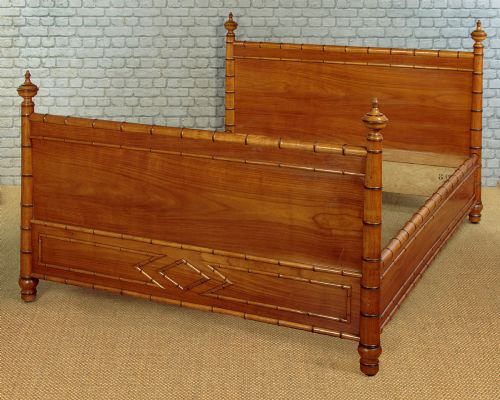
Wooden examples utilise timber frames of walnut, mahogany, pine, and faux bamboo. Upholstered high-back versions feature button-backed fabric panels fitted directly into carved wooden headboards.
The data shows distinct decorative movements, incorporating French Aesthetic influences and Celtic Revival motifs into standard bedroom furniture.
Judging the quality
Quality reveals itself in the weight and substance of the metalwork, where heavier cast iron and thicker gauge brass indicate superior production. Exhibition quality pieces demonstrate finer casting details, crisper brass ornamentation, and more complex shaping.
In wooden frames, the grade of timber and the depth of carving separate standard examples from high-back burr walnut pieces. The precision of the iron slot-in frame and the rigidity of the assembled structure dictate overall durability.
RW Winfield·Winfield
The Victorian Double Bed Frame Glossary
- Bedstead
- The complete framework of a bed, including headboard, footboard, and side rails. This term frequently appears interchangeably with bed frame in nineteenth-century listings.
- Half Tester
- A bed featuring a short tester canopy projecting from the wall over the head of the bed, rather than a full four-poster roof. It suspends fabric drapery above the sleeping area.
- Faux Bamboo
- Furniture turned and carved from timber to imitate natural bamboo stalks. This decorative technique enjoyed popularity during the late nineteenth century.
- Cast Iron
- Molten iron poured into a mould to create rigid structural or decorative components. It forms the sturdy base of many metal bedframes.
- Mother of Pearl
- Iridescent shell material inlaid into metal or wood surfaces for ornamentation. It provides subtle tonal contrast on specific brass and iron bed designs.
Victorian Double Bed Frame: Frequently Asked Questions
Will a modern mattress fit a victorian double bed frame?
Many nineteenth-century bedframes were built to slightly different dimensional standards than contemporary mattresses. Careful measurement of the interior iron side rails ensures correct sizing for modern bases.
Adjustment or custom support slats may be necessary to accommodate standard modern mattresses securely within these older frames.
How do I assemble a metal bedstead?
These beds typically utilise a slot-in frame design where the side irons wedge into cast dovetail brackets on the headboard and footboard posts. Gravity and weight lock the joints firmly into place during assembly.
No complex hardware is usually required, though checking the alignment of the side irons keeps the structure square.
Are brass components solid or plated?
Victorian production methods varied, but finer examples utilise heavy gauge solid brass tubing and cast mounts over iron cores. This construction provides structural strength while maintaining a polished brass exterior.
A magnet helps distinguish solid brass fittings from plated iron surfaces during inspection.
How should I clean polished brass and iron?
Gentle dusting with a dry cloth removes everyday debris from metal surfaces. Avoiding harsh chemical abrasives protects the aged patina on both brass and painted iron.
Light application of appropriate metal cleaners preserves the shine on unlacquered brass components without stripping historical character.