





Victorian Dome Top Trunk
A victorian dome top trunk offers robust historical utility, combining practical storage with the distinctive curved silhouette characteristic of nineteenth-century travel gear.
Victorian Dome Top Trunk
When you search for a victorian dome top trunk, you encounter a robust storage chest designed for nineteenth-century travel and domestic use. These pieces bridge the gap between utilitarian luggage and decorative furniture, serving practical functions in modern interiors.
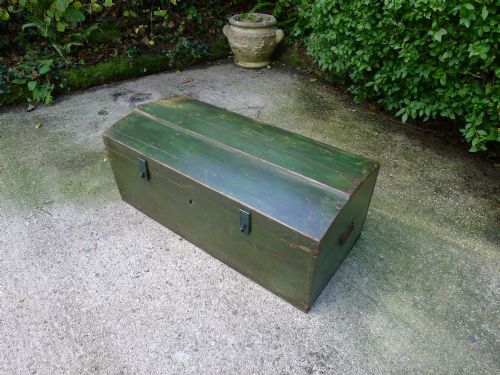
The version you are most likely to meet on this page is constructed from pine, often measuring large in scale and dating across the nineteenth century. These trunks frequently display remnants of their travelling past through canvas coverings, leather straps, or painted finishes.
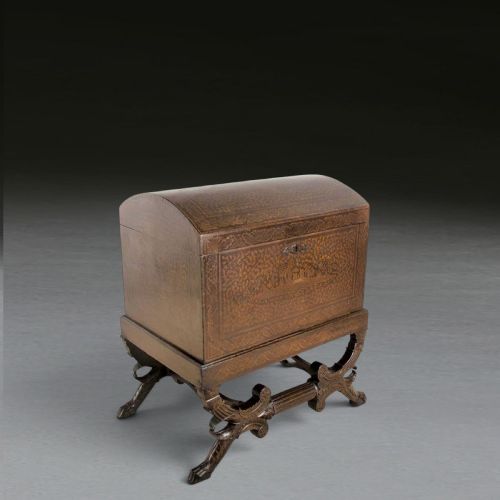
Beyond standard pine storage chests, the selection encompasses specialised forms such as steamer trunks, carriage chests, and blanket chests. Examples range from rustic country pieces to more ornate Anglo-Indian and continental walnut designs.
How they were made
Makers constructed these trunks using a timber foundation, predominantly pine and oak, shaped with curved wooden ribs to form the characteristic domed lid. This structural framing provided the necessary strength to withstand the rigours of nineteenth-century transit.
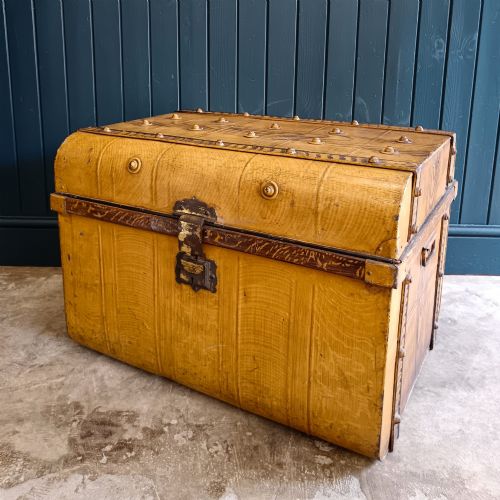
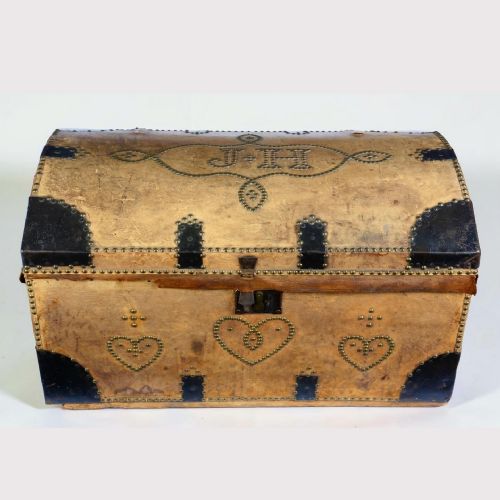
Exterior surfaces were finished with protective or decorative materials including leather, canvas, tin, and metal sheeting. Craftsmen secured these coverings and reinforced the edges using brass studwork, iron bands, and metal hardware.
Victorian Dome Top Trunk Retail Price Guide 2026
Typical asking prices for victorian dome top trunk among the pieces listed under this phrase on Sellingantiques today, from the lower quarter to the upper quarter. They describe what is for sale here now, not the wider market.
Listings feature trunks constructed from pine, oak, walnut, iron, brass, leather, canvas, and tin across the nineteenth and early twentieth centuries.
What varies in quality
Quality in these trunks lies in the integrity of the materials and the sophistication of the hardware. Pieces featuring substantial brass studwork, robust leather upholstery, or intricate inlay stand apart from basic utilitarian pine boxes.
The standard of construction and original detailing dictates the calibre of each piece. Surviving maker signatures, specialised regional styles such as Anglo-Indian work, and high-grade metal fittings elevate individual examples above standard domestic luggage.
Arthur Wannop·CUNARD Line
The Victorian Dome Top Trunk Glossary
- Domed lid
- A curved top designed to shed water during travel and maximise internal storage capacity. This profile distinguishes these chests from flat-topped storage boxes.
- Steamer trunk
- A lower-profile travel chest designed to fit easily in the cabin or hold of a steamship. These pieces often feature reinforced metal edges and canvas or leather coverings.
- Studwork
- Decorative and functional brass or metal pins hammered along the seams and edges of leather-covered trunks. This technique secures the covering while creating geometric patterns.
- Carriage chest
- A sturdy travel trunk built to be strapped to the roof or boot of a horse-drawn carriage. These items typically exhibit heavy-duty iron or wood framing.
- Cooffer
- A traditional enclosed box with a lid, often synonymous with a chest or trunk. Historical examples in this category can display fine walnut or inlay work.
Victorian Dome Top Trunk: Frequently Asked Questions
What were dome top trunks used for?
These trunks served as primary luggage for travellers journeying by ship, train, or carriage during the nineteenth century. The curved lid prevented luggage from being stacked improperly on top and helped shed moisture during transit.
In the home, they transitioned to domestic storage for blankets, clothing, and seasonal items. Their substantial build allowed them to double as occasional furniture pieces.
Are these trunks waterproof?
While original canvas, leather, and metal sheathings offered protection against rain and sea spray during nineteenth-century transit, historical seals degrade over time. Modern humidity can affect the internal wood.
It is best to keep these chests in climate-controlled indoor environments rather than damp spaces. Ensure the interior is fully dry before storing textiles.
How do I date a dome top trunk?
Dating relies on examining the construction methods, locking mechanisms, and exterior materials. Nineteenth-century examples often feature hand-forged iron hardware, dovetail joints in the pine, and specific types of canvas or leather.
Makers' labels, railway transit stickers, and the evolution of brass studwork styles provide further chronological clues. Compare the specific timber finish and hardware against documented pieces from the same era.