
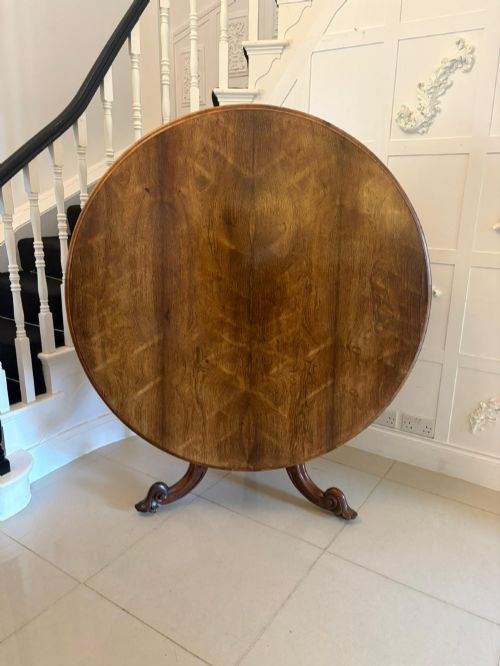
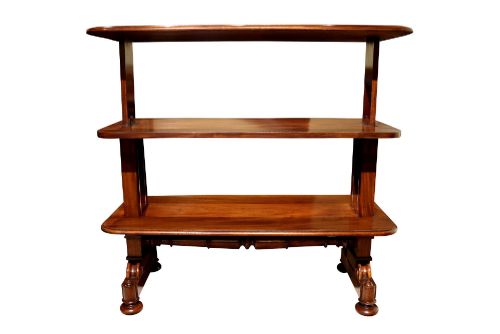
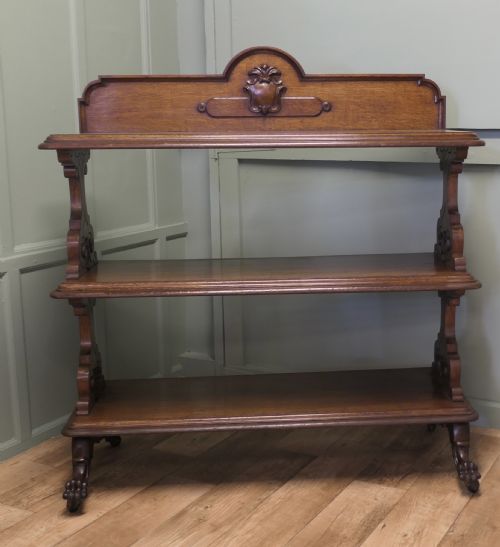
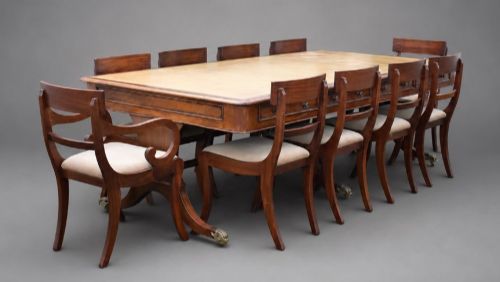




Victorian Dining Room Furniture
Victorian dining room furniture gathers the sturdy sideboards, extending tables and rosewood chairs that anchored nineteenth-century entertaining.
Victorian Dining Room Furniture
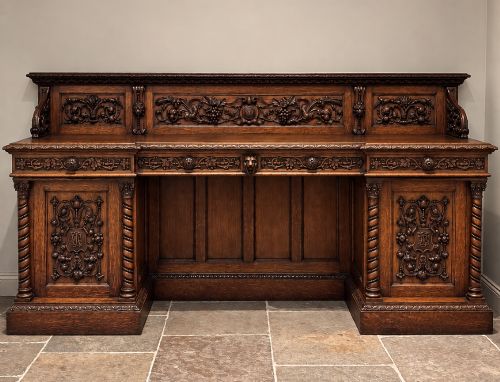
Victorian dining room furniture encompasses the large timber tables, sets of chairs, sideboards, buffets and dumb waiters that equipped homes during the nineteenth century. Buyers seeking pieces from this era will frequently encounter extending mahogany tables alongside carved oak or walnut sideboards and chiffoniers.
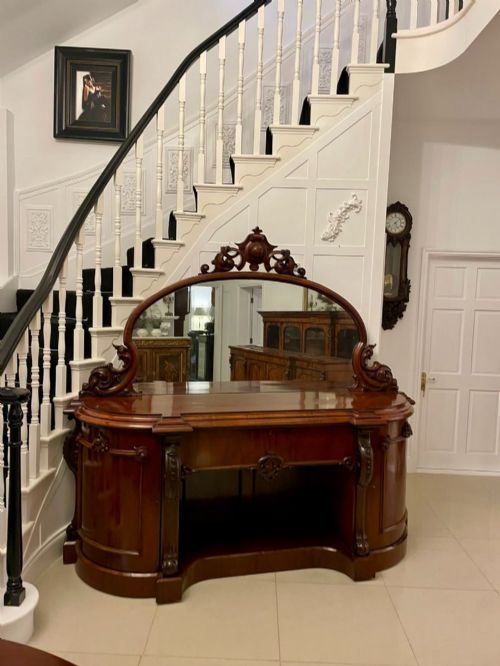
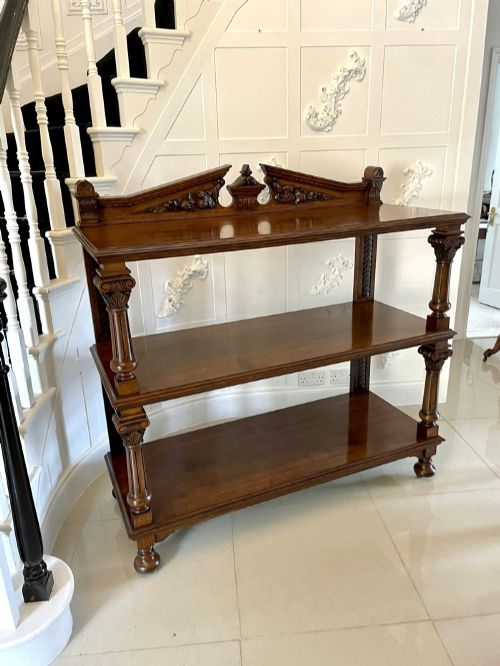
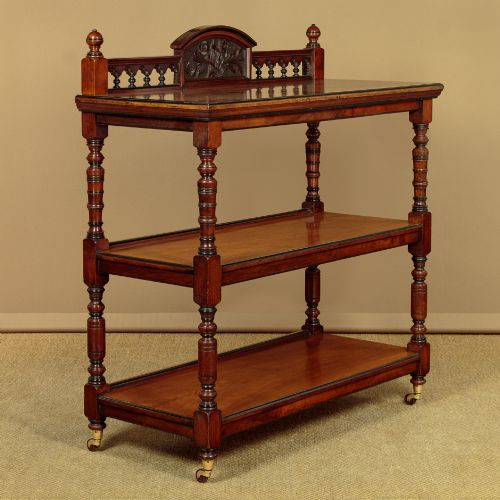
The selection ranges from early examples in rosewood to later Arts and Crafts or Aesthetic Movement designs in oak and walnut. Serving pieces such as three-tier dumb waiters and mirror-back servers appear alongside dining chairs fashioned in balloon back and balloon styles.
Materials and construction
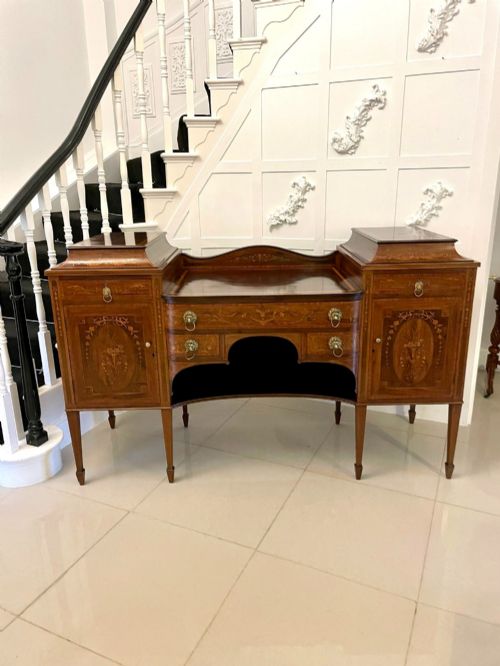
Cabinet makers relied heavily on dense timbers such as mahogany, walnut, rosewood and pollard oak, often embellished with marquetry inlay or brass hardware. Sideboards and dining tables frequently feature substantial carved decorations, mirror backs and rise-and-fall mechanisms on dumb waiters.
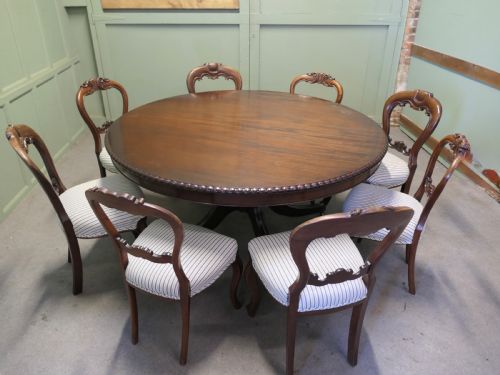
Seating frames utilise solid mahogany and rosewood upholstered in traditional fabrics and velvet. Extending tables incorporate internal leaf systems supported by sturdy pedestal bases or legs.
Listings feature woods spanning mahogany, walnut, rosewood, oak and pollard oak.
Distinctions in quality
Quality rests upon the selection of timber grain, the crispness of hand-carved ornamentation and the integration of maker details such as stamped signatures. Superior pieces display refined marquetry work and robust mechanical action in extending tables and dumb waiters.
Lesser items rely on simpler machine-cut details and more uniform secondary woods. The presence of original bevelled mirror glass and intact brass fixtures elevates the standing of a cabinet or sideboard.
Hewetsons London·Holland And Sons·Edwards and Roberts
The Victorian Dining Room Furniture Glossary
- Dumb waiter
- A tiered serving stand utilised for holding dishes and cutlery beside the dining table.
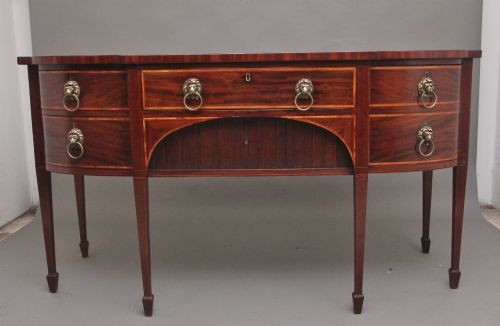
- Sideboard
- A large cabinet piece designed for storing tableware and serving food in the dining room.
- Marquetry
- Decorative patterns formed by fitting together thin veneers of various coloured woods.
- Balloon back
- A dining chair style featuring a solid wooden backrest curved in the outline of a balloon.
- Chiffonier
- A compact sideboard or cabinet equipped with shelves and enclosed lower storage.
Victorian Dining Room Furniture: Frequently Asked Questions
How do I seat ten people with these tables?
Many Victorian dining tables feature extending mechanisms that accept multiple removable leaves to accommodate larger gatherings.
Buyers should check the dimensions and ensure sufficient clearance for chairs when the table reaches full extension.
What is a dumb waiter used for?
Dumb waiters functioned as multi-tiered serving shelves positioned near the dining table to hold extra courses and utensils.
Some versions incorporate rise-and-fall mechanisms that allow the tiers to adjust in height.
How do I distinguish walnut from mahogany?
Mahogany generally presents a deep reddish-brown hue with straight grain patterns that darken gracefully over time.
Walnut displays a rich, darker brown colour featuring distinct swirled grain figures and occasional lighter contrasting streaks.
Are mirror-back sideboards original?
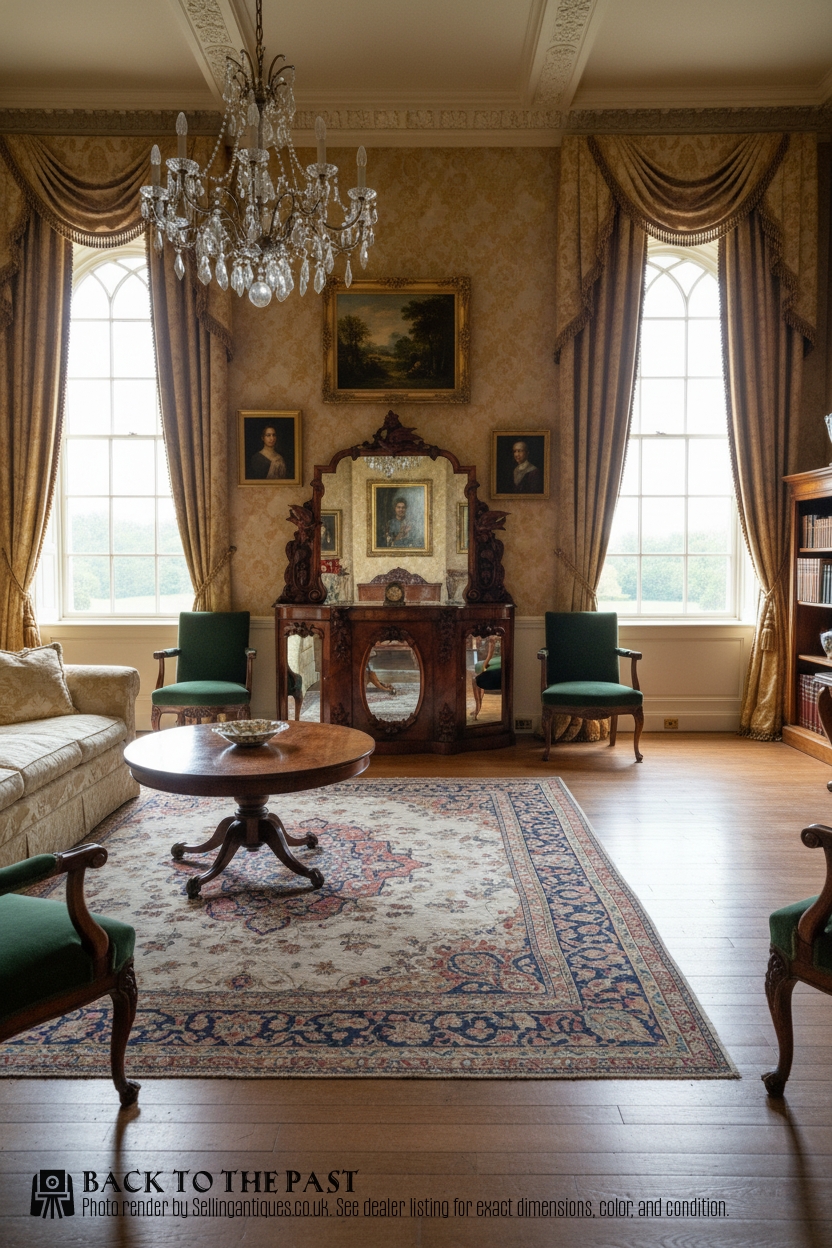
Mirror-back sideboards gained immense popularity during the mid to late Victorian period as a method to reflect light and display glassware.
Many retain their original bevelled glass plates, secured within heavily carved wooden frames.