


Victorian Diamond Jewellery
Victorian diamond jewellery captures the romanticism and craftsmanship of the nineteenth century through enduring precious metals and hand-cut stones.

Victorian Diamond Jewellery
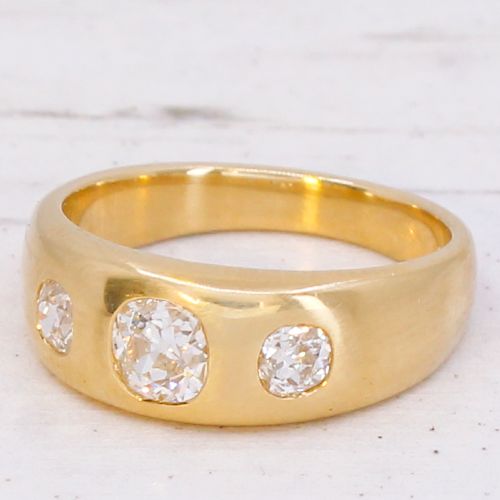
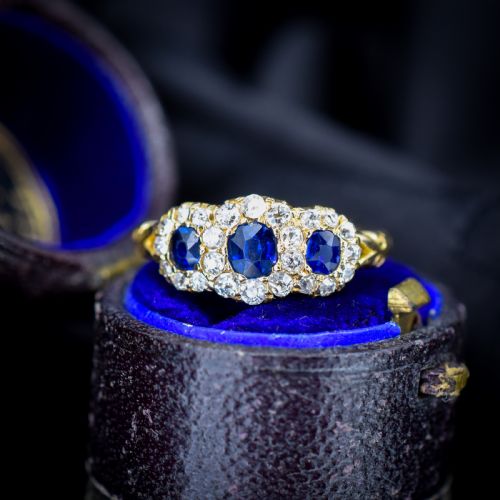
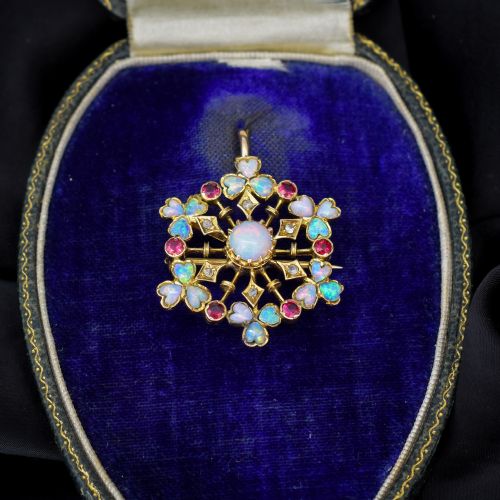
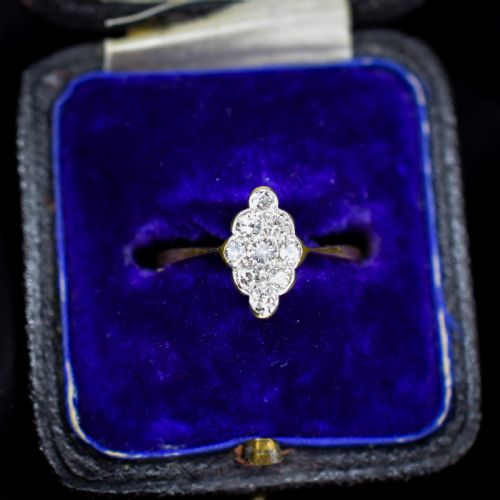
Victorian diamond jewellery encompasses a refined selection of rings, brooches, pendants and pins spanning the nineteenth century. These pieces reflect the evolving tastes of the era, moving from delicate floral motifs to bold symbolic designs.
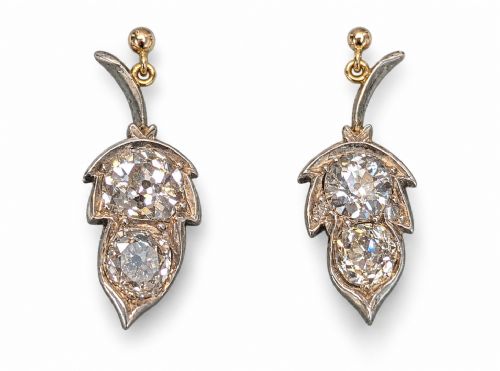
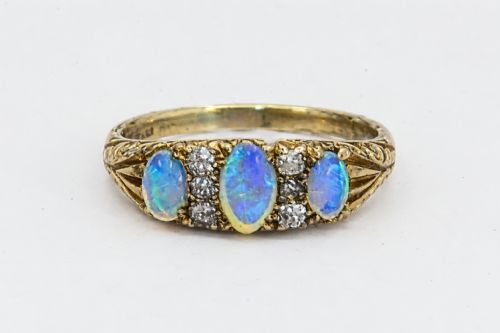
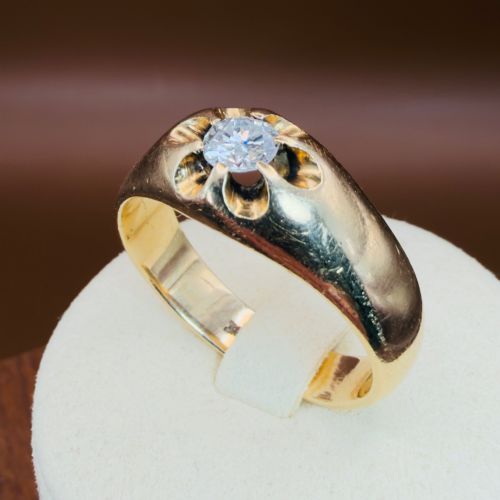
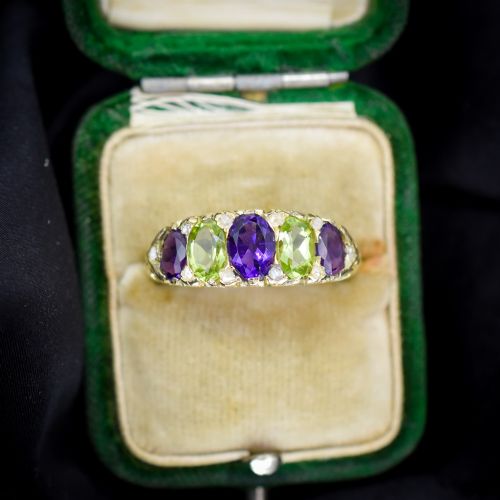
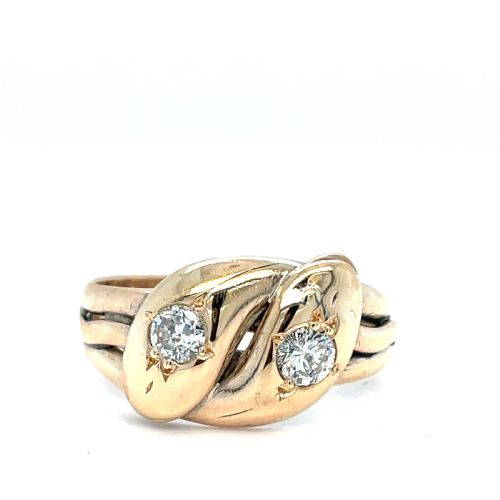
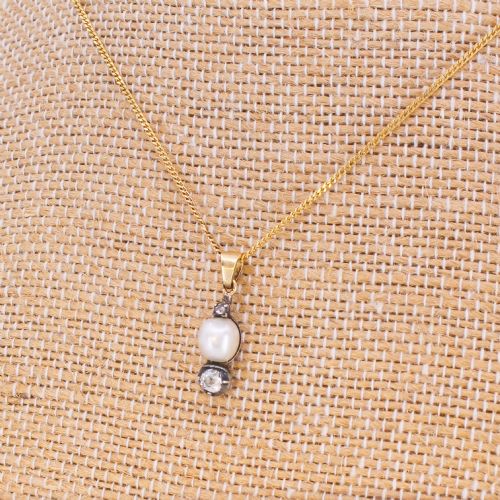
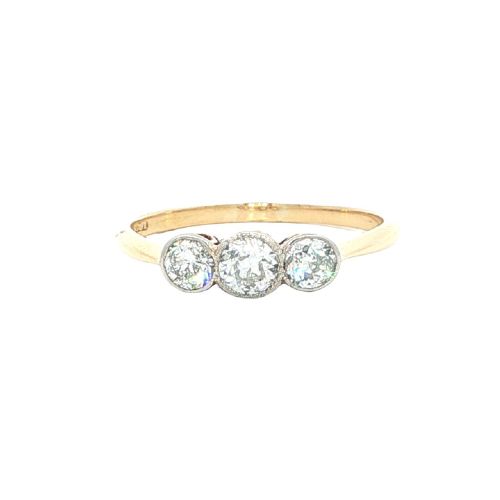
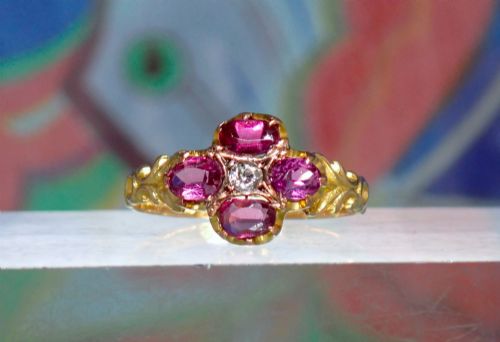
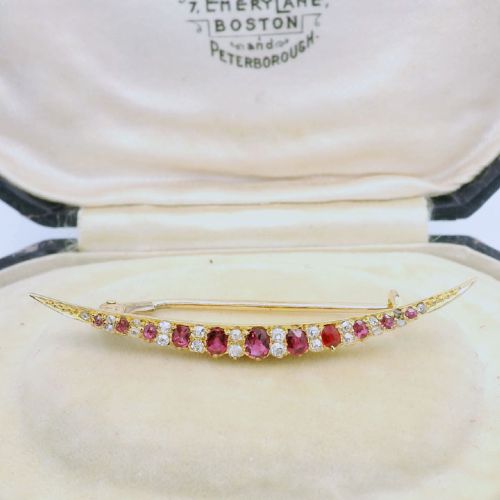
Buyers encountering this collection will most frequently find rings and brooches featuring characterful old cut diamonds set in gold or silver. Examples range from solitaire rings to complex cluster designs and coiled serpent motifs.
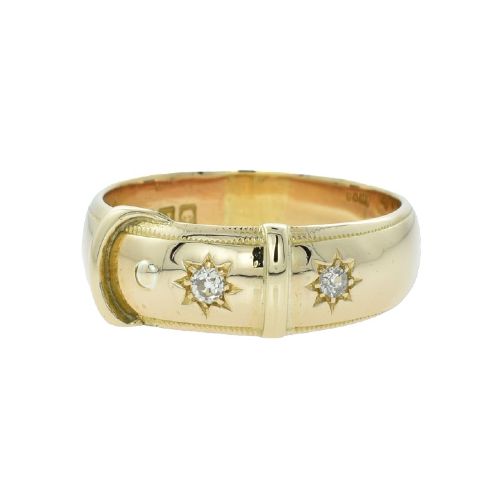
The selection includes specific regional marks and dated pieces from the latter half of the nineteenth century. Each item demonstrates the distinct decorative characteristics associated with the period.
How Victorian diamond jewellery was made
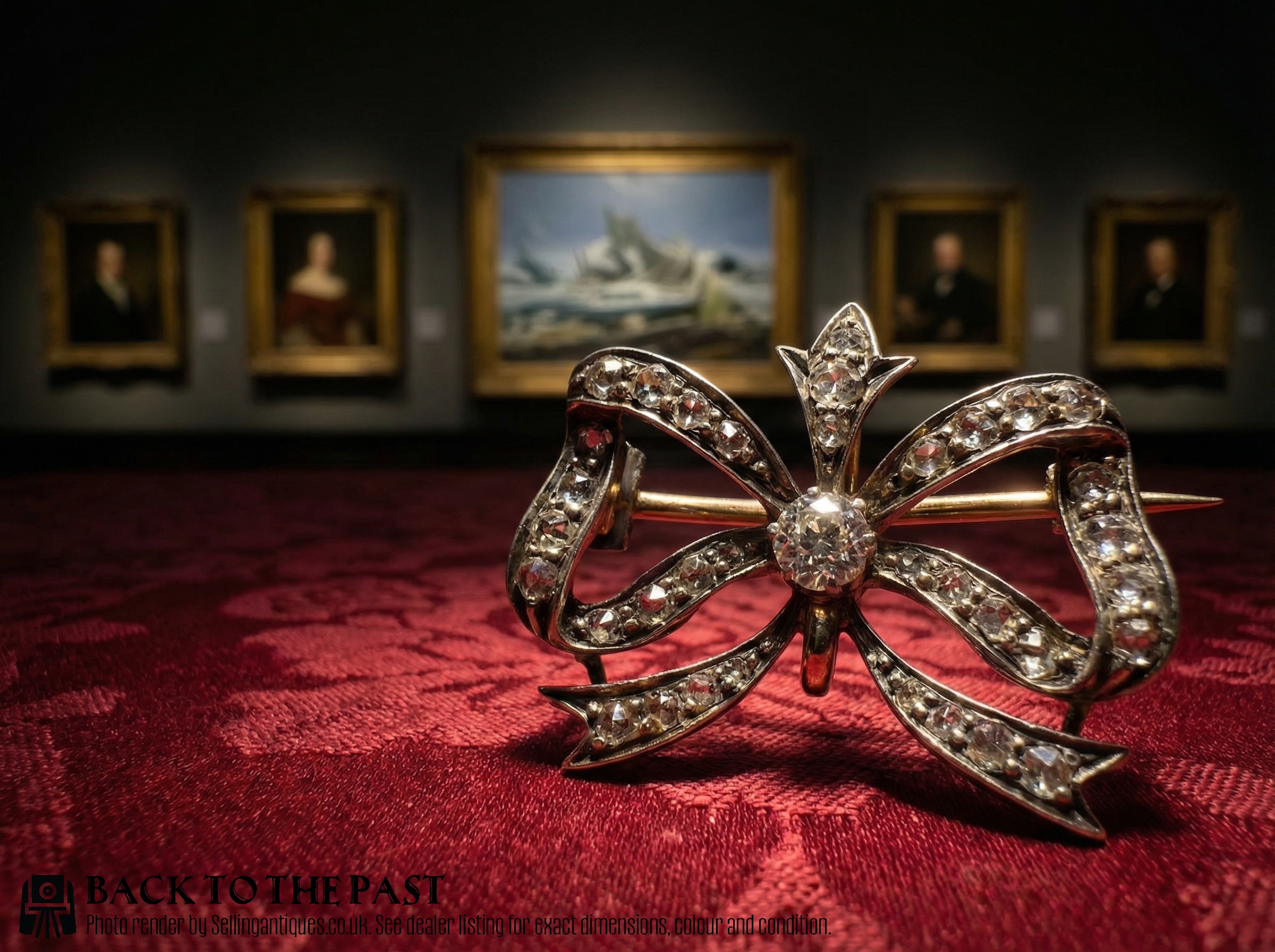
Goldsmiths utilised yellow gold in nine-carat and eighteen-carat purities alongside silver to mount gemstones securely. Silver was frequently employed for the face of settings to enhance the white brilliance of the diamonds, while gold formed the structural shank or reverse.
Gems were shaped by hand into old European round cuts and rose cuts rather than modern standardised proportions. These historic cutting techniques produce distinct facet patterns that catch candlelight and ambient illumination uniquely.
Victorian Diamond Jewellery Retail Price Guide 2026
Typical asking prices for victorian diamond jewellery among the pieces listed under this phrase on Sellingantiques today, from the lower quarter to the upper quarter. They describe what is for sale here now, not the wider market.
What varies in quality
Quality diverges notably in the scale and proportion of the central stones, ranging from modest accent diamonds to substantial multi-carat focal gems. The weight and presence of the precious metal mountings also dictate the structural substance of each piece.
The sophistication of the hand-cut stones and the intricacy of the metalwork set superior examples apart. Finer items exhibit precise claw or collet settings that integrate harmoniously with the overall design.
The Victorian Diamond Jewellery Glossary
- Old European cut
- A predecessor to the modern round brilliant cut characterised by a small table, high crown and deep pavilion. This hand-polished diamond shape produces broad, distinct flashes of light.
- Rose cut
- A flat-based stone with a domed crown featuring triangular facets arranged in a symmetrical pattern. This historic style resembles an unopened rosebud.
- Collet setting
- A band of metal that encircles the girdle of a gemstone to hold it securely in place. It represents a traditional method of enclosing stones without modern prong configurations.
- Solitaire
- A ring or pendant featuring a single prominent gemstone as the focal point. This setting style places sole emphasis on the characteristics of the central diamond.
Victorian Diamond Jewellery: Frequently Asked Questions
What defines Victorian diamond jewellery?
Victorian diamond jewellery comprises pieces created during the reign of Queen Victoria between 1837 and 1901. It is characterised by hand-cut diamonds mounted in gold and silver.
The items often incorporate symbolic motifs such as snakes, bows and floral clusters. Each piece reflects the specific decorative fashions of the nineteenth century.
How do old cut diamonds differ from modern stones?
Historic diamonds were shaped by hand rather than by automated machinery. This results in varied facet arrangements and characteristic proportions.
Stones such as old European cuts and rose cuts display a softer, more romantic brilliance under ambient light. Their unique geometry reveals the individual hand of the historical lapidary.
What metals were used in these pieces?
Goldsmiths predominantly utilised yellow gold in nine-carat and eighteen-carat purities for the bodies of rings, brooches and pendants. Silver was also paired with gold settings.
Silver was traditionally placed on the front surfaces of mounts to complement the white colour of the diamonds. Gold provided the necessary strength and warmth for the reverse and structural elements.
How should I care for antique jewellery?
Victorian pieces benefit from gentle handling due to their age and historical setting techniques. Avoid exposing them to harsh chemical cleaners or ultrasonic baths.
Store items individually in soft pouches to prevent scratching between pieces. Professional inspection by a specialist jeweller ensures the settings remain secure.