

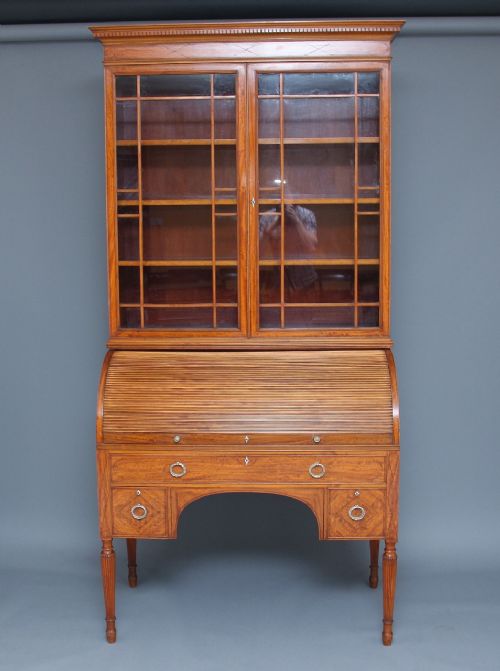

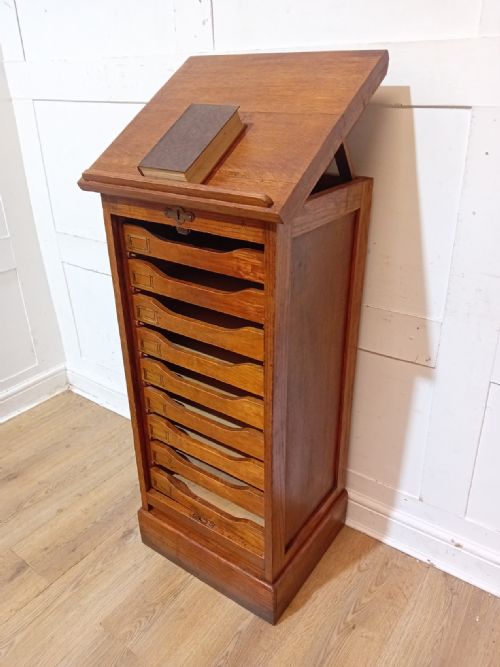
Victorian Desk Top Cabinet
These Victorian desk top cabinet examples are compact writing companions and stationery tidies that bring genuine nineteenth-century order to a modern study.
Victorian Desk Top Cabinet
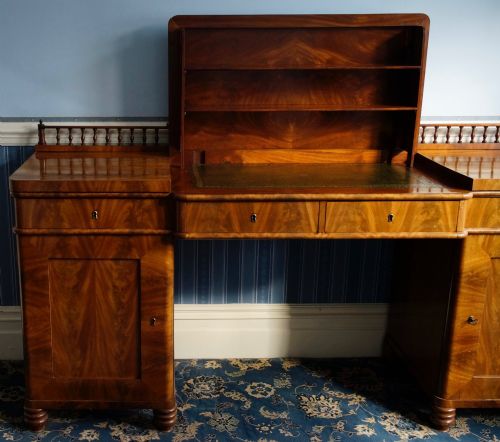
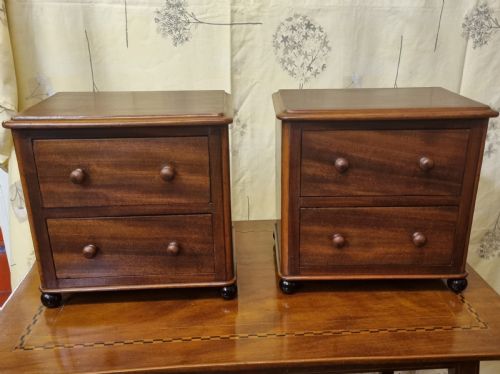
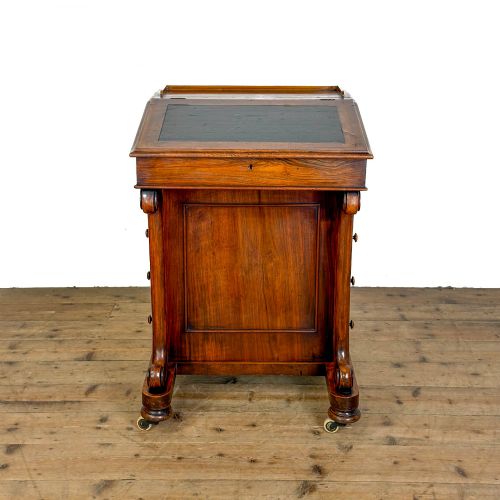
When you search for a victorian desk top cabinet, you encounter tabletop chests, desktop cartonnieres, and stationery boxes designed to sit securely upon a larger writing surface. These pieces emerged principally during the nineteenth century, spanning periods from the 1850s through to 1900.
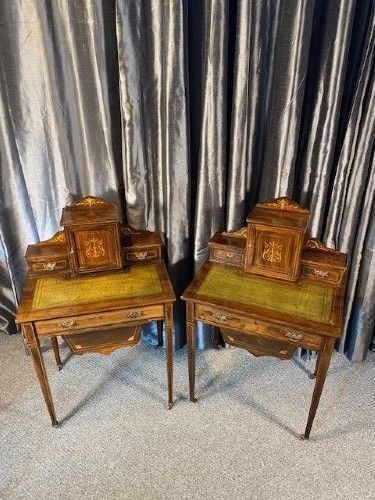
The forms on this page include tabletop storage units alongside slope-front and pop-up writing desks, reflecting the diverse ways Victorians managed their correspondence and documents.
Origins stretch across walnut, mahogany, oak, and rosewood constructions, capturing both English workshop traditions and occasional continental revivals.
Materials and Technique
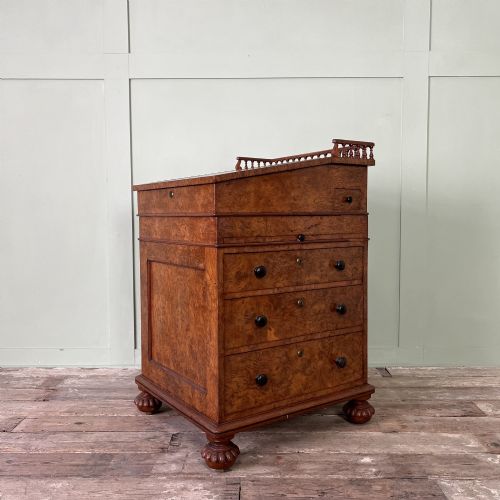
Cabinet makers utilised dense hardwoods like mahogany and walnut as the foundational carcasses, frequently embellishing surfaces with burr veneers and brass mountings.
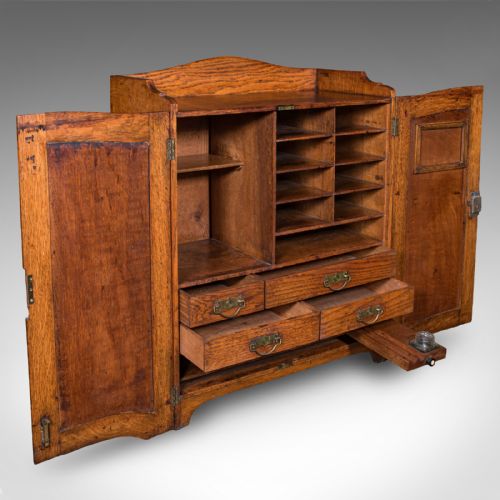
Interiors often integrate fitted stationery compartments, drop flap drawers, and leather writing surfaces, demonstrating precise joinery tailored for daily clerical use.
Some Victorian writers apparently stored tiny secrets behind secret secondary panels inside their stationery cabinets.
Evaluating Quality
The distinction between standard utility pieces and finer examples rests upon the selection of timber veneers, such as richly figured burr walnut, and the crispness of brass hardware and inlay.
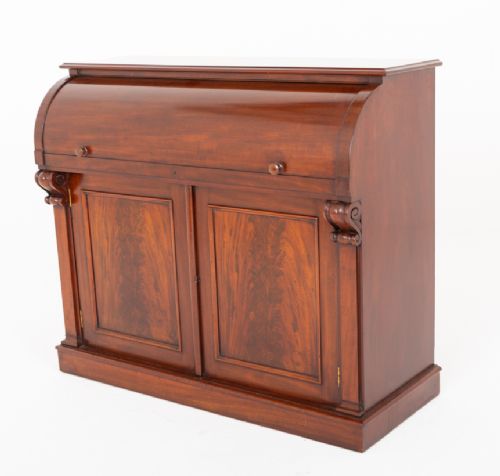
Mechanisms such as pop-up stationery compartments and cylinder actions reveal the underlying skill of the cabinet maker, where smooth operation distinguishes superior workshops from ordinary production.
Gillows·Edwards and Roberts·Blake
The Victorian Desk Top Cabinet Glossary
- Davenport
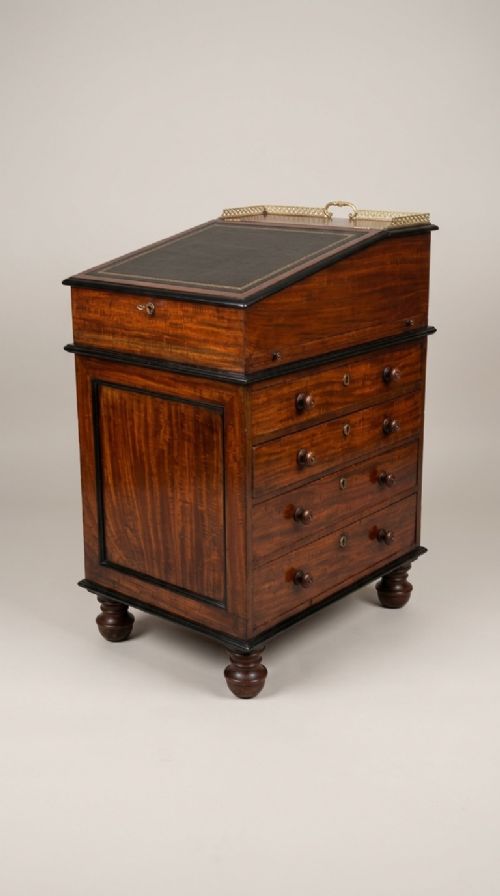
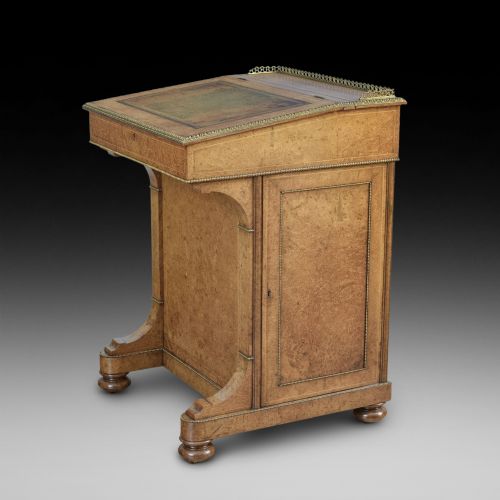
- A compact form of small desk featuring a sloped writing surface above a pedestal of drawers. It gained immense popularity throughout the Victorian era for boudoir and parlour use.
- Cartonnier
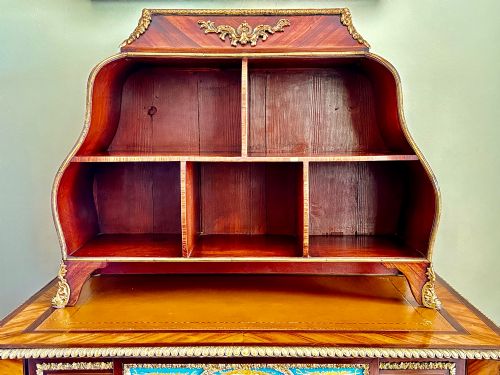
- A desktop cabinet fitted with tiers of internal compartments or horizontal pigeonholes designed to sort papers and documents. They frequently appear in continental revival styles.
- Cylinder
- A curved shutter of wood that rolls back into the body of a desk or cabinet to reveal an internal writing slide and pigeonholes. This mechanism requires exact carpentry to operate without binding.
- Crossbanding
- A decorative border technique where veneer strips are applied so the grain runs perpendicular to the main panel. It frames the primary wood surface of the cabinet lid or drawer fronts.
- Ormolu
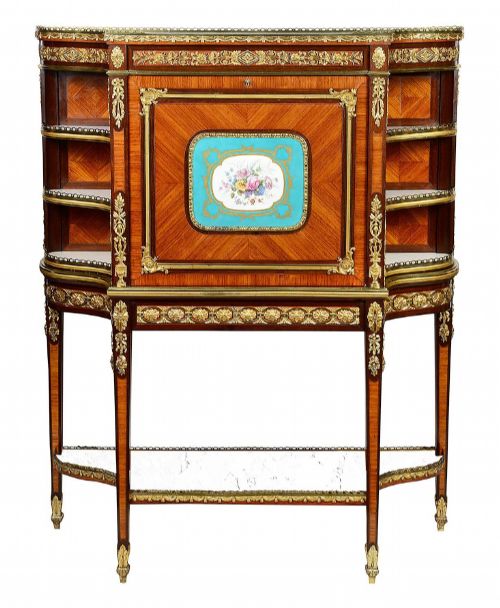
- Gilded bronze mounts cast and chased by hand to ornament the corners and feet of fine nineteenth-century cabinetry. It adds metallic contrast to dark rosewood and walnut surfaces.
Victorian Desk Top Cabinet: Frequently Asked Questions
What is a desktop stationery cabinet?
A desktop stationery cabinet is a small, portable wooden chest designed to hold envelopes, paper, and writing implements on top of a larger desk.
These pieces typically feature doors or fall-fronts that open to reveal fitted pigeonholes and small drawers for organised storage.
How were slope front desks used?
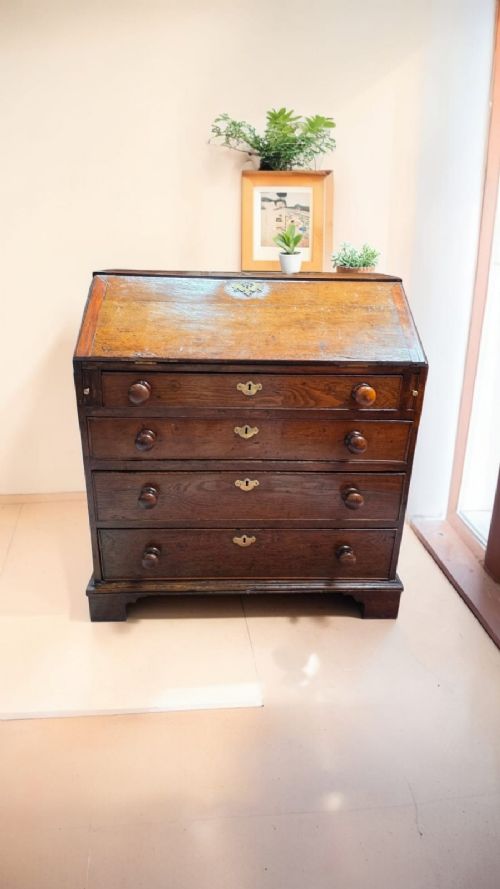
Slope front desks provided a slanted writing surface covered in leather or cloth, making handwriting comfortable while seated.
The sloping lid frequently lifted to store loose papers and ledgers safely within the carcass below.
How do I identify a Victorian piece?
Victorian pieces are identified by characteristic nineteenth-century timber choices such as burr walnut, mahogany, and rosewood, alongside period construction methods.
Stylistic cues range from plain mid-century forms to later revival details and carved oak decoration.
Where should I place a tabletop cabinet?
These cabinets suit large wooden tables, sideboards, or traditional desks where their compact footprint adds vertical storage without crowding the room.
Keep them away from direct sunlight and strong heat sources to protect the delicate wood veneers and leather surfaces.