
Victorian Desk Lighting
Victorian desk lighting brings character and practical illumination to a workspace through period brass, glass and silver-plated forms.
Victorian Desk Lighting
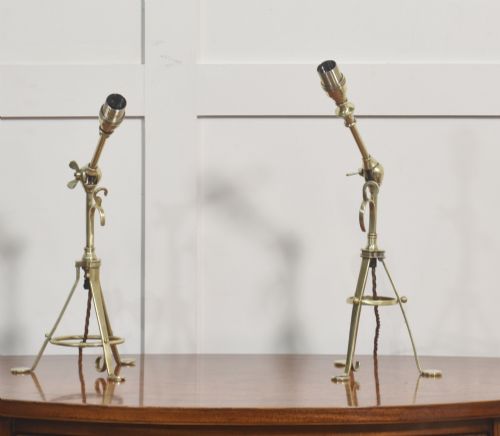
Victorian desk lighting encompasses task lamps, reading lights, student lamps and converted oil lamps designed for functional illumination during the nineteenth century. The selection leans heavily towards brass columns, metal reading lamps and adjustable desk accessories.
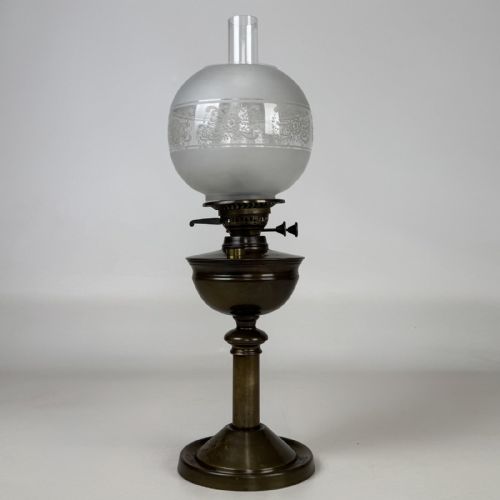
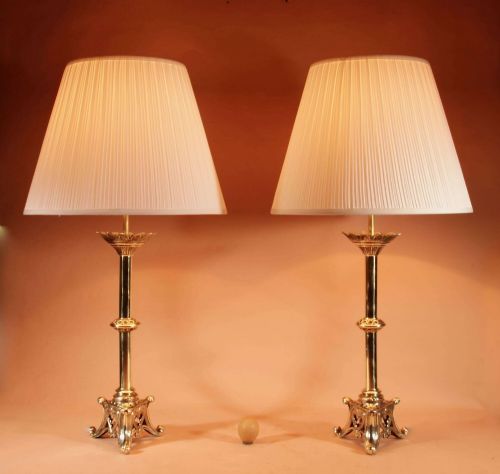
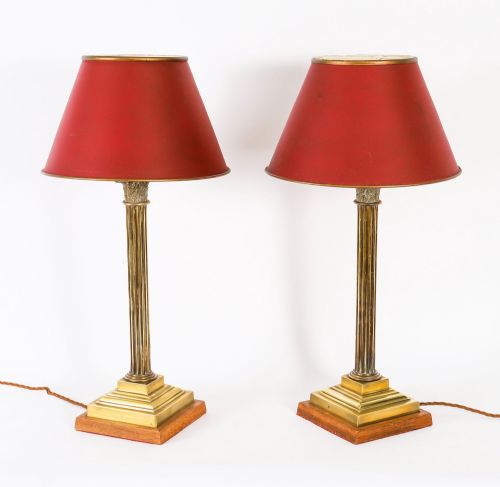
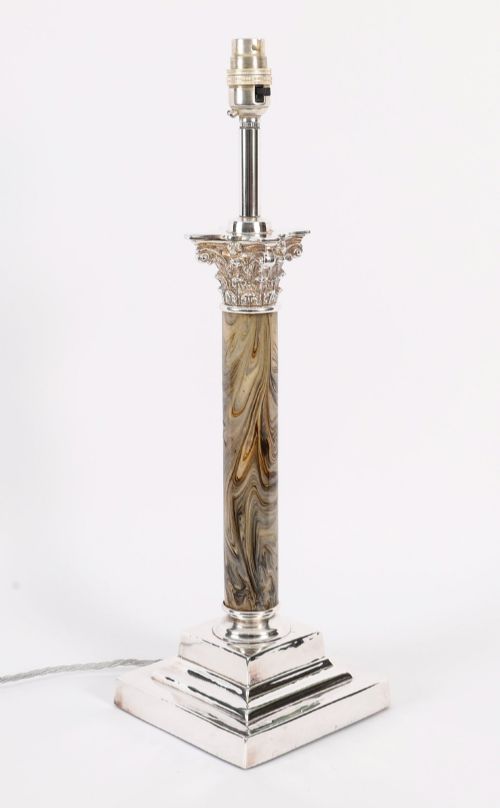
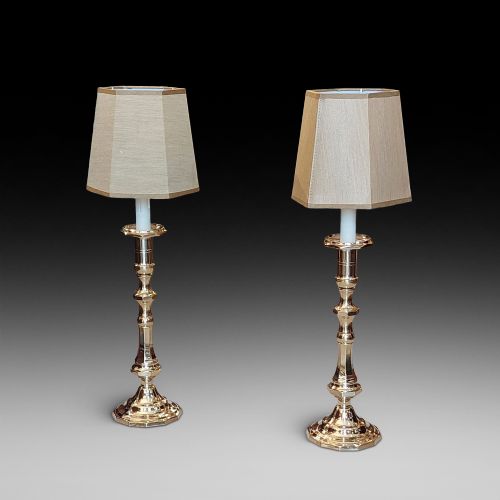
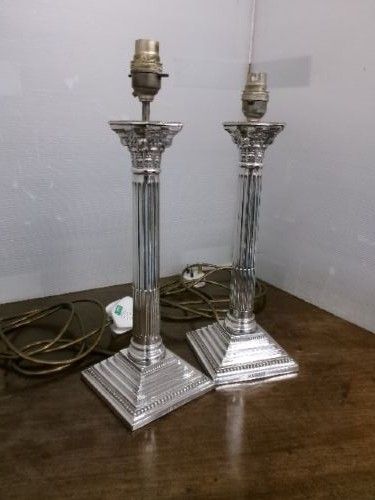
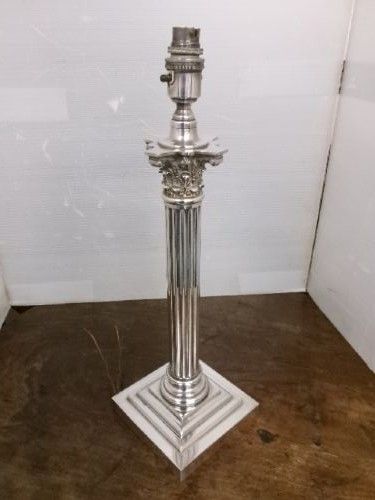
The most common examples encountered are brass Corinthian column table lamps and student lamps in brass or silver plate, often paired with glass shades. These pieces combine period weight with utilitarian design.
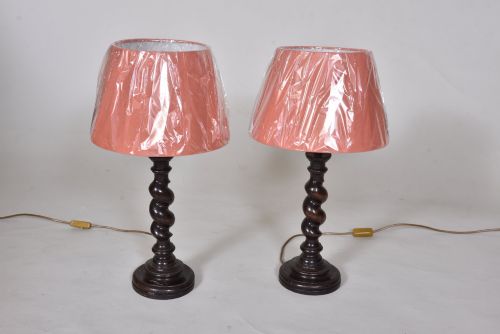
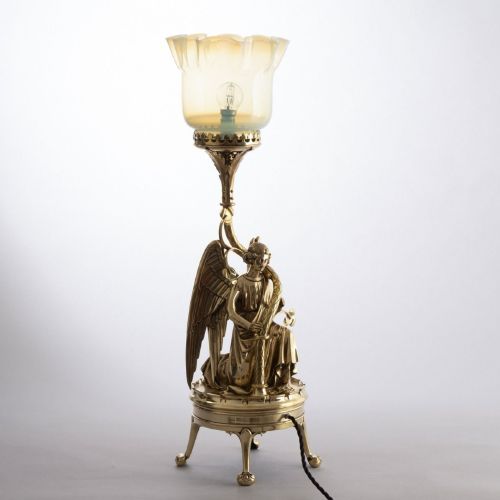
Beyond standard desk lamps, the broader category includes carved timber bases, gilt bronze designs and combined inkstands or calendar desks. Each form reflects the domestic and study habits of the period.
Materials and construction
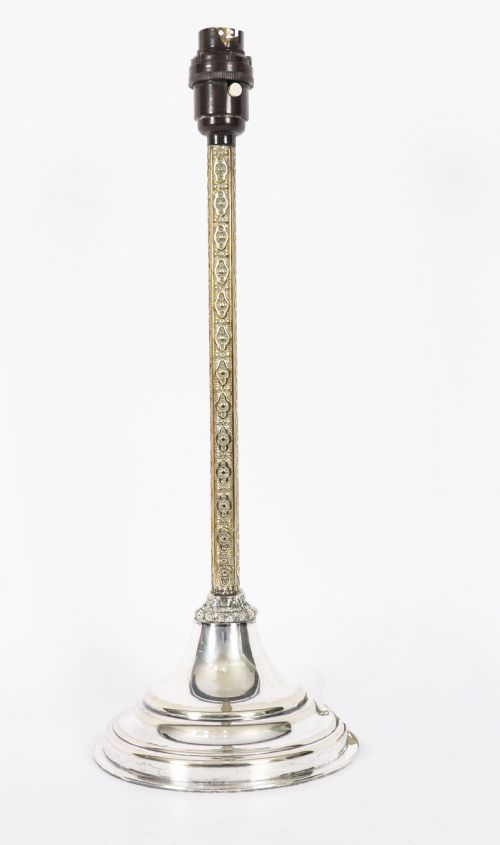
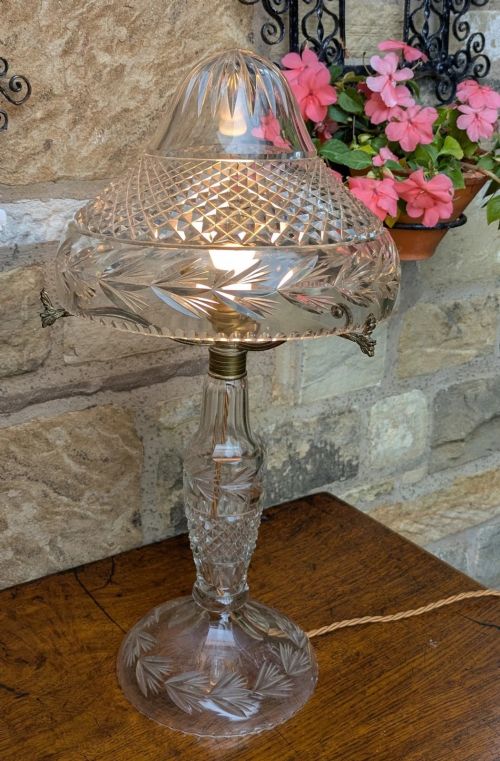
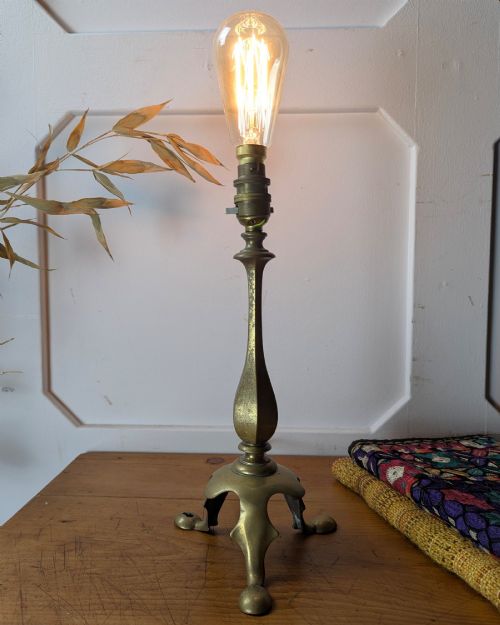
Construction relies primarily on cast and turned brass, silver plate and gilt bronze, frequently paired with opaline, vaseline or cut crystal glass components. Metalwork components are often weighted internally to provide stability for daily use.
Many items incorporate functional hinges, adjustable arms and screw-keys that demonstrate nineteenth-century mechanical precision. Converted oil lamps and student lamps show how older lighting technology was adapted for later electrical wiring.
The listings show a strong presence of brass and silver plate, dominated by Corinthian column forms and adjustable reading lamps.
Assessing quality
Quality rests on the crispness of casting detail in the metalwork, particularly on Corinthian capitals, reeded columns and floral gilt bronze mounts. Heavier gauge brass and solid construction distinguish finer desk pieces from lighter mass-produced alternatives.
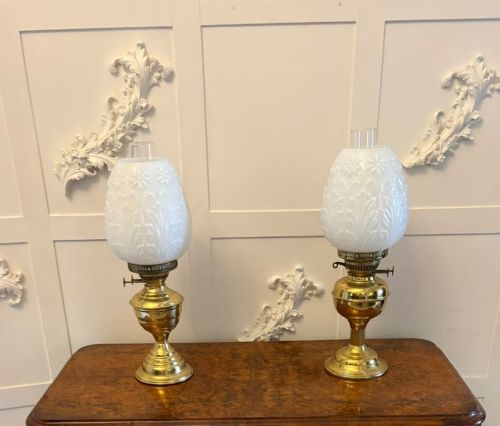
The integrity of original glass shades, whether opaline or vaseline, contributes significantly to the integrity of the piece. Crisp hallmarks, maker stamps and robust mechanical joints elevate a working lamp above standard domestic lighting.
Mappin & Webb's·W.A.S. Benson·GLC·Mc Gary's Patent
The Victorian Desk Lighting Glossary
- Corinthian column
- A classical architectural column form featuring ornate acanthus leaf capitals, frequently utilised for nineteenth-century lamp bases.
- Student lamp
- A utilitarian adjustable desk lamp designed to direct focused light over paperwork or books.
- Opaline glass
- A dense, milk-white or tinted translucent glass popular for Victorian and Edwardian lamp shades.
- Silver plate
- A base metal such as brass or copper coated with a thin layer of silver, common in formal Victorian desk accessories.
- Vaseline glass
- A type of glass containing uranium dioxide that produces a distinctive yellow-green glow under ultraviolet light.
Victorian Desk Lighting: Frequently Asked Questions
How do I wire an antique desk lamp?
Most antique metal and brass lamps can be safely rewired by a professional using modern braided flex that suits the historic aesthetic.
Ensure the internal cord grip is secure and that any conversion respects the original structure without damaging the metal or ceramic fittings.
What is a student lamp?
A student lamp is a traditional reading light featuring an adjustable arm or burner designed to throw direct illumination onto a desk.
These pieces often include small implements or double burners for burning oil before later conversion to electricity.
How do I date a brass column lamp?
Dating relies on the casting weight, base construction, threading style and the presence of any registration marks or maker stamps.
Earlier nineteenth-century examples tend to feature heavier hand-finished brass components compared to lighter twentieth-century reproductions.
Are glass shades original?
Original glass shades typically show small bubble inclusions, uneven thickness or minor rim wear consistent with nineteenth-century manufacture.
Matching the shade fitter size to the gallery of the lamp is essential for a secure and period-appropriate fit.
How do I care for silver plated desk items?
Silver plated items require gentle cleaning with a soft cloth and a mild non-abrasive polish to preserve the underlying metal.
Avoid harsh chemical dips that can strip the historic plating from brass or copper cores.