


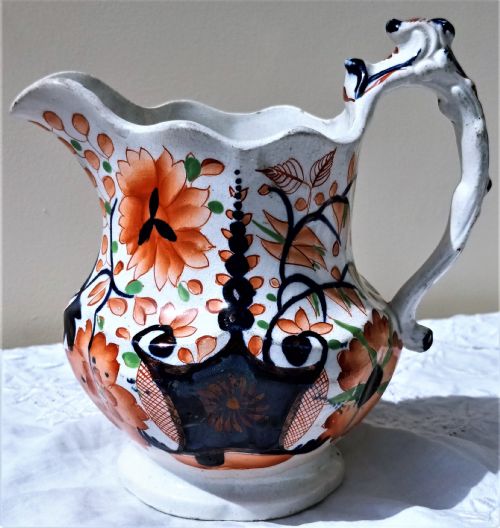


Victorian Decorative Pottery Pitcher
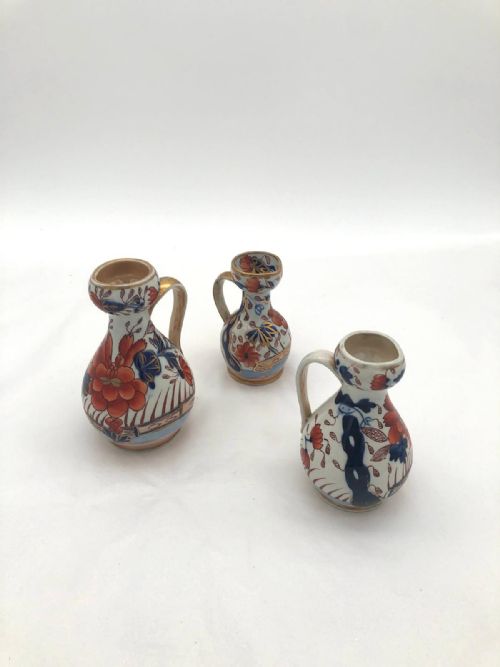
These pieces of victorian decorative pottery pitcher are functional vessels transformed into ornaments, offering rich relief decoration and vibrant glazes to display on a sideboard.

Victorian Decorative Pottery Pitcher
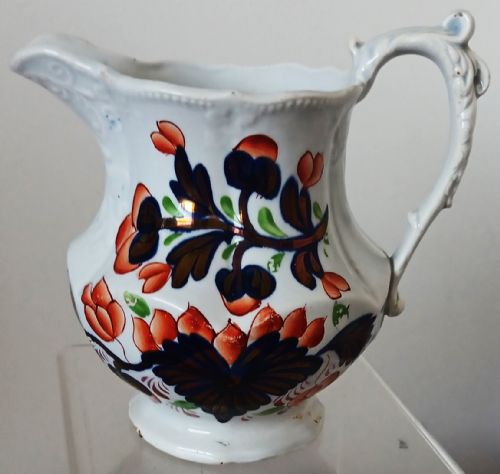
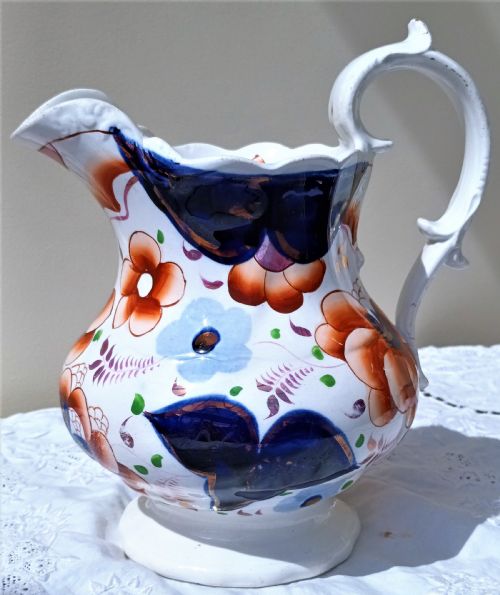
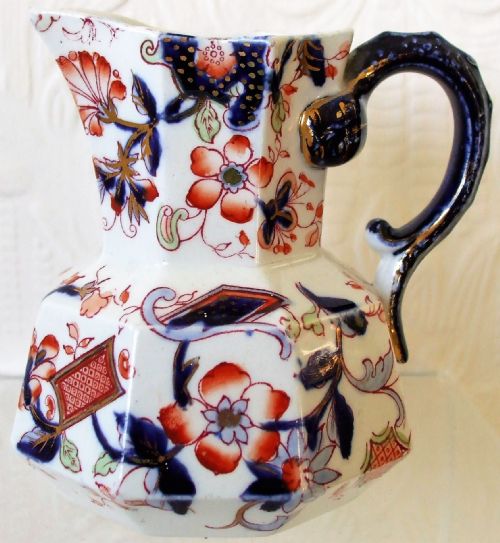
A victorian decorative pottery pitcher is a substantial ceramic vessel designed more for display than for daily utility, spanning forms from ewers to large water jugs. You will frequently encounter robust ironstone examples alongside salt-glazed stoneware and majolica models.
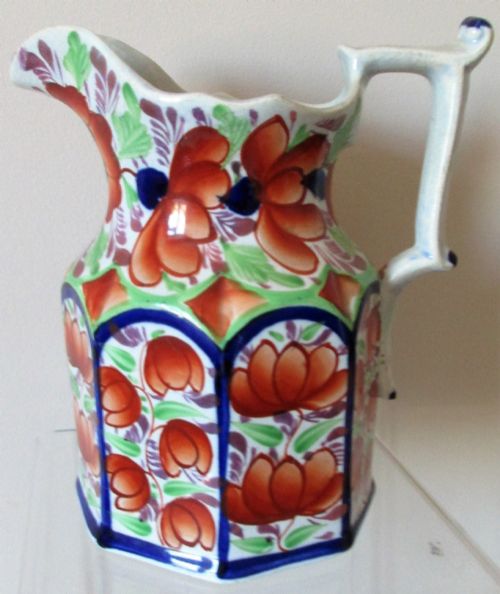
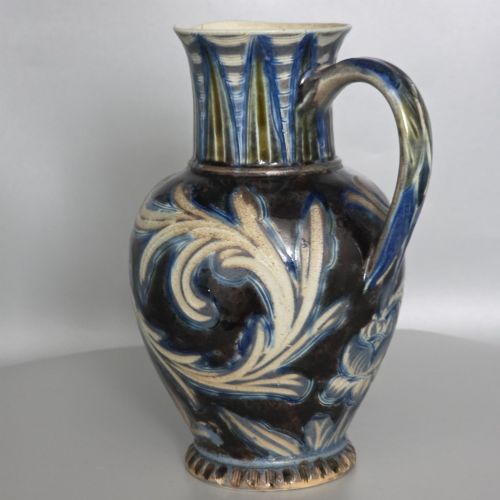
The selections on this page draw heavily from nineteenth-century British traditions, featuring patterns such as Gaudy Welsh and specific regional output like Staffordshire and Doulton Lambeth. These vessels range from simple milk jugs to ornate jubilee pieces and elaborate washstand sets.
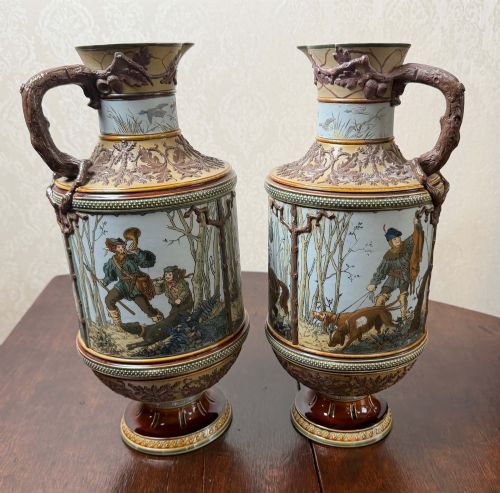
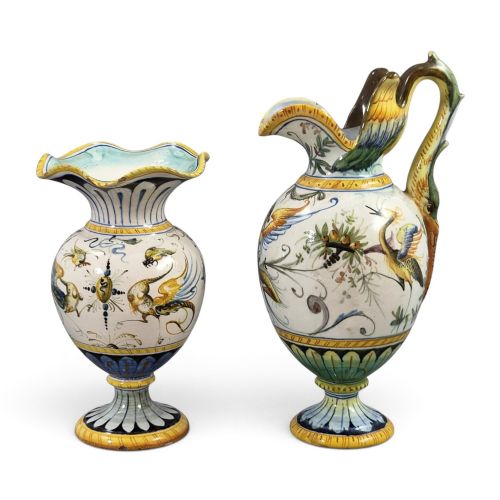
Many of these pitchers display historical revival styles, including Renaissance and Persian influences, alongside distinct studio pottery expressions. Buyers searching this phrase look for these exact stylistic shifts and named potteries to anchor a collection.
Materials and construction
Makers utilised earthenware, ironstone, and heavy stoneware as the fundamental bodies for these pitchers, shaping them to hold dense glaze layers and intricate moulded details. Earthenware provided a porous canvas for colourful transfer decorations and lustre finishes.
Glazes and enamel colours were applied by hand or transfer-printed before firing, often augmented by incised patterns and occasionally gold leaf accents. Stoneware pieces relied on salt-glazing techniques to achieve their characteristic textured surfaces.
Victorian Decorative Pottery Pitcher Retail Price Guide 2026
Typical asking prices for victorian decorative pottery pitcher among the pieces listed under this phrase on Sellingantiques today, from the lower quarter to the upper quarter. They describe what is for sale here now, not the wider market.
Some nineteenth-century makers expected guests to sing around a festive bowl, ensuring your tea table comes with a built-in chorus.
Judging the standard of manufacture
Quality rests in the crispness of the moulded relief and the depth of the glaze application rather than mere size. Finer pieces maintain precise registration in transfer-printed patterns and crisp incisions without blurring.
The distinction between standard domestic ware and top-tier examples lies in the ambition of the design, such as applied slip work, patent decorative finishes, or specific studio artistry.
Doulton Lambeth·Mason's Ironstone·Cantagalli Florence·Keeling And Co·Sir Edmund Elton·Doulton Burslem
The Victorian Decorative Pottery Pitcher Glossary
- Ironstone
- A dense, durable type of earthenware patented in the nineteenth century to imitate Chinese porcelain. It forms a heavy, resilient body for utility and display vessels alike.
- Majolica
- A colourful lead-glazed earthenware characterised by vibrant, opaque metallic oxide colours. It was widely used during the Victorian period for ornate ewers and figural jugs.
- Lustre
- A metallic pottery finish that creates a reflective, iridescent sheen on the surface. Staffordshire potters used copper and purple lustre to highlight transfer-printed patterns.
- Salt glaze
- A vitreous coating formed by throwing common salt into the kiln during high-temperature firing. This creates a distinctive orange-peel texture on stoneware bodies.
- Ewer
- A large pitcher with a wide spout and a curved handle, traditionally used for holding water. Victorian examples often prioritized sculptural forms over utility.
Victorian Decorative Pottery Pitcher: Frequently Asked Questions
What is a victorian decorative pottery pitcher used for?
These pitchers served various domestic roles, from serving water and milk at the table to holding washstand water or simply acting as mantelpiece ornaments.
Over time, their primary function shifted from practical kitchen or bedroom service to pure decorative display within the Victorian home.
How do I identify a Doulton Lambeth piece?
Doulton Lambeth items typically feature distinctive incised ornamentation, salt-glazing, and specialised artist stamps or factory ciphers pressed into the stoneware body.
Look for crisp surface textures and patent numbers that distinguish these studio-influenced pieces from standard commercial Staffordshire output.
What is Gaudy Welsh pottery?
Gaudy Welsh pottery refers to a distinctive style of colourful earthenware featuring hand-painted cobalt blue, copper lustre, and iron-red enamel motifs.
These robust jugs were predominantly made for everyday Welsh households, utilising repeating patterns like Grape, Drape, and Pagoda.
How should I display my pitcher?
Display these pitchers on sturdy sideboards, open shelving, or within cabinets where their relief moulding and colourful glazes catch the light safely.
Keep them away from direct sunlight and high-traffic edges, as their handles and spouts are vulnerable to accidental knocks.