

Victorian Decorative Porcelain
Victorian decorative porcelain brings together painted ceramics, gilt mounts and bold forms from across the nineteenth century.
Victorian Decorative Porcelain
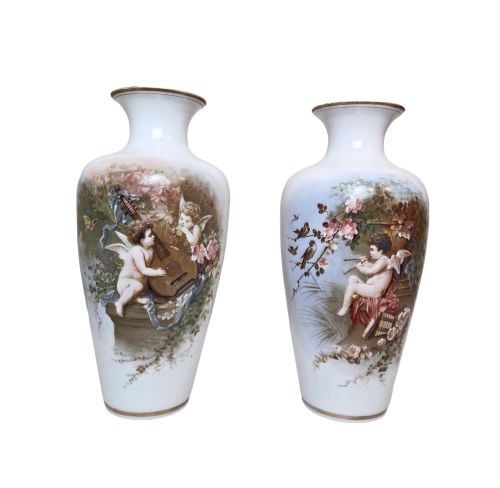
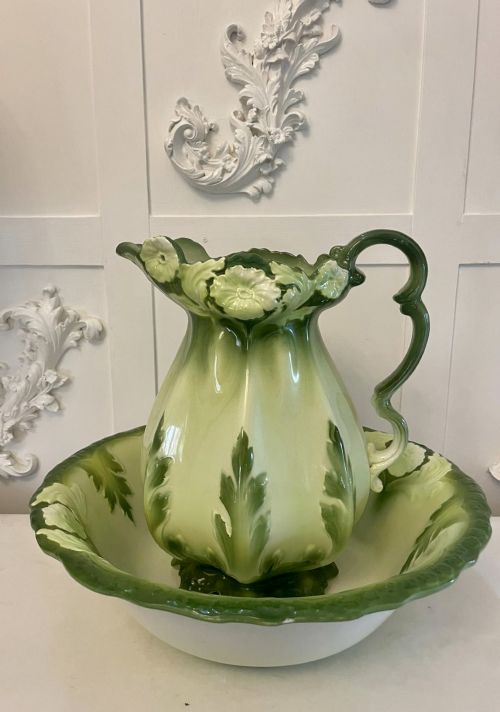
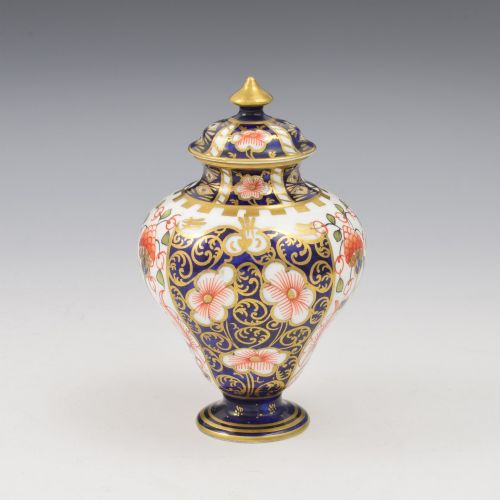
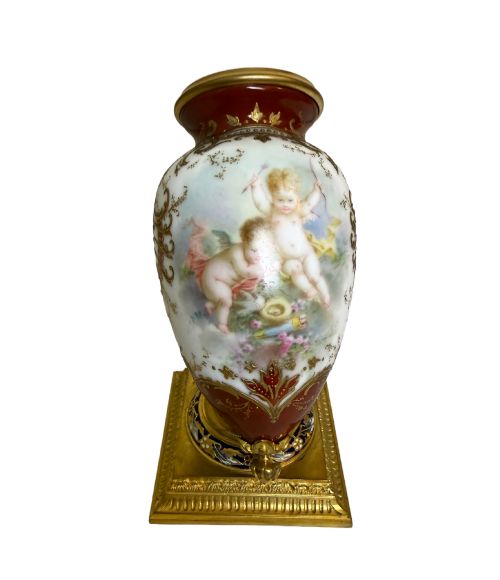
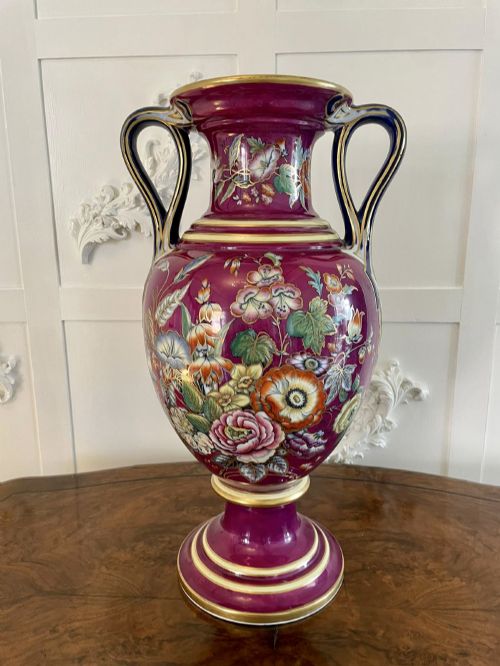
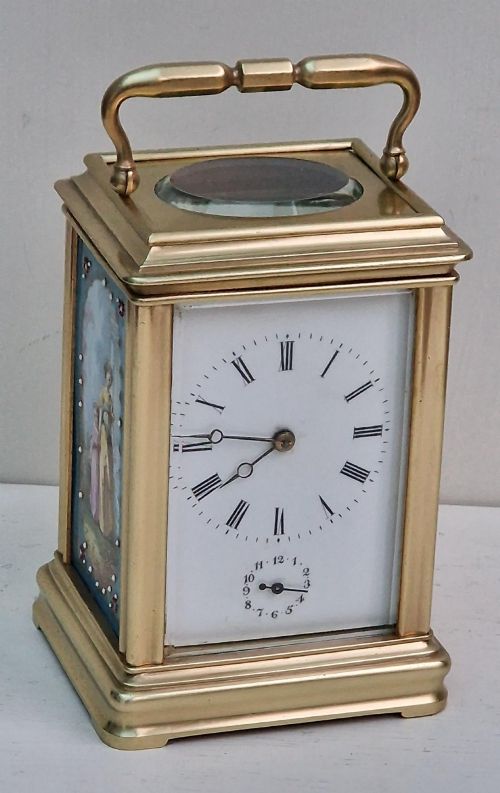
Victorian decorative porcelain covers a wide range of nineteenth-century objects designed for display rather than everyday dining, spanning mantel clocks, cabinet plates, jardinieres, and large vases.
The objects frequently draw on revival styles such as French Rococo, Neoclassical, and Japanese Meiji aesthetics, reflecting the eclectic taste of the period.
English factories like Royal Crown Derby, Royal Worcester, and Minton sit alongside continental makers from Sevres, Meissen, and Paris in shaping the available forms.
Materials and technique
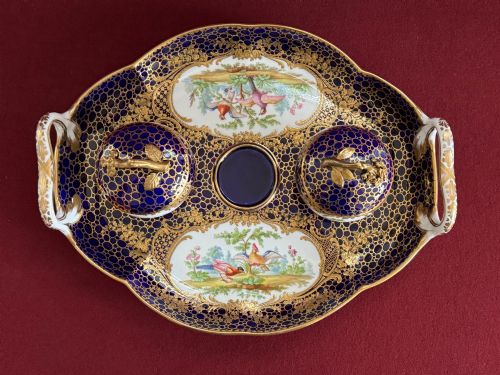
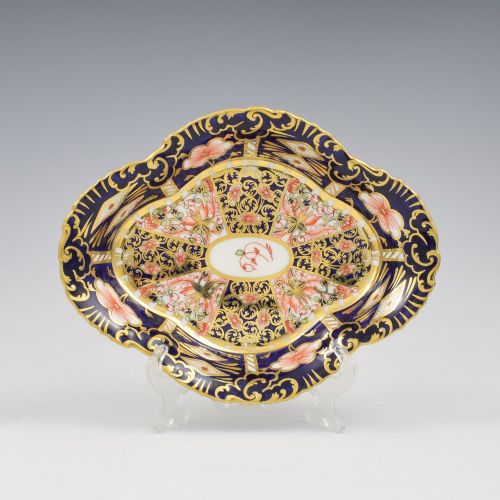
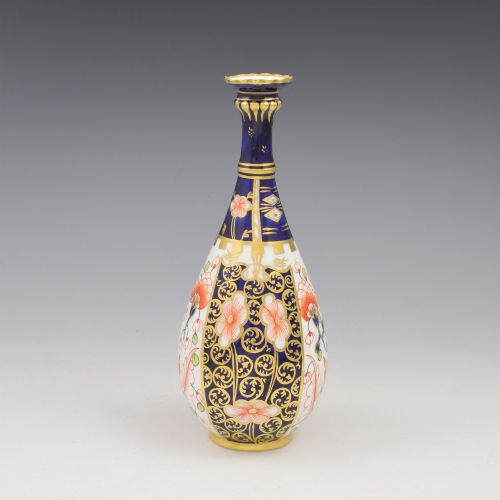
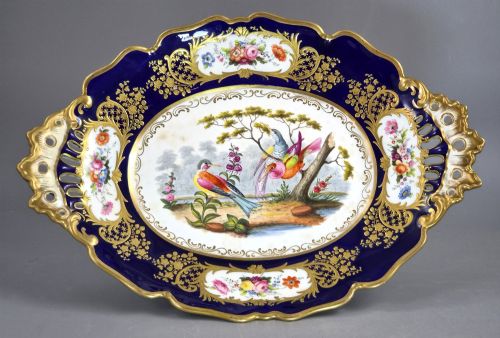
Makers utilised fine paste porcelain combined with hand-painted enamel decoration, cobalt blue glazes, and intricate gold leaf or gilding.
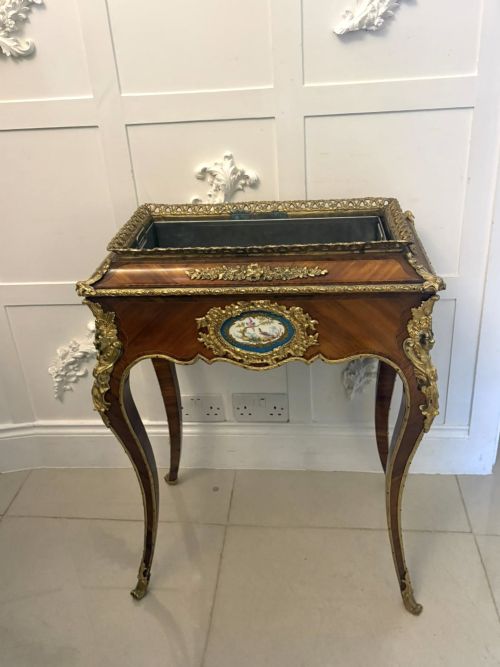
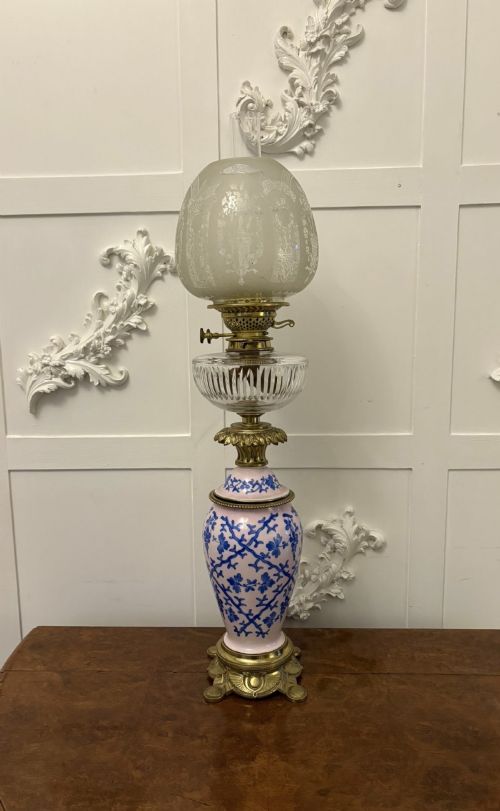
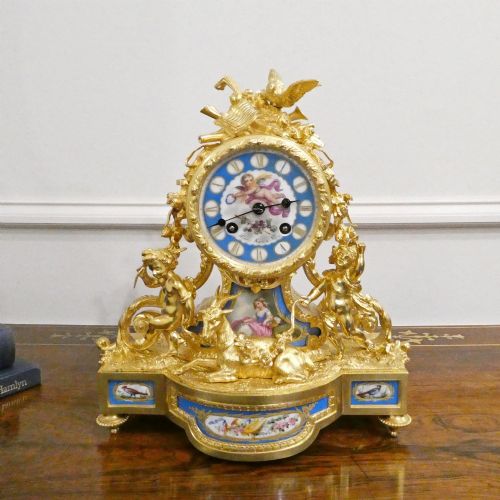
Many ornamental vessels incorporate structural mounts in gilt bronze, brass, or glass, uniting ceramic bodies with metalwork frameworks.
Object forms span vases, cabinet plates, mantel clocks, oil lamps, figures, and walking sticks.
What varies in quality
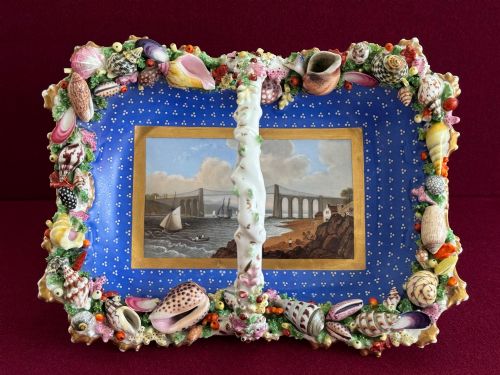
Quality rests on the crispness of the hand-painted detail, particularly in figurative scenes, floral panels, and bird studies.
The integration of metal mounts, the weight of the porcelain body, and the precision of the gilding separate standard production pieces from exhibition-grade examples.
Royal Crown Derby·Royal Worcester·Henry Marc·Sitzendorf·Helena Wolfsohn·John Bevington
The Victorian Decorative Porcelain Glossary
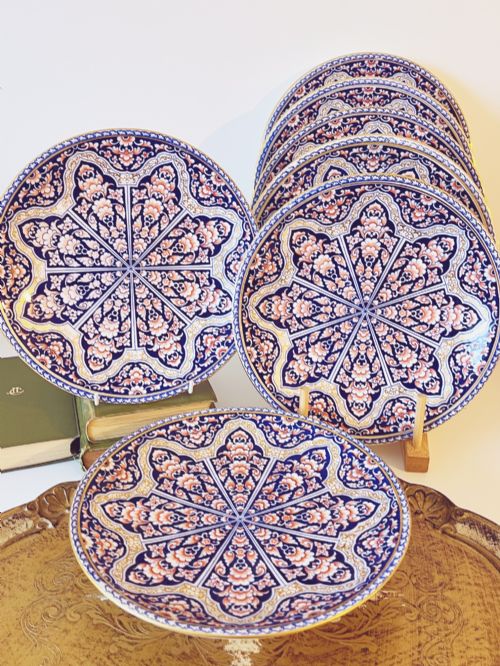
- Imari
- A decorative style featuring dense blue, iron-red, and gilt patterns, originating in Japan and widely copied by European factories.
- Gilt bronze
- An alloy of copper and zinc treated with a gold coating, frequently used for mounts and decorative trim on nineteenth-century pieces.
- Moon flask
- A flattened spherical vase with a short neck and two small handles, often set on a footed base.
- Parian
- A fine white unglazed biscuit porcelain resembling marble, popular for nineteenth-century figurative sculptures and wall brackets.
- Cassolette
- A decorative lidded vase designed to hold perfumes or potpourri, often featuring reversible covers.
Victorian Decorative Porcelain: Frequently Asked Questions
How do I display Victorian porcelain?
These decorative items suit mantelpieces, cabinets, and dedicated side tables where their painted surfaces and gilt mounts catch the light. Keep them away from direct sunlight to protect enamel colours.
Larger pieces like jardinieres and chargers function well as standalone focal points in a room, while smaller cabinet plates and vases look effective grouped together.
Were these pieces used daily?
Most of these items served ornamental roles in Victorian interiors rather than practical dining purposes. Dessert services and cabinet plates were displayed during formal gatherings.
Items such as mantel clocks, oil lamps, and walking sticks combined functional mechanics with decorative porcelain elements for wealthy households.
How can I tell the period?
Look for factory date marks, registration lozenges, and stylistic clues such as Aesthetic Movement motifs or Rococo Revival curves. Nineteenth-century manufacturing methods left specific traces on the bases and glazes.
Comparing the painting style and baseline materials to known examples from factories like Minton or Sevres helps narrow down the decade of production.
What is parian porcelain?
Parian is a fine unglazed ceramic material developed in the nineteenth century to imitate carved marble. It was frequently used for portrait busts, figurines, and architectural wall brackets.
The matte, grain-free finish allows sculptural details to remain exceptionally sharp without relying on glossy glazes.