


Victorian Decorative Planter
These pieces unite utility and ornament, bringing a victorian decorative planter into the home or garden as a vessel for greenery.

Victorian Decorative Planter
A victorian decorative planter encompasses vessels designed to hold growing plants, including jardinieres, garden urns, cachepots, and plant stands. These objects emerge primarily from the nineteenth century, spanning Victorian, Edwardian, and occasionally earlier periods such as the Georgian and William IV eras.
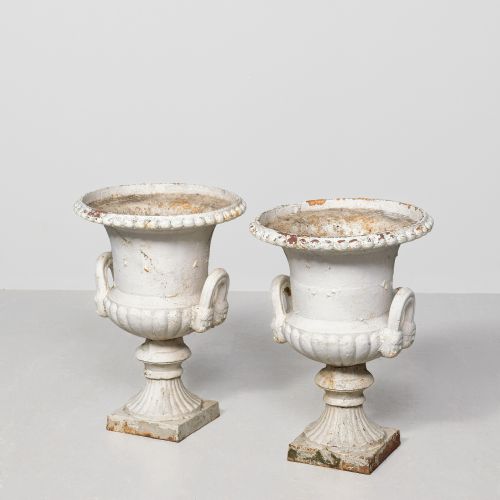
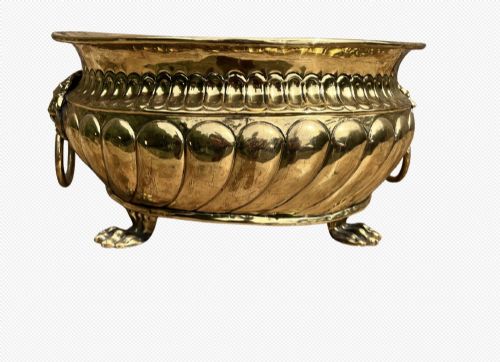
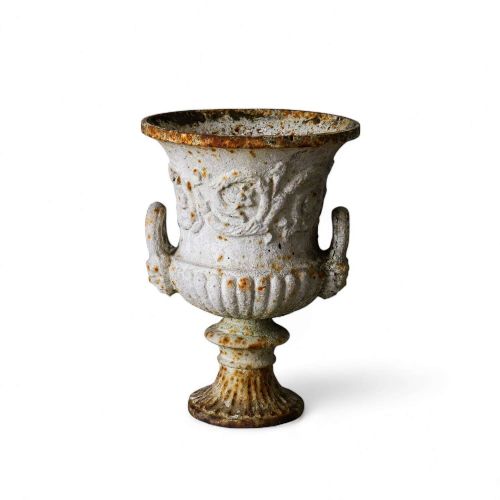
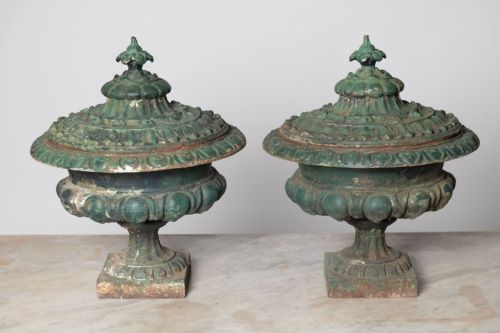
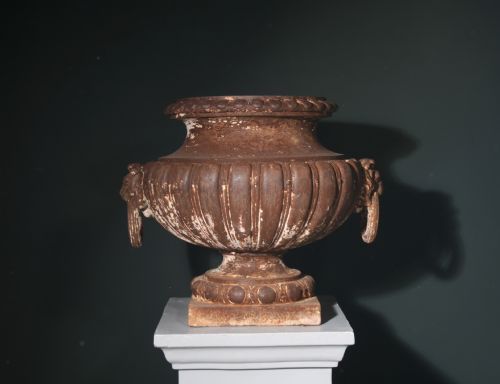
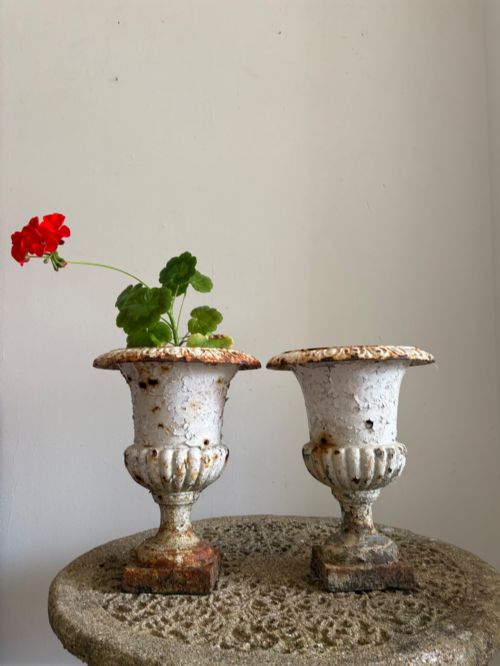
The domestic interior and the conservatory receive these containers in ceramic, earthenware, stoneware, and metals like brass and copper. Larger garden settings accommodate heavy cast iron and wrought iron urns, often positioned on pedestals or stands.
Makers and potteries from Britain and continental Europe shape these forms, employing styles ranging from Neoclassical and Chinoiserie to Arts and Crafts and Victorian Classical Revival.
Materials and Techniques
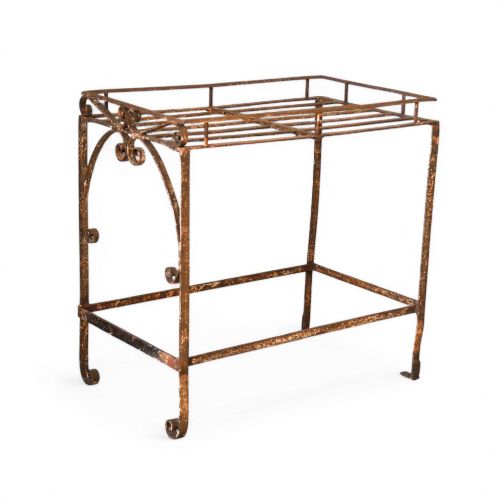
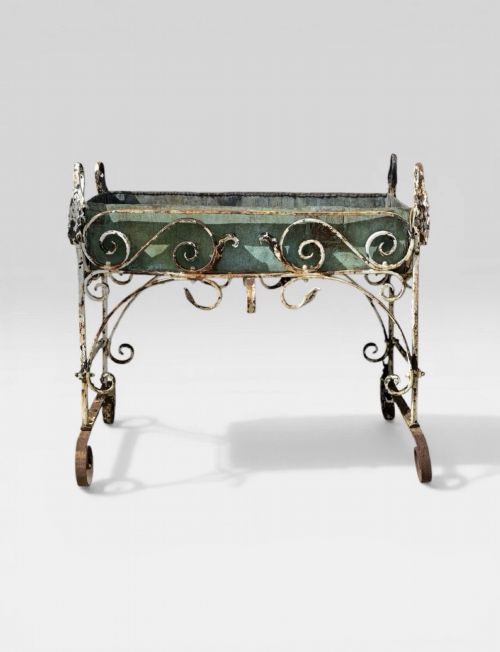
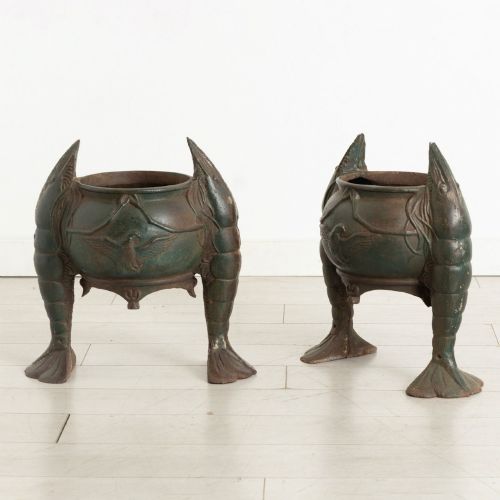
Foundries cast iron into urns and planters, occasionally utilising detailed moulds like shrimp or classical acanthus leaves, whilst wrought iron yields to hand-forged garden racks and wirework plant stands. Foundries such as Val d'Osne produce marked examples in cast iron.
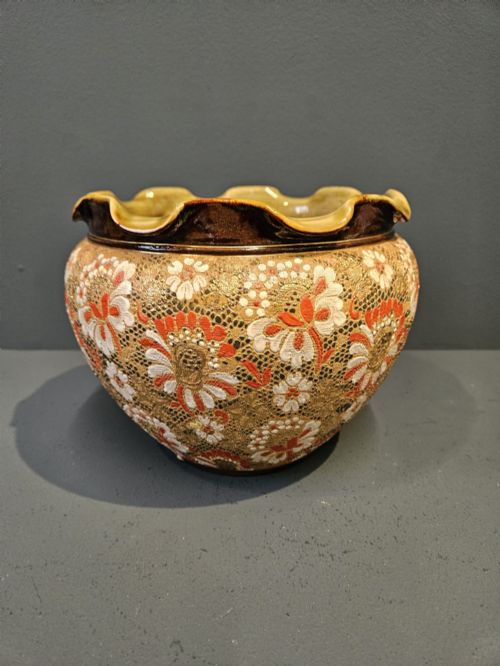
Potteries shape ceramic, earthenware, and stoneware into jardinieres, applying salt glazes, majolica, or delicate blush ivory finishes. Artists decorate porcelain and earthenware bodies with hand-painted motifs or relief patterns.
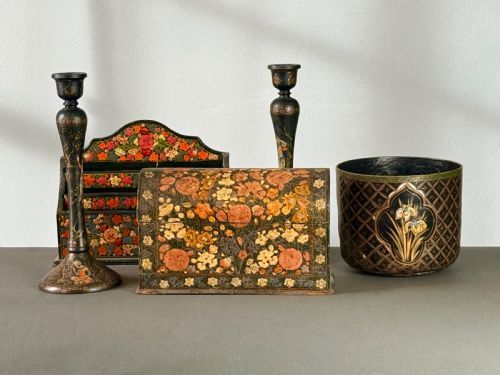
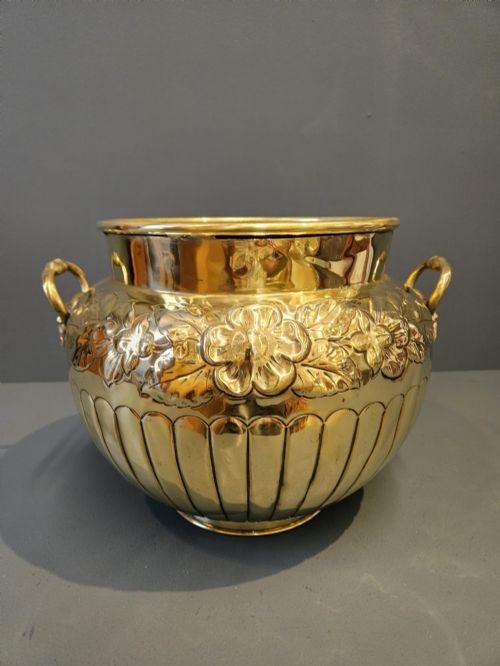
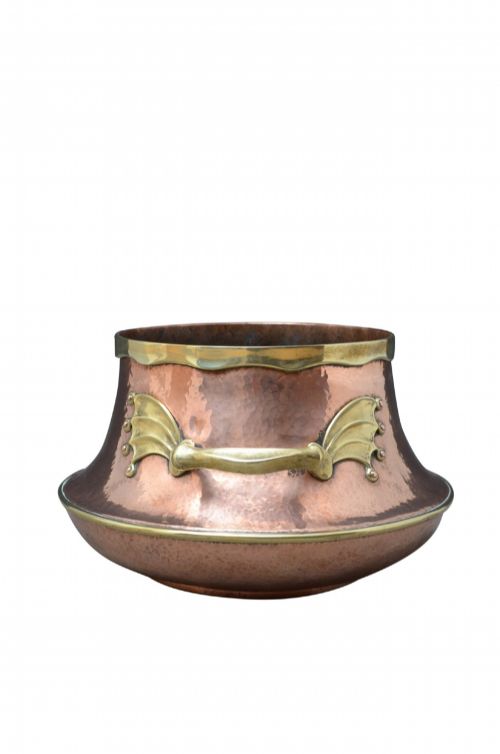
Metalworkers hammer, pierce, and press sheet brass and copper into cylindrical planters, trophy vases, and cachepots, sometimes combining both metals in a single vessel.
Garden planners can select from unusual nineteenth-century cast iron planters shaped specifically in the form of a marine shrimp.
Assessing Quality
The clarity of casting detail in iron urns and the crispness of relief work on ceramic jardinieres distinguish superior examples. Heavy metal walls and robust structural integrity indicate higher manufacturing standards.
Artistic execution on ceramic bodies, whether through hand-painted floral details or distinctive majolica glazes, separates standard production pieces from works attributed to notable designers and potteries.
The presence of original components, such as matching pedestals, lids, or paired urns, elevates the standing of a piece within its period.
Andrew Handyside·Val d'Osne Foundry·Doulton Lambeth·Doulton Burslem·Royal Doulton·Burmantofts·Royal Worcester·Krister KPM Waldenburg·Spode
The Victorian Decorative Planter Glossary
- Jardiniere
- An ornamental pot or stand for holding plants or flowers. These vessels sit on tables or floors inside the home and conservatory.
- Cachepot
- An ornamental container used to conceal an ordinary flowerpot. The word translates from French as hiding pot.
- Majolica
- A type of earthenware decorated with opaque coloured glazes over a tin-enameled ground. Victorian potteries used this technique for vivid botanical designs.
- Campana
- A bell-shaped garden urn popular in classical and nineteenth-century design. These metal or stone vessels often mount upon pedestal stands.
- Blush ivory
- A porcelain finish featuring soft cream and pink tones with gilt highlights. Royal Worcester produced notable examples in this style.
Victorian Decorative Planter: Frequently Asked Questions
What is a jardiniere?
A jardiniere is an ornamental container designed to hold potted plants or floral arrangements. These vessels function as decorative display pieces within domestic interiors.
Unlike standard garden pots, jardinieres often feature finished surfaces, including glazed ceramics, polished brass, or chased copper, intended for visible placement.
Where were garden urns placed?
Garden urns found placement on lawns, patios, terraces, and along walkways in nineteenth-century landscapes. Heavy cast iron versions provided stability against the elements.
Indoors, smaller urns and campana forms served as decorative objects on pedestals, tables, or within conservatories.
How do I care for antique metal planters?
Antique brass, copper, and cast iron planters require gentle cleaning with dry or lightly damp cloths to preserve patinas and original surface finishes. Aiding longevity involves avoiding harsh chemical polishes.
Using an inner plastic liner protects metal and ceramic interiors from moisture damage and soil acidity during plant display.
How do I identify Victorian ceramics?
Victorian ceramic planters often display maker marks, impressed pottery stamps, or registration numbers on the base. Stylistic clues include salt glazes, majolica colouring, and naturalistic leaf or floral motifs.
Assessing the weight, clay body, and glaze consistency helps distinguish nineteenth-century production from later reproductions.