





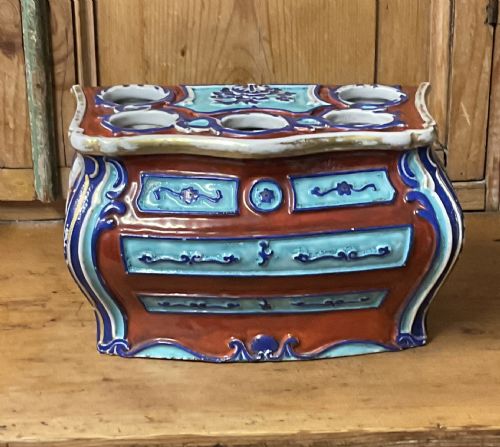

Porcelain Flower Planter
A porcelain flower planter brings botanical life indoors, combining utility with refined ceramic artistry for any room.

Porcelain Flower Planter
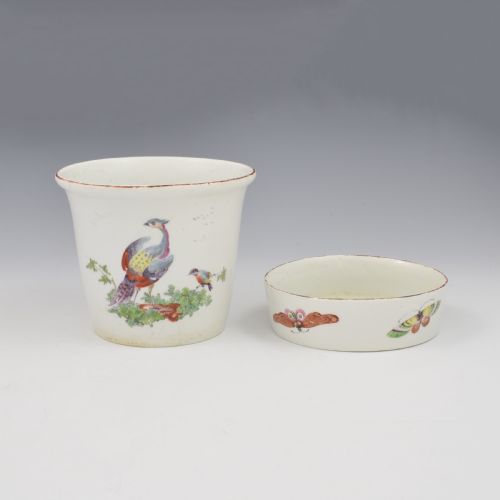
A porcelain flower planter serves to house growing plants or display cut blooms while protecting interior surfaces. The pieces gathered here span centuries and geographic origins, encompassing practical jardinieres, cachepots, and decorative posy holders designed for domestic display.
The most common examples encountered on this page originate from the nineteenth and eighteenth centuries, reflecting both European manufactories and East Asian export traditions. These items frequently manifest as robust jardinieres or hexagonal planters meant to hold potted greenery directly.
Forms range from simple circular vessels to elaborate figural flower carts and lobbed rectangular bowls. Buyers select these objects for their decorative presence as much as for their traditional horticultural utility within a domestic interior.
Materials and Craftsmanship
Potters utilised both hard-paste and soft-paste porcelain bodies, sometimes enhanced with cobalt underglaze or rich enamel decoration. Glazing sealed the porous ceramic body, allowing vessels to safely contain damp soil and moisture without risking structural integrity.
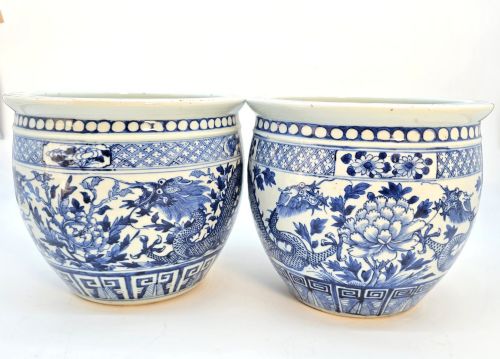
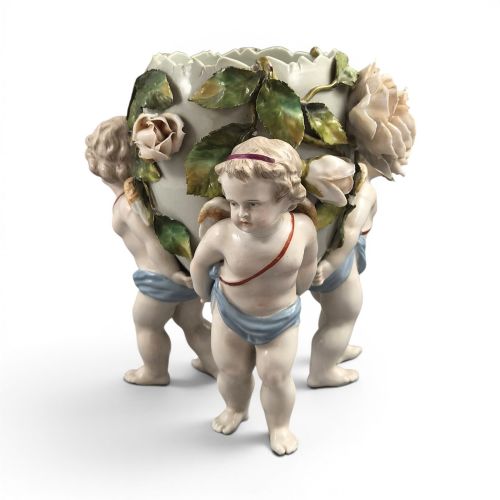
Surface ornamentation often involved meticulous hand painting, gilding with gold leaf, and applied sculptural elements such as cherubs or floral motifs. Japanese and Chinese pieces frequently display intricate underglaze blue and famille rose palettes, while European works lean towards blush ivory and rococo revival detailing.
Several Victorian and Edwardian examples feature cheerful ceramic cherubs and painted wheelbarrows, proving that historic horticulturists appreciated a touch of whimsy.
Standards of Quality
Quality in a porcelain flower planter rests upon the crispness of the modelling and the precision of the hand-painted details. Superior pieces exhibit clean underglaze cobalt lines, evenly applied enamel colours, and securely adhered gilding that withstands close inspection.
The integration of form and function also distinguishes finer examples, where stands, drip trays, and matching vessels demonstrate thoughtful proportion and harmonious design. Maker marks, such as four-character seal marks or factory ciphers, often accompany superior works, indicating a higher tier of ceramic production.
Sitzendorf Porcelain·Krister KPM Waldenburg·Royal Worcester·Royal Dux Porcelain·Meissen Marcolini
The Porcelain Flower Planter Glossary
- Jardiniere
- A large ornamental pot or stand designed to hold a plant or flower arrangement. These vessels frequently sit on floors or sturdy tables.
- Cachepot
- An ornamental flower pot case that conceals a plain growing pot inside. It typically lacks drainage holes at the base.
- Imari
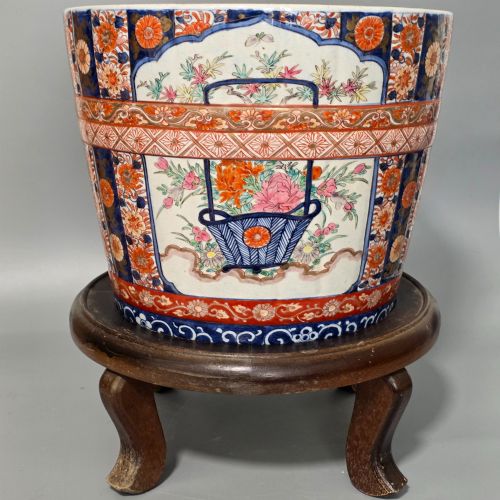
- A style of Japanese export porcelain featuring a distinct palette of underglaze blue, iron red, and gold. This aesthetic gained immense popularity across Europe during the eighteenth century.
- Famille Rose
- A major palette of Chinese ceramic enamel colours introduced in the Qing Dynasty, distinguished by opaque pink or rose tones. Artisans utilised these pigments to render detailed floral and figurative scenes.
- Soft-Paste Porcelain
- A ceramic material composed of white clay and frit, fired at lower temperatures than true hard-paste porcelain. It possesses a slightly warmer tone and a characteristic glaze texture.
Porcelain Flower Planter: Frequently Asked Questions
What is a cachepot?
A cachepot is a decorative outer pot designed to conceal a plain plant pot. It allows owners to display indoor greenery without water leaking onto furniture.
These vessels generally do not feature drainage holes, meaning a separate inner container is necessary for watering living plants.
How do I identify Imari porcelain?
Imari porcelain is readily identified by its characteristic tripartite colour scheme of deep underglaze blue, vibrant iron red, and supplementary gold leaf. The decorative motifs often incorporate intricate floral patterns and traditional Japanese landscapes.
These export wares date primarily from the eighteenth and nineteenth centuries, reflecting extensive trade between East Asia and Europe.
Were these planters used indoors?
These decorative vessels were made primarily for indoor domestic display within parlours, drawing rooms, and dining spaces. They accommodated potted plants, flowering bulbs, or cut stems to bring botanical elements into the home.
Many historic examples include matching drip trays to protect indoor surfaces from excess moisture.