



Victorian Decorative Display Stand
These Victorian decorative display stand pieces bring height and presence to a room, lifting ceramics, marble, and portraiture into focus.
Victorian Decorative Display Stand
A victorian decorative display stand encompasses pedestals, torcheres, etagere units, and display cabinets designed to elevate objects in a nineteenth-century interior. The pieces appearing in these listings lean towards tall walnut and mahogany pedestals, marble columns, and wood or iron stands intended for urns, plants, and art.
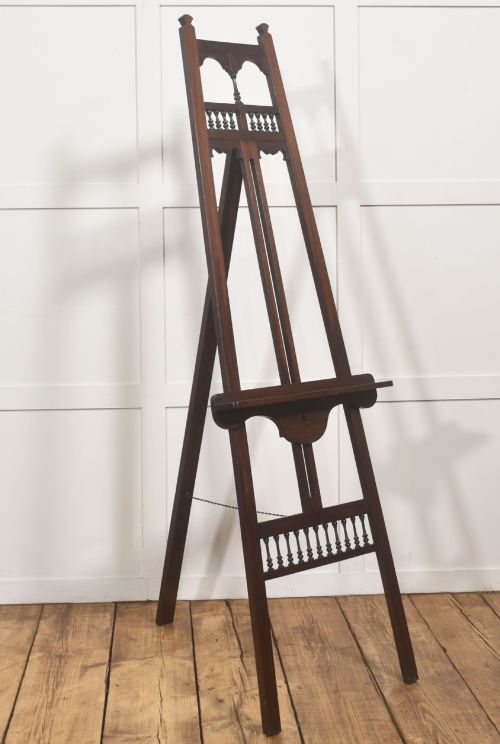
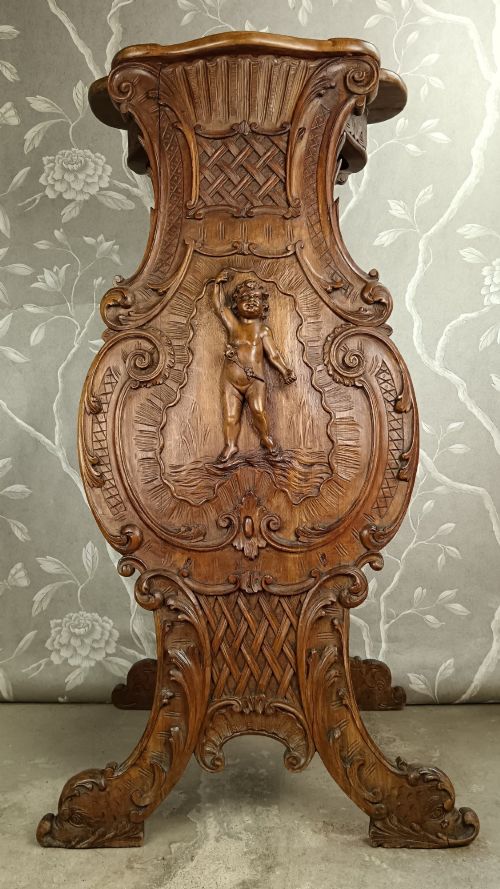
Makers of the period utilised varied silhouettes, ranging from slender Italian Renaissance Revival carved walnut columns to burr walnut whatnot tables and large easels. Buyers encounter both single focal pedestals and matched pairs designed to balance a formal room.
The assortment spans from mid-nineteenth-century exhibition items to simpler timber columns, capturing the heavy revivalist tastes of the Victorian era. Each form serves the singular purpose of framing prized domestic possessions.
Materials and Construction
Wood forms the backbone of these pieces, with walnut, rosewood, mahogany, and burr veneers shaped into columns, cabinets, and display surfaces. Cabinetmakers and carvers combined solid timbers with intricate inlays of ivory, brass mounts, and painted timber finishes.
Stone and metal introduce weight and contrast, evidenced by verde antico and faux marble columns alongside cast iron jardiniere stands and ormolu framing. Construction methods rely on traditional joinery, turning, and hand-carving appropriate to each revival style.
Victorian Decorative Display Stand Retail Price Guide 2026
Typical asking prices for victorian decorative display stand among the pieces listed under this phrase on Sellingantiques today, from the lower quarter to the upper quarter. They describe what is for sale here now, not the wider market.
Listings feature items from the 1850s through to the 1930s, utilising walnut, mahogany, brass, glass, and marble.
Assessing the Workmanship
Quality rests in the depth of the carving, the selection of timber veneers, and the integrity of the structural core. Finer pieces demonstrate crisp detail in carved walnut or marble, whilst lesser examples rely on simpler turned timber without ornamentation.
The sophistication of the secondary materials, such as heavy brass mounts, hand-turned marble shafts, or intricate wood inlays, distinguishes standard utility stands from exhibition-grade creations.
Edwards & Roberts
The Victorian Decorative Display Stand Glossary
- Pedestal
- A tall, freestanding support structure used to elevate a bust, vase, or sculpture. These take cylindrical or fluted column forms in wood, marble, or iron.
- Torchere
- A tall ornamental stand or candlestick originally designed to hold a light source. In Victorian rooms, these function primarily as plant or vase stands.
- Etagere
- A piece of furniture consisting of a set of open shelves for displaying small objects or ornaments. These tiered stands organise collections vertically.
- Whatnot
- A multi-shelved open cabinet used for storing and displaying bric-a-brac. They appear in burr walnut and rosewood configurations.
- Verde Antico
- A dark green serpentine marble often utilised for classical columns and architectural display surfaces. It provides a striking mottled visual texture.
Victorian Decorative Display Stand: Frequently Asked Questions
What is a Victorian decorative display stand used for?
These stands serve to elevate sculptures, decorative urns, potted plants, and portrait frames within a reception room or hallway. Their height draws the eye upward and creates architectural focal points in empty corners.
Historically, homeowners used them to exhibit foreign curiosities and artistic acquisitions. Today, they perform the same function, supporting heavy ceramics and modern interior plants.
How do I identify a Victorian marble pedestal?
Victorian marble pedestals typically feature a rotating or fixed circular top above a turned column and a stepped plinth base. They utilise various stones, including white Carrara and green serpentine.
Examine the weight and underside to confirm solid stone or scagliola construction. The turning style and column proportions generally point towards nineteenth-century revival aesthetics.
Where should I place a torchere stand?
A torchere stand fits best in a corner, beside a fireplace, or framing a doorway where vertical height adds balance to lower furniture. Their slender profile ensures they occupy minimal floor space.
Ensure the floor surface is level because tall columns carry significant weight at the top. Pair them with a matching vase or allow the carved timber to stand alone.
What is the difference between a pedestal and an etagere?
A pedestal is a single vertical column designed to hold one prominent object on its top surface. An etagere is a tiered piece of furniture featuring multiple open shelves.
Pedestals emphasise classical architectural dignity and isolated display. Etagere units provide space for arranging collections of smaller porcelain and glassware.