





Black Wood Pedestal Stand
These black wood pedestal stand pieces elevate display items through carved timber and ebonised surfaces.
Black Wood Pedestal Stand
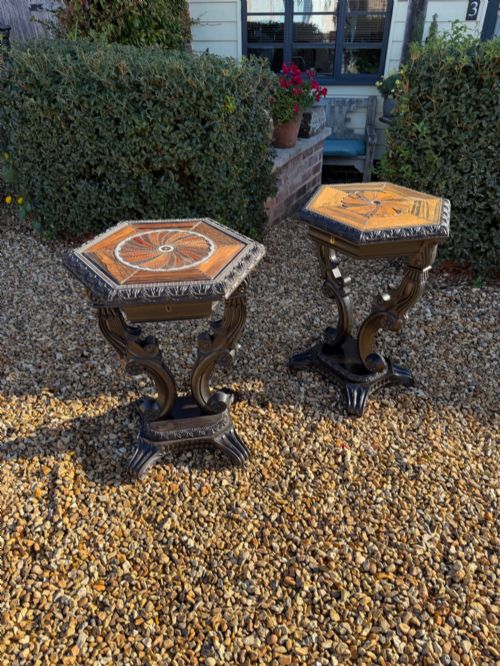
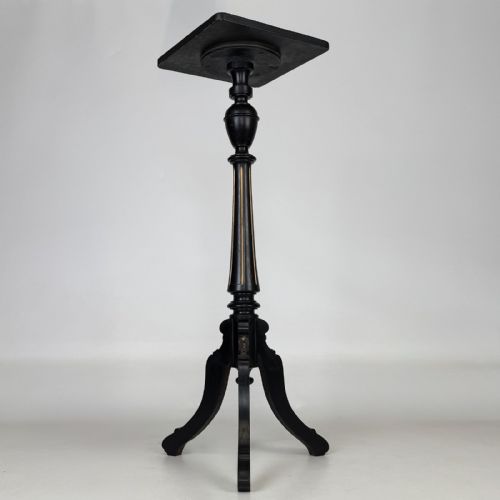
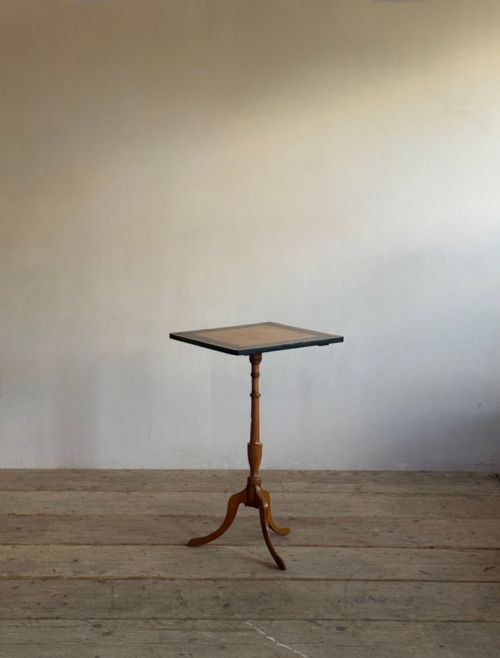
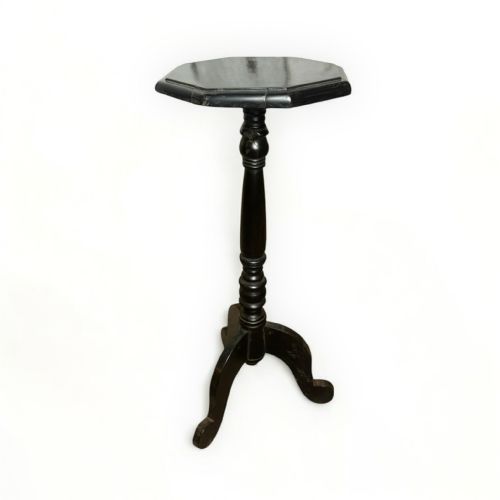
A black wood pedestal stand serves to elevate decorative objects, plants and lamps within a room. The selection spans plant stands, torcheres, occasional tables and columns produced across the nineteenth and early twentieth centuries.
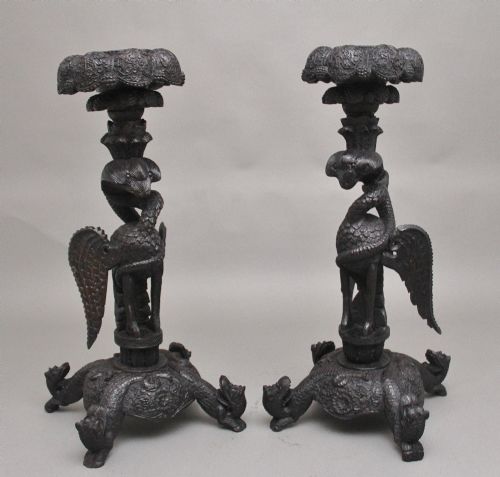
Makers utilised dense timbers and ebonised finishes to achieve deep dark tones across various global design traditions. Forms range from simple turned wooden plinths to elaborately carved Anglo-Indian and Venetian figures holding display surfaces.
Materials and construction
Craftsmen shaped these objects from solid hardwoods, ebony and elm, often applying ebonisation to lighter woods to simulate expensive dark timber. Surface decoration frequently incorporates hand carving, lacquering, bone inlay and penwork.
Construction techniques include traditional joinery, heavy tripod bases and columnar supports designed to bear weight securely. Some examples combine wood with metal or porcelain elements to create contrasting decorative effects.
Black Wood Pedestal Stand Retail Price Guide 2026
Typical asking prices for black wood pedestal stand among the pieces listed under this phrase on Sellingantiques today, from the lower quarter to the upper quarter. They describe what is for sale here now, not the wider market.
A winged griffin stands ready to guard your ferns.
Distinctions in quality
Quality rests upon the crispness of the hand carving and the integrity of the underlying timber. Superior examples display intricate detailing in figural elements, botanical motifs or marquetry inlay without loss to the structural base.
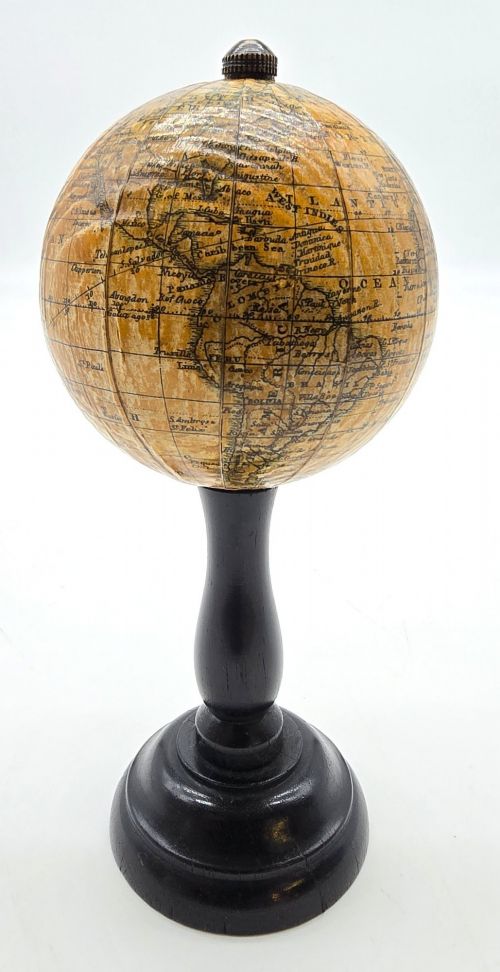
The finish also dictates worth, as deeply polished ebonised surfaces or well-preserved lacquer demonstrate careful historical maintenance. Weight and stability indicate robust construction, ensuring the stand supports heavy vases or globes safely.
Liberty of London
The Black Wood Pedestal Stand Glossary
- Ebonised
- Wood treated with a chemical stain or pigment to imitate true ebony. This finish became particularly popular during the Victorian period for achieving a formal black aesthetic.
- Torchere
- A tall stand designed to hold a light source or decorative object. These slender pieces often feature tripod or columnar supports.
- Plinth
- A heavy flat-bottomed base supporting a statue, column or pedestal. They provide stability and visual grounding for elevated display items.
- Marquetry
- The art of applying pieces of veneer to a structure to form decorative patterns. Artisans used contrasting materials like bone to create detailed surface designs.
- Tripod
- A three-legged support structure common in small tables and plant stands. This configuration prevents rocking on uneven historical flooring.
Black Wood Pedestal Stand: Frequently Asked Questions
What were black wood pedestal stands used for originally?
These stands functioned primarily to elevate heavy decorative objects, sculptures, table lamps and potted plants. Placing items at eye level allowed guests to admire fine porcelain, bronzes and exotic flora more easily.
In larger reception rooms, tall torcheres also held candles or oil lamps to illuminate dark corners. Their compact footprints made them versatile additions to nineteenth-century interiors.
How do I style a pedestal stand in a modern room?
A pedestal stand works effectively as a standalone sculptural element or as a functional surface in an entryway or living room. Placing a ceramic bowl, a trailing plant or a bronze figure on top creates a clear focal point.
Because these pieces feature dark ebonised wood or carved details, they contrast well against lighter walls. Ensure the footprint matches the scale of the surrounding furniture so the stand remains stable and balanced.
How can I tell the difference between Victorian and later stands?
Victorian examples often rely on dense hardwoods, heavy turned columns, and elaborate hand carving reflecting revival styles. The weight of the timber and the depth of the carving provide clues to nineteenth-century production.
Pieces from the early twentieth century, such as those from the 1920s and 1930s, can exhibit cleaner geometric lines or simpler ebonised wooden plinths. Examining the underside and joint construction helps determine the manufacturing era.
Are these stands strong enough to hold heavy plants?
Most solid hardwood and ebonised stands were engineered to bear substantial weight from large planters and heavy ornaments. Tripod bases and sturdy columnar supports distribute loads effectively across the floor.
It remains wise to check the overall stability of the joints and the condition of the feet before placing heavy items atop antique tables. Regular maintenance preserves the timber and ensures the structure stays secure.