

Victorian Decor
Victorian decor encompasses period furnishings and objects ranging from oil paintings and brass candlesticks to taxidermy and architectural salvage.
Victorian Decor
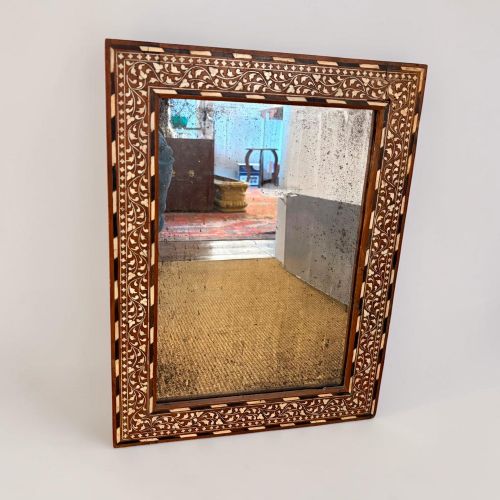
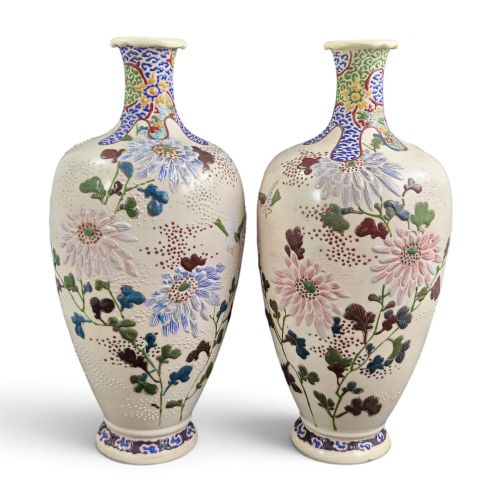
Victorian decor brings together diverse items produced during the nineteenth century, reflecting varied tastes from domestic interiors to maritime and sporting pursuits. Buyers seeking Victorian decor often find practical decorative objects such as wall mirrors, glass vases, and desk accessories alongside art.
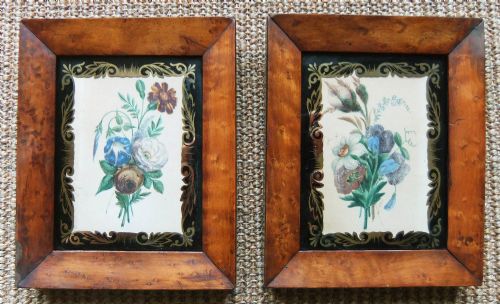
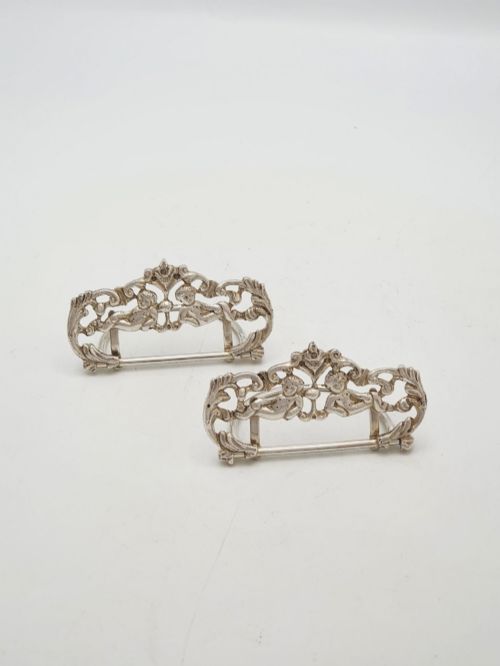
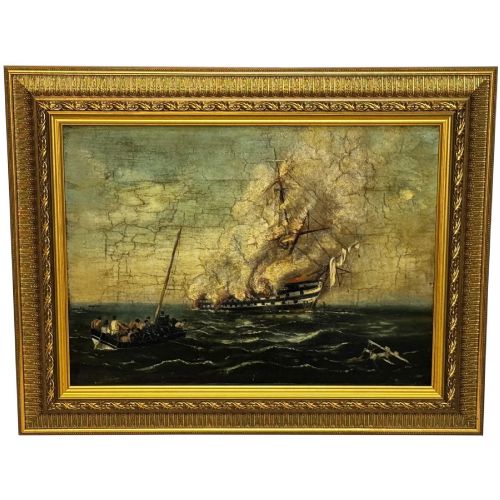
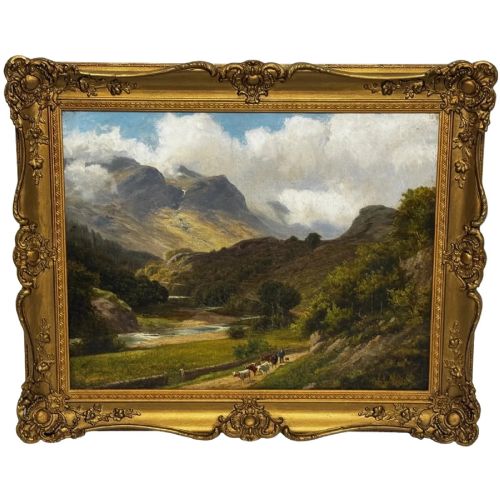
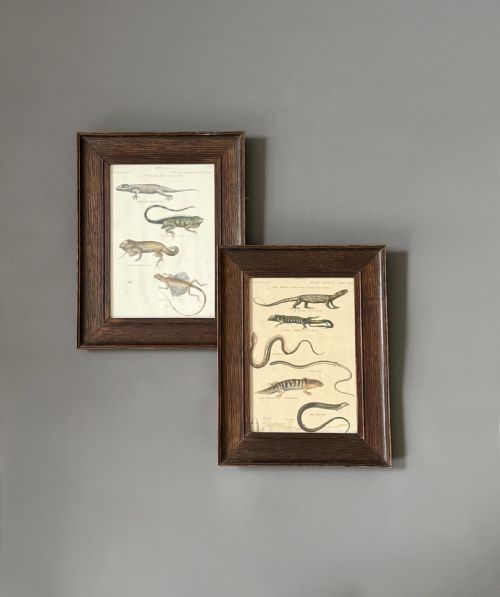
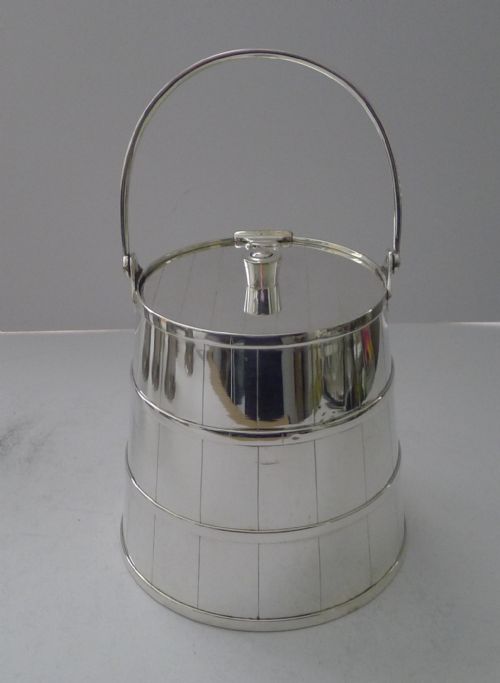
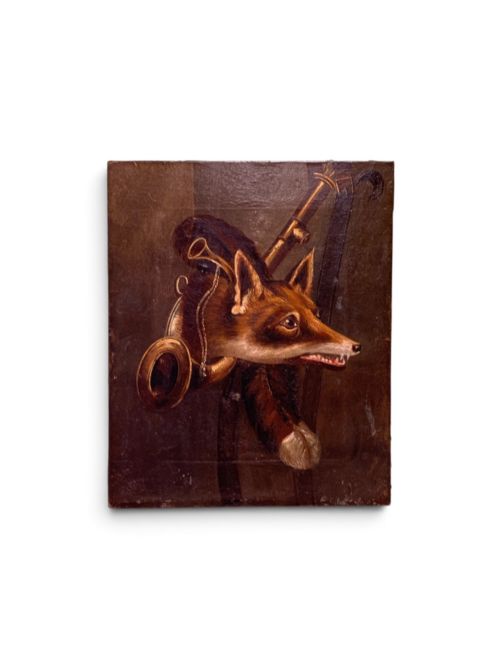
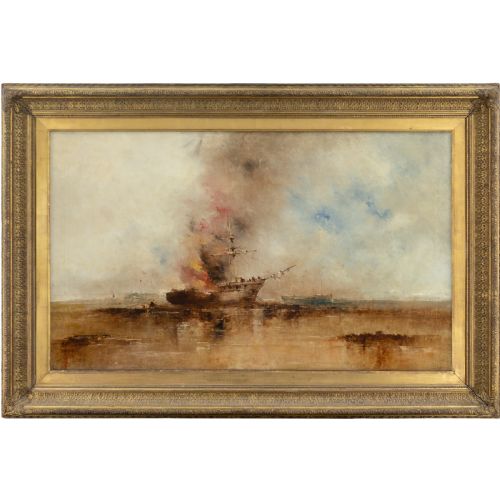
The selection on this page relies heavily on nineteenth-century oil paintings, watercolours, and engravings depicting landscapes, animals, and historical events. Alongside these flat works, functional items like biscuit boxes, silver place card holders, and apothecary jars form the core of the available pieces.
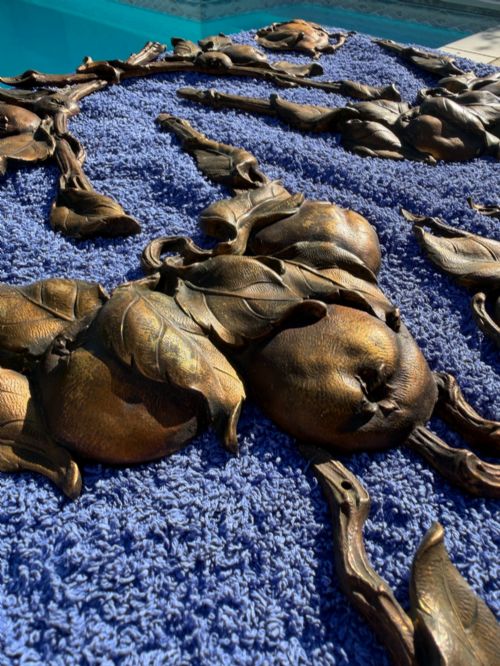
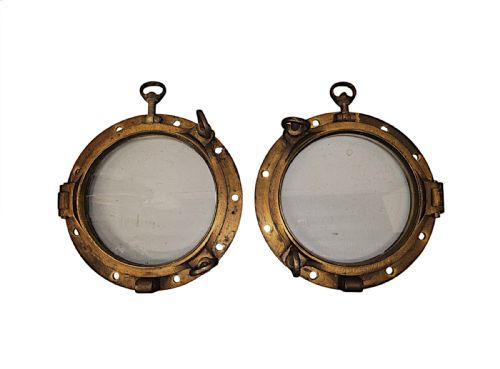
Other recurring forms include carved wooden rocking horses, taxidermy trophies, architectural elements like overdoor pediments, and lighting components such as gilt bronze appliques and brass port holes. These objects originate from British, French, and Anglo-Indian sources.
Materials and construction
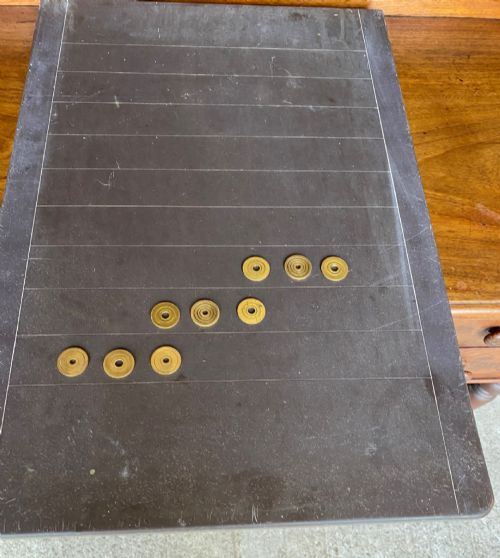
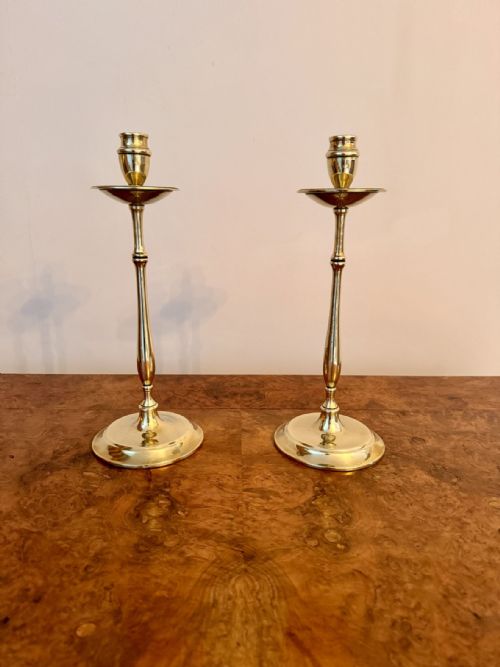
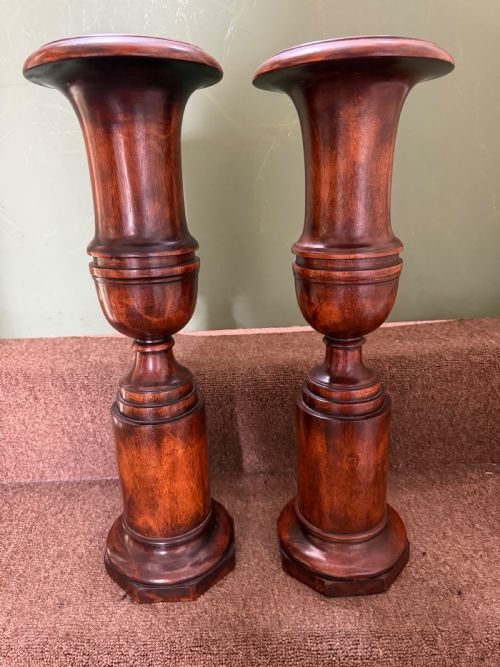
Makers of Victorian decor employed a wide range of materials, utilising wood such as walnut, metals including brass, silver, and copper, alongside glass, slate, and canvas. Wood pieces often feature hand carving and turning, while metal objects incorporate casting, silver plating, and etching.
Fine art relies on oil paint on canvas or watercolours on paper, frequently framed in giltwood. Taxidermy mounts utilise preserved animal horns and pelts, and decorative vessels combine opaque glass and ceramics with metal mounts.
The listings on this site span the nineteenth century, featuring materials such as brass, glass, wood, oil on canvas, and taxidermy.
Judging quality in pieces
Quality in Victorian decor depends on the precision of the hand craftsmanship, the integrity of the original materials, and the sophistication of the design style. Pieces executed in styles such as Neoclassical or Egyptian Revival display varying degrees of sculptural detail in cast bronze and carved wood.
Condition and originality dictate distinction, separating items retaining their original rockers, gilding, or patination from those with extensive replacement parts. Fine artistic proportion and known authorship in paintings or engravings elevate specific objects above standard decorative output.
William Bird MD FLS·Alfred Young Nutt·John Sargent Noble
The Victorian Decor Glossary
- Toleware
- Painted or enamelled metalware, typically tin or steel, used for functional household items like tea tins and trade signs. These pieces often feature dark japanned finishes with hand-painted highlights.
- Giltwood
- Wood that has been coated with a thin layer of gold leaf or powder. This technique appears frequently on nineteenth-century picture frames and architectural mouldings.
- Epergne
- A large table centrepiece designed for holding fruit, sweets, or flowers, typically featuring a central trumpet vase surrounded by smaller hanging baskets in glass or metal.
- Applique
- An ornamental bracket or fixture mounted to a wall, often cast in bronze or brass to hold candles or lights. These fixtures reflect the decorative metalwork styles of the period.
- Apothecary carboy
- A large glass vessel displayed in chemist shop windows to indicate the trade. These containers feature blown glass construction and large stoppers.
Victorian Decor: Frequently Asked Questions
What defines Victorian decor?
Victorian decor encompasses nineteenth-century household objects, furnishings, and fine art. The category includes everything from oil paintings and silver tableware to taxidermy and architectural salvage.
Items reflect the varied aesthetic movements of the period, spanning Neoclassical designs, maritime subjects, and utilitarian items like apothecary jars and toleware tea tins.
How do I identify a nineteenth-century oil painting?
Nineteenth-century paintings are usually executed on canvas or board and housed in period giltwood frames. Subject matter often includes landscapes, still lifes with animals, or historical marine scenes.
Examining the canvas texture, stretcher frames, and artist signatures or inscriptions helps determine the period and origin of the artwork.
Where were apothecary jars displayed?
Apothecary jars and carboys were displayed in nineteenth-century chemist shops to hold ingredients or signal the nature of the business. Etched glass apothecary jars held medicinal compounds on shelves.
Large glass carboys stood in shop windows, often containing coloured liquids to attract passersby.