

Victorian Damask Chair
These Victorian damask chairs combine rich patterned textiles with traditional timber frames, offering enduring comfort and period character.
Victorian Damask Chair
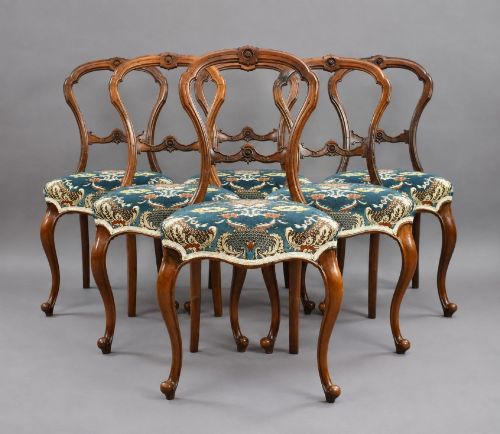
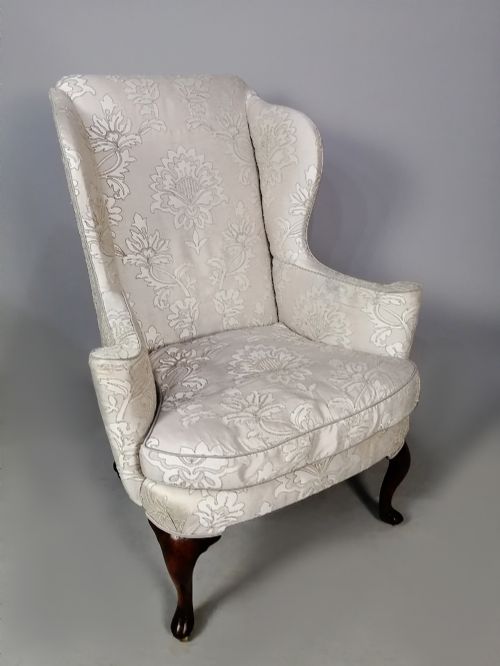
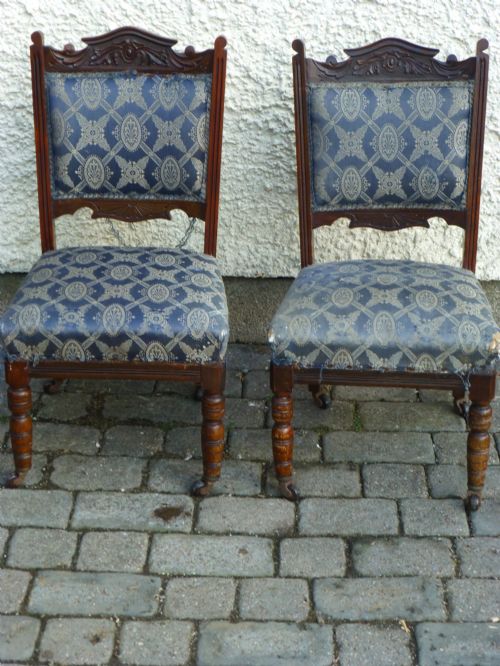
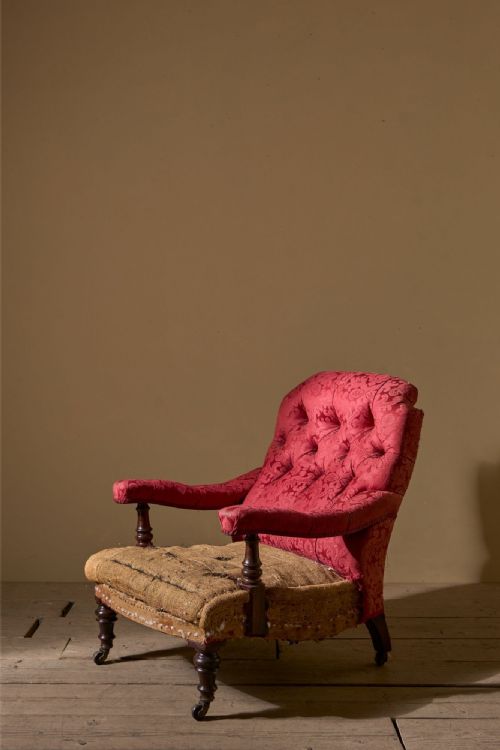
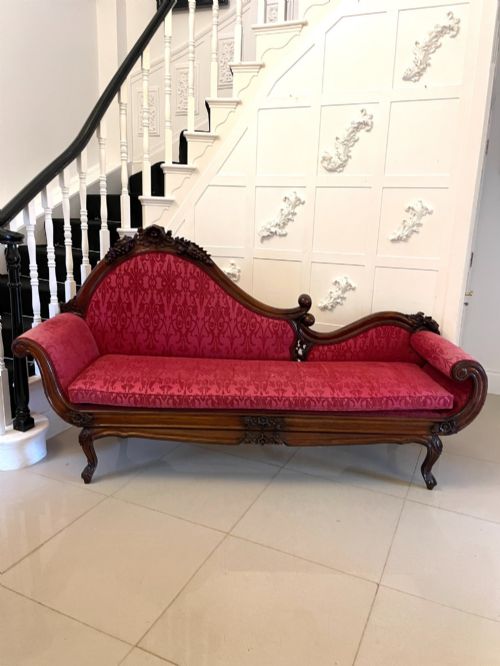
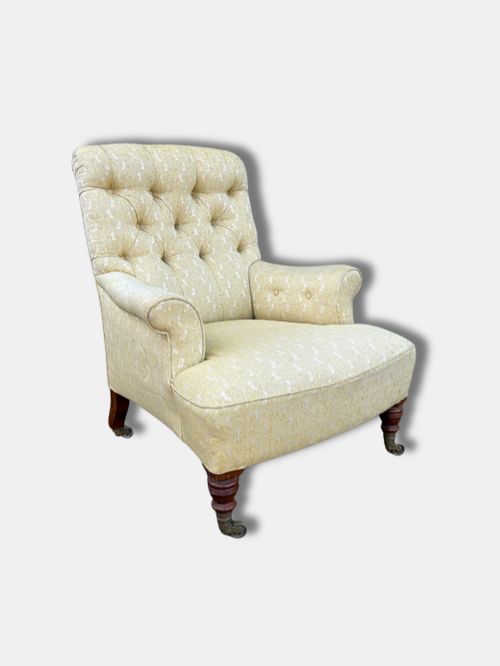
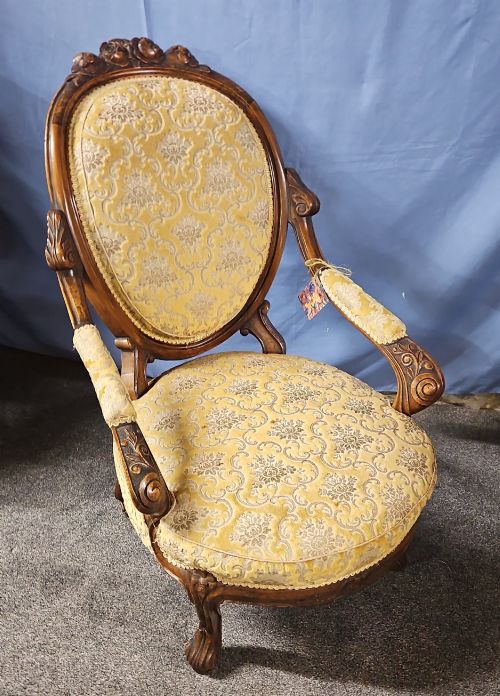
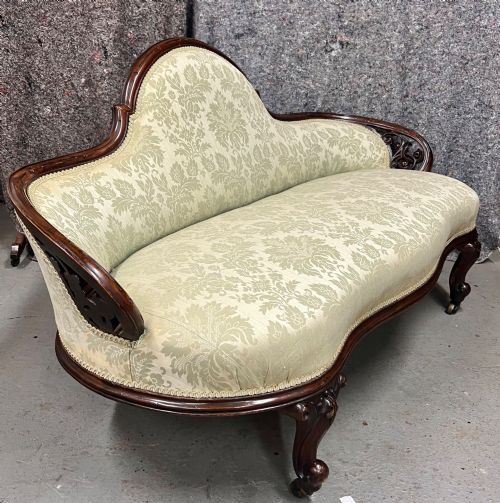
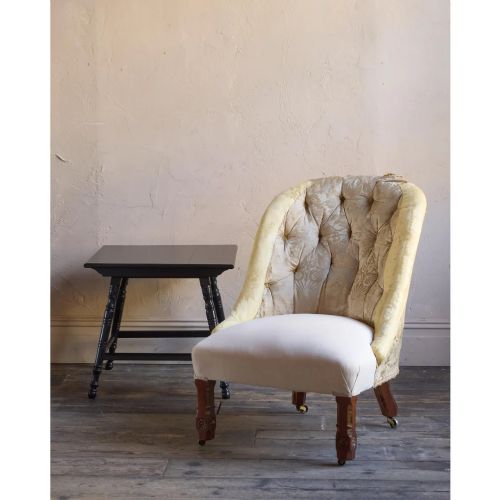
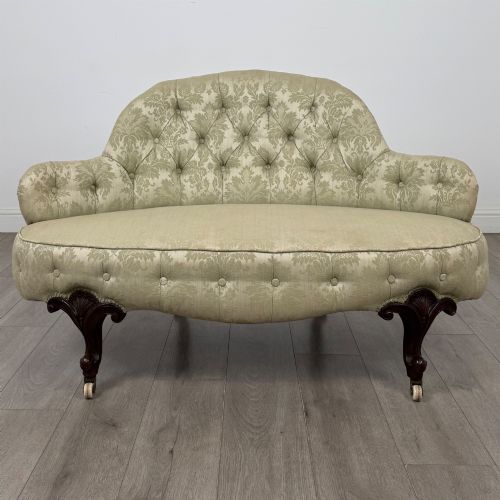
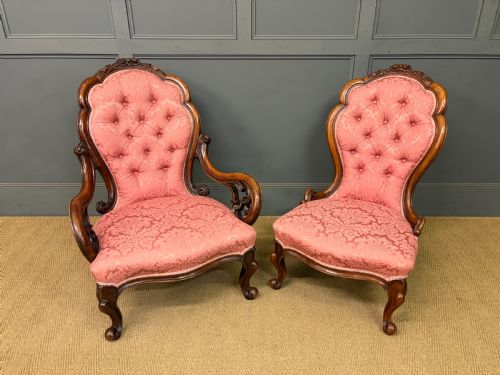
A Victorian damask chair represents a fusion of robust nineteenth-century seating forms and textured woven upholstery. Buyers searching for a victorian damask chair encounter various seating types spanning the nineteenth century, including nursing chairs, salon chairs, and wing armchairs.
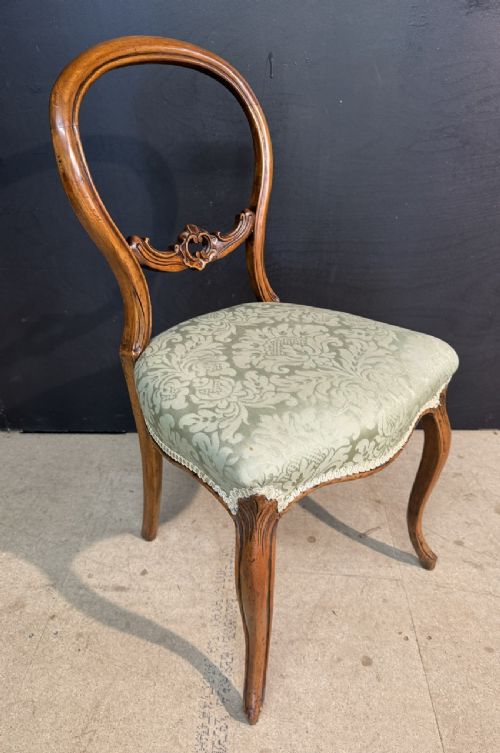
Most examples originate from the Victorian era, utilising materials such as walnut, mahogany, and rosewood paired with damask fabric. Forms range from balloon-back dining chairs and spoon-back nursing chairs to deep-seated armchairs and larger salon suites.
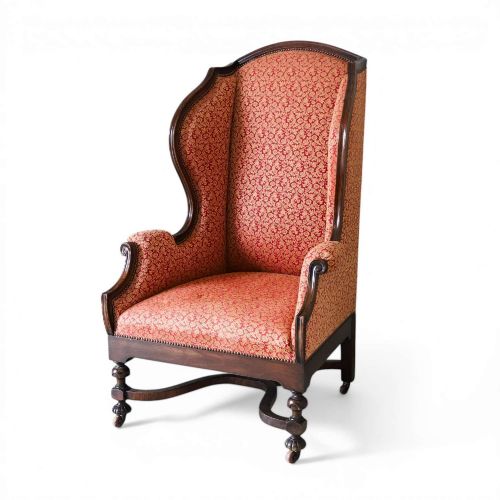
The inventory includes pieces finished in specific revivals like Rococo and Carolean styles, alongside English country pieces. Buyers frequently find walnut and mahogany frames supporting patterned textile upholstery, either original or updated.
Materials and construction
Frames rely on dense hardwoods like walnut, mahogany, and rosewood, often shaped with hand-carved details or turned elements. Timber components provide structural support for upholstered elements fixed with traditional stuffing and springs.
Upholstery centres on damask fabric, prized for its reversible patterned weave that catches the light through contrasting matte and glossy surfaces. Additional elements such as brass castors, studs, and exposed polished wood complement the textile panels.
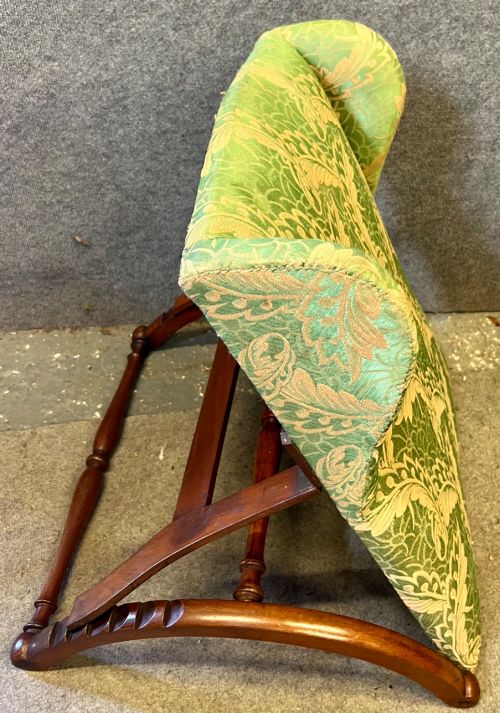
A tiny campaign chair waits quietly for an intrepid Victorian traveller to adjust its back.
Assessing quality in period seating
Quality reveals itself in the crispness of the timber carving and the architectural integrity of the frame. Superior pieces display thoughtful proportions, seamless joinery, and resilient internal padding that maintains a clean silhouette.
The execution of the textile upholstery and the selection of timber grain elevate certain examples above standard production. Finer frames exhibit careful attention to detail in secondary woods, turning, and decorative mounts.
Howard and Sons·Harrods, London
The Victorian Damask Chair Glossary
- Damask
- A reversible figured fabric woven on a jacquard loom, featuring patterns rendered in contrasting warp and weft faces. This textile provides the characteristic sheen and texture seen on period upholstery.
- Balloon back
- A rounded, continuous wooden chair back shaped like a balloon, commonly found on nineteenth-century dining chairs. This design offers ergonomic support while showcasing figured timber veneers.
- Spoon back
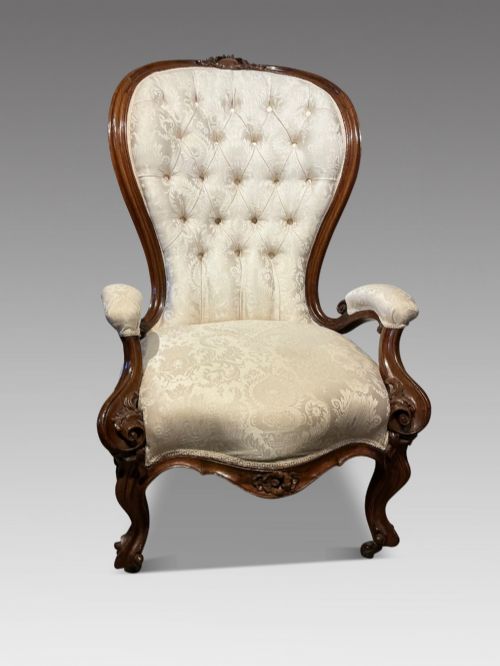
- An upholstered chair back hollowed out in the centre to resemble the bowl of a spoon, fitting the human spine. It is a defining profile of Victorian nursing and salon seating.
- Carolean style
- A revival style referencing late seventeenth-century English furniture, characterised by ornate scrollwork and carved crest rails. These pieces bring a heavier, baroque presence to Victorian interiors.
- Rococo Revival
- A nineteenth-century design movement favouring asymmetrical curves, naturalistic floral carving, and C-scroll motifs. It appears frequently on walnut salon suites and nursing chairs.
Victorian Damask Chair: Frequently Asked Questions
How do I identify a Victorian damask chair?
Look for characteristic nineteenth-century timber frames paired with patterned woven fabric. Details like spoon backs, balloon backs, and carved walnut or mahogany point directly to the period.
Examine the construction methods beneath the upholstery where visible. Traditional joinery and dense hardwoods confirm the age of the piece alongside the style of the woodwork.
Were these chairs originally upholstered in damask?
Damask fabric was a popular choice for formal Victorian reception rooms and parlours. Many pieces retain period upholstery or have been reupholstered in traditional patterns.
Historical examples often show traces of earlier textiles beneath modern layers. The weave complements the ornate woodwork typical of nineteenth-century seating designs.
How should I care for a Victorian damask chair?
Protect the timber frame with appropriate furniture wax and keep upholstered surfaces clean using gentle vacuum attachments. Avoid placing antique seating in direct sunlight to prevent textile fading.
Inspect the joints and castors periodically to ensure stability. Professional conservation is recommended for restoring damaged internal stuffing or fragile wooden elements.
What is the difference between a nursing chair and a salon chair?
Nursing chairs are traditionally lower to the ground with open seats designed for comfort and ease of dress in domestic spaces. Salon chairs tend to be upright and decorative, intended for formal reception rooms.
Both types utilise similar timber frames and damask upholstery. Their silhouettes vary according to their original domestic function within the Victorian household.